The idea was suggested to me (by my MD) that a blog/diary might help me feel better by venting my frustrations and struggles with Gastroparesis. Also, I hope I can help others who may have the same thing through my own experiences.
For more information, please email: emilysstomach[at]gmail.com or follow on Twitter: http://twitter.com/emilysstomach or like us on Facebook: http://www.facebook.com/emilysstomach or Instagram: http://www.instagram.com/emilysstomach
Copyright
“You agree that you will not modify, copy, reproduce, sell, or distribute any content in any manner or medium without permission."
Showing posts with label vagus nerve damage. Show all posts
Showing posts with label vagus nerve damage. Show all posts
I have had several friends, all of whom suffer from Gastroparesis and other chronic illnesses, have stomach surgeries. Some of them have had Gastric Bypasses or Nissen Fludoplications (which, you can read my article and research about the Gastric Bypass and Sleeve here: https://www.emilysstomach.com/2017/06/gastric-bypass-sleeve-and-gastroparesis.html and you can read about the Nissen Fludoplication surgery here: https://www.emilysstomach.com/2017/06/nissen-fundoplication.html) but most have had complications from these surgeries where they needed to have a Gastrectomy. A Gastrectomy, according to UCSF,
"Gastrectomy
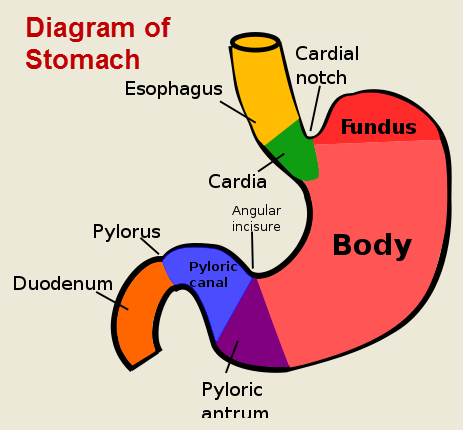
A gastrectomy is the surgical removal of all or part of the stomach. The stomach is a J-shaped organ in the upper abdomen. It is part of the digestive system, which processes nutrients ( vitamins, minerals, carbohydrates, fats, proteins, and water) in foods that are eaten and helps pass waste material out of the body.
Food moves from the throat to the stomach through a hollow, muscular tube called the esophagus. After leaving the stomach, partly-digested food passes into the small intestine and then into the large intestine.
Gastrectomy is performed for the following conditions:
Stomach Cancer
Bleeding Gastric Ulcers
Perforation (Hole) in the Stomach Wall
Benign Polyps
A partial gastrectomy is the removal of only part of the stomach. The remaining portion then continues with its digestive role. If the entire stomach is removed, the esophagus is connected directly to the small intestine, where digestion now begins. Patients must make significant dietary changes when a gastrectomy is performed.
For severe gastric ulcers involving the duodenum, the pylorus, the lower portion of the stomach, may be removed along with the all or part of the duodenum, the upper portion of the small intestine.
A Billroth procedure is then preformed. Where a sufficient portion of duodenum remains, a Billroth I is performed where the remaining stomach is reattached to the duodenum before the bile duct and pancreas ducts. If the stomach cannot be reconnected to the duodenum, a Billroth II is performed, in which an opening hole is made in the next section of the small intestine, the jejunum, and the stomach attached at that opening.
The pylorus is used to grind food and slowly release it into the small intestine. Its removal causes food to move more rapidly through the small intestine, often leading to gastric dumping syndrome, a condition treatable via change in diet."
This guide will help you prepare for your gastrectomy surgery at Memorial Sloan Kettering (MSK) and help you understand what to expect during your recovery. Read through this guide at least once before your surgery and then use it as a reference in the days leading up to your surgery. Bring this guide with you every time you come to MSK, including the day of your surgery, so that you and your healthcare team can refer to it throughout your care.
Your Stomach
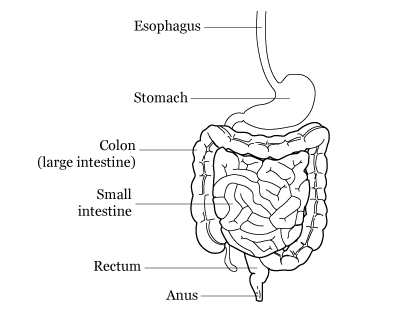
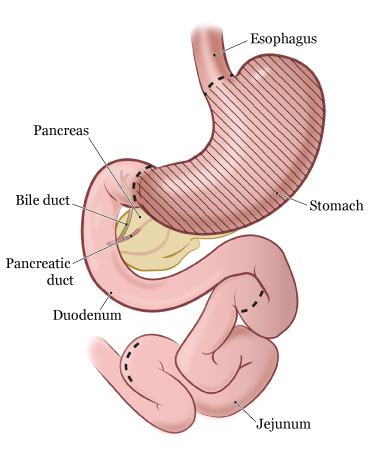
The stomach is an organ in your digestive system that helps to store and digest food. It is located between your esophagus (food pipe) and your small intestine (see Figure 1). The walls of your stomach are made up of muscles that churn and break down food into small pieces. Your stomach also produces acid that begins to break down or digest food.
Figure 1. The digestive system
When the food leaves your stomach, it moves into your small intestine. The first parts of your small intestine are the duodenum and the jejunum. Your food continues to be digested and absorbed in your small intestine.
Gastrectomy
Gastrectomy is a surgery that is done to treat cancer of the stomach. During the surgery, your surgeon may remove part or all of your stomach. There are several kinds of gastrectomies:
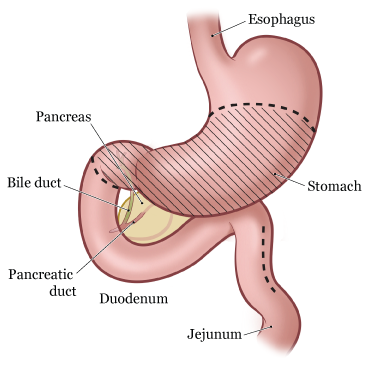
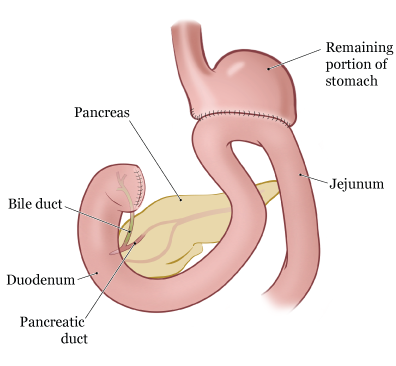
A subtotal gastrectomy includes removing the cancerous part of your stomach, nearby lymph nodes, and possibly parts of other organs near the tumor (see Figures 2 and 3).
Figure 2. Your digestive system before your subtotal gastrectomy
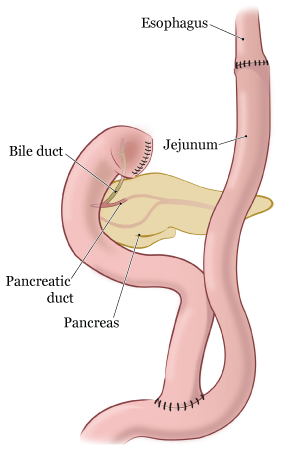
Figure 3. Your digestive system after your subtotal gastrectomy
A total gastrectomy involves removing the entire stomach, nearby lymph nodes, and parts of your esophagus and small intestine. Your esophagus is reconnected to your small intestine so that you can continue to eat and swallow (see Figures 4 and 5).
Figure 4. Your digestive system before your total gastrectomy
Figure 5. Your digestive system after your total gastrectomy
A gastrectomy can be done in different ways. Your surgeon will talk to you about which options are right for you. Depending on what surgery you have, your surgeon will make one or more incisions (surgical cuts) on your belly.
When one long incision is made, it is called an open surgery. Some or all of the stomach is removed through this incision.
When several small incisions are made on the belly, this is called laparoscopic minimally invasive surgery. Small surgical instruments and a laparoscope (a tube-like instrument with a camera) are inserted into the incisions to remove the part of the stomach containing the cancer.
Your surgeon may use a robotic device to help with your surgery.
Before Your Surgery
The information in this section will help you prepare for your surgery. Read through this section when your surgery is scheduled and refer to it as your surgery date gets closer. It contains important information about what you need to do before your surgery. Write down any questions you have and be sure to ask your doctor or nurse.
Preparing for Your Surgery
You and your healthcare team will work together to prepare for your surgery.
Help us keep you safe during your surgery by telling us if any of the following statements apply to you, even if you aren’t sure.
I take a blood thinner. Some examples are heparin, warfarin (Coumadin®), clopidogrel (Plavix®), enoxaparin (Lovenox®), and tinzaparin (Innohep®). There are others, so be sure your doctor knows all the medications you’re taking.
I take prescription medications.
I take any over-the-counter medications, herbs, vitamins, minerals, or natural or home remedies.
I have a pacemaker, automatic implantable cardioverter-defibrillator (AICD), or other heart device.
I have sleep apnea.
I have had a problem with anesthesia in the past.
I have allergies, including to latex.
I am not willing to receive a blood transfusion.
I drink alcohol.
I smoke.
I use recreational drugs.
About Drinking Alcohol
The amount of alcohol you drink can affect you during and after your surgery. It is important that you talk with your healthcare providers about your alcohol intake so that we can plan your care.
Stopping alcohol suddenly can cause seizures, delirium, and death. If we know you are at risk for these complications, we can prescribe medications to help prevent them.
If you drink alcohol regularly, you may be at risk for other complications during and after your surgery. These include bleeding, infections, heart problems, greater dependence on nursing care, and longer hospital stay.
Here are things you can do to prevent problems before your surgery:
Be honest with your healthcare provider about how much alcohol you drink.
Try to stop drinking alcohol once your surgery is planned. If you develop a headache, nausea, increased anxiety, or cannot sleep after you stop drinking, tell your doctor right away. These are early signs of alcohol withdrawal and can be treated.
Tell your healthcare provider if you cannot stop drinking.
Ask us any questions you have about drinking and surgery. As always, all of your treatment information will be kept confidential.
About Smoking
People who smoke can have breathing problems when they have surgery. Stopping even for a few days before surgery can help. If you smoke, your nurse will refer you to our Tobacco Treatment Program. You can also reach the program at 212-610-0507.
About Sleep Apnea
Sleep apnea is a common breathing disorder that causes a person to stop breathing for short periods while sleeping. The most common type is obstructive sleep apnea (OSA). This means that the airway becomes completely blocked during sleep, so no air can get through. OSA can cause serious problems when you have surgery. Please tell us if you have sleep apnea or if you think you might have it. If you use a breathing machine (such as a CPAP) for sleep apnea, bring it with you the day of your surgery.
Within 30 Days of Your Surgery
Presurgical Testing
Before your surgery, you will have an appointment for presurgical testing (PST). The date, time, and location of your PST appointment will be printed on the appointment reminder from your surgeon’s office.
You can eat and take your usual medications the day of your PST appointment. During your appointment, you will meet with a nurse practitioner who works closely with anesthesiology staff (doctors and specialized nurses who will be giving you medication to put you to sleep during your surgery). The nurse practitioner will review your medical and surgical history with you. You will have tests, including an electrocardiogram (EKG) to check your heart rhythm, a chest x-ray, blood tests, and any other tests necessary to plan your care. Your nurse practitioner may also recommend you see other healthcare providers.
Your nurse practitioner will talk with you about which medications you should take the morning of your surgery.
It is very helpful if you bring the following with you to your PST appointment:
A list of all the medications you are taking, including patches and creams.
Results of any tests done outside of MSK, such as a cardiac stress test, echocardiogram (echo), or carotid doppler study.
The name(s) and telephone number(s) of your doctor(s).
Complete a Health Care Proxy Form
If you haven’t already completed a Health Care Proxy form, we recommend you complete one now. A health care proxy is a legal document that identifies the person who will speak for you if you are unable to communicate for yourself. The person you identify is called your health care agent. If you are interested in completing a Health Care Proxy form, talk with your nurse. If you have completed a Health Care Proxy form or if you have any other advanced directive, bring it with you to your next appointment.
Do Breathing and Coughing Exercises
Practice taking deep breaths and coughing before your surgery. You will be given an incentive spirometer to help expand your lungs. For more information, please read How to Use Your Incentive Spirometer. If you have any questions, ask your nurse or respiratory therapist.
Exercise
Try to do aerobic exercise every day, such as walking at least 1 mile, swimming, or biking. If it is cold outside, use stairs in your home or go to a mall or shopping market. Walking will help your body get into its best condition for your surgery and make your recovery faster and easier.
Eat a Healthy Diet
You should eat a well-balanced, healthy diet before your surgery. If you need help with your diet talk to your doctor or nurse about meeting with a dietitian.
Stop taking herbal remedies or supplements 7 days before your surgery. If you take a multivitamin, talk with your doctor or nurse about whether you should continue. For more information, read Herbal Remedies and Cancer Treatment.
You will need to follow a clear liquid diet the day before your surgery. Examples of clear liquids are listed in the table below. Your doctor or nurse will tell you if you will need and extra day of clear liquids or any additional bowel preparation. While you are on this diet:
Do not eat any solid foods.
Make sure to drink plenty of liquids other than water, coffee, and tea. Try to drink at least 1 (8-ounce) glass of clear liquid every hour while you’re awake.
Drink
Do Not Drink
Soups
Clear broth, bouillon, or consommé
Any products with any particles of dried food or seasoning
Sweets
Gelatin, such as Jell-O®
Flavored ices
Sweeteners, such as sugar or honey
All others
Beverages
Clear fruit juices, such as apple, cranberry, lemonade, or grape
Soda, such as ginger ale, 7-Up®, Sprite®, seltzer
Gatorade®
Black coffee (no milk or cream)
Tea (no milk or cream)
Juices with pulp
Nectars
Milk or cream
Alcoholic beverages
Note the Time of Your Surgery
Sleep
Go to bed early and get a full night’s sleep.
Instructions for eating and drinking before your surgery
Do not eat anything after midnight the night before your surgery. This includes hard candy and gum.
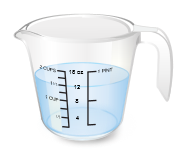
Between midnight and up until 2 hours before your scheduled arrival time, you may drink a total of 12 ounces of water (see figure).
Starting 2 hours before your scheduled arrival time, do not eat or drink anything. This includes water.
The Morning of Your Surgery
Take Your Medications as Instructed
If your doctor or nurse practitioner instructed you to take certain medications the morning of your surgery, take only those medications with a sip of water. Depending on what medications you take and the surgery you’re having, this may be all, some, or none of your usual morning medications.
Things to Remember
Do not put on any lotions, creams, deodorants, makeup, powders, or perfumes.
Do not wear any metal objects. Remove all jewelry, including body piercings. The equipment used during your surgery can cause burns if it touches metal.
Leave valuables, such as credit cards, jewelry, or your checkbook at home.
Before you are taken into the operating room, you will need to remove your eyeglasses, hearing aids, dentures, prosthetic device(s), wig, and religious articles, such as a rosary.
If you wear contact lenses, wear your glasses instead.
What to Bring
Sneakers that lace up. You may have some swelling in your feet. Lace-up sneakers can accommodate this swelling.
Only the money you may need for a newspaper, bus, taxi, or parking.
Your portable music player, if you choose. However, someone will need to hold this item for you when you go into surgery.
Your incentive spirometer, if you have one.
Your breathing machine for sleep apnea (such as your CPAP), if you have one.
If you have a case for your personal items, such as eyeglasses, hearing aid(s), dentures, prosthetic device(s), wig, and religious articles such as a rosary, bring it with you.
Your Health Care Proxy form, if you have completed one.
This guide. Your healthcare team will use this guide to teach you how to care for yourself after your surgery.
After Your Surgery
The information in this section will tell you what to expect after your surgery, both during your hospital stay and after you leave the hospital. You will learn how to safely recover from your surgery. Write down any questions you have and be sure to ask your doctor or nurse.
What to Expect
When you wake up after your surgery, you will be taken to the Post Anesthesia Recovery Unit (PACU). You will stay there until you are awake and your pain is under control. Most people go to their room after a few hours in the PACU, but some will need to stay in the PACU overnight for observation.
You will receive oxygen through a thin tube called a nasal cannula that rests below your nose. A nurse will be monitoring your body temperature, pulse, blood pressure, and oxygen levels.
Your visitors can see you briefly in the PACU, usually within 90 minutes after you arrive there. A member of the nursing staff will explain the guidelines to them. After your stay in the PACU, you will be taken to your hospital room in the inpatient unit. There, your nurse will tell you how to recover from your surgery. Below are examples of ways you can help yourself recover safely.
Walk around after surgery. Walking every 2 hours is a good goal. This will help prevent blood clots in your legs.
Use your incentive spirometer. This will help your lungs expand, which prevents pneumonia. For more information, please read our How to Use Your Incentive Spirometerresource.
Commonly Asked Questions: During Your Hospital Stay
Will I have pain after my surgery?
Your doctor and nurse will ask you about your pain often and give you medication to control your pain. Pain medication will be delivered by patient-controlled analgesia (PCA). PCA helps you control your pain by administering your pain medication into a vein (intravenous or IV) or epidural space (in your spine). Read the resource Patient-controlled Analgesia for more information.
If your pain is not relieved, tell your doctor or nurse. You will be given a prescription for pain medication before you leave the hospital. Pain medication may cause constipation (having fewer bowel movements than what is normal for you).
How can I prevent constipation?
Go to the bathroom at the same time every day. Your body will get used to going at that time.
If you feel the urge to go, do not put it off. Try to use the bathroom 5 to 15 minutes after meals.
After breakfast is a good time to move your bowels because the reflexes in your colon are strongest then.
Exercise if you can; walking is an excellent form of exercise.
Slowly increase the fiber in your diet to 25 to 35 grams per day. Fruits, vegetables, whole grains, and cereals contain fiber. If you have an ostomy or have had recent bowel surgery, check with your doctor or nurse before making any changes in your diet.
Both over-the-counter and prescription medications are available to treat constipation. Start with 1 of the following over-the-counter medications first:
Docusate sodium (Colace®) 100 mg. Take _____ capsules _____ times a day. This is a stool softener that causes few side effects. Do not take it with mineral oil.
Polyethylene glycol (MiraLAX®) 17 grams daily.
Senna (Senokot®) 2 tablets at bedtime. This is a stimulant laxative, which can cause cramping.
If you haven’t had a bowel movement in 2 days, call your doctor or nurse.
Will I be able to eat?
You will not be allowed to eat for the first day or 2 following the surgery. Then you will be on a clear liquid diet. After that, your diet will progress to a regular diet as tolerated. You will be able to eat smaller amounts of food than prior to your surgery. You will be encouraged to eat smaller meals, more frequently throughout the day.
Eating a balanced diet high in protein will help you heal after surgery. Your diet should include a healthy protein source at each meal, as well as fruits, vegetables, and whole grains. For more tips on increasing the amount of calories and protein in your diet, ask your nurse for the resource Eating Well During and After Your Cancer Treatment. For more information, please read Eating After Your Gastrectomy or Esophagogastrectomy. If you have questions about your diet, ask to see a dietitian.
How long will I be in the hospital?
Most people are in the hospital for approximately 5 days after having a gastrectomy but this will depend on the exact surgery that is done.
Commonly Asked Questions: After You Leave the Hospital
Will I have pain when I am home?
The length of time each person has pain or discomfort varies. You may still have some pain when you go home and will probably be taking pain medication. Follow the guidelines below.
Take your medications as directed and as needed.
Call your doctor if the medication prescribed for you doesn’t relieve your pain.
Do not drive or drink alcohol while you are taking prescription pain medication.
As your incision heals, you will have less pain and need less pain medication. A mild pain reliever such as acetaminophen (Tylenol®) or ibuprofen (Advil®) will relieve aches and discomfort. However, large quantities of acetaminophen may be harmful to your liver. Do not take more acetaminophen than the amount directed on the bottle or as instructed by your doctor or nurse.
Pain medication should help you as you resume your normal activities. Take enough medication to do your exercises comfortably. Pain medication is most effective 30 to 45 minutes after taking it.
Keep track of when you take your pain medication. Taking it when your pain first begins is more effective than waiting for the pain to get worse.
Can I shower?
Yes. Taking a warm shower is relaxing and can help decrease muscle aches. Use soap when you shower and gently wash your incision. Pat the areas dry with a towel after showering, and leave your incision uncovered (unless there is drainage). Call your doctor if you see any redness or drainage from your incision.
Do not take tub baths until you discuss it with your doctor at the first appointment after your surgery.
How do I care for my incision?
The location of your incision will depend on the type of surgery you had. It is normal to have numbness of the skin below the incision because some of the nerves were cut; this sensation will lessen over time.
By the time you are ready to leave the hospital, your surgical incision will have begun to heal.
You and your caregiver should look at your incision with your nurse before you leave the hospital so you know what it looks like.
If any liquid is draining from your incision, you should write down the amount and color. Call your doctor’s office and speak with the nurse about any drainage from your incision.
Change your bandages at least once a day and more often if they become wet with drainage. When there is no longer any drainage coming from your incision, they can be left uncovered.
If you go home with Steri-StripsTM on your incision, they will loosen and fall off by themselves. If they haven’t fallen off within 10 days, you may remove them.
If you go home with glue over your sutures (stitches), it will also loosen and peel off, similarly to the Steri-Strips.
If your surgeon uses staples to close your incision, you will have them removed at your postoperative visit at the outpatient clinic.
When is it safe for me to drive?
You may resume driving 3 weeks after surgery as long as you are not taking pain medication that may make you drowsy.
What exercises can I do?
Exercise will help you gain strength and feel better. Walking and stair climbing are excellent forms of exercise. Gradually increase the distance you walk. Climb stairs slowly, resting or stopping as needed. Ask your doctor or nurse before starting more strenuous exercises.
When can I lift heavy objects?
Check with your doctor before you do any heavy lifting. Normally, you should not lift anything heavier than 5 pounds for at least 6 weeks. Ask your doctor how long you should avoid heavy lifting.
When is my first appointment after my surgery?
Your first appointment after surgery will be in 1 to 3 weeks after you leave the hospital. Your nurse will give you instructions on how to make this appointment, including the phone number to call.
How can I cope with my feelings?
After surgery for a serious illness, you may have new and upsetting feelings. Many people say they felt weepy, sad, worried, nervous, irritable, and angry at one time or another. You may find that you cannot control some of these feelings. If this happens, it’s a good idea to seek emotional support.
The first step in coping is to talk about how you feel. Family and friends can help. Your nurse, doctor, and social worker can reassure, support, and guide you. It is always a good idea to let these professionals know how you, your family, and your friends are feeling emotionally. Many resources are available to patients and their families. Whether you are in the hospital or at home, the nurses, doctors, and social workers are here to help you and your family and friends handle the emotional aspects of your illness."
According to the Cleveland Clinic, you can develop Post Gastrectomy Syndrome. The information about Post Gastrectomy Syndrome is the following,
"Post-Gastrectomy Syndrome
The primary function of the stomach is to act as a reservoir, initiate the digestive process, and release its contents gradually into the duodenum so that digestion in the small bowel is optimally performed.
Causes
Patients with a diagnosis of gastric cancer, trauma, or complicated peptic ulcer disease may require a gastrectomy, which is the surgical removal of a portion of or, on occasion, all of the stomach. The anatomical changes that result after gastrectomy affect the emptying time of the stomach. If the pyloric valve located between the stomach and first part of the small intestine (duodenum) is removed, the stomach is unable to retain food long enough for partial digestion to occur. Food then travels too rapidly into the small intestine producing a condition known as the post-gastrectomy syndrome.
Symptoms
This syndrome is characterized by a lowered tolerance for large meals, rapid emptying of food into the small intestine or 'dumping,' abdominal cramping pain, diarrhea, lightheadedness after eating as well as increased heart rate and sharp drops in blood sugar levels. In the 'early' dumping syndrome, symptoms occur approximately one-half hour after eating whereas in the 'late' dumping syndrome they appear two to four hours after eating. The carbohydrate component draws water into the intestinal lumen causing sudden fluid shifts in the early dumping whereas late dumping is caused by a reactive hypoglycemia. An estimated 25-50% of all patients who have undergone gastric surgery have some symptoms of gastric dumping. The incidence and severity of symptoms are related directly to the extent of gastric surgery.
Complications
Complications of post-gastrectomy syndrome include anemia as a result of vitamin B12 or iron malabsorption and osteoporosis. These problems generally occur months or even years after gastric surgery. Vitamin B12 malabsorption occurs when a protein known as intrinsic factor is either not produced by the stomach (this is a condition called pernicious anemia) or when the proximal stomach is resected (the portion of the stomach that produces intrinsic factor). In either case, that absence of intrinsic factor leads to the poor absorption of vitamin B12. Under normal circumstances intrinsic factor binds to vitamin B12 and assists with the absorption of this vitamin in the lower portion of the small bowel. When vitamin B12 is poorly absorbed, anemia and, in some cases, poor nerve function can occur. This generally does not happen for several years because vitamin B12 is stored in large amounts in the liver.
Iron deficiency anemia develops because removal of the stomach often leads to a marked decrease in the production of gastric acid. This acid is necessary to convert dietary iron to a form that is more readily absorbed in the duodenum. Anemia usually does not occur for a few years after gastric surgery because iron is stored in moderately large amounts in the bone marrow, where red blood cells are produced.
Osteoporosis develops as a result of poor calcium absorption, another problem that occurs after gastric surgery. Under normal circumstances, calcium absorption, which occurs in the duodenum and proximal small bowel, is modest at best, with large amounts being lost in the bowel movement. Following gastric surgery, calcium absorption is even less efficient as a result of rapid emptying of the stomach. Calcium also binds tightly to unabsorbed dietary fat which further interferes with its absorption. Symptoms of osteoporosis may develop ten or more years after gastric surgery because of the large amount of calcium that is normally stored in bone.
Treatment
Treatment of post-gastrectomy syndrome includes initiation of a post-gastrectomy diet, which is high in protein, low in carbohydrates, and low in concentrated sweets. This diet should be consumed as five or six small meals, with limited fluid intake during meals. On occasion, medications may be required to help control these symptoms. Vitamin B12 deficiency can be prevented by providing vitamin B12 shots once each month indefinitely. Oral iron and calcium supplements are often needed to prevent the development of deficiencies in these minerals."
If you have a personal story that you would like to share based on your experience with this surgery, please feel free to email it to me at: emilysstomach[at]gmail.com.
Gastroparesis can be caused by many things. My Gastroparesis is Idiopathic, according to the US National Library of Medicine National Institutes of Health, it means, "delayed gastric emptying can be due to muscular, neural, or humoral abnormalities. In the absence of an identified cause, gastroparesis is labelled as Idiopathic." I suspect I have had it since I was sixteen. I became really sick and was running a high fever, so my mom took me to the Emergency Room. I was admitted and taken for emergency surgery because my GI thought I had appendicitis. When they went in for abdominal surgery, the doctor found that my appendix was fine. Furthermore, I had ovarian cysts that had ruptured, and the fluid was sitting in my abdomen causing a bad infection. The doctors cleaned out my abdomen, but took my appendix anyway. I have been vomiting since then.
I decided to do an article exploring what causes Gastroparesis. I have been asked this a lot by newly diagnosed Gastroparesis Warriors, and I was curious to see if anything has changed, especially given all of the awareness to this illness that the wonderful members of the GP Community have dedicated themselves to in the past few years. I also wanted to have an article written about what causes Gastroparesis, so that people who are having symptoms of this illness, can have something to refer back to so that the doctor will know what tests to run. If you think you might have Gastroparesis, definitely talk to your Gastroenterologist.
I keep a journal, like so:
Your journal could be a spiral notebook, a binder, a lab notebook, just anything, really. I have two separate ones.
I write down any questions I have for the doctor, and print out research, to put it in the journal and ask the doctor about it. Finally, I ask questions in support groups and write down the answers I get, or print them out and stick them in my journal. Furthermore, if I think a question is interesting that someone else posted, I will print out that posting with the questions and places them in my blog to talk to the doctor about, as well. You can put your medication times, what you take, and how often in there to keep up with things. Additionally, you can write about your diet; what you have eaten, how many servings you had, calories, fiber (since with GP it is hard to digest fiber), and food allergies. If you get sick, put how many times you got sick, and what the time was. You might be able to see a pattern that can be graphed and followed.
What is Gastroparesis?
This is a video, uploaded by a doctor, that will explain Gastroparesis, but also contains graphic images during an exploratory abdominal surgery (this is warning to those of you who are squeamish): https://www.youtube.com/watch?v=v-yeVxI4CeE
"Gastroparesis is the literal paralysis of the stomach, characterized as a condition that inhibits the stomach from emptying properly. Gastroparesis affects stomach contractions, which move food from the stomach into the large intestine where digested food is emptied. If stomach contractions don’t work to empty the stomach properly, gastro-discomfort can occur (i.e., nausea, bloating, vomiting) and individuals can suffer nutritional deficiencies as a result.
Here are six common causes and symptoms that accompany Gastroparesis:
Existing Medical Conditions
The most common causes linked to Gastroparesis include existing health conditions, such as a viral infection, eating disorder, cancer with radiation and/or chemotherapy, and gastric surgery (or stomach surgery) that causes vagus nerve damage. Specific medications can also trigger gastroparesis (i.e., progesterone, lithium, antidepressants, clonidine, and calcium channel blockers). Use of nicotine, especially smoking over the long term is also common in gastroparesis patients.
Certain chronic diseases—such as uncontrolled diabetes, hypothyroidism, multiple sclerosis, and Parkinson’s disease—have also been associated with the development of gastroparesis. Rare conditions that impact the functioning of connective tissues, blood vessels, skin, muscles, and internal organs (i.e., scleroderma and amyloidosis) have also been linked to causing digestive stomach issues.
Doctors often have issue pinpointing the exact cause of Gastroparesis. Diagnosis with unknown cause is common and known as Idiopathic Gastroparesis by health professionals.
Even though the cause of idiopathic gastroparesis remains unknown, researchers the Mayo Clinic claim that women ranging from young to middle aged are at highest risk of developing idiopathic gastroparesis.
"Gastroparesis is a chronic symptomatic disorder of the stomach characterized by delayed emptying without evidence of mechanical obstruction. The main causes of gastroparesis are diabetic, postsurgical, and idiopathic. Idiopathic gastroparesis refers to gastroparesis of unknown cause, that is, not from diabetes, not from prior gastric surgery, and not related to other endocrine, neurologic, rheumatologic causes of gastroparesis. The gastroparesis should not be related to medications that can delay gastric emptying, such as narcotic analgesic or anticholinergic medications. There is overlap in the symptoms of idiopathic gastroparesis and functional dyspepsia. A substantial minority of patients with functional dyspepsia can have delayed gastric emptying, blurring the distinction between idiopathic gastroparesis and functional dyspepsia. Patients with idiopathic gastroparesis often have a constellation of symptoms including nausea, vomiting, early satiety, postprandial fullness, and upper abdominal pain. Although the presentation of idiopathic gastroparesis is relatively similar to diabetic gastroparesis, abdominal pain occurs more often in idiopathic gastroparesis, whereas nausea and vomiting are more severe in diabetic gastroparesis. Treatment may employ agents used for diabetic gastroparesis and functional dyspepsia, including dietary management, prokinetics agents, antiemetic agents, and symptom modulators. Current treatment options do not adequately address clinical need for idiopathic gastroparesis.
Gastroparesis is a chronic symptomatic disorder of the stomach manifested by delayed emptying without evidence of mechanical obstruction (1,2). The common causes of gastroparesis include diabetic, postsurgical, and idiopathic (1,2). Idiopathic gastroparesis refers to gastroparesis of unknown cause; that is, not from diabetes, not from prior gastric surgery, and not related to other endocrine, neurologic, rheumatologic causes of gastroparesis. In addition, it is not related to medications that can delay gastric emptying. Medications known to delay gastric emptying include opiate narcotic analgesics and anticholinergics (1).
In most series, idiopathic gastroparesis is the most common category for gastroparesis. In the series reported by McCallum et al (3), the etiologies in 146 patients were: 36% idiopathic, 29% diabetic, and 13% postgastric surgery, 7.5% Parkinson’s disease, 4.8% collagen vascular disorders, 4.1% intestinal pseudoobstruction, and 6% miscellaneous causes. Miscellaneous causes of gastroparesis include other neurologic diseases, eating disorders, other metabolic or endocrine conditions (hypothyroidism), and critical illness.
This chapter discusses idiopathic gastroparesis, that is, symptomatic gastroparesis not from other known etiologies. This chapter updates the present status of our understanding of this disorder and reviews the recent studies from the NIH NIDDK Gastroparesis Consortium.
Epidemiology
Gastroparesis occurs more often in women than men, often by a 3:1 margin. Interestingly, this is true not only for idiopathic gastroparesis, but also for the other main causes of gastroparesis - diabetic and postsurgical. Patients with idiopathic gastroparesis are typically young or middle-aged women. Even after adjusting for gender differences in gastric emptying, since females in general have slower gastric emptying than males (4), gastroparesis occurs more commonly in women (5).
Outside of gender issues and etiology, the epidemiology of gastroparesis has not been well systematically studied. This stems from the fact that for proper diagnosis, a gastric emptying test is needed; one that presently cannot be done in population studies. Data from the Rochester Epidemiology Project, a database of linked medical records of residents of Olmsted County, Minnesota, showed that the age-adjusted incidence of definite gastroparesis per 100,000 person-years for the years 1996 to 2006 was 9.8 for women and 2.4 for men (6). Definite gastroparesis was defined as diagnosis of delayed gastric emptying by standard scintigraphy and symptoms of nausea and/or vomiting, postprandial fullness, early satiety, bloating, or epigastric pain for more than 3 months. The age-adjusted prevalence of definite gastroparesis per 100,000 persons was 37.8 for women and 9.6 for men. More recent estimates have suggested that the prevalence of gastroparesis were an underestimation and the prevalence is greater, approaching 2% of the general population (7).
Symptoms
Common symptoms of gastroparesis include nausea (>90% of patients), vomiting (84% of patients), and early satiety (60% of patients) (1,2,3). Other symptoms include postprandial fullness and upper abdominal pain (8). There is slight variation in symptoms depending on the etiology of gastroparesis: abdominal pain occurs more often in idiopathic gastroparesis than in diabetic gastroparesis (8), whereas nausea and vomiting are more severe in diabetic gastroparesis then in idiopathic gastroparesis (9). In patients with gastroparesis, weight loss, malnutrition, and dehydration may be prominent in severe cases.
There is overlap in the symptoms of idiopathic gastroparesis and functional dyspepsia. Abdominal pain or discomfort may be present to varying degrees in patients with gastroparesis, but it is not usually the predominant symptom, as it can be in functional dyspepsia (10). A substantial minority of patients (20–40%) with functional dyspepsia can have delayed gastric emptying (10), blurring the distinction between idiopathic gastroparesis and functional dyspepsia. Patients with idiopathic gastroparesis often have a constellation of symptoms including nausea, vomiting, early satiety, postprandial fullness, and upper abdominal pain.
Symptoms may fluctuate, with episodes of pronounced symptoms interspersed with relatively symptom-free intervals. Thus, at times, it can be difficult to differentiate idiopathic gastroparesis from cyclic vomiting syndrome (CVS), especially in the later when there can be a “coalescence of symptoms”, such that they can occur nearly daily rather than as typical for CVS with the vomiting episodes more sporadic on a monthly or less frequent basis (11). In CVS, gastric emptying is normal or often, it can be rapid (11)
The symptom profile and symptom severity of gastroparesis can be assessed with the Gastroparesis Cardinal Symptom Index (GCSI) (12), a subset of the Patient Assessment of Upper Gastrointestinal Symptoms (PAGI-SYM) (13). The GCSI comprises 3 subscales (nausea and vomiting, postprandial fullness and early satiety, and bloating) that the patient scores with reference to the preceding 2 weeks (12). The GCSI daily diary (GCSI-DD) can be used to record symptoms on a daily basis and may be more accurate in recording symptoms (14). This daily diary of symptoms captures symptoms of early satiety, nausea, vomiting, postprandial fullness, and upper abdominal pain. This questionnaire has been shown to capture relevant symptoms of gastroparesis in both patients with diabetic gastroparesis and idiopathic gastroparesis.
Although it has been a common assumption that the gastrointestinal symptoms can be attributed to the delay in gastric emptying characteristic of the disorder, most investigations have observed only weak correlations between symptom severity and the degree of gastric stasis (15,16). In general, the symptoms that appear to be best correlated (significant, but low correlation coefficients of 0.2 to 0.3) with a delay in gastric emptying include nausea, vomiting, early satiety, and postprandial fullness (17,18). Some symptoms present in patients with gastroparesis such as bloating and upper abdominal pain, are not correlated with delayed gastric emptying and might be related to sensory alterations that might also be present in patients with gastroparesis (18).
Most gastroparetic patients are underweight probably because of frequently experienced early satiety, nausea, and vomiting. Some gastroparesis (GP) patients, however, are overweight, for reasons that are not well understood. In a recent study, the factors that influence bodyweight in patients with idiopathic GP and in healthy controls were investigated (19). Thirty-nine healthy controls and 29 subjects with idiopathic GP underwent resting energy expenditure (indirect calorimetry), body composition (bioelectrical impedance), dietary intake (Block Food Frequency Questionnaire), symptoms (Patient Assessment of Upper GI Symptoms), and physical activity (Paffenbarger exercise survey) were assessed. Both median caloric intake (1242 vs 1804 kcal; p=0.005) and caloric expenditure (486 vs 2172 kcal; p<0 .01="" 0.05="" 1134="" 12="" 1422="" 17="" 19.3="" 24.3="" 243="" 41="" 644="" a="" abdominal="" activity="" addressed="" age="" although="" an="" and="" as="" at="" because="" bmi="" caloric="" calories="" center="" centers="" characteristics="" clinical="" common="" compared="" consortium="" consumed="" controls.="" controls="" cooperative="" coordinating="" data="" delay="" described="" diabetes="" diagnosis="" digestive="" diseases="" emptying="" energy="" enrolled="" expended="" expenditure.="" expenditure="" female.="" for="" funded="" gained="" gastric="" gastroparesis.="" gastroparesis="" gp="" gpc="" gpcrc="" had="" have="" health="" healthy="" idiopathic="" implemented="" in="" increased="" institute="" institutes="" intake="" interestingly="" is="" kcal="" kg="" kidney="" largest="" less="" lost="" lower="" m2="" majority="" mean="" median="" more="" most="" national="" nausea="" network="" neutral.="" niddk="" nih="" observational="" of="" one="" or="" p="0.45)" pain="" patients="" pcrc="" per="" presenting="" prospectively="" published="" recently="" reduced="" registry="" remained="" research="" resting="" seven="" several="" severe="" severity="" significantly="" similar.="" since="" studies="" study="" subgroup="" symptom="" symptomatic="" symptoms="" than="" the="" this="" through="" thus="" to="" vomiting="" vs="" was="" week="" weight="" were="" who="" with="" years="">35% retention at 4 hours) was present in 28% of patients and was associated with more severe symptoms of nausea and vomiting and loss of appetite compared with patients with mild or moderate delay. Of these patients with idiopathic gastroparesis, 86% met criteria for functional dyspepsia, predominately postprandial distress syndrome. Of interest, 46% of the patients were overweight. Thus, this study shows that idiopathic gastroparesis is a heterogeneous syndrome that primarily affects young women and can also affect overweight or obese individuals.
Although gastroparesis can be diabetic or idiopathic, little is known about differences in their presentation. The GpC compared clinical characteristics, symptoms, and gastric emptying in patients with idiopathic gastroparesis (IG) to patients with type 1 or type 2 diabetic (DG) (21). 416 patients with gastroparesis were analyzed; 254 had IG, and 137 had DG (78 had type 1 and 59 had type 2). Symptoms that prompted evaluation more often included vomiting for DG and abdominal pain for IG. Patients with DG had more severe retching and vomiting than those with IG, whereas patients with IG had more severe early satiety and postprandial fullness subscores. Compared with IG, gastric retention was greater in patients with type 1 DM. Thus, there are many similarities and some differences in clinical characteristics of DG and IG. Gastroparesis is a heterogeneous disorder; the etiology of the gastroparesis impacts on the symptoms and severity.
Abdominal pain can be present in patients with idiopathic gastroparesis. Factors associated with abdominal pain in gastroparesis have not been well studied. The NIH GpC studied the symptom of abdominal pain and how it relates to other clinical factors in 393 gastroparesis patients (22). Upper abdominal pain was moderate-severe in 261 (66%) patients. Pain/discomfort was predominant in 81 (21%); nausea/vomiting was predominant in 172 (44%). Moderate-severe pain was more prevalent with idiopathic gastroparesis than in diabetic gastroparesis and correlated with scores for nausea/vomiting and opiate use, but not gastric emptying. Gastroparesis severity, quality of life, and depression and anxiety were worse with moderate-severe pain. Predominant pain/discomfort was associated with impaired quality of life. Thus, moderate-severe abdominal pain is prevalent in gastroparesis, impairs quality of life, and is associated with idiopathic etiology, and opiate use. Pain was predominant in one fifth of gastroparetics. Predominant pain has at least as great an impact on disease severity and quality of life as compared to the more classic symptoms of predominant nausea/vomiting.
Bloating is commonly reported in gastroparesis, but is an underappreciated symptom of gastroparesis. The prevalence of bloating in gastroparesis and its severity was assessed in 335 gastroparesis patients (23). Bloating severity of at least severe (GCSI ≥4) grades was reported by 41% of patients. Bloating severity related to female gender and overweight status and correlated with intensity of nausea, postprandial fullness, visible distention, abdominal pain, and altered bowel function. Antiemetics, probiotics, and antidepressants with significant norepinephrine reuptake inhibitor activity may affect reports of bloating. Disease-specific quality of life and general measures of well-being were progressively impaired with increasing bloating severity. Thus, the symptom of bloating impairs quality of life but is not influenced by gastric emptying rates.
Many patients with gastroparesis have had their gallbladders removed; how this impacts on gastroparesis is not known. The clinical presentations of patients with gastroparesis were compared in those with prior cholecystectomy compared to patients who have not had their gallbladder removed (24). Of 391 subjects with diabetic or idiopathic gastroparesis (IG), 142 (36 %) had a prior cholecystectomy. Patients with prior cholecystectomy were more often female, older, and overweight or obese. Cholecystectomy had been performed in 46% of T2DM compared to 24% of T1DM and 38% of IG. Patients with cholecystectomy had more comorbidities, particularly chronic fatigue syndrome, fibromyalgia, depression, and anxiety. Postcholecystectomy gastroparesis patients had increased health care utilization, and had a worse quality of life. Etiology was not independently associated with a prior cholecystectomy. Thus, symptom profiles in patients with and without cholecystectomy differ: postcholecystectomy gastroparesis patients had more severe upper abdominal pain and retching and less severe constipation. These data
Source: Located on Image
Pathophysiology
A potential cause in some patients with idiopathic gastroparesis has been suggested to be viral injury to the nerves or muscles of the stomach – postviral gastroparesis. It has been suggested that idiopathic gastroparesis of acute onset with infectious prodrome could constitute postviral or viral injury to the neural innervation of the stomach or the interstitial cells of Cajal in the stomach. In the NIH GpC study of idiopathic gastroparesis, half the patients had an acute onset of symptoms with a minority of patients (19%) reported an initial infectious prodrome such as gastroenteritis or respiratory infection (20). In the McCallum series, postviral gastroparesis was suspected in 23% of patients with idiopathic gastroparesis (25). This clinical diagnosis of postviral gastroparesis is suggested in previously healthy persons with an acute onset of viral illness with nausea, vomiting, diarrhea, fever, and cramps who have persistence of symptoms (nausea, vomiting, early satiety) for more than 3 months with a delay in gastric emptying. Viruses suspected as potential causes are cytomegalovirus (CMV), Epstein–Barr virus, and herpes varicella-zoster. Symptoms of idiopathic gastroparesis after a presumed viral illness tend to be less severe than in gastroparesis from other causes. Overall, these patients appear to have a good prognosis, with many patients having a slow resolution of their symptoms (25).
Gastric emptying is mediated by the vagus nerve, which helps regulates fundic accommodation, antral contraction, and pyloric relaxation (1). These regional gastric motility changes with food ingestion are then mediated through smooth muscle cells, which control stomach contractions; interstitial cells of Cajal, which regulate gastric pacemaker activity; and enteric neurons, which initiate smooth muscle cell activity (1). The pathophysiology of gastroparesis has not been fully elucidated but appears to involve abnormalities in functioning of several elements including autonomic nervous system, smooth muscle cells, enteric neurons, and interstitial cells of Cajal. Histologic studies in gastroparesis patients demonstrate defects in the morphology of enteric neurons, smooth muscle cells, and interstitial cells of Cajal and increased concentrations of inflammatory cells in gastric tissue (26).
NIH Gastroparesis Consortium Studies on Pathology
Cellular changes associated with diabetic (DG) and idiopathic gastroparesis (IG) have recently been described from gastroparesis patients by the NIH GpC. Full-thickness gastric body biopsy specimens were obtained from 40 patients with gastroparesis (20 diabetic) and matched controls (27). Histologic abnormalities were found in 83% of patients. The most common defects were loss of ICC with remaining ICC showing injury, an abnormal immune infiltrate containing macrophages, and decreased nerve fibers. On light microscopy, no significant differences were found between diabetic and idiopathic gastroparesis with the exception of nNOS expression, which was decreased in more patients with idiopathic gastroparesis (40%) compared with diabetic patients (20%) by visual grading. On electron microscopy, a markedly increased connective tissue stroma was present in both disorders. This study suggests that on full-thickness biopsy specimens, cellular abnormalities are found in the majority of patients with gastroparesis. The most common findings were loss of Kit expression, suggesting loss of ICC, and an increase in CD45 and CD68 immunoreactivity. These findings suggest that examination of tissue can lead to valuable insights into the pathophysiology and possibly treatments for the patient.
The association of these cellular changes in patients with gastroparesis with gastroparesis symptoms and gastric emptying was recently reported (28). Idiopathic gastroparesis with a myenteric immune infiltrate scored higher on the average GCSI and nausea score as compared to those without an infiltrate. Interstitial cells of Cajal counts inversely correlated with 4 h gastric retention in DG but not in IG. There was also a significant correlation between loss of ICC and enteric nerves in DG but not in IG. Thus, in DG, loss of ICC is associated with delayed gastric emptying. Interstitial cells of Cajal or enteric nerve loss did not correlate with symptom severity. Overall clinical severity and nausea in IG is associated with a myenteric immune infiltrate. Thus, full thickness gastric biopsies can help define specific cellular abnormalities in gastroparesis, some of which are associated with physiological and clinical characteristics of gastroparesis.
Management
Management of gastroparesis is guided by the goals of correcting fluid, electrolyte, and nutritional deficiencies; identifying and treating the cause of delayed gastric emptying (e.g., diabetes); and suppressing or eliminating symptoms (1,2). Treatment of the symptoms may employ agents used for diabetic gastroparesis and functional dyspepsia. Care of patients generally relies on dietary modification, prokinetics medications that stimulate gastric motor activity, antiemetic drug therapy to suppress symptoms of nausea and vomiting, and symptom modulators (psychotropic agents) that reduce symptom expression. Narcotic analgesics should be avoided. Although narcotic analgesics may acutely improve abdominal pain, with chronic use, they delay gastric emptying, may themselves lead to symptoms of nausea and vomiting, may upregulate abdominal pain, and lead to dependence. Total parenteral nutrition, although used in some refractory patients, is associated with complications of infections and thrombosis. Aspects on treatment are discussed in detail in later chapters on treatments for gastroparesis. Particulars of treatment in idiopathic gastroparesis are discussed below.
Dietary aspects in gastroparesis
Gastroparesis can lead to food aversion, poor oral intake, and subsequent malnutrition. In the NIH GPC gastroparesis registry, dietary intake and nutritional deficiencies were characterized in 305 patients with diabetic and idiopathic gastroparesis (29) who completed diet questionnaires (Block Food Frequency Questionnaire). Caloric intake averaged 1168±801 kcal/day, amounting to 58%±39% of daily total energy requirements (TER). A total of 194 patients (64%) reported caloric-deficient diets. Only 5 patients (2%) followed a diet suggested for patients with gastroparesis. Deficiencies were present in several vitamins and minerals; patients with idiopathic disorders were more likely to have diets with estimated deficiencies in vitamins A, B6, C, K, iron, potassium, and zinc than diabetic patients. Only one-third of patients were taking multivitamin supplements. More severe symptoms (bloating and constipation) were characteristic of patients who reported an energy-deficient diet. Surprisingly, only 32% of patients had nutritional consultation after the onset of gastroparesis; consultation was more likely among patients with longer duration of symptoms and more hospitalizations and patients with diabetes. Multivariable logistic regression analysis indicated that nutritional consultation increased the chances that daily TER were met (odds ratio, 1.51; P=0.08). Thus, many patients with gastroparesis have diets deficient in calories, vitamins, and minerals. Most patients are not following a “gastroparesis diet”. Nutritional consultation is obtained infrequently, especially in idiopathic gastroparesis. A nutritional consultation may be helpful for instructions on dietary therapy and to address nutritional deficiencies.
Gastroparesis is a challenging syndrome to manage, with few effective treatments and lack of rigorously controlled trials. Symptom modulators (psychotropic agents such as tricyclic antidepressants) are often used to treat refractory symptoms of nausea, vomiting, and abdominal pain. Evidence from well-designed studies for this use is lacking. Tricyclic antidepressants may have benefits in suppressing symptoms in some patients with nausea and vomiting as well as patients with abdominal pain. Doses of tricyclic antidepressants used are lower than used to treat depression. A reasonable starting dose for a tricyclic drug is 10–25 mg at bedtime. If benefit is not observed in several weeks, doses are increased by 10- to 25-mg increments up to 75 mg. Side effects are common with use of tricyclic antidepressants and can interfere with management and lead to a change in medication in some patients. The secondary amines, nortriptyline and desipramine, may have fewer side effects than amitriptyline which itself may delay gastric emptying. The recent NIH gastroparesis consortium study with nortriptyline in idiopathic gastroparesis did not show an effect on overall symptoms of gastroparesis (30). However, there was a suggestion that low nortriptyline doses (10–25 mg qhs) might decrease nausea, whereas higher doses might decrease fullness. The recently completed NIH functional dyspepsia treatment trial showed a favorable effect for amitriptyline for functional dyspepsia – this was seen in patients with normal gastric emptying, but not in those with delayed gastric emptying (31).
Gastric electric stimulation
Gastric electric stimulation is a treatment for refractory gastroparesis involving implantation of neurostimulator. The currently approved stimulator delivers a high-frequency (12 cpm), low-energy signal with short pulses to the gastric muscle along the greater curvature. Based on the initial studies that have shown symptom benefit with low complications, the gastric electric neurostimulator was granted humanitarian approval from the FDA for the treatment of chronic, refractory nausea and vomiting secondary to idiopathic or diabetic gastroparesis (32). Symptoms of vomiting improved with gastric stimulation. This symptomatic benefit was primarily seen in patients with diabetic gastroparesis than in idiopathic gastroparesis (32). In the study by Maranki et al (33), three predictive factors for clinical improvement with gastric electric stimulation were found: 1) diabetic rather than idiopathic etiology; 2) predominant symptoms of nausea and/or vomiting rather than abdominal pain; 3) lack of the use of regular narcotic pain medications. In this series, gastric electric stimulation significantly improved symptoms of nausea and vomiting, but not abdominal pain. In a recently reported, prospective study of gastric electric stimulation for idiopathic gastroparesis (34), there was a reduction in vomiting during the initial 6 week open label ON treatment period. A double-blind 3-month period showed a non-significant reduction in vomiting in the ON vs OFF period, the primary outcome variable. At 12 months with open label ON stimulation, there was a sustained decrease in vomiting and days of hospitalizations.
Source: Located on the Image
Conclusions
Idiopathic gastroparesis refers to gastroparesis of unknown cause, that is, not from diabetes, not from prior gastric surgery, and not related to other endocrine, neurologic, rheumatologic causes of gastroparesis. Patients with idiopathic gastroparesis often have a constellation of symptoms including nausea, vomiting, early satiety, postprandial fullness, and upper abdominal pain. Although the presentation of idiopathic gastroparesis is relatively similar to diabetic gastroparesis, abdominal pain occurs more often in idiopathic gastroparesis, whereas nausea and vomiting are more severe in diabetic gastroparesis. Treatment may employ agents used for diabetic gastroparesis and functional dyspepsia, including dietary management, prokinetics agents, antiemetic agents, and symptom modulators. Idiopathic gastroparesis significantly impacts on the quality of life of patients through its chronic symptoms of nausea, vomiting, and abdominal pain. Unfortunately, current approved treatment options do not adequately address clinical need. Development of new effective therapies for symptomatic control is needed.
Key Points
Idiopathic gastroparesis is a common form of gastroparesis, being among the three main causes of gastroparesis: diabetic, postsurgical, and idiopathic gastroparesis.
Patients with idiopathic gastroparesis has a constellation of symptoms including nausea, vomiting, early satiety, postprandial fullness, and, in some patients, upper abdominal pain.
The presentation of idiopathic gastroparesis is relatively similar to diabetic gastroparesis, although abdominal pain occurs more often in idiopathic gastroparesis, whereas nausea and vomiting are more severe in diabetic gastroparesis.
Treatment of the symptoms may employ agents used for diabetic gastroparesis and functional dyspepsia.
Idiopathic gastroparesis significantly impacts on the quality of life of patients and development of new effective therapies for symptomatic control is needed.
Footnotes
Publisher's Disclaimer: This is a PDF file of an unedited manuscript that has been accepted for publication. As a service to our customers we are providing this early version of the manuscript. The manuscript will undergo copyediting, typesetting, and review of the resulting proof before it is published in its final citable form. Please note that during the production process errors may be discovered which could affect the content, and all legal disclaimers that apply to the journal pertain.
References:
1. Camilleri M, Parkman HP, Shafi MA, Abell TL, Gerson L. Clinical Guideline: Management of gastroparesis. Am J Gastroenterol. 2013;108:18–37. [PMC free article] [PubMed]
2. Parkman HP, Hasler WL, Fisher RS. American Gastroenterological Association technical review on the diagnosis and treatment of gastroparesis. Gastroenterology. 2004;127:1592–622. [PubMed]
3. Soykan I, Sivri B, Sarosiek I, Kiernan B, McCallum RW. Demography, clinical characteristics, psychological and abuse profiles, treatment, and long-term follow-up of patients with gastroparesis. Dig Dis Sci. 1998;43:2398–2404. [PubMed]
4. Knight LC, Parkman HP, Brown KL, Miller MA, Trate DM, Maurer AH, Fisher RS. Delayed gastric emptying and decreased antral contractility in normal premenopausal women compared to men. American Journal of Gastroenterology. 1997;92:968–975. [PubMed]
5. Stanghellini V, et al. Risk indicators of delayed gastric emptying of solids in patients with functional dyspepsia. Gastroenterology. 1996;110:1036–42. [PubMed]
6. Jung HK, Choung RS, Locke GR, III, et al. The incidence, prevalence, and outcomes of patients with gastroparesis in Olmsted County, Minnesota, from 1996 to 2006. Gastroenterology. 2009;136:1225–1233. [PMC free article] [PubMed]
7. Rey E, Choung RS, Schleck CD, et al. Prevalence of hidden gastroparesis in the community: the gastroparesis “iceberg” J Neurogastroenterol Motil. 2012;18:34–42. [PMC free article] [PubMed]
8. Cherian D, Sachdeva P, Fisher RS, Parkman HP. Abdominal pain is a frequent symptom of gastroparesis. Clin Gastroenterol Hepatol. 2010;8:676–681. [PubMed]
9. Cherian D, Parkman HP. Nausea and vomiting in diabetic and idiopathic gastroparesis. Neurogastroenterol Motil. 2012;24:217–22. [PubMed]
10. Tack J, Talley NJ, Camilleri M, Holtmann G, Hu P, Malagelada JR, Stanghellini V. Functional gastroduodenal disorders. Gastroenterology. 2006;130:1466–79. [PubMed]
11. Abell TL, Adams KA, Boles RG, Bousvaros A, Chong SKF, Fleisher DR, Hasler WL, Hyman PE, Issenman RM, Li BUK, Linder SL, Mayer EA, McCallum RW, Olden K, Parkman HP, Rudolph CD, Taché Y, Tarbell S, Vakil N. Cyclic Vomiting Syndrome in Adults. Neurogastroenterology and Motility. 2008;20:269–284. [PubMed]
12. Revicki DA, Rentz AM, Dubois D, et al. Development and validation of a patient-assessed gastroparesis symptom severity measure: the Gastroparesis Cardinal Symptom Index. Aliment Pharmacol Ther. 2003;18:141–150. [PubMed]
13. Rentz AM, Kahrilas P, Stanghellini V, et al. Development and psychometric evaluation of the patient assessment of upper gastrointestinal symptom severity index (PAGI-SYM) in patients with upper gastrointestinal disorders. Qual Life Res. 2004;13:1737–49. [PubMed]
14. Revicki DA, Camilleri M, Kuo B, et al. Development and content validity of a gastroparesis cardinal symptom index daily diary. Aliment Pharmacol Ther. 2009;30:670–680. [PubMed]
15. Horowitz M, Maddox AF, Wishart JM, Harding PE, Chatterton BE, Shearman DJ. Relationships between oesophageal transit and solid and liquid gastric emptying in diabetes mellitus. Eur J Nucl Med. 1991;18:229–234. [PubMed]
16. Pasricha PJ, Colvin R, Yates K, et al. Characteristics of patients with chronic unexplained nausea and vomiting and normal gastric emptying. Clin Gastroenterol Hepatol. 2011;9:567–576. e1–4. [PMC free article] [PubMed]
17. Pathikonda M, Sachdeva P, Malhotra N, Fisher RS, Maurer AH, Parkman HP. Gastric emptying scintigraphy: is four hours necessary? J Clin Gastroenterol. 2012;46:209–15. [PubMed]
18. Cassilly DW, Wang YR, Friedenberg FK, Nelson DB, Maurer AH, Parkman HP. Symptoms of gastroparesis: use of the gastroparesis cardinal symptom index in symptomatic patients referred for gastric emptying scintigraphy. Digestion. 2008;78:144–51. [PubMed]
19. Homko CJ, Zamora LC, Boden G, Parkman HP. Body Weight in Patients with Idiopathic Gastroparesis: Roles of Symptoms, Caloric Intake, Physical Activity and Body Metabolism. Neurogastroenterology and Motility. 2014;26:283–289. [PubMed]
20. Parkman HP, Yates K, Hasler WL, et al. Clinical features of idiopathic gastroparesis vary with sex, body mass, symptom onset, delay in gastric emptying, and gastroparesis severity. Gastroenterology. 2011;140:101–115. [PMC free article] [PubMed]
21. Parkman HP, Yates K, Hasler WL, Nguyen L, Pasricha PJ, Snape WJ, Farrugia G, Koch KL, Calles J, Abell TL, McCallum RW, Lee L, Unalp-Arida A, Tonascia J, Hamilton F National Institute of Diabetes and Digestive and Kidney Diseases Gastroparesis Clinical Research Consortium. Similarities and differences between diabetic and idiopathic gastroparesis. Clin Gastroenterol Hepatol. 2011;9:1056–64. [PMC free article] [PubMed]
22. Hasler WL, Wilson LA, Parkman HP, Koch KL, Abell TL, Nguyen L, Pasricha PJ, Snape WJ, McCallum RW, Sarosiek I, Farrugia G, Calles J, Lee L, Tonascia J, Unalp-Arida A, Hamilton F. Factors related to abdominal pain in gastroparesis: contrast to patients with predominant nausea and vomiting. Neurogastroenterol Motil. 2013;25:427–38. [PMC free article] [PubMed]
23. Hasler WL, Wilson LA, Parkman HP, et al. Bloating in gastroparesis: severity, impact, and associated factors. Am J Gastroenterol. 2011;106:1492–1502. [PMC free article] [PubMed]
24. Parkman HP, Yates K, Hasler WL, Nguyen L, Pasricha PJ, Snape WJ, Farrugia G, Koch KL, Calles J, Abell TL, Sarosiek I, McCallum RW, Lee L, Unalp-Arida A, Tonascia J, Hamilton F. Cholecystectomy and clinical presentations of gastroparesis. Dig Dis Sci. 2013;58:1062–73. [PMC free article] [PubMed]
25. Bityutskiy LP1, Soykan I, McCallum RW. Viral gastroparesis: a subgroup of idiopathic gastroparesis--clinical characteristics and long-term outcomes. Am J Gastroenterol. 1997;92:1501–4. [PubMed]
26. Harberson J, Thomas R, Harbison S, Parkman HP. Gastric neuromuscluar pathology of gastroparesis: analysis of full-thickness antral biopsies. Dig Dis Sci. 2010;55:359–370. [PubMed]
27. Grover M, Farrugia G, Lurken MS, Bernard CE, Faussone-Pellegrini MS, Smyrk TC, Parkman HP, Abell TL, Snape WJ, Hasler WL, Ünalp-Arida A, Nguyen L, Koch KL, Calles J, Lee L, Tonascia J, Hamilton FA, Pasricha PJ NIDDK Gastroparesis Clinical Research Consortium. Cellular Changes in Diabetic and Idiopathic Gastroparesis. Gastroenterology. 2011;140:1575–1585. [PMC free article] [PubMed]
28. Grover M, Bernard CE, Pasricha PJ, Lurken MS, Faussone-Pellegrini MS, Smyrk TC, Parkman HP, Abell TL, Snape WJ, Hasler WL, McCallum RW, Nguyen L, Koch KL, Calles J, Lee L, Tonascia J, Ünalp-Arida A, Hamilton FA, Farrugia G NIDDK Gastroparesis Clinical Research Consortium (GpCRC) Clinical-histological associations in gastroparesis: results from the Gastroparesis Clinical Research Consortium. Neurogastroenterol Motil. 2012;24:531–9. [PMC free article] [PubMed]
29. Parkman HP, Yates KP, Hasler WL, Nguyan L, Pasricha PJ, Snape WJ, Farrugia G, Calles J, Koch KL, Abell TL, McCallum RW, Lee L, Unalp-Arida A, Tonascia J, Hamilton F Dorothy Petito, Carol Rees Parrish, and Frank Duffy for the NIDDK Gastroparesis Clinical Research Consortium. Dietary Intake and Nutritional Deficiencies in Patients With Diabetic or Idiopathic Gastroparesis. Gastroenterology. 2011;141:486–98. [PMC free article] [PubMed]
30. Parkman HP, Van Natta ML, Abell TL, McCallum RW, Sarosiek I, Nguyen L, Snape WJ, Koch KL, Hasler WL, Farrugia G, Lee L, Unalp-Arida A, Tonascia J, Hamilton F, Pasricha PJ. Effect of nortriptyline on symptoms of idiopathic gastroparesis: the NORIG randomized clinical trial. JAMA. 2013;310:2640–9. [PMC free article] [PubMed]
31. Locke GR, Bouras EP, Howden CW, et al. The NIH Functional Dyspepsia Treatment Trial (FDTT) Gastroenterology. 2013;145:S145. (abstract)
32. Abell T, McCallum R, Hocking M, Koch K, Abrahamsson H, Leblanc I, Lindberg G, Konturek J, Nowak T, Quigley EM, Tougas G, Starkebaum W. Gastric electrical stimulation for medically refractory gastroparesis. Gastroenterology. 2003;125:421–8. [PubMed]
33. Maranki JL, Lytes V, Meilahn JE, Harbison S, Friedenberg FK, Fisher RS, Parkman HP. Predictive factors for clinical improvement with Enterra gastric electric stimulation treatment for refractory gastroparesis. Dig Dis Sci. 2008;53:2072–8. [PMC free article] [PubMed]
34. McCallum RW, Sarosiek I, Parkman HP, Snape W, Brody F, Wo J, Nowak T. Gastric electrical stimulation with Enterra therapy improves symptoms of idiopathic gastroparesis. Neurogastroenterol Motil. 2013;25:815–821. [PMC free article] [PubMed]"
Source: Imgur (Digestive Health Center for both images)
The primary cause of gastroparesis is damage to or dysfunction of peripheral nerves and muscles.
In diabetic patients, Dr. Cline says, it appears as more of a neuropathy-based disease associated with damaged nerves. In patients who don’t have diabetes, it seems more muscular-based: The nerve endings are all right, but the muscles are not responding, he says.
In addition to diabetes, other sources of gastroparesis include:
Lingering post-viral effects — You get a virus, but the nausea and vomiting from the virus don’t go away after the virus is gone.'Some of those cases will resolve, and we just have to wait and watch,' Dr. Cline says. 'But a lot of times it doesn’t resolve, so we have to continue to treat the patients.'
Connective tissue diseases — Gastroparesis may plague patients who have diseases such as multiple sclerosis or muscular dystrophy.
Side effects from medication — Probably the most difficult group to treat, narcotic pain medicines and other drugs slow a patient’s intestinal motility, Dr. Cline says. 'That can be very hard to treat, because the medications often override what we prescribe to treat the gastroparesis.'
Post-surgical effects — Some patients develop gastroparesis after the vagus nerve is damaged or trapped during a gastrointestinal surgical procedure.
A difficult disease to treat
Treatment sometimes begins with adjustments to diet and medication. If those approaches don’t work, surgical treatments are the next steps:
Feeding tube — Because gastroparesis impairs proper nutrition, surgeons can insert a feeding tube through the patient’s nose that bypasses the stomach. Or a surgeon may place what is known as a J tube directly into the patient’s small bowel for feeding.If these don’t work, total patient nutrition (TPN) is the next step. The patient is fed through an IV.
Gastric pacemaker — A surgeon also may use a minimally invasive laparoscopic procedure to implant a gastric pacemaker to treat this chronic digestive condition.The small device employs gentle electrical impulses to stimulate the stomach’s muscles to perform their usual functions. 'These impulses help move the stomach’s contents through the digestive tract and bring the patient relief from symptoms. We’re moving towards not really curing gastroparesis — because we really don’t know how to reverse the neuropathies yet — but fixing it as best we can,' says Dr. Cline. 'So patients and their families need to push for the diagnostic tests that we can do, because the earlier it’s diagnosed, the easier it is to treat.'
Source: Imgur
Treating Psychological Concerns
A neuropsychiatric specialist is sometimes called in to address mental health concerns that can accompany this chronic disease.
'If you wake up sick every day and vomiting all the time, this disease can quickly move from a purely physical one to a psychiatric one, so we treat the possible components of depression, anxiety, pain and so on, too,' Dr. Cline says.
I am currently working on an article about the different feeding tubes and going into researched detail about all of them, which will be ready soon. I wanted to do some research into them, because I know most of the questions I get are about feeding tubes. I, personally, do not have a feeding tube yet, but I am going to ask my doctor about treatment options because I do vomit a lot. While I do not think it's all psychological, I do think anxiety makes it worse. How could you not be anxious knowing you are in a vomiting cycle?
If you were told recently that you need one, I will try to get it ready faster, so that you can look over it. However, it's always good to do your own research as well, and really think about what questions to write down that you can ask the doctor.
 Image Source: https://www.nostomachforcancer.org/about/life-without-a-stomach/gastrectomy