Find us on Google+ Gastroparesis: gp awareness

Copyright

“You agree that you will not modify, copy, reproduce, sell, or distribute any content in any manner or medium without permission."
Showing posts with label gp awareness. Show all posts

Tuesday, July 16, 2019

WEGO Health Awards

I've been nominated for 5 Wego Health awards for my work with Gastroparesis. I don't think I'm going to win but it's a nice self esteem boost. I've been nominated for "Best in Show: Facebook," "Best in Show: Blog," "Advocating for Another," and "The Lifetime Achievement Award."   EDIT: Now I am nominated for five WEGO Health Awards.  The polls in "endorse" people have ended, so that may judge all of the six thousand nominations they got this year. So many people are doing SO many wonderful things! It helps me to reestablish my goals and switch around priorities.


My nominations, can be found on the WEGO Health Awards:


https://awards.wegohealth.com/nominees/12466


I've been writing in my blog about Gastroparesis since I was diagnosed in 2012. Back then, the only information about Gastroparesis was only available on Mayo Clinic's website. When I was diagnosed, I was scared because I knew I had a chronic illness that there was not a lot of information about.  I took pictures of my testing, uploaded it, and started writing in my blog about it. I wanted to share information with others but also save people money on repetitive testing because I know what it's like not to have health insurance, and to choose between going to the doctor and paying the rent for the month.

I have also helped build up support groups and pages on Facebook to help those who have been newly diagnosed with Gastroparesis. I helped build up the GP Community on Facebook with a handful of wonderful women.


But I will be honest, the awards would be a nice boost to my self-esteem, but the fact that I was nominated for them and the fact that somebody did that, that means more to me than anything. 

I've always been about helping people and to me, that comes first. 

I know doctors give out my blog to new patients and I know that United Healthcare gives out my blog as well, but I didn't start my blog for that. 

That's a nice benefit, but I started my blog for those who suffer with GP to try and bring awareness to us and for better treatment options. That's always been my goal.
I'm proud that now there are so many ways to learn about GP and it's not just Mayo Clinic's website anymore, because there are so many sources out there to choose from. I feel like I had a small part in that. 

I just want treatments to help us because I'm tired of losing my friends to this illness. 

This is for them. I dedicate all these nominations to the people I've lost due to this terrible illness. I'm doing this for them and I'm doing this for the people that have been newly diagnosed who are terrified. I just want them to know they're not alone, and there is a support network in place for those who feel like they are.


I also am doing it for more awareness and education for doctors so that when we are sick enough to go to the Emergency Room, we are NOT treated as drug seekers. Doctors can't even see past that to help us. I've been in the ER, vomiting up blood in front of the doctor, and he thought I was just there for pain meds. He also told me that GP didn't hurt. So, I asked him if nerve pain in the back hurt. He replied yes. I asked him if nerve pain in the knee hurt, Again, he replied yes. So, I asked him, why wouldn't it hurt if your vagus nerve was damaged and the nerves in your stomach were damaged? He looked at me and told me he had never thought of it that way before. So, at least I was able to change one doctor's mind. I had a friend who was ill who went to the ER and was dismissed as a drug seeker as well. She died later that night in her home. I'm just tired of this and I want this to change.

If you want to endorse me the link is:

https://awards.wegohealth.com/nominees/12466
This has been some much needed good news.  I have felt terrible and had a hard time in the past week and a half because my Uncle passed away last week. Dealing with grief on top of Gastroparesis is awful, but I need to write a separate article about that. I know everyone deals with grief in their own way, but this was surprising and like I said, great news. I don't expect to win, but it's so nice to be nominated. I have dealt with so much adversity in the past few years...being cyberbullied, knocked down, and having to rise up and be the bigger person by staying silent is hard, REALLY hard.  But, I am human, and I make mistakes. 
I get sick and I cannot do a lot of the things I want to do because of my illness. I have a lot of ideas, it just takes me a while to act on them and get them out there because I vomit a lot, which makes me weak, and now my back and my oral health are deteriorating.
I just hope that maybe this blog might win an award, but I write for you, the person taking the time to read all of this right now. YOU matter. YOU are NOT alone.  I want to make sure you know that. Any questions that you have, any support you need, and anything you want researched, I'm happy to do that. I try to keep the Financial Assistance and Gastroparesis Support Resources articles up to date.  I remember having to choose between going to the doctor for the month or paying the rent because I did not have health insurance. When you have a chronic illness and no health insurance, things can get so rough. I am working on a new project that I should have out soon that I think will help a lot of you out there.  I'm planning on releasing it for Gastroparesis Awareness Month. I'm really excited about it and I hope you will be, too. 

Monday, March 11, 2019

Weight Gain, Starvation, & Gastroparesis

A friend of mine sent me a message about two months ago asking me questions about Gastroparesis because she was scared. The Gastroenterologist she saw told her a lot of different things that did not sound right to her, so she questioned it. I am very glad she did because he gave her a lot of misinformation that if she would have listened to, she might have died. The doctor she saw for her Gastroparesis told her she was too overweight for him to treat her.

He suggested that she go on a diet and starve herself a bit before he would consider treating her. She told him that she was starving and that her body was starving itself because she was unable to keep down food, which is why she went to the doctor. He told her that "starvation mode" was not a real thing. I was flabbergasted when she was relaying to me what he said. Additionally, she is also diabetic, so she cannot exactly "starve" herself (There is a lot of controversy regarding whether or not "starvation mode" is real. There are arguments on both sides but I will write about it, with arguments from both sides, and share sources, for you to make up your own minds).

I told her to see another doctor immediately because I know "starvation mode" is a real thing. My own doctor has told me that my body is starving itself from all of the vomiting and barely eating. I came home and did research immediately.

Some medical professionals see that patients are overweight and because they have this preconceived notion of what Gastroparesis is supposed to look like, they do not take the heavier Gastroparesis warriors seriously. I want to clarify that people can gain weight with Gastroparesis and they can also lose weight with it, too.

These are both complex issues with complex answers. I am glad my friend reached out to me to ask questions instead of following her doctor's advice to the letter, because I really do not know what would have happened to her if she had. I am so glad she was curious and smart enough to question the advice she was told, and went to get a second opinion. Sadly, this is not the first time I have heard this story. I have had a lot of people tell me that their doctors wanted them to lose weight first, before they would treat them, and/or some alternate versions of they did not need a feeding tube because they were too overweight for one. Let me make this VERY clear, your weight has nothing to do with malnutrition, vitamin deficiencies, or anything like that. I really hate it when medical professionals bring up weight, because it really sounds demeaning, patronizing, and I feel like I am being judged.


I made a survey to ask people with Gastroparesis whether or not they were treated differently because of their weight. I received sixty-three responses, which is amazing. They can be found HERE. To summarize the surveys I received, basically some doctors (not all), friends, and family members do not believe people have Gastroparesis if they are overweight. When you have Gastroparesis, you can gain weight or lose weight. Let's talk about weight gain first.**


“Eating too few calories, for too long of a period will cause your metabolism to slow down so much that it will prevent weight loss and even cause weight gain.”


Image Source: https://i.pinimg.com/originals/6f/21/6d/6f216d9733be5419e33ba262edde42fd.png


Weight gain can not only be attributed to starvation mode, where your metabolism slows, but could be caused by stress and anxiety in addition to your metabolism rate: http://www.emilysstomach.com/2017/01/mental-health-and-gastroparesis-part-1.html


Some of these sources refer to weight gain and starvation mode for dieting for healthy people, but it can be applied to Gastroparesis as well, since we do not have the luxury of eating to consider a diet.


Source: https://tinyurl.com/yapse9lm


Starvation is a severe deficiency in caloric energy intake. It is the most extreme form of malnutrition. In humans, prolonged starvation can cause permanent organ damage and eventually, death, according to the World Health Organization. The bloated stomach represents a form of malnutrition called kwashiorkor which is caused by insufficient protein despite a sufficient caloric intake.


My article called, "What Gastroparesis Does to the Body" that you can find HERE.

My article on Vitamin Deficiencies can be found HERE.


According to MedLine Plus,


"Kwashiorkor is a form of malnutrition that occurs when there is not enough protein in the diet.


Causes:

Kwashiorkor is most common in areas where there is:

Famine
Limited food supply
Low levels of education (when people do not understand how to eat a proper diet)


This disease is more common in very poor countries. It often occurs during a drought or other natural disaster, or during political unrest. These conditions are responsible for a lack of food, which leads to malnutrition.

Kwashiorkor is rare in children in the United States. There are only isolated cases. However, one government estimate suggests that as many as 50% of elderly people in nursing homes in the United States do not get enough protein in their diet.

When kwashiorkor does occur in the United States, it is most often a sign of child abuse and severe neglect.


Symptoms

Symptoms include:

Changes in skin pigment
Decreased muscle mass
Diarrhea
Failure to gain weight and grow
Fatigue
Hair changes (change in color or texture)
Increased and more severe infections due to damaged immune system
Irritability
Large belly that sticks out (protrudes)
Lethargy or apathy
Loss of muscle mass
Rash (dermatitis)
Shock (late stage)
Swelling (edema)


Exams and Tests

The physical exam may show an enlarged liver (hepatomegaly) and general swelling.

Tests may include:

Arterial blood gas
BUN
Complete blood count (CBC)
Creatinine clearance
Serum creatinine
Serum potassium
Total protein levels
Urinalysis


Treatment

Getting more calories and protein will correct kwashiorkor, if treatment is started early enough. However, children who have had this condition will never reach their full potential for height and growth.

Treatment depends on the severity of the condition. People who are in shock need treatment right away to restore blood volume and maintain blood pressure.

Calories are given first in the form of carbohydrates, simple sugars, and fats. Proteins are started after other sources of calories have already provided energy. Vitamin and mineral supplements are essential.

Since the person will have been without much food for a long period of time, eating can cause problems, especially if the calories are too high at first. Food must be reintroduced slowly.

Many malnourished children will develop intolerance to milk sugar (lactose intolerance). They will need to be given supplements with the enzyme lactase so that they can tolerate milk products.


Outlook (Prognosis)

Getting treatment early generally leads to good results. Treating kwashiorkor in its late stages will improve the child's general health. However, the child may be left with permanent physical and mental problems. If treatment is not given or comes too late, this condition is life threatening.


Possible Complications

Complications may include:

Coma
Permanent mental and physical disability
Shock


When to Contact a Medical Professional

Call your health care provider if your child has symptoms of kwashiorkor.


Prevention

To prevent kwashiorkor, make sure the diet has enough carbohydrates, fat (at least 10% of total calories), and protein (12% of total calories).


Alternative Names

Protein malnutrition; Protein-calorie malnutrition; Malignant malnutrition


Kwashiorkor is a condition resulting from inadequate protein intake. Early symptoms include fatigue, irritability, and lethargy. As protein deprivation continues, one sees growth failure, loss of muscle mass, generalized swelling (edema), and decreased immunity. A large, protuberant belly is common. The incidence of kwashiorkor in children in the United States is extremely small and it is typically found in countries where there is drought and famine.


Image Source: In the Article


References

Ashworth A. Nutrition, food security, and health. In: Kliegman RM, Stanton BF, St. Geme JW, Schor NF, eds. Nelson Textbook of Pediatrics. 20th ed. Philadelphia, PA: Elsevier; 2016:chap 46.

Kumar V, Abbas AK, Aster JC. Environmental and nutritional diseases. In: Kumar V, Abbas AK, Aster JC, eds. Robbins and Cotran Pathologic Basis of Disease. 9th ed. Philadelphia, PA: Elsevier Saunders; 2015:chap 9.

Manary MJ, Trehan I. Protein-energy malnutrition. In: Goldman L, Schafer AI, eds. Goldman-Cecil Medicine. 25th ed. Philadelphia, PA: Elsevier Saunders; 2016:chap 215.
Review Date 2/19/2018

Updated by: Neil K. Kaneshiro, MD, MHA, Clinical Professor of Pediatrics, University of Washington School of Medicine, Seattle, WA. Also reviewed by David Zieve, MD, MHA, Medical Director, Brenda Conaway, Editorial Director, and the A.D.A.M. Editorial team."


Image Source: https://62e528761d0685343e1c-f3d1b99a743ffa4142d9d7f1978d9686.ssl.cf2.rackcdn.com/files/88935/area14mp/image-20150720-21056-kw51zj.png


Image Source: https://www.google.com/url?sa=i&rct=j&q=&esrc=s&source=images&cd=&cad=rja&uact=8&ved=2ahUKEwjd-__GlfvgAhUlgK0KHcmTAIIQjRx6BAgBEAU&url=http%3A%2F%2Ftheconversation.com%2Fchemical-messengers-how-hormones-make-us-feel-hungry-and-full-35545&psig=AOvVaw3woiWmpXezgj7-o0y1ytU7&ust=1552430364356055


Image Source: https://www.healthline.com/health/low-blood-sugar-effects-on-body#1


I had no idea there was a hunger scale, like the pain scale, until I started doing research for this article.


According to Medical News Today,

"Malnutrition results from a poor diet or a lack of food. It happens when the intake of nutrients or energy is too high, too low, or poorly balanced. Undernutrition can lead to delayed growth or wasting, while a diet that provides too much food, but not necessarily balanced, leads to obesity. In many parts of the world, undernutrition results from a lack of food. In some cases, however, undernourishment may stem from a health condition, such as an eating disorder or a chronic illness that prevents the person from absorbing nutrients."


According to Fitness,

"Starvation is dangerous to deal with and leads to all sorts of problems, both mental and physical. Want to know what they are? Read this post and find out about the harmful and potentially dangerous side effects of starving yourself.

Starvation is a condition that is often accompanied by severe deficiency in your calorie intake. Starvation can be self-inflicted (hardcore dieters) or due to the presence of other conditions like anorexia or bulimia. Starvation can also lead to severe malnutrition and may permanently damage your internal organs.

Starvation isn’t something pleasant, and you should try and refrain from starving yourself, especially under the pretext of following a diet regime. To discourage you further, let’s look at some of the adverse effects of starvation in detail:


1. MALNUTRITION:

This is perhaps the most damaging effect of voluntary or forced starvation. Malnutrition is a terrible condition, and it affects most children in developing countries. Starvation usually means that you don’t eat much at all. This leads to many essential nutrients and vitamins being excluded from your diet. Malnutrition can lead to various mineral and nutrient deficiencies like Night blindness (vitamin A deficiency), Scurvy (Vitamin C deficiency) and even Anemia (Iron deficiency) (2).


2. DEHYDRATION:

The second most obvious result of starvation; just like a lack of food induces malnutrition, a lack of water can induce dehydration. This dehydration may in turn aggravate other problems and lead to cracked and exceedingly dry skin, along with other conditions like constipation, among others. Thus, it is important to remember to drink enough water, even if you are on a starvation diet. Starvation and dehydration depletes glycogen levels and disturbs electrolyte balance (3).


3. Decreased Resting Metabolic Rate:

Starvation can lead to a reduced resting metabolic rate. Your Basal metabolic rate or BMR is defined as the minimal rate of energy expenditure per time unit while you rest. Tests found that fasting prior to rest can lead to an increase in white adipose tissue (WAT) and decrease in flow to the brain. Other studies determine that starvation can induce a decrease in your basal metabolic rate.


4. Loss Of Monthly Menstrual Periods:

Starvation leads to many problems. One of these problems is it upsets how your periods are regulated. So, for those of you thinking about starvation diets, you might want to consider this before you begin. In some cases, if you are too underweight your body may simply cease to produce estrogen. A lack of fat can restrict your cells from converting cholesterol to extra estrogen. As starvation can lead to organ damage, body processes tend to slow down, which usually causes menstruation to stop (4).


5. Constipation:

Starvation can also induce constipation in many individuals. Studies on many anorexic individuals conclude that people who suffer from the disorder may suffer from severe starvation, which can lead to many disorders and requires the use of regular laxatives to be treated wholly. A case study on three severely anorexic women found that these women needed regular laxatives or enemas to help flush their colon. These women also ran a higher risk of suffering from rectal prolapse due to the overuse of laxatives (5).


6. Bone Loss:

A starved or starving individual may continue to lose weight at an alarming rate. Although the changes in your skin and musculature are quite obvious, but what about the changes in your bone structure! Did you know that starvation may lead to bone density loss? Well, usually when you consume a calorie-restricted diet, your bones are remodeled. The older bone breaks down and new bones form rapidly. However, your bone density reduces, which can lead to fragility (6).


7. Fatigue:

One of the most common side effects of starvation is fatigue. You have all heard about ‘eating to keep your strengths up,’ this idiom cannot ring any truer as eating a balanced diet helps provide energy for the body primarily, while helping keep diseases and infections at bay. Starvation upsets the balance of essential vitamins in your body and slows down physiological processes, which can also lead to fatigue and a feeling of faintness. Starvation is often associated with a feeling of lightheadedness (7).


8. High Blood Pressure:

Malnutrition and starvation can subject your body to many conditions, including high blood pressure. When you starve, essential nutrients like potassium and vitamin D aren’t consumed, which leads to a spike in blood pressure and many other deficiencies. All these factors ensure that starvation inevitably raises your blood pressure. In a study conducted on three groups of children, it was found that two groups: one malnourished and one recovering from malnourishment had significantly higher blood pressure readings than the children who weren’t malnourished at all.


9. Electrolyte Imbalance:

Starvation leads to a loss of nutrients, which results in the consumption of fewer electrolytes with each passing day. Heart-healthy Minerals like potassium, sodium, calcium and magnesium that promote proper heart function and heart health aren’t consumed when you don’t have enough food. Starving not only results in lesser nutrients, but also promotes electrolyte imbalance. Thus, remember to have mineral supplements if you are on a starvation diet.


10. Affects The Brain:

There have been many studies on how starvation can affect cognitive abilities and make you feel depressed. Try and recall how your friend snaps at you when she’s on a starvation diet. When we miss a meal, we often find ourselves dwelling on food and how it would feel to be properly fed.

You know that starvation can lead to many other physical symptoms like dehydration and fatigue that can impair your thinking abilities and also make you aggressive and jumpy. Starvation can also affect how you react to stress and can induce feelings of anxiety, irritability and even lead to chronic or clinical depression in some cases.

Now that you know how starvation can adversely affect your body, we hope that you will rethink about those starvation diets. They are just a quick fix and offer little long term benefit. Opt for a balanced regimen to lose weight."


Image Source: https://i.pinimg.com/564x/3a/31/c0/3a31c05ee329a6ee1ee8e7d0f7633b11.jpg


According to Health Line,


"Is 'Starvation Mode' Real or Imaginary? A Critical Look


Weight loss is generally seen as a positive thing. It can bring improved health, better looks and all sorts of benefits, both physical and mental. However, your brain doesn't necessarily see it that way. Your brain is more worried about keeping you from starving, making sure that you (and your genes) survive. When you lose a lot of weight, the body starts trying to conserve energy by reducing the amount of calories you burn. It also makes you feel hungrier, lazier and increases your cravings for food. This can cause you to stop losing weight, and may make you feel so miserable that you abandon your weight loss efforts and gain the weight back.

This phenomenon is often called 'starvation mode,' but is really just the brain's natural mechanism to protect you from starvation.


What Does 'Starvation Mode' Imply?

What people generally refer to as 'starvation mode' (and sometimes 'metabolic damage') is the body's natural response to long-term calorie restriction. It involves the body responding to reduced calorie intake by reducing calorie expenditure in an attempt to maintain energy balance and prevent starvation. This is a natural physiological response, and isn't really controversial. It is well accepted by scientists, and the technical term for it is 'adaptive thermogenesis.' I will use the term starvation mode in this article, although it really is a misnomer because true starvation is something that is almost completely irrelevant to most weight loss discussions. Starvation mode was a useful physiological response back in the day, but does more harm than good in the modern food environment where obesity runs rampant.


Calories In, Calories Out

Obesity is a disorder of excess energy accumulation. The body puts energy (calories) into its fat tissues, storing it for later use. If more calories enter the fat tissue than leave it, we gain fat. If more calories leave the fat tissue than enter it, we lose fat. This is fact. Pretty much all weight loss diets cause a reduction in calorie intake. Some by controlling calories directly (counting calories, weighing portions, etc), others by reducing appetite so that people eat fewer calories automatically. When this happens, calories leaving the fat tissue (calories out) become greater than the calories entering it (calories in). So we lose fat. However, the body doesn't see this in the same way as you do. In many cases, it sees this as the beginning of starvation. So the body fights back, doing everything it can to make you stop losing.

The body and brain can respond by making you hungrier (so you eat more, increasing calories in), but what is most relevant to this discussion here is what happens to the amount of calories you burn (calories out). Starvation mode implies that your body reduces calories out in an attempt to restore energy balance and stop you from losing any more weight, even in the face of continued calorie restriction. This phenomenon is very real, but whether this response is so powerful that it can prevent you from losing weight, or even start gaining despite continued calorie restriction, is not as clear.


What people refer to as 'starvation mode' is the body's natural response to long-term calorie restriction. It involves a reduction in the amount of calories your body burns, which can slow down weight loss. The amount of calories you burn can change.


The amount of calories you burn in a day can be roughly split into 4 parts:

Basal Metabolic Rate (BMR): The amount of calories your body uses to maintain vital functions, such as breathing, heart rate and brain function.

Thermic Effect of Food (TEF): The calories burned while digesting a meal. Usually about 10% of calorie intake.

Thermic Effect of Exercise (TEE): Calories burned during physical activity, such as exercise.

Non-Exercise Activity Thermogenesis (NEAT): Calories burned fidgeting, changing posture, etc. This is usually subconscious.

It involves a reduction in movement (both conscious and subconscious), and a major change in the function of the nervous system and various hormones.


There are several ways that the body burns calories. All of them can go down when you restrict calories for a long time. Studies Show That Calorie Restriction Can Reduce 'Calories Out.' Studies clearly show that weight loss reduces the amount of calories you burn. According to a large review study, this amounts to 5.8 calories per day, for each pound lost, or 12.8 calories per kilogram. What this means, is that if you were to lose 50 pounds, or 22.7 kilograms, your body would end up burning 290.5 fewer calories per day. The reduction in calorie expenditure can be much greater than what is predicted by changes in weight. For example, some studies show that losing and maintaining 10% of body weight can reduce calories burned by 15-25%. This is one of the reasons weight loss tends to slow down over time, and why it is so difficult to maintain a reduced weight. You may need to eat fewer calories for life! Keep in mind that it is possible that this metabolic 'slowdown' is even greater in some groups that have a hard time losing weight, such as postmenopausal women.


Muscle Mass Tends to Go Down

Another side effect of losing weight, is that muscle mass tends to go down. As you may know, muscle is metabolically active, and burns calories around the clock. However, the reduction in calorie expenditure is actually greater than can be explained by a reduction in muscle mass alone. The body becomes more efficient at doing work, so less energy than before is required to do the same amount of work. So calorie restriction makes you expend fewer calories for the physical activity (whether deliberate or subconscious) that you perform.

Weight loss and reduced calorie intake can lead to reduced burning of calories. On average, this amounts to about 5.8 calories per pound of lost body weight.


How to Avoid the Metabolic Slowdown

Keep in mind that your metabolism slowing down is simply a natural response to reduced calorie intake. Although some reduction in calorie burning may be inevitable, there are a number of things you can do to mitigate the effect. The single most effective thing you can do is resistance exercise.


Starvation mode is real, but it's not as powerful as some people think. It can make weight loss slow down over time, but it won't cause someone to gain weight despite restricting calories. It's also not an 'on and off' phenomenon, like some people seem to think. It's an entire spectrum of the body adapting to either increased or decreased calorie intake. Starvation mode is actually a terribly inaccurate term. Something like 'metabolic adaptation' or 'metabolic slowdown' would be much more appropriate. This is simply the body's natural physiological response to reduced calorie intake. Without it, humans would have become extinct thousands of years ago. Unfortunately, this protective response can cause more harm than good where overfeeding is a much, much greater threat to human health than starvation."


Let's talk more about starvation mode. I want to quote a couple of different sources, and they may say similar things, but I want to look at this closely since my friend's doctor said it wasn't a real thing or problem. I just do not believe that. My doctor, when I was in high school (when I first started vomiting and getting sick, but didn't know what was wrong) told me that my body was starving itself. He had to explain to me what that meant and at that time, I was sixteen and ninety pounds (I am 5'4"). He told me I had to supplement what I ate with Ensure, so I had to eat an entire meal and drink Ensure on top of it. I actually really started gaining weight in 2009, when I fell down a mountain and broke both of my knees. But, I digress, because that isn't the point.

The point is, I had a doctor confirm to me, personally, that starvation mode is VERY real and people's bodies handle it in different ways. My body was feeding off of itself, consuming my muscle mass and things like that. Starvation is VERY real and VERY dangerous. It is SO dangerous for medical professionals to tell anyone that.

You have to be your own advocate and research things that you may not understand, that you may have questions about, and/or even doubts about.

I do not want to disparage doctors in any way, but they do not know everything. They do their utter best to rule things out and to help you as much as they are able to, and there are REALLY great doctors out there who care, but there are also doctors who do not even know about Gastroparesis or the effects it can have on someone (and given as much knowledge as they have to retain, I do not fault them for this). I do not want to alienate any medical professionals out there, as I respect the job that you do. This article is mainly to help misunderstandings and to educate the medical professionals, hopefully, that told my diabetic friend with Gastroparesis, to lose some weight before he would treat her for Gastroparesis, and that 'starvation mode' did not exist. Well, I'm going to research it and prove it does.


Image Source: https://anabolicminds.com/forum/attachment.php?attachmentid=72947&d=1358175074


According to InBodyUSA,

"Research indicates people who used starvation diets for weight loss, eating 50% of their energy needs for three weeks, did decrease their body weight overall. However, they also reduced their lean muscle mass by 5%. If the state of starvation is maintained chronically, lean muscle mass and organ size are decreased by 20%.

Likewise, a study on mice found lean mass and lean muscle mass were sacrificed during starvation; however, body fat stores were relatively the same in mice on a control diet and obese mice on starvation diets.

Weight loss via starvation causes individuals to lose significant amounts of lean muscle mass and Lean Body Mass, which encompasses water, bones, organs, etc. Reducing the mass of your bones is problematic, as that decreases bone density and can make you more prone to injury. Conversely, increasing Lean Body Mass increases bone strength and density, a common concern for many Americans as they age.

One study using human participants indicated dropping significant amounts of calories from the diet lead to significant weight loss and decreased lean muscle mass. However, participants also gained back nearly all of the fat they lost, within 8 years.

This prompts the discussion and understanding of an important topic- metabolism. More so, chronic starvation leads to changes in metabolism. Metabolism and resting metabolic rate are directly linked to Lean Body Mass. A person with greater body mass will require more energy to function day to day, thus will have a larger basal metabolic rate (BMR). As weight decreases, so does BMR.

This means that there’s a certain number of calories necessary to maintain your lean mass. If you go below this number, your body will be forced to break down these muscle stores in order to create energy.

Starvation diets have far-reaching negative effects on the body. Starving to lose weight changes the metabolism, reduces lean muscle, reduces bone density, and decreases strength."


Image Source: https://www.sciencedaily.com/images/2017/01/170126081628_1_540x360.jpg


There is an interesting book about Starvation Mode by Leigh Peele (that is in ebook form, too). This is her research and take on Starvation Mode and the Effects and Symptoms,

"Different Effects and Symptoms of Starvation Mode

Starvation happens when the body is deprived of the essential nutrients it requires for proper function and survival. When the body does not receive these nutrients that come from food and liquids, side effects occur. One of the effects of starve mode is weight loss and many people use this method to lose unwanted weight. This is often done as an act of desperation because of stubborn weight that they are unable to lose with all other weight loss techniques they have tried in the past. Going on starvation mode is not recommended to be done often since it can have irreversible effects that could eventually lead to death.

On starvation mode, the body feeds itself with what is inside it. Because you take in only a few calories, you lose weight. It should, however, be noted that when few calories enter the body, the metabolism also slows down. Because the metabolism burns calories, it burns only a few calories once it slows down. The moment you start consuming food regularly, the weight will come back. This is because the body begins to comprehend that it is starving and so it shuts down your weight loss efforts for it to survive.

Some of the bad effects of starvation mode include failed diets and other mental and physical ailments. These results are brought about by the malnourishment and depression. Eventually you will gain the weight that you lost back due to your coping mechanisms when you are depressed.

Starvation obviously makes you lose weight. The body does not have any sustenance inside it. You can lose up to two pounds a day with starvation. While it may initially sound good, the effects of such drastic weight loss might result in a medical emergency. Your body and your organs might not be able to cope with not having sustenance for days at length.

Starvation can cause dehydration because the body lacks fluid it needs. It then uses water and fluids already stored in your body. The first organ to be affected is the kidneys and they shall fail and eventually stop working once your urine output stops. Your skin will lose rigidity and turgor and shall become extremely dry and stiff. When you become dehydrated, your heart rhythms become irregular and this shall lead to heart diseases.

Another one of the effects of starvation mode is electrolyte imbalance. Because there is loss of fluids and nutrients, there is no fuel available for the body to work properly. Electrolytes make the heart, nerve impulse and muscle impulse function properly. They also make oxygen flow steadily in the body. If the flow is disrupted severely, you may slip into a coma. Blood sugar levels quickly drop because of the absence of glucose even if the pancreas produces just a small amount of insulin.

During the ultimate stage of starvation, severe muscle atrophy happens. The muscle crumbles and lessens because the body feeds from itself. It uses its muscle mass so as to give energy to the bloodstream so that the organs will not shut down. Muscle spasms and twitches happen when the potassium level becomes dangerously low. Extreme weakness and paralysis may also happen. When the muscles break down, the nerve cells deteriorate, especially those in your spinal cord area which regulates movement. If the muscles are weak and do not function, you may not move freely at all.

Low blood pressure or hypotension is also a side effect of starvation mode. Aside from such bouts, the temperature of the body also drops. When the blood pressure becomes so low, shock may happen and this is a very dangerous condition because the body shots down just to survive. If hypotension is left untreated, death or coma will happen."


Gastroparesis can effect everyone differently. Everyone's bodies are different and so Gastroparesis is harder to treat because it varies so widely from person to person. I wrote about this in detail, and if you would like to read that article, you can find it here: http://www.emilysstomach.com/2018/04/gastroparesis-different-ways-it-effects.html

For the many different causes of Gastroparesis and the available treatment options, you can read here: http://www.emilysstomach.com/2018/10/the-many-causes-of-gastroparesis.html

I also do not want anyone to think that Gastroparesis is an eating disorder. It is not. It can be caused by an eating disorder, but Gastroparesis, itself, is a chronic, invisible illness. For specifics on the differences between the two, please read this article: http://www.emilysstomach.com/2015/04/gastroparesis-vs-eating-disorders.html


More sources can be found at:

NDTV.

SIGN OF THE TIMES.

LIVESTRONG.COM. "A lack of food can cause the body to go into starvation mode over time. Starvation mode is a metabolic response to the body being deprived of food, which may occur during periods of famine or economic depression, when using a fad diet, or when suffering from anorexia nervosa. A variety of specific signs and symptoms affect those whose body has gone into starvation mode."


SOURCE:KHAN ACADEMY.


SOURCE: https://www.youtube.com/watch?v=eZNu5bsCyEc


THE CONVERSATION.


**You can click on the all capitalized bold words for additional information
Creative Commons License
This work is licensed under a Creative Commons Attribution-NonCommercial-NoDerivatives 4.0 International License.

Tuesday, January 8, 2019

Mental Health and Gastroparesis: Depression & Anxiety (Part 2)

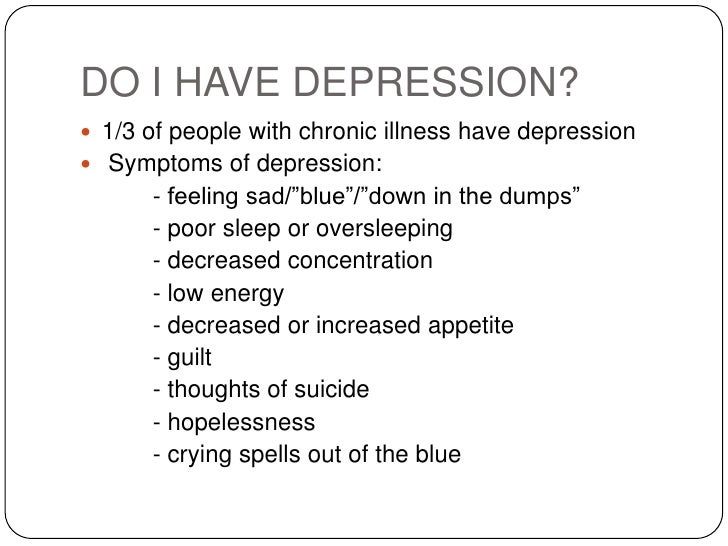
I want the words, "mental illness" to not hold a stigma, but they do. We have been taught to stay away from these words lest they conjure up a padded room, where we are fed bowls of oatmeal, under a locked door, in a straight jacket. However, there are "mental illnesses" out there that can be treated so that we do not have to go to some place like that. While the mental healthcare in our country isn't the best, it's come a long way. I suffer from anxiety and depression but I go to a psychiatrist in order to treat it. I have to take care of my mind just like I try and take care of my body, even though Gastroparesis makes it harder, like any chronic illness would.

NOTE: THIS BLOG DOES NOT SUBSTITUTE FOR A DOCTOR. PLEASE, IF YOU ARE HAVING ANY DEPRESSION, ANXIETY, AND OTHER MENTAL HEALTH CONCERNS, PLEASE SEE YOUR DOCTOR ASAP! THIS IS SERIOUS AND IT'S GOOD TO HAVE AN OUTSIDE OF THE FAMILY, WHOM IS UNBIASED, AND WILL HELP YOU. AGAIN, WE ARE NOT DOCTORS SO PLEASE CHECK WITH THEM FOR ANY MEDICAL QUESTIONS YOU MAY HAVE OR IDEAS YOU MAY HAVE FROM THIS BLOG.

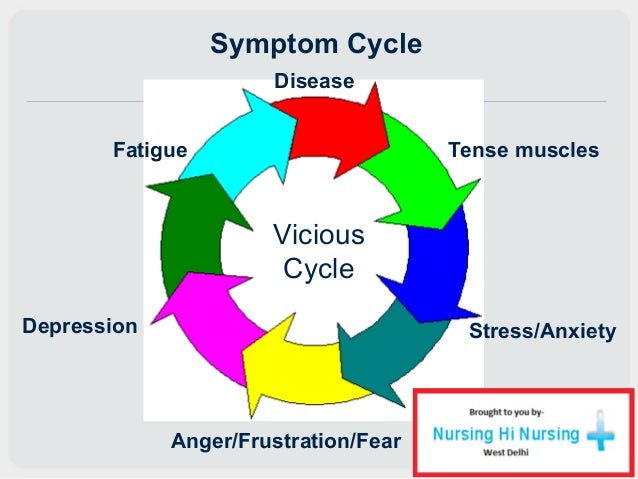
When you have a chronic illness, it can be isolating, depressing, and cause anxiety. I wrote about this in January 2017, and here is Part One of this article if you would like to read it before you delve into this one:

http://www.emilysstomach.com/2017/01/mental-health-and-gastroparesis-part-1.html


Image Source: HERE


Anxiety and/or Depression with A Chronic Illness

I apologize for taking an entire year to write a part two to this article. I, myself, have had a rough year like everyone else seemed to in the GP Community. I lost A LOT of friends last year in my support groups, people I started support groups with, and people I talked to regularly. I logged into Facebook this morning to check on my groups, as I've been sick with pneumonia on top of Gastroparesis for the past week and a half (before that, my husband and I were passing a respiratory virus back and forth) and found another one of my friends had died. She was someone I've known since I first started advocating for Gastroparesis. She was apart of the handful of women who helped start Gastroparesis support groups and build up the Gastroparesis Community. I wanted to dedicated this article to her, and the other friends I've lost. Last year, we lost 48 people.


Image Source: HERE


This year, so far, I think the total is eight people. It's heartbreaking. We need better treatments. Having invasive "treatments" like feeding tubes, which can cause infections and worse, and then on the other end of the spectrum, medicine like Reglan, which can lead to irreversible, neurological disorders. We need medication to help our stomachs, to keep them from cramping so badly, to help them contract. Most of all, we need doctors to not only acknowledge our pain, but the depression and anxiety that comes with having a chronic illness. So, I am going to focus on mental health and how to get help


Image Source:CDC


I have noticed, and it seems like more and more lately, that people are comparing chronic illness to other chronic illnesses. This is something that I never really understood. I mean, if you have a chronic illness and I have a chronic illness, why compare them? Don't we both have chronic illnesses? Why does one have to be worse than the other one when they are both miserable in similar ways? No, they may not be the exact same illnesses, but we have a lot in common. We should lift each other up and support one another, not diminish each other's plights. Plus, the stress of having people tell you that your illness is not as bad as other illnesses, which seems worse to me if you are told that by a family member and/or support groups, and that hurts.

For example, a friend of someone in my family wrote on my Facebook post (I was upset because I had been throwing up all day), "At least you don't have cancer." No, I do not have cancer but I have watched my family members and good friends die from cancer. That was a horrible thing to say! Gastroparesis may not be cancer, but complications of it have killed my friends. It just makes people, like us, feel worse and that can set off flares of our Gastroparesis, but I call them, "Attacks," because it feels like my body is waging war on itself.


Image Source: On the Image


That made me feel so much worse, physically, but definitely worse mentally. I see a psychiatrist, and I've been seeing him since 2004. I do this because mental health is important too, not just physical health. I want to make sure I can talk to someone and to get the help I need. I have severe anxiety and really bad social anxiety. That stems from my Gastroparesis. Most of my friends are sympathetic vomiters, and I vomit A LOT, so I'm scared to go to social functions, and scared I might cause a vomiting conga line.


The Brain in Your Gut (90% of serotonin in made here): http://www.emilysstomach.com/2017/09/the-brain-in-your-gut.html

Suicide and Chronic Illness: http://www.emilysstomach.com/2014/10/sucide-and-chronic-illness.html

When Telling Someone They Look Great Becomes an Insult: http://www.emilysstomach.com/2013/01/when-telling-someone-they-look-great.html


Image Source: HERE


Staying Positive When You are Stressed and/Depressed

**NOTE I am not a doctor. If you are depressed and/or suffer from anxiety, please talk to your doctor. They can help you further. This article is just suggestions and advice if you are going through a difficult situation, it does not get rid of or substitute for a doctor's care and advice**

I have written on this subject in different ways. Here are articles I have written in the past that I wanted to share before I start this article:

SUICIDE AND CHRONIC ILLNESS.

THE GRIEVING PROCESS FOR A CHRONIC ILLNESS AND HOW TO OVERCOME IT.

HOW TO STAY POSITIVE, ESPECIALLY IN DIFFICULT SITUATIONS.

LOSING A LOVED ONE TO CHRONIC ILLNESS AND HANDLING GRIEF.

SLEEP DEPRIVATION'S EFFECTS ON THE BRAIN.

FEELING GOOD EVEN WHEN YOU'RE FEELING DOWN.

SEVERE EMOTIONAL AND PHYSICAL PAIN.

ISOLATION AND SADNESS.


Source Image: HERE


Chronic Illness and Depression

**AUTHOR'S NOTE:** First and Foremost, depression isn't as simple as just be happy. It runs deep and it's hard to stay positive or enjoy the things you love. I've been struggling with depression for the past year. I find that I'm having more and more trouble sleeping at night, so not only am I depressed, but sleep deprived and exhausted. That will definitely NOT help a mental state in any way. As a matter of fact, it makes depression worse.


I have said things to friends on Facebook that might have been misconstrued because it's hard to convey tone over the Internet and also, because I may have worded it wrong (again, not trying to make excuses, I own up to when I make a mistake) because vomiting for the past forty-eight hours with no sleep, tends to effect the way you word things. Additionally, being chronically ill on top of that, plus a death in the family, not to mention another death five months ago, plus cyber bullies, mean comments on posts, and me being scared to log into Facebook because I don't know what the next horrible thing is going to be. This has really taken it's toll on me.


I know that I need to call my doctor tomorrow, and I will, but until then, I wanted to take all of this negativity and use it to create something positive. I'm human, and I make mistakes (probably more so lately because everything just happened at once, and it's A LOT to handle) and I am not perfect. I ask that you be patient with me, as I am trying to do my best.


I am so sorry to those of you I may have offended, and I hope in your heart, you can forgive me. I did not mean to come across as mean, as uncaring, and that I care about group numbers, page likes, or blog views than the GPers themselves; That is NOT true at all! Far from it! All I have ever wanted to do was spread awareness and help people. If I could just help one person, then all of this was worth it. I don't want people to think I value numbers over their well being.


I've never been that type of person and I don't want to come across that way. I deeply care about the GP Community and do my best to contribute with positive, educational, and articles, to try and contribute a little bit to the community to let people know they're not alone. The strongest words I can offer are "I believe you." If I can touch one person to help them or make them laugh, make them forget about the awfulness for a moment, then I feel like I have helped some. I'm just really depressed and down lately because I feel like the GP Community does not want me involved with them. Furthermore, I have panic attacks when I go to log in now, because like I said previously, I don't know what awful thing I'll have to face when I do log in. I'm exhausted, stressed, and have cried more in the past few months than I have in the past two years. I just feel lost and alone. The isolation is also not good for me but I don't feel well enough to do anything since I'm recovering from the worst flare I've had since 2012 (not saying I've never dealt with bad flares before but this one has been worse than most). The last time I was this sick, I was hospitalized for eight days and diagnosed with Gastroparesis. I just feel helpless and hopeless. I feel like all of my positivity went out of the window in the past few months. Not only do I have to deal with bad things in my personal life, but on Facebook now as well. I'm just not sure what to do anymore. The drama that's on Facebook has constantly been linked to me. I've been the subject of it but I've never started drama for the sake of starting drama (why would I want to tear down a community I helped to build). Since I am the subject of drama from different groups and different people, and the fact it keeps happening, makes people and organizations to take a step back and they tell me that I can't write for them anymore or do certain things because of all of the drama. That hurts more than anything. I can take attacks on me but they've started to effect the things I loved to do...and I'm not sure I can ever fix it. I will be honest, since it keeps happening, and I am the common denominator in all of it (you can check, I've never said a bad word publicly about anyone who has attacked me or the organizations who do not want any part of this mess. I can't blame them, really. Their organization comes first. But it's turned into a pattern now, so maybe it is me. I guess they want me off of Facebook. I just don't know how I can make this right. Maybe I can never make this right. What's done is done, and I feel like because of that, my happiness is in ashes and it feels like my soul has been crushed. I'm not over exaggerating, this is how I really feel. There has to be something wrong with me, because even though they're victim blaming, it's happening over and over again.


According to the World Journal of Gastroenterology,


Image Source: At Top


According to U.S. Pharmacist,

"A New Approach to Managing Gastroparesis

Manouchehr Saljoughian, PharmD, PhD
Department of Pharmacy
Alta Bates Summit Medical Center
Berkeley, California


US Pharm. 2019;44(2):32-34.


Gastroparesis is a chronic disorder that affects a significant subset of the population. Ordinarily, strong muscular contractions move food through the digestive tract. In gastroparesis, this mechanism is disrupted, and undigested food stays in the abdomen for a long time and makes a person feel nauseous with the urge to vomit. Gastroparesis can also cause a lack of appetite, which may lead to malnutrition, and patients who are not eating can expect discomfort, bloating, and heartburn.1

The pathophysiology behind gastroparesis is varied and depends on disease etiology. Vagal and/or autonomic neuropathy play an important role in the development of diabetic gastroparesis, and it is estimated to occur in up to 20% to 40% of patients with diabetes. Gastroparesis can cause problems with blood sugar levels and nutrition. Sometimes, it is a complication of diabetes, and some people may develop gastroparesis after surgery. Although there is no cure for gastroparesis, changes to the diet, along with medication, can offer some relief.1,2

Certain medications, such as some antidepressants, opioid pain relievers, and high blood pressure and allergy medications, can lead to slow gastric emptying and cause similar symptoms. For people who already have gastroparesis, these medications may make their condition worse. Women are more likely to develop gastroparesis than men, and it is reported that many people with gastroparesis do not have any noticeable signs or symptoms.1 In this article, we briefly review the symptoms, causes, complications, and management of gastroparesis.


Symptoms

Signs and symptoms of gastroparesis include a feeling of fullness after eating just a few bites, vomiting undigested food eaten a few hours earlier, acid reflux, abdominal bloating, abdominal pain, changes in blood sugar levels, lack of appetite, and weight loss.3
Causes and Risk Factors

There are several risk factors that are considered to play a role in the condition’s cause, such as vagus-nerve damage. The vagus nerve is the longest cranial nerve in the body and is responsible for many functions. It is especially essential for proper operation of the digestive tract. If the vagus nerve is damaged, transfer of food from the abdomen to the small intestine is reduced because the muscles will not operate properly.4

Type 1 and type 2 diabetes are known to damage the vagus nerve. Some autoimmune diseases and virus infections (e.g., HIV) are also believed to have a negative impact on the vagus nerve. In certain cases, the vagus nerve stops working properly due to drinking excessive alcohol. Surgical complications could also affect the vagus nerve.4

Other factors that can increase the risk of gastroparesis include abdominal or esophageal surgery, infection (usually a virus), certain medications that slow the rate of stomach emptying (such as narcotic pain medications), nervous system diseases (such as Parkinson’s disease or multiple sclerosis) and hypothyroidism.4 Complications resulting from gastroparesis are shown in TABLE 1.

Treatment of gastroparesis depends on the cause, the severity of symptoms and complications, and how well patients respond to different treatments. As a result, the main goals of treatment for gastroparesis are alleviation of symptoms, correction of malnutrition, and resumption of adequate oral intake of liquids and solids. Patients with severe nausea and vomiting might require hospitalization for IV fluid and electrolyte replacement, and IV-administered prokinetic and/or antiemetic drugs might be needed initially.5

Sometimes, treating the cause may stop the problem. If diabetes is causing gastroparesis, patients must control their blood glucose levels. Acute hyperglycemia may impair gastric motor function as well as inhibit the action of prokinetic drugs, such as erythromycin. In patients with type 1 diabetes, gastroparesis can be an indication for insulin-pump therapy.5

Most physicians recommend that patients have a low-fat and low-fiber diet, eat smaller portions frequently during the day, chew food properly, eat well-cooked food, avoid alcohol and carbonated water, and drink plenty of water.


Medication Therapy

Initial management of gastroparesis consists of dietary modification, optimization of glycemic control and hydration, and in patients with continued symptoms, pharmacologic therapy with prokinetics and antiemetics.

Metoclopramide: This first-line therapy for gastroparesis is a dopamine 2 receptor antagonist, a 5-HT4 agonist, and a weak 5-HT3 receptor antagonist. It improves gastric emptying by enhancing gastric antral contractions and decreasing postprandial fundus relaxation.6

Metoclopramide is also used short-term to treat heartburn caused by gastroesophageal reflux in people who have used other medications without symptom relief. Dosage is 10 mg to 15 mg orally up to four times a day, 30 minutes before each meal and at bedtime. Depending upon symptoms being treated and clinical response, dosage will be different. It is commonly used to treat and prevent nausea and vomiting.6

Erythromycin: This macrolide antibiotic has been available since the 1950s. It is rarely used as an antibiotic today and is primarily prescribed for its “prokinetic” effect on the gastrointestinal (GI) tract. It has been used successfully off-label for the treatment of gastroparesis and other GI hypomotility disorders. When erythromycin was used as an antibiotic, patients often complained that it caused abdominal pain. Researchers eventually determined that erythromycin stimulates motilin receptors in the GI tract. Motilin receptors stimulate GI contractions and result in increased GI motility. This medicine also increases stomach-muscle contraction and may improve gastric emptying.7

Both oral and IV erythromycin have been used for its prokinetic effect. The IV form is generally reserved for acute conditions. The oral form is usually given in lower dosages than required for antibiotic effects (i.e., 150 mg-250 mg orally 3 to 4 times a day given 30 minutes before a meal). The oral form has been shown to work rapidly and can be substituted when the IV form is unavailable.7

Domperidone: This medication is used to treat nausea and vomiting as well as complaints of the stomach that occur with delayed emptying. It is used in patients whose symptoms fail to respond to metoclopramide or with side effects to metoclopramide. Domperidone is a dopamine 2 antagonist and is available for use only under a special program administered by the FDA. Each film-coated tablet contains 10-mg domperidone base. It should be taken 15 to 30 minutes before meals and, if necessary, before sleep. If taken after meals, absorption is somewhat delayed. Domperidone is taken by adults and adolescents aged 12 years or older.8

Cisapride: This 5-HT4 agonist stimulates antral and duodenal motility and accelerates gastric emptying of solids and liquids, which, in open-label trials, has been maintained for up to 1 year. Although cisapride is better tolerated than metoclopramide, its use has been associated with important drug interactions with medications metabolized by the cytochrome P450-3A4 isoenzyme (e.g., macrolide antibiotics, antifungals, and phenothiazines), resulting in cardiac arrhythmias. In the United States, prescriptions for cisapride can only be filled through an investigational limited-access program from the manufacturer after providing documentation as to the patient’s need for cisapride and assessment of risk factors for cardiac arrhythmias (e.g., a QTc >450 ms).9

Antiemetics: Antiemetics are medicines that help relieve nausea and vomiting. Prescription antiemetics include ondansetron, prochlorperazine, and promethazine. Over-the-counter antiemetic medications include bismuth subsaliclate and diphenhydramine. Antiemetics do not improve gastric emptying. In addition, they have not been studied in the management of patients with gastroparesis, and their use in gastroparesis is based on their efficacy in controlling nonspecific nausea and vomiting and in chemotherapy-induced emesis. Diphenhydramine 12.5 mg to 25 mg is given orally or IV every 6 to 8 hours as needed and in patients with persistent symptoms. Ondansetron, a 5-HT3 antagonist, is given 4 mg to 8 mg orally three times daily. Prolongation of the QT interval and central side effects have limited the use of phenothiazines, such as prochlorperazine, to patients who remain symptomatic despite antihistamines and 5-HT3 antagonists.1,4,10

Tricyclic Antidepressants: Low-dose nortriptyline, a tricyclic antidepressant with low anticholinergic effects, has been demonstrated to decrease symptoms of nausea, vomiting, and abdominal pain in patients with diabetic and idiopathic gastroparesis. Certain antidepressants, such as mirtazapine, may help relieve nausea and vomiting. These medicines may not improve gastric emptying.11

Pain Medicines: Pain medicines that are not narcotic may reduce pain in the abdomen due to gastroparesis.

Gastric Electrical Stimulation: This procedure may be considered for compassionate treatment in patients with refractory symptoms, particularly nausea and vomiting with persisting symptoms despite antiemetic and prokinetic drug therapy for at least 1 year. Gastric electrical stimulation has been demonstrated to improve symptom severity and gastric emptying in patients with diabetes but not idiopathic or postsurgical gastroparesis. In the U.S., the gastric electrical neurostimulator has been approved as a humanitarian exemption device for diabetic and idiopathic gastroparesis.12


REFERENCES

1. Camilleri M, Parkman HP, Shafi MA, et al. Clinical guideline: management of gastroparesis. Am J Gastroenterol. 2013;108:18-37.
2. Wytiaz V, Homko C, Duffy F, et al. Foods provoking and alleviating symptoms in gastroparesis: patient experiences. Dig Dis Sci. 2015;60:1052-1058.
3. Homko CJ, Duffy F, Friedenberg FK, et al. Effect of dietary fat and food consistency on gastroparesis symptoms in patients with gastroparesis. Neurogastroenterol Motil. 2015;27:501-508.
4. Type 2 diabetes and gastroparesis. www.healthline.com/health/type-2-diabetes/gastroparesis. Accessed August 2018.
5. Parkman HP, Yates KP, Hasler WL, et al. Dietary intake and nutritional deficiencies in patients with diabetic or idiopathic gastroparesis. Gastroenterology. 2011;141:486-498.
6. Rao AS, Camilleri M. Review article: metoclopramide and tardive dyskinesia. Aliment Pharmacol Ther. 2010;31:11-19.
7. Maganti K, Onyemere K, Jones MP. Oral erythromycin and symptomatic relief of gastroparesis: a systematic review. Am J Gastroenterol. 2003;98:259-263.
8. Sugumar A, Singh A, Pasricha PJ. A systematic review of the efficacy of domperidone for the treatment of diabetic gastroparesis. Clin Gastroenterol Hepatol. 2008;6:726-733.
9. Abell TL, Camilleri M, DiMagno EP, et al. Long-term efficacy of oral cisapride in symptomatic upper gut dysmotility. Dig Dis Sci. 1991;36:616-620.
10. Youssef AS, Parkman HP, Nagar S. Drug-drug interactions in pharmacologic management of gastroparesis. Neurogastroenterol Motil. 2015;27:1528-1541.
11. Prakash C, Lustman PJ, Freedland KE, Clouse RE. Tricyclic antidepressants for functional nausea and vomiting: clinical outcome in 37 patients. Dig Dis Sci. 1998;43:1951-1956.
12. Heckert J, Sankineni A, Hughes WB, et al. Gastric electric stimulation for refractory gastroparesis: a prospective analysis of 151 patients at a single center. Dig Dis Sci. 2016;61:168-175.
To comment on this article, contact rdavidson@uspharmcist.co
Read More On: GASTROENTEROLOGY"