I want the words, "mental illness" to not hold a stigma, but they do. We have been taught to stay away from these words lest they conjure up a padded room, where we are fed bowls of oatmeal, under a locked door, in a straight jacket. However, there are "mental illnesses" out there that can be treated so that we do not have to go to some place like that. While the mental healthcare in our country isn't the best, it's come a long way. I suffer from anxiety and depression but I go to a psychiatrist in order to treat it. I have to take care of my mind just like I try and take care of my body, even though Gastroparesis makes it harder, like any chronic illness would.
NOTE: THIS BLOG DOES NOT SUBSTITUTE FOR A DOCTOR. PLEASE, IF YOU ARE HAVING ANY DEPRESSION, ANXIETY, AND OTHER MENTAL HEALTH CONCERNS, PLEASE SEE YOUR DOCTOR ASAP! THIS IS SERIOUS AND IT'S GOOD TO HAVE AN OUTSIDE OF THE FAMILY, WHOM IS UNBIASED, AND WILL HELP YOU. AGAIN, WE ARE NOT DOCTORS SO PLEASE CHECK WITH THEM FOR ANY MEDICAL QUESTIONS YOU MAY HAVE OR IDEAS YOU MAY HAVE FROM THIS BLOG.
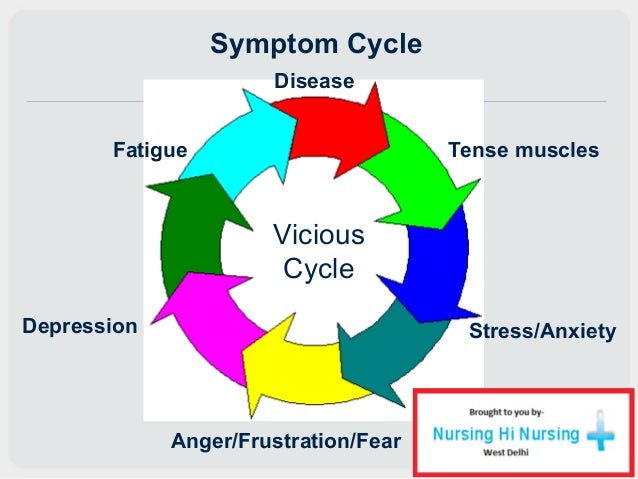
When you have a chronic illness, it can be isolating, depressing, and cause anxiety. I wrote about this in January 2017, and here is Part One of this article if you would like to read it before you delve into this one:
http://www.emilysstomach.com/2017/01/mental-health-and-gastroparesis-part-1.html
 Image Source: HERE
Anxiety and/or Depression with A Chronic Illness
I apologize for taking an entire year to write a part two to this article. I, myself, have had a rough year like everyone else seemed to in the GP Community. I lost A LOT of friends last year in my support groups, people I started support groups with, and people I talked to regularly. I logged into Facebook this morning to check on my groups, as I've been sick with pneumonia on top of Gastroparesis for the past week and a half (before that, my husband and I were passing a respiratory virus back and forth) and found another one of my friends had died. She was someone I've known since I first started advocating for Gastroparesis. She was apart of the handful of women who helped start Gastroparesis support groups and build up the Gastroparesis Community. I wanted to dedicated this article to her, and the other friends I've lost. Last year, we lost 48 people.
 Image Source: HERE
This year, so far, I think the total is eight people. It's heartbreaking. We need better treatments. Having invasive "treatments" like feeding tubes, which can cause infections and worse, and then on the other end of the spectrum, medicine like Reglan, which can lead to irreversible, neurological disorders. We need medication to help our stomachs, to keep them from cramping so badly, to help them contract. Most of all, we need doctors to not only acknowledge our pain, but the depression and anxiety that comes with having a chronic illness. So, I am going to focus on mental health and how to get help


 Image Source:CDC
I have noticed, and it seems like more and more lately, that people are comparing chronic illness to other chronic illnesses. This is something that I never really understood. I mean, if you have a chronic illness and I have a chronic illness, why compare them? Don't we both have chronic illnesses? Why does one have to be worse than the other one when they are both miserable in similar ways? No, they may not be the exact same illnesses, but we have a lot in common. We should lift each other up and support one another, not diminish each other's plights. Plus, the stress of having people tell you that your illness is not as bad as other illnesses, which seems worse to me if you are told that by a family member and/or support groups, and that hurts.
For example, a friend of someone in my family wrote on my Facebook post (I was upset because I had been throwing up all day), "At least you don't have cancer." No, I do not have cancer but I have watched my family members and good friends die from cancer. That was a horrible thing to say! Gastroparesis may not be cancer, but complications of it have killed my friends. It just makes people, like us, feel worse and that can set off flares of our Gastroparesis, but I call them, "Attacks," because it feels like my body is waging war on itself.
 Image Source: On the Image
That made me feel so much worse, physically, but definitely worse mentally. I see a psychiatrist, and I've been seeing him since 2004. I do this because mental health is important too, not just physical health. I want to make sure I can talk to someone and to get the help I need. I have severe anxiety and really bad social anxiety. That stems from my Gastroparesis. Most of my friends are sympathetic vomiters, and I vomit A LOT, so I'm scared to go to social functions, and scared I might cause a vomiting conga line.
The Brain in Your Gut (90% of serotonin in made here): http://www.emilysstomach.com/2017/09/the-brain-in-your-gut.html
Suicide and Chronic Illness: http://www.emilysstomach.com/2014/10/sucide-and-chronic-illness.html
When Telling Someone They Look Great Becomes an Insult: http://www.emilysstomach.com/2013/01/when-telling-someone-they-look-great.html
 Image Source: HERE
Staying Positive When You are Stressed and/Depressed
**NOTE I am not a doctor. If you are depressed and/or suffer from anxiety, please talk to your doctor. They can help you further. This article is just suggestions and advice if you are going through a difficult situation, it does not get rid of or substitute for a doctor's care and advice**
I have written on this subject in different ways. Here are articles I have written in the past that I wanted to share before I start this article:
SUICIDE AND CHRONIC ILLNESS.
THE GRIEVING PROCESS FOR A CHRONIC ILLNESS AND HOW TO OVERCOME IT.
HOW TO STAY POSITIVE, ESPECIALLY IN DIFFICULT SITUATIONS.
LOSING A LOVED ONE TO CHRONIC ILLNESS AND HANDLING GRIEF.
SLEEP DEPRIVATION'S EFFECTS ON THE BRAIN.
FEELING GOOD EVEN WHEN YOU'RE FEELING DOWN.
SEVERE EMOTIONAL AND PHYSICAL PAIN.
ISOLATION AND SADNESS.
 Source Image: HERE
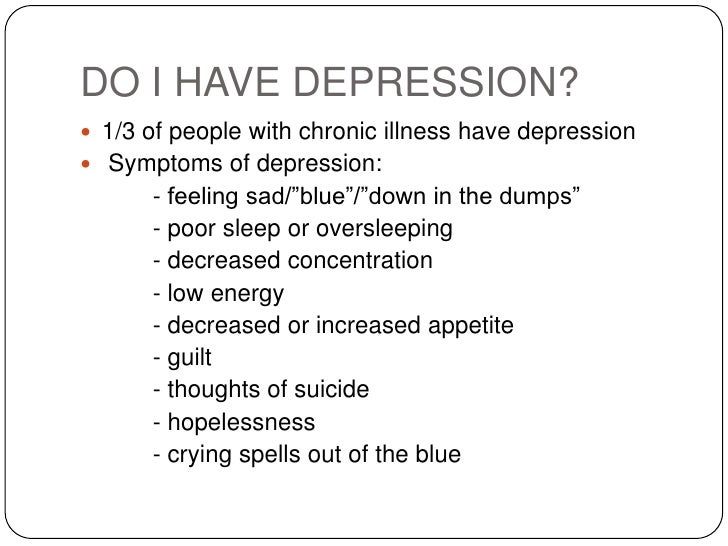
Chronic Illness and Depression
**AUTHOR'S NOTE:** First and Foremost, depression isn't as simple as just be happy. It runs deep and it's hard to stay positive or enjoy the things you love. I've been struggling with depression for the past year. I find that I'm having more and more trouble sleeping at night, so not only am I depressed, but sleep deprived and exhausted. That will definitely NOT help a mental state in any way. As a matter of fact, it makes depression worse.
I have said things to friends on Facebook that might have been misconstrued because it's hard to convey tone over the Internet and also, because I may have worded it wrong (again, not trying to make excuses, I own up to when I make a mistake) because vomiting for the past forty-eight hours with no sleep, tends to effect the way you word things. Additionally, being chronically ill on top of that, plus a death in the family, not to mention another death five months ago, plus cyber bullies, mean comments on posts, and me being scared to log into Facebook because I don't know what the next horrible thing is going to be. This has really taken it's toll on me.
I know that I need to call my doctor tomorrow, and I will, but until then, I wanted to take all of this negativity and use it to create something positive. I'm human, and I make mistakes (probably more so lately because everything just happened at once, and it's A LOT to handle) and I am not perfect. I ask that you be patient with me, as I am trying to do my best.
I am so sorry to those of you I may have offended, and I hope in your heart, you can forgive me. I did not mean to come across as mean, as uncaring, and that I care about group numbers, page likes, or blog views than the GPers themselves; That is NOT true at all! Far from it! All I have ever wanted to do was spread awareness and help people. If I could just help one person, then all of this was worth it. I don't want people to think I value numbers over their well being.
I've never been that type of person and I don't want to come across that way. I deeply care about the GP Community and do my best to contribute with positive, educational, and articles, to try and contribute a little bit to the community to let people know they're not alone. The strongest words I can offer are "I believe you." If I can touch one person to help them or make them laugh, make them forget about the awfulness for a moment, then I feel like I have helped some. I'm just really depressed and down lately because I feel like the GP Community does not want me involved with them. Furthermore, I have panic attacks when I go to log in now, because like I said previously, I don't know what awful thing I'll have to face when I do log in. I'm exhausted, stressed, and have cried more in the past few months than I have in the past two years. I just feel lost and alone. The isolation is also not good for me but I don't feel well enough to do anything since I'm recovering from the worst flare I've had since 2012 (not saying I've never dealt with bad flares before but this one has been worse than most). The last time I was this sick, I was hospitalized for eight days and diagnosed with Gastroparesis. I just feel helpless and hopeless. I feel like all of my positivity went out of the window in the past few months. Not only do I have to deal with bad things in my personal life, but on Facebook now as well. I'm just not sure what to do anymore. The drama that's on Facebook has constantly been linked to me. I've been the subject of it but I've never started drama for the sake of starting drama (why would I want to tear down a community I helped to build). Since I am the subject of drama from different groups and different people, and the fact it keeps happening, makes people and organizations to take a step back and they tell me that I can't write for them anymore or do certain things because of all of the drama. That hurts more than anything. I can take attacks on me but they've started to effect the things I loved to do...and I'm not sure I can ever fix it. I will be honest, since it keeps happening, and I am the common denominator in all of it (you can check, I've never said a bad word publicly about anyone who has attacked me or the organizations who do not want any part of this mess. I can't blame them, really. Their organization comes first. But it's turned into a pattern now, so maybe it is me. I guess they want me off of Facebook. I just don't know how I can make this right. Maybe I can never make this right. What's done is done, and I feel like because of that, my happiness is in ashes and it feels like my soul has been crushed. I'm not over exaggerating, this is how I really feel. There has to be something wrong with me, because even though they're victim blaming, it's happening over and over again.
According to the World Journal of Gastroenterology,


 Image Source: At Top
According to U.S. Pharmacist,
"A New Approach to Managing Gastroparesis
Manouchehr Saljoughian, PharmD, PhD
Department of Pharmacy
Alta Bates Summit Medical Center
Berkeley, California
US Pharm. 2019;44(2):32-34.
Gastroparesis is a chronic disorder that affects a significant subset of the population. Ordinarily, strong muscular contractions move food through the digestive tract. In gastroparesis, this mechanism is disrupted, and undigested food stays in the abdomen for a long time and makes a person feel nauseous with the urge to vomit. Gastroparesis can also cause a lack of appetite, which may lead to malnutrition, and patients who are not eating can expect discomfort, bloating, and heartburn.1
The pathophysiology behind gastroparesis is varied and depends on disease etiology. Vagal and/or autonomic neuropathy play an important role in the development of diabetic gastroparesis, and it is estimated to occur in up to 20% to 40% of patients with diabetes. Gastroparesis can cause problems with blood sugar levels and nutrition. Sometimes, it is a complication of diabetes, and some people may develop gastroparesis after surgery. Although there is no cure for gastroparesis, changes to the diet, along with medication, can offer some relief.1,2
Certain medications, such as some antidepressants, opioid pain relievers, and high blood pressure and allergy medications, can lead to slow gastric emptying and cause similar symptoms. For people who already have gastroparesis, these medications may make their condition worse. Women are more likely to develop gastroparesis than men, and it is reported that many people with gastroparesis do not have any noticeable signs or symptoms.1 In this article, we briefly review the symptoms, causes, complications, and management of gastroparesis.
Symptoms
Signs and symptoms of gastroparesis include a feeling of fullness after eating just a few bites, vomiting undigested food eaten a few hours earlier, acid reflux, abdominal bloating, abdominal pain, changes in blood sugar levels, lack of appetite, and weight loss.3
Causes and Risk Factors
There are several risk factors that are considered to play a role in the condition’s cause, such as vagus-nerve damage. The vagus nerve is the longest cranial nerve in the body and is responsible for many functions. It is especially essential for proper operation of the digestive tract. If the vagus nerve is damaged, transfer of food from the abdomen to the small intestine is reduced because the muscles will not operate properly.4
Type 1 and type 2 diabetes are known to damage the vagus nerve. Some autoimmune diseases and virus infections (e.g., HIV) are also believed to have a negative impact on the vagus nerve. In certain cases, the vagus nerve stops working properly due to drinking excessive alcohol. Surgical complications could also affect the vagus nerve.4
Other factors that can increase the risk of gastroparesis include abdominal or esophageal surgery, infection (usually a virus), certain medications that slow the rate of stomach emptying (such as narcotic pain medications), nervous system diseases (such as Parkinson’s disease or multiple sclerosis) and hypothyroidism.4 Complications resulting from gastroparesis are shown in TABLE 1.
Treatment of gastroparesis depends on the cause, the severity of symptoms and complications, and how well patients respond to different treatments. As a result, the main goals of treatment for gastroparesis are alleviation of symptoms, correction of malnutrition, and resumption of adequate oral intake of liquids and solids. Patients with severe nausea and vomiting might require hospitalization for IV fluid and electrolyte replacement, and IV-administered prokinetic and/or antiemetic drugs might be needed initially.5
Sometimes, treating the cause may stop the problem. If diabetes is causing gastroparesis, patients must control their blood glucose levels. Acute hyperglycemia may impair gastric motor function as well as inhibit the action of prokinetic drugs, such as erythromycin. In patients with type 1 diabetes, gastroparesis can be an indication for insulin-pump therapy.5
Most physicians recommend that patients have a low-fat and low-fiber diet, eat smaller portions frequently during the day, chew food properly, eat well-cooked food, avoid alcohol and carbonated water, and drink plenty of water.
Medication Therapy
Initial management of gastroparesis consists of dietary modification, optimization of glycemic control and hydration, and in patients with continued symptoms, pharmacologic therapy with prokinetics and antiemetics.
Metoclopramide: This first-line therapy for gastroparesis is a dopamine 2 receptor antagonist, a 5-HT4 agonist, and a weak 5-HT3 receptor antagonist. It improves gastric emptying by enhancing gastric antral contractions and decreasing postprandial fundus relaxation.6
Metoclopramide is also used short-term to treat heartburn caused by gastroesophageal reflux in people who have used other medications without symptom relief. Dosage is 10 mg to 15 mg orally up to four times a day, 30 minutes before each meal and at bedtime. Depending upon symptoms being treated and clinical response, dosage will be different. It is commonly used to treat and prevent nausea and vomiting.6
Erythromycin: This macrolide antibiotic has been available since the 1950s. It is rarely used as an antibiotic today and is primarily prescribed for its “prokinetic” effect on the gastrointestinal (GI) tract. It has been used successfully off-label for the treatment of gastroparesis and other GI hypomotility disorders. When erythromycin was used as an antibiotic, patients often complained that it caused abdominal pain. Researchers eventually determined that erythromycin stimulates motilin receptors in the GI tract. Motilin receptors stimulate GI contractions and result in increased GI motility. This medicine also increases stomach-muscle contraction and may improve gastric emptying.7
Both oral and IV erythromycin have been used for its prokinetic effect. The IV form is generally reserved for acute conditions. The oral form is usually given in lower dosages than required for antibiotic effects (i.e., 150 mg-250 mg orally 3 to 4 times a day given 30 minutes before a meal). The oral form has been shown to work rapidly and can be substituted when the IV form is unavailable.7
Domperidone: This medication is used to treat nausea and vomiting as well as complaints of the stomach that occur with delayed emptying. It is used in patients whose symptoms fail to respond to metoclopramide or with side effects to metoclopramide. Domperidone is a dopamine 2 antagonist and is available for use only under a special program administered by the FDA. Each film-coated tablet contains 10-mg domperidone base. It should be taken 15 to 30 minutes before meals and, if necessary, before sleep. If taken after meals, absorption is somewhat delayed. Domperidone is taken by adults and adolescents aged 12 years or older.8
Cisapride: This 5-HT4 agonist stimulates antral and duodenal motility and accelerates gastric emptying of solids and liquids, which, in open-label trials, has been maintained for up to 1 year. Although cisapride is better tolerated than metoclopramide, its use has been associated with important drug interactions with medications metabolized by the cytochrome P450-3A4 isoenzyme (e.g., macrolide antibiotics, antifungals, and phenothiazines), resulting in cardiac arrhythmias. In the United States, prescriptions for cisapride can only be filled through an investigational limited-access program from the manufacturer after providing documentation as to the patient’s need for cisapride and assessment of risk factors for cardiac arrhythmias (e.g., a QTc >450 ms).9
Antiemetics: Antiemetics are medicines that help relieve nausea and vomiting. Prescription antiemetics include ondansetron, prochlorperazine, and promethazine. Over-the-counter antiemetic medications include bismuth subsaliclate and diphenhydramine. Antiemetics do not improve gastric emptying. In addition, they have not been studied in the management of patients with gastroparesis, and their use in gastroparesis is based on their efficacy in controlling nonspecific nausea and vomiting and in chemotherapy-induced emesis. Diphenhydramine 12.5 mg to 25 mg is given orally or IV every 6 to 8 hours as needed and in patients with persistent symptoms. Ondansetron, a 5-HT3 antagonist, is given 4 mg to 8 mg orally three times daily. Prolongation of the QT interval and central side effects have limited the use of phenothiazines, such as prochlorperazine, to patients who remain symptomatic despite antihistamines and 5-HT3 antagonists.1,4,10
Tricyclic Antidepressants: Low-dose nortriptyline, a tricyclic antidepressant with low anticholinergic effects, has been demonstrated to decrease symptoms of nausea, vomiting, and abdominal pain in patients with diabetic and idiopathic gastroparesis. Certain antidepressants, such as mirtazapine, may help relieve nausea and vomiting. These medicines may not improve gastric emptying.11
Pain Medicines: Pain medicines that are not narcotic may reduce pain in the abdomen due to gastroparesis.
Gastric Electrical Stimulation: This procedure may be considered for compassionate treatment in patients with refractory symptoms, particularly nausea and vomiting with persisting symptoms despite antiemetic and prokinetic drug therapy for at least 1 year. Gastric electrical stimulation has been demonstrated to improve symptom severity and gastric emptying in patients with diabetes but not idiopathic or postsurgical gastroparesis. In the U.S., the gastric electrical neurostimulator has been approved as a humanitarian exemption device for diabetic and idiopathic gastroparesis.12
REFERENCES
1. Camilleri M, Parkman HP, Shafi MA, et al. Clinical guideline: management of gastroparesis. Am J Gastroenterol. 2013;108:18-37.
2. Wytiaz V, Homko C, Duffy F, et al. Foods provoking and alleviating symptoms in gastroparesis: patient experiences. Dig Dis Sci. 2015;60:1052-1058.
3. Homko CJ, Duffy F, Friedenberg FK, et al. Effect of dietary fat and food consistency on gastroparesis symptoms in patients with gastroparesis. Neurogastroenterol Motil. 2015;27:501-508.
4. Type 2 diabetes and gastroparesis. www.healthline.com/health/type-2-diabetes/gastroparesis. Accessed August 2018.
5. Parkman HP, Yates KP, Hasler WL, et al. Dietary intake and nutritional deficiencies in patients with diabetic or idiopathic gastroparesis. Gastroenterology. 2011;141:486-498.
6. Rao AS, Camilleri M. Review article: metoclopramide and tardive dyskinesia. Aliment Pharmacol Ther. 2010;31:11-19.
7. Maganti K, Onyemere K, Jones MP. Oral erythromycin and symptomatic relief of gastroparesis: a systematic review. Am J Gastroenterol. 2003;98:259-263.
8. Sugumar A, Singh A, Pasricha PJ. A systematic review of the efficacy of domperidone for the treatment of diabetic gastroparesis. Clin Gastroenterol Hepatol. 2008;6:726-733.
9. Abell TL, Camilleri M, DiMagno EP, et al. Long-term efficacy of oral cisapride in symptomatic upper gut dysmotility. Dig Dis Sci. 1991;36:616-620.
10. Youssef AS, Parkman HP, Nagar S. Drug-drug interactions in pharmacologic management of gastroparesis. Neurogastroenterol Motil. 2015;27:1528-1541.
11. Prakash C, Lustman PJ, Freedland KE, Clouse RE. Tricyclic antidepressants for functional nausea and vomiting: clinical outcome in 37 patients. Dig Dis Sci. 1998;43:1951-1956.
12. Heckert J, Sankineni A, Hughes WB, et al. Gastric electric stimulation for refractory gastroparesis: a prospective analysis of 151 patients at a single center. Dig Dis Sci. 2016;61:168-175.
To comment on this article, contact rdavidson@uspharmcist.co
Read More On: GASTROENTEROLOGY"
NOTE: THIS BLOG DOES NOT SUBSTITUTE FOR A DOCTOR. PLEASE, IF YOU ARE HAVING ANY DEPRESSION, ANXIETY, AND OTHER MENTAL HEALTH CONCERNS, PLEASE SEE YOUR DOCTOR ASAP! THIS IS SERIOUS AND IT'S GOOD TO HAVE AN OUTSIDE OF THE FAMILY, WHOM IS UNBIASED, AND WILL HELP YOU. AGAIN, WE ARE NOT DOCTORS SO PLEASE CHECK WITH THEM FOR ANY MEDICAL QUESTIONS YOU MAY HAVE OR IDEAS YOU MAY HAVE FROM THIS BLOG.
When you have a chronic illness, it can be isolating, depressing, and cause anxiety. I wrote about this in January 2017, and here is Part One of this article if you would like to read it before you delve into this one:
http://www.emilysstomach.com/2017/01/mental-health-and-gastroparesis-part-1.html

Anxiety and/or Depression with A Chronic Illness
I apologize for taking an entire year to write a part two to this article. I, myself, have had a rough year like everyone else seemed to in the GP Community. I lost A LOT of friends last year in my support groups, people I started support groups with, and people I talked to regularly. I logged into Facebook this morning to check on my groups, as I've been sick with pneumonia on top of Gastroparesis for the past week and a half (before that, my husband and I were passing a respiratory virus back and forth) and found another one of my friends had died. She was someone I've known since I first started advocating for Gastroparesis. She was apart of the handful of women who helped start Gastroparesis support groups and build up the Gastroparesis Community. I wanted to dedicated this article to her, and the other friends I've lost. Last year, we lost 48 people.

This year, so far, I think the total is eight people. It's heartbreaking. We need better treatments. Having invasive "treatments" like feeding tubes, which can cause infections and worse, and then on the other end of the spectrum, medicine like Reglan, which can lead to irreversible, neurological disorders. We need medication to help our stomachs, to keep them from cramping so badly, to help them contract. Most of all, we need doctors to not only acknowledge our pain, but the depression and anxiety that comes with having a chronic illness. So, I am going to focus on mental health and how to get help


I have noticed, and it seems like more and more lately, that people are comparing chronic illness to other chronic illnesses. This is something that I never really understood. I mean, if you have a chronic illness and I have a chronic illness, why compare them? Don't we both have chronic illnesses? Why does one have to be worse than the other one when they are both miserable in similar ways? No, they may not be the exact same illnesses, but we have a lot in common. We should lift each other up and support one another, not diminish each other's plights. Plus, the stress of having people tell you that your illness is not as bad as other illnesses, which seems worse to me if you are told that by a family member and/or support groups, and that hurts.
For example, a friend of someone in my family wrote on my Facebook post (I was upset because I had been throwing up all day), "At least you don't have cancer." No, I do not have cancer but I have watched my family members and good friends die from cancer. That was a horrible thing to say! Gastroparesis may not be cancer, but complications of it have killed my friends. It just makes people, like us, feel worse and that can set off flares of our Gastroparesis, but I call them, "Attacks," because it feels like my body is waging war on itself.

That made me feel so much worse, physically, but definitely worse mentally. I see a psychiatrist, and I've been seeing him since 2004. I do this because mental health is important too, not just physical health. I want to make sure I can talk to someone and to get the help I need. I have severe anxiety and really bad social anxiety. That stems from my Gastroparesis. Most of my friends are sympathetic vomiters, and I vomit A LOT, so I'm scared to go to social functions, and scared I might cause a vomiting conga line.
The Brain in Your Gut (90% of serotonin in made here): http://www.emilysstomach.com/2017/09/the-brain-in-your-gut.html
Suicide and Chronic Illness: http://www.emilysstomach.com/2014/10/sucide-and-chronic-illness.html
When Telling Someone They Look Great Becomes an Insult: http://www.emilysstomach.com/2013/01/when-telling-someone-they-look-great.html

Staying Positive When You are Stressed and/Depressed
**NOTE I am not a doctor. If you are depressed and/or suffer from anxiety, please talk to your doctor. They can help you further. This article is just suggestions and advice if you are going through a difficult situation, it does not get rid of or substitute for a doctor's care and advice**
I have written on this subject in different ways. Here are articles I have written in the past that I wanted to share before I start this article:
SUICIDE AND CHRONIC ILLNESS.
THE GRIEVING PROCESS FOR A CHRONIC ILLNESS AND HOW TO OVERCOME IT.
HOW TO STAY POSITIVE, ESPECIALLY IN DIFFICULT SITUATIONS.
LOSING A LOVED ONE TO CHRONIC ILLNESS AND HANDLING GRIEF.
SLEEP DEPRIVATION'S EFFECTS ON THE BRAIN.
FEELING GOOD EVEN WHEN YOU'RE FEELING DOWN.
SEVERE EMOTIONAL AND PHYSICAL PAIN.
ISOLATION AND SADNESS.

Chronic Illness and Depression
**AUTHOR'S NOTE:** First and Foremost, depression isn't as simple as just be happy. It runs deep and it's hard to stay positive or enjoy the things you love. I've been struggling with depression for the past year. I find that I'm having more and more trouble sleeping at night, so not only am I depressed, but sleep deprived and exhausted. That will definitely NOT help a mental state in any way. As a matter of fact, it makes depression worse.
I have said things to friends on Facebook that might have been misconstrued because it's hard to convey tone over the Internet and also, because I may have worded it wrong (again, not trying to make excuses, I own up to when I make a mistake) because vomiting for the past forty-eight hours with no sleep, tends to effect the way you word things. Additionally, being chronically ill on top of that, plus a death in the family, not to mention another death five months ago, plus cyber bullies, mean comments on posts, and me being scared to log into Facebook because I don't know what the next horrible thing is going to be. This has really taken it's toll on me.
I know that I need to call my doctor tomorrow, and I will, but until then, I wanted to take all of this negativity and use it to create something positive. I'm human, and I make mistakes (probably more so lately because everything just happened at once, and it's A LOT to handle) and I am not perfect. I ask that you be patient with me, as I am trying to do my best.
I am so sorry to those of you I may have offended, and I hope in your heart, you can forgive me. I did not mean to come across as mean, as uncaring, and that I care about group numbers, page likes, or blog views than the GPers themselves; That is NOT true at all! Far from it! All I have ever wanted to do was spread awareness and help people. If I could just help one person, then all of this was worth it. I don't want people to think I value numbers over their well being.
I've never been that type of person and I don't want to come across that way. I deeply care about the GP Community and do my best to contribute with positive, educational, and articles, to try and contribute a little bit to the community to let people know they're not alone. The strongest words I can offer are "I believe you." If I can touch one person to help them or make them laugh, make them forget about the awfulness for a moment, then I feel like I have helped some. I'm just really depressed and down lately because I feel like the GP Community does not want me involved with them. Furthermore, I have panic attacks when I go to log in now, because like I said previously, I don't know what awful thing I'll have to face when I do log in. I'm exhausted, stressed, and have cried more in the past few months than I have in the past two years. I just feel lost and alone. The isolation is also not good for me but I don't feel well enough to do anything since I'm recovering from the worst flare I've had since 2012 (not saying I've never dealt with bad flares before but this one has been worse than most). The last time I was this sick, I was hospitalized for eight days and diagnosed with Gastroparesis. I just feel helpless and hopeless. I feel like all of my positivity went out of the window in the past few months. Not only do I have to deal with bad things in my personal life, but on Facebook now as well. I'm just not sure what to do anymore. The drama that's on Facebook has constantly been linked to me. I've been the subject of it but I've never started drama for the sake of starting drama (why would I want to tear down a community I helped to build). Since I am the subject of drama from different groups and different people, and the fact it keeps happening, makes people and organizations to take a step back and they tell me that I can't write for them anymore or do certain things because of all of the drama. That hurts more than anything. I can take attacks on me but they've started to effect the things I loved to do...and I'm not sure I can ever fix it. I will be honest, since it keeps happening, and I am the common denominator in all of it (you can check, I've never said a bad word publicly about anyone who has attacked me or the organizations who do not want any part of this mess. I can't blame them, really. Their organization comes first. But it's turned into a pattern now, so maybe it is me. I guess they want me off of Facebook. I just don't know how I can make this right. Maybe I can never make this right. What's done is done, and I feel like because of that, my happiness is in ashes and it feels like my soul has been crushed. I'm not over exaggerating, this is how I really feel. There has to be something wrong with me, because even though they're victim blaming, it's happening over and over again.
According to the World Journal of Gastroenterology,


According to U.S. Pharmacist,
"A New Approach to Managing Gastroparesis
Manouchehr Saljoughian, PharmD, PhD
Department of Pharmacy
Alta Bates Summit Medical Center
Berkeley, California
US Pharm. 2019;44(2):32-34.
Gastroparesis is a chronic disorder that affects a significant subset of the population. Ordinarily, strong muscular contractions move food through the digestive tract. In gastroparesis, this mechanism is disrupted, and undigested food stays in the abdomen for a long time and makes a person feel nauseous with the urge to vomit. Gastroparesis can also cause a lack of appetite, which may lead to malnutrition, and patients who are not eating can expect discomfort, bloating, and heartburn.1
The pathophysiology behind gastroparesis is varied and depends on disease etiology. Vagal and/or autonomic neuropathy play an important role in the development of diabetic gastroparesis, and it is estimated to occur in up to 20% to 40% of patients with diabetes. Gastroparesis can cause problems with blood sugar levels and nutrition. Sometimes, it is a complication of diabetes, and some people may develop gastroparesis after surgery. Although there is no cure for gastroparesis, changes to the diet, along with medication, can offer some relief.1,2
Certain medications, such as some antidepressants, opioid pain relievers, and high blood pressure and allergy medications, can lead to slow gastric emptying and cause similar symptoms. For people who already have gastroparesis, these medications may make their condition worse. Women are more likely to develop gastroparesis than men, and it is reported that many people with gastroparesis do not have any noticeable signs or symptoms.1 In this article, we briefly review the symptoms, causes, complications, and management of gastroparesis.
Symptoms
Signs and symptoms of gastroparesis include a feeling of fullness after eating just a few bites, vomiting undigested food eaten a few hours earlier, acid reflux, abdominal bloating, abdominal pain, changes in blood sugar levels, lack of appetite, and weight loss.3
Causes and Risk Factors
There are several risk factors that are considered to play a role in the condition’s cause, such as vagus-nerve damage. The vagus nerve is the longest cranial nerve in the body and is responsible for many functions. It is especially essential for proper operation of the digestive tract. If the vagus nerve is damaged, transfer of food from the abdomen to the small intestine is reduced because the muscles will not operate properly.4
Type 1 and type 2 diabetes are known to damage the vagus nerve. Some autoimmune diseases and virus infections (e.g., HIV) are also believed to have a negative impact on the vagus nerve. In certain cases, the vagus nerve stops working properly due to drinking excessive alcohol. Surgical complications could also affect the vagus nerve.4
Other factors that can increase the risk of gastroparesis include abdominal or esophageal surgery, infection (usually a virus), certain medications that slow the rate of stomach emptying (such as narcotic pain medications), nervous system diseases (such as Parkinson’s disease or multiple sclerosis) and hypothyroidism.4 Complications resulting from gastroparesis are shown in TABLE 1.
Treatment of gastroparesis depends on the cause, the severity of symptoms and complications, and how well patients respond to different treatments. As a result, the main goals of treatment for gastroparesis are alleviation of symptoms, correction of malnutrition, and resumption of adequate oral intake of liquids and solids. Patients with severe nausea and vomiting might require hospitalization for IV fluid and electrolyte replacement, and IV-administered prokinetic and/or antiemetic drugs might be needed initially.5
Sometimes, treating the cause may stop the problem. If diabetes is causing gastroparesis, patients must control their blood glucose levels. Acute hyperglycemia may impair gastric motor function as well as inhibit the action of prokinetic drugs, such as erythromycin. In patients with type 1 diabetes, gastroparesis can be an indication for insulin-pump therapy.5
Most physicians recommend that patients have a low-fat and low-fiber diet, eat smaller portions frequently during the day, chew food properly, eat well-cooked food, avoid alcohol and carbonated water, and drink plenty of water.
Medication Therapy
Initial management of gastroparesis consists of dietary modification, optimization of glycemic control and hydration, and in patients with continued symptoms, pharmacologic therapy with prokinetics and antiemetics.
Metoclopramide: This first-line therapy for gastroparesis is a dopamine 2 receptor antagonist, a 5-HT4 agonist, and a weak 5-HT3 receptor antagonist. It improves gastric emptying by enhancing gastric antral contractions and decreasing postprandial fundus relaxation.6
Metoclopramide is also used short-term to treat heartburn caused by gastroesophageal reflux in people who have used other medications without symptom relief. Dosage is 10 mg to 15 mg orally up to four times a day, 30 minutes before each meal and at bedtime. Depending upon symptoms being treated and clinical response, dosage will be different. It is commonly used to treat and prevent nausea and vomiting.6
Erythromycin: This macrolide antibiotic has been available since the 1950s. It is rarely used as an antibiotic today and is primarily prescribed for its “prokinetic” effect on the gastrointestinal (GI) tract. It has been used successfully off-label for the treatment of gastroparesis and other GI hypomotility disorders. When erythromycin was used as an antibiotic, patients often complained that it caused abdominal pain. Researchers eventually determined that erythromycin stimulates motilin receptors in the GI tract. Motilin receptors stimulate GI contractions and result in increased GI motility. This medicine also increases stomach-muscle contraction and may improve gastric emptying.7
Both oral and IV erythromycin have been used for its prokinetic effect. The IV form is generally reserved for acute conditions. The oral form is usually given in lower dosages than required for antibiotic effects (i.e., 150 mg-250 mg orally 3 to 4 times a day given 30 minutes before a meal). The oral form has been shown to work rapidly and can be substituted when the IV form is unavailable.7
Domperidone: This medication is used to treat nausea and vomiting as well as complaints of the stomach that occur with delayed emptying. It is used in patients whose symptoms fail to respond to metoclopramide or with side effects to metoclopramide. Domperidone is a dopamine 2 antagonist and is available for use only under a special program administered by the FDA. Each film-coated tablet contains 10-mg domperidone base. It should be taken 15 to 30 minutes before meals and, if necessary, before sleep. If taken after meals, absorption is somewhat delayed. Domperidone is taken by adults and adolescents aged 12 years or older.8
Cisapride: This 5-HT4 agonist stimulates antral and duodenal motility and accelerates gastric emptying of solids and liquids, which, in open-label trials, has been maintained for up to 1 year. Although cisapride is better tolerated than metoclopramide, its use has been associated with important drug interactions with medications metabolized by the cytochrome P450-3A4 isoenzyme (e.g., macrolide antibiotics, antifungals, and phenothiazines), resulting in cardiac arrhythmias. In the United States, prescriptions for cisapride can only be filled through an investigational limited-access program from the manufacturer after providing documentation as to the patient’s need for cisapride and assessment of risk factors for cardiac arrhythmias (e.g., a QTc >450 ms).9
Antiemetics: Antiemetics are medicines that help relieve nausea and vomiting. Prescription antiemetics include ondansetron, prochlorperazine, and promethazine. Over-the-counter antiemetic medications include bismuth subsaliclate and diphenhydramine. Antiemetics do not improve gastric emptying. In addition, they have not been studied in the management of patients with gastroparesis, and their use in gastroparesis is based on their efficacy in controlling nonspecific nausea and vomiting and in chemotherapy-induced emesis. Diphenhydramine 12.5 mg to 25 mg is given orally or IV every 6 to 8 hours as needed and in patients with persistent symptoms. Ondansetron, a 5-HT3 antagonist, is given 4 mg to 8 mg orally three times daily. Prolongation of the QT interval and central side effects have limited the use of phenothiazines, such as prochlorperazine, to patients who remain symptomatic despite antihistamines and 5-HT3 antagonists.1,4,10
Tricyclic Antidepressants: Low-dose nortriptyline, a tricyclic antidepressant with low anticholinergic effects, has been demonstrated to decrease symptoms of nausea, vomiting, and abdominal pain in patients with diabetic and idiopathic gastroparesis. Certain antidepressants, such as mirtazapine, may help relieve nausea and vomiting. These medicines may not improve gastric emptying.11
Pain Medicines: Pain medicines that are not narcotic may reduce pain in the abdomen due to gastroparesis.
Gastric Electrical Stimulation: This procedure may be considered for compassionate treatment in patients with refractory symptoms, particularly nausea and vomiting with persisting symptoms despite antiemetic and prokinetic drug therapy for at least 1 year. Gastric electrical stimulation has been demonstrated to improve symptom severity and gastric emptying in patients with diabetes but not idiopathic or postsurgical gastroparesis. In the U.S., the gastric electrical neurostimulator has been approved as a humanitarian exemption device for diabetic and idiopathic gastroparesis.12
REFERENCES
1. Camilleri M, Parkman HP, Shafi MA, et al. Clinical guideline: management of gastroparesis. Am J Gastroenterol. 2013;108:18-37.
2. Wytiaz V, Homko C, Duffy F, et al. Foods provoking and alleviating symptoms in gastroparesis: patient experiences. Dig Dis Sci. 2015;60:1052-1058.
3. Homko CJ, Duffy F, Friedenberg FK, et al. Effect of dietary fat and food consistency on gastroparesis symptoms in patients with gastroparesis. Neurogastroenterol Motil. 2015;27:501-508.
4. Type 2 diabetes and gastroparesis. www.healthline.com/health/type-2-diabetes/gastroparesis. Accessed August 2018.
5. Parkman HP, Yates KP, Hasler WL, et al. Dietary intake and nutritional deficiencies in patients with diabetic or idiopathic gastroparesis. Gastroenterology. 2011;141:486-498.
6. Rao AS, Camilleri M. Review article: metoclopramide and tardive dyskinesia. Aliment Pharmacol Ther. 2010;31:11-19.
7. Maganti K, Onyemere K, Jones MP. Oral erythromycin and symptomatic relief of gastroparesis: a systematic review. Am J Gastroenterol. 2003;98:259-263.
8. Sugumar A, Singh A, Pasricha PJ. A systematic review of the efficacy of domperidone for the treatment of diabetic gastroparesis. Clin Gastroenterol Hepatol. 2008;6:726-733.
9. Abell TL, Camilleri M, DiMagno EP, et al. Long-term efficacy of oral cisapride in symptomatic upper gut dysmotility. Dig Dis Sci. 1991;36:616-620.
10. Youssef AS, Parkman HP, Nagar S. Drug-drug interactions in pharmacologic management of gastroparesis. Neurogastroenterol Motil. 2015;27:1528-1541.
11. Prakash C, Lustman PJ, Freedland KE, Clouse RE. Tricyclic antidepressants for functional nausea and vomiting: clinical outcome in 37 patients. Dig Dis Sci. 1998;43:1951-1956.
12. Heckert J, Sankineni A, Hughes WB, et al. Gastric electric stimulation for refractory gastroparesis: a prospective analysis of 151 patients at a single center. Dig Dis Sci. 2016;61:168-175.
To comment on this article, contact rdavidson@uspharmcist.co
Read More On: GASTROENTEROLOGY"