Find us on Google+ Gastroparesis

Copyright

“You agree that you will not modify, copy, reproduce, sell, or distribute any content in any manner or medium without permission."

Thursday, September 28, 2017

September is Sepsis Awareness Month

Sepsis can be sneaky and can really cause a lot of problems. A few years ago, my now ex-doctor injected my swollen knee with a cortisone injection to help with the inflammation and pain. I have Chronic Regional Pain Syndrome (information about CRPS can be found here: https://www.ninds.nih.gov/Disorders/Patient-Caregiver-Education/Fact-Sheets/Complex-Regional-Pain-Syndrome-Fact-Sheet.


Well, either the needle was a problem or the injection itself was an issue, or both, because when I arrived at home I was in a ton of pain. My knee was red, swollen more, and I could barely walk on it. I called the doctor and he told me to meet him at the Emergency Room. I remember being so scared because I did not know what was going to happen. He assessed me at the hospital and told me that I had sepsis in my knee and that I needed emergency surgery to flush out my knee and clean it.


I was terrified. I lost my brother-in-law to sepsis, and I have had friends who have passed from being septic. My ex doctor was able to clear the sepsis by surgery. He admitted me to the hospital to give me IV antibiotics and wanted to observe me. Thankfully, it was resolved and I did not have it spread. It was a scary moment for me because I had no clue what to do and I knew it could be fatal. I'm thankful it was eradicated from my knee and body.


So, what is sepsis? What causes it?


Image Credit: https://www.cdc.gov/media/dpk/diseases-and-conditions/sepsis/images/what-is-sepsis.jpg


September is sepsis awareness month. Sepsis is explained by www.sepsis.org,

"Sepsis is the body’s overwhelming and life-threatening response to infection that can lead to tissue damage, organ failure, and death. In other words, it’s your body’s over active and toxic response to an infection.

Your immune system usually works to fight any germs (bacteria, viruses, fungi, or parasites) to prevent infection. If an infection does occur, your immune system will try to fight it, although you may need help with medication such as antibiotics, antivirals, antifungals, and antiparasitics. However, for reasons researchers don’t understand, sometimes the immune system stops fighting the 'invaders,' and begins to turn on itself. This is the start of sepsis.

Some people are at higher risk of developing sepsis because they are at higher risk of contracting an infection. These include the very young, the very old, those with chronic illnesses, and those with a weakened or impaired immune system.

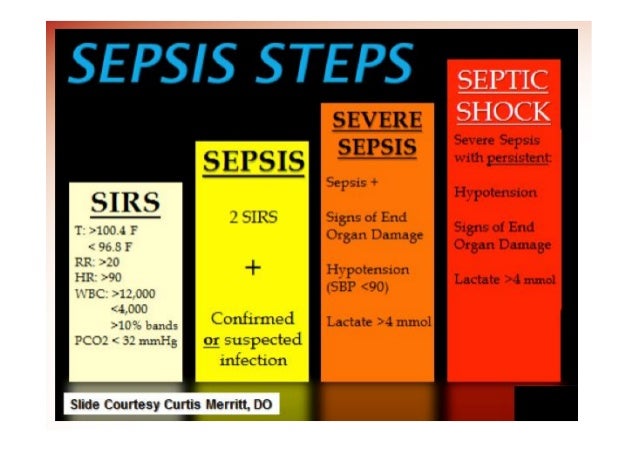
Patients are diagnosed with sepsis when they develop a set of signs and symptoms related to sepsis. Sepsis is not diagnosed based on an infection itself. If you have more than one of the symptoms of sepsis, especially if there are signs of an infection or you fall into one of the higher risk groups, your doctor will likely suspect sepsis.

Sepsis progresses to severe sepsis when in addition to signs of sepsis, there are signs of organ dysfunction, such as difficulty breathing (problems with the lungs), low or no urine output (kidneys), abnormal liver tests (liver), and changes in mental status (brain). Nearly all patients with severe sepsis require treatment in an intensive care unit (ICU).

Septic shock is the most severe level and is diagnosed when your blood pressure drops to dangerous levels.


Image Credit: https://image.slidesharecdn.com/sepsis05-12definitief-131213034421-phpapp01/95/sepsis-05-12-definitief-6-638.jpg?cb=1386906363


Sepsis has been named as the most expensive in-patient cost in American hospitals in 2014 at nearly $24 billion each year. Forty percent of patients diagnosed with severe sepsis do not survive. Up to 50% of survivors suffer from post-sepsis syndrome. Until a cure for sepsis is found, early detection is the surest hope for survival and limiting disability for survivors."


Image Credit: www.sepsis.org


According to the Mayo Clinic (http://www.mayoclinic.org/diseases-conditions/sepsis/symptoms-causes/dxc-20169787,

"Symptoms and Causes
By Mayo Clinic Staff Print


Symptoms

Many doctors view sepsis as a three-stage syndrome, starting with sepsis and progressing through severe sepsis to septic shock. The goal is to treat sepsis during its early stage, before it becomes more dangerous.


Sepsis

To be diagnosed with sepsis, you must exhibit at least two of the following symptoms, plus a probable or confirmed infection:

Body temperature above 101 F (38.3 C) or below 96.8 F (36 C)
Heart rate higher than 90 beats a minute
Respiratory rate higher than 20 breaths a minute


Severe sepsis

Your diagnosis will be upgraded to severe sepsis if you also exhibit at least one of the following signs and symptoms, which indicate an organ may be failing:

Significantly decreased urine output
Abrupt change in mental status
Decrease in platelet count
Difficulty breathing
Abnormal heart pumping function
Abdominal pain


Septic shock

To be diagnosed with septic shock, you must have the signs and symptoms of severe sepsis — plus extremely low blood pressure that doesn't adequately respond to simple fluid replacement.


When to see a doctor

Most often sepsis occurs in people who are hospitalized. People in the intensive care unit are especially vulnerable to developing infections, which can then lead to sepsis. If you get an infection or if you develop signs and symptoms of sepsis after surgery, hospitalization or an infection, seek medical care immediately.


Causes

While any type of infection — bacterial, viral or fungal — can lead to sepsis, the most likely varieties include:

Pneumonia
Abdominal infection
Kidney infection
Bloodstream infection (bacteremia)
The incidence of sepsis appears to be increasing in the United States. The causes of this increase may include:

Aging population. Americans are living longer, which is swelling the ranks of the highest risk age group — people older than 65.
Drug-resistant bacteria. Many types of bacteria can resist the effects of antibiotics that once killed them. These antibiotic-resistant bacteria are often the root cause of the infections that trigger sepsis.
Weakened immune systems. More Americans are living with weakened immune systems, caused by HIV, cancer treatments or transplant drugs.
Risk factors


Sepsis is more common and more dangerous if you:

Are very young or very old
Have a compromised immune system
Are already very sick, often in a hospital's intensive care unit
Have wounds or injuries, such as burns
Have invasive devices, such as intravenous catheters or breathing tubes


Complications

Sepsis ranges from less to more severe. As sepsis worsens, blood flow to vital organs, such as your brain, heart and kidneys, becomes impaired. Sepsis can also cause blood clots to form in your organs and in your arms, legs, fingers and toes — leading to varying degrees of organ failure and tissue death (gangrene).

Most people recover from mild sepsis, but the mortality rate for septic shock is nearly 50 percent. Also, an episode of severe sepsis may place you at higher risk of future infections."


Image Credits: www.sepsis.org

Friday, September 22, 2017

The Brain in Your Gut

I know a lot of people with gastroparesis have memory issues, myself included. So, what causes this? How does our brain chemistry change when you have gastroparesis? Sleep deprivation, malnutrition, and medication can play a big part in altering our brain chemistry but I wanted to dig a bit deeper to see what else can change our body's brain chemistry, and why it affects us so harshly.


Credit: ISTOCKPHOTO/ERAXION


According to Cal Tech http://www.caltech.edu/news/microbes-help-produce-serotonin-gut-46495,

"Although serotonin is well known as a brain neurotransmitter, it is estimated that 90 percent of the body's serotonin is made in the digestive tract. In fact, altered levels of this peripheral serotonin have been linked to diseases such as irritable bowel syndrome, cardiovascular disease, and osteoporosis.

'More and more studies are showing that mice or other model organisms with changes in their gut microbes exhibit altered behaviors,' explains Elaine Hsiao, research assistant professor of biology and biological engineering and senior author of the study. 'We are interested in how microbes communicate with the nervous system. To start, we explored the idea that normal gut microbes could influence levels of neurotransmitters in their hosts.'

Peripheral serotonin is produced in the digestive tract by enterochromaffin (EC) cells and also by particular types of immune cells and neurons. Hsiao and her colleagues first wanted to know if gut microbes have any effect on serotonin production in the gut and, if so, in which types of cells. They began by measuring peripheral serotonin levels in mice with normal populations of gut bacteria and also in germ-free mice that lack these resident microbes.

The researchers found that the EC cells from germ-free mice produced approximately 60 percent less serotonin than did their peers with conventional bacterial colonies. When these germ-free mice were recolonized with normal gut microbes, the serotonin levels went back up—showing that the deficit in serotonin can be reversed.

'EC cells are rich sources of serotonin in the gut. What we saw in this experiment is that they appear to depend on microbes to make serotonin—or at least a large portion of it,' says Jessica Yano, first author on the paper and a research technician working with Hsiao.

The researchers next wanted to find out whether specific species of bacteria, out of the diverse pool of microbes that inhabit the gut, are interacting with EC cells to make serotonin.

After testing several different single species and groups of known gut microbes, Yano, Hsiao, and colleagues observed that one condition—the presence of a group of approximately 20 species of spore-forming bacteria—elevated serotonin levels in germ-free mice. The mice treated with this group also showed an increase in gastrointestinal motility compared to their germ-free counterparts, and changes in the activation of blood platelets, which are known to use serotonin to promote clotting.

Wanting to home in on mechanisms that could be involved in this interesting collaboration between microbe and host, the researchers began looking for molecules that might be key. They identified several particular metabolites—products of the microbes' metabolism—that were regulated by spore-forming bacteria and that elevated serotonin from EC cells in culture. Furthermore, increasing these metabolites in germ-free mice increased their serotonin levels.

Previous work in the field indicated that some bacteria can make serotonin all by themselves. However, this new study suggests that much of the body's serotonin relies on particular bacteria that interact with the host to produce serotonin, says Yano. 'Our work demonstrates that microbes normally present in the gut stimulate host intestinal cells to produce serotonin,' she explains.

'While the connections between the microbiome and the immune and metabolic systems are well appreciated, research into the role gut microbes play in shaping the nervous system is an exciting frontier in the biological sciences,' says Sarkis K. Mazmanian, Luis B. and Nelly Soux Professor of Microbiology and a coauthor on the study. 'This work elegantly extends previous seminal research from Caltech in this emerging field'.

Additional coauthor Rustem Ismagilov, the Ethel Wilson Bowles and Robert Bowles Professor of Chemistry and Chemical Engineering, adds, 'This work illustrates both the richness of chemical interactions between the hosts and their microbial communities, and Dr. Hsiao's scientific breadth and acumen in leading this work.'

Serotonin is important for many aspects of human health
, but Hsiao cautions that much more research is needed before any of these findings can be translated to the clinic.

'We identified a group of bacteria that, aside from increasing serotonin, likely has other effects yet to be explored,' she says. 'Also, there are conditions where an excess of peripheral serotonin appears to be detrimental.'

Although this study was limited to serotonin in the gut, Hsiao and her team are now investigating how this mechanism might also be important for the developing brain. 'Serotonin is an important neurotransmitter and hormone that is involved in a variety of biological processes. The finding that gut microbes modulate serotonin levels raises the interesting prospect of using them to drive changes in biology,' says Hsiao.

The work was published in an article titled 'Indigenous Bacteria from the Gut Microbiota Regulate Host Serotonin Biosynthesis.' In addition to Hsiao, Yano, Mazmanian, and Ismagilov, other Caltech coauthors include undergraduates Kristie Yu, Gauri Shastri, and Phoebe Ann; graduate student Gregory Donaldson; postdoctoral scholar Liang Ma. Additional coauthor Cathryn Nagler is from the University of Chicago."


Image Credit: http://i2.wp.com/sitn.hms.harvard.edu/wp-content/uploads/2016/08/Gut-Brain-Microbe-Figures_FINAL.png


This is an interesting study considering that Gastroparesis/DTP is slow to little to no motility, depending on how severe it is in each person affected with it. If 90 percent of serotonin is produced in the stomach, what happens to that serotonin when the motility is limited or the stomach is removed? Could that be a link to depression in people with Gastroparesis? Scientific American believes that psychiatry may have to readjust to consider just that in the years to come as discussed below.


According to Scientific American https://www.scientificamerican.com/article/gut-second-brain/,

"As Olympians go for the gold in Vancouver, even the steeliest are likely to experience that familiar feeling of 'butterflies' in the stomach. Underlying this sensation is an often-overlooked network of neurons lining our guts that is so extensive some scientists have nicknamed it our 'second brain'.

A deeper understanding of this mass of neural tissue, filled with important neurotransmitters, is revealing that it does much more than merely handle digestion or inflict the occasional nervous pang. The little brain in our innards, in connection with the big one in our skulls, partly determines our mental state and plays key roles in certain diseases throughout the body.

Although its influence is far-reaching, the second brain is not the seat of any conscious thoughts or decision-making.

'The second brain doesn't help with the great thought processes…religion, philosophy and poetry is left to the brain in the head,' says Michael Gershon, chairman of the Department of Anatomy and Cell Biology at New York–Presbyterian Hospital/Columbia University Medical Center, an expert in the nascent field of neurogastroenterology and author of the 1998 book The Second Brain (HarperCollins).

Technically known as the enteric nervous system, the second brain consists of sheaths of neurons embedded in the walls of the long tube of our gut, or alimentary canal, which measures about nine meters end to end from the esophagus to the anus. The second brain contains some 100 million neurons, more than in either the spinal cord or the peripheral nervous system, Gershon says.

This multitude of neurons in the enteric nervous system enables us to 'feel' the inner world of our gut and its contents. Much of this neural firepower comes to bear in the elaborate daily grind of digestion. Breaking down food, absorbing nutrients, and expelling of waste requires chemical processing, mechanical mixing and rhythmic muscle contractions that move everything on down the line.

Thus equipped with its own reflexes and senses, the second brain can control gut behavior independently of the brain, Gershon says. We likely evolved this intricate web of nerves to perform digestion and excretion 'on site,' rather than remotely from our brains through the middleman of the spinal cord. 'The brain in the head doesn't need to get its hands dirty with the messy business of digestion, which is delegated to the brain in the gut,' Gershon says. He and other researchers explain, however, that the second brain's complexity likely cannot be interpreted through this process alone.

'The system is way too complicated to have evolved only to make sure things move out of your colon,' says Emeran Mayer, professor of physiology, psychiatry and biobehavioral sciences at the David Geffen School of Medicine at the University of California, Los Angeles (U.C.L.A.). For example, scientists were shocked to learn that about 90 percent of the fibers in the primary visceral nerve, the vagus, carry information from the gut to the brain and not the other way around. "Some of that info is decidedly unpleasant," Gershon says.

The second brain informs our state of mind in other more obscure ways, as well. 'A big part of our emotions are probably influenced by the nerves in our gut,' Mayer says. Butterflies in the stomach—signaling in the gut as part of our physiological stress response, Gershon says—is but one example. Although gastrointestinal (GI) turmoil can sour one's moods, everyday emotional well-being may rely on messages from the brain below to the brain above. For example, electrical stimulation of the vagus nerve—a useful treatment for depression—may mimic these signals, Gershon says.

Given the two brains' commonalities, other depression treatments that target the mind can unintentionally impact the gut. The enteric nervous system uses more than 30 neurotransmitters, just like the brain, and in fact 95 percent of the body's serotonin is found in the bowels. Because antidepressant medications called selective serotonin reuptake inhibitors (SSRIs) increase serotonin levels, it's little wonder that meds meant to cause chemical changes in the mind often provoke GI issues as a side effect. Irritable bowel syndrome—which afflicts more than two million Americans—also arises in part from too much serotonin in our entrails, and could perhaps be regarded as a "mental illness" of the second brain.

Scientists are learning that the serotonin made by the enteric nervous system might also play a role in more surprising diseases: In a new Nature Medicine study published online February 7, a drug that inhibited the release of serotonin from the gut counteracted the bone-deteriorating disease osteoporosis in postmenopausal rodents. (Scientific American is part of Nature Publishing Group.) 'It was totally unexpected that the gut would regulate bone mass to the extent that one could use this regulation to cure—at least in rodents—osteoporosis,' says Gerard Karsenty, lead author of the study and chair of the Department of Genetics and Development at Columbia University Medical Center.

Serotonin seeping from the second brain might even play some part in autism, the developmental disorder often first noticed in early childhood. Gershon has discovered that the same genes involved in synapse formation between neurons in the brain are involved in the alimentary synapse formation. 'If these genes are affected in autism,' he says, 'it could explain why so many kids with autism have GI motor abnormalities' in addition to elevated levels of gut-produced serotonin in their blood.

Down the road, the blossoming field of neurogastroenterology will likely offer some new insight into the workings of the second brain—and its impact on the body and mind. 'We have never systematically looked at [the enteric nervous system] in relating lesions in it to diseases like they have for the' central nervous system, Gershon says. One day, perhaps there will be well-known connections between diseases and lesions in the gut's nervous system as some in the brain and spinal cord today indicate multiple sclerosis.

Cutting-edge research is currently investigating how the second brain mediates the body's immune response; after all, at least 70 percent of our immune system is aimed at the gut to expel and kill foreign invaders.

U.C.L.A.'s Mayer is doing work on how the trillions of bacteria in the gut 'communicate' with enteric nervous system cells (which they greatly outnumber). His work with the gut's nervous system has led him to think that in coming years psychiatry will need to expand to treat the second brain in addition to the one atop the shoulders."


Image Credit: http://fitlife.tv/wp-content/uploads/2015/06/Gut-System.bmp


According to John's Hopkins http://www.hopkinsmedicine.org/health/healthy_aging/healthy_body/the-brain-gut-connection,

"If you’ve ever "gone with your gut' to make a decision or felt 'butterflies in your stomach' when nervous, you’re likely getting signals from an unexpected source: your second brain. Hidden in the walls of the digestive system, this 'brain in your gut' is revolutionizing medicine’s understanding of the links between digestion, mood, health and even the way you think.

Scientists call this little brain the enteric nervous system (ENS). And it’s not so little. The ENS is two thin layers of more than 100 million nerve cells lining your gastrointestinal tract from esophagus to rectum.


What Does Your Gut’s Brain Control?

Unlike the big brain in your skull, the ENS can’t balance your checkbook or compose a love note. 'Its main role is controlling digestion, from swallowing to the release of enzymes that break down food to the control of blood flow that helps with nutrient absorption to elimination,' explains Jay Pasricha, M.D., director of the Johns Hopkins Center for Neurogastroenterology, whose research on the enteric nervous system has garnered international attention. 'The enteric nervous system doesn’t seem capable of thought as we know it, but it communicates back and forth with our big brain—with profound results.'

The ENS may trigger big emotional shifts experienced by people coping with irritable bowel syndrome (IBS) and functional bowel problems such as constipation, diarrhea, bloating, pain and stomach upset. 'For decades, researchers and doctors thought that anxiety and depression contributed to these problems. But our studies and others show that it may also be the other way around,' Pasricha says. Researchers are finding evidence that irritation in the gastrointestinal system may send signals to the central nervous system (CNS) that trigger mood changes.

'These new findings may explain why a higher-than-normal percentage of people with IBS and functional bowel problems develop depression and anxiety,' Pasricha says. 'That’s important, because up to 30 to 40 percent of the population has functional bowel problems at some point.'


New Gut Understanding Equals New Treatment Opportunities

This new understanding of the ENS-CNS connection helps explain the effectiveness of IBS and bowel-disorder treatments such as antidepressants and mind-body therapies like cognitive behavioral therapy (CBT) and medical hypnotherapy. 'Our two brains ‘talk’ to each other, so therapies that help one may help the other,' Pasricha says. 'In a way, gastroenterologists (doctors who specialize in digestive conditions) are like counselors looking for ways to soothe the second brain.'

Gastroenterologists may prescribe certain antidepressants for IBS, for example—not because they think the problem is all in a patient’s head, but because these medications calm symptoms in some cases by acting on nerve cells in the gut, Pasricha explains. 'Psychological interventions like CBT may also help to 'improve communications' between the big brain and the brain in our gut,' he says.


Still More to Learn About Mind-Gut Link

Pasricha says research suggests that digestive-system activity may affect cognition (thinking skills and memory), too. 'This is an area that needs more research, something we hope to do here at Johns Hopkins,' he says.

Another area of interest: Discovering how signals from the digestive system affect metabolism, raising or reducing risk for health conditions like type 2 diabetes. 'This involves interactions between nerve signals, gut hormones and microbiota—the bacteria that live in the digestive system,'Pasricha says."


Image Credit: https://www.lotronex.com/Images/Patient-MOA_1.jpg


According to Neurology Advisor,

"Recently, evidence has accumulated to support a complex neurobiologic basis for migraine, with origins beyond the brain. The prevailing theory involves the gut-brain axis, which postulates a complex interplay between the brain and the gastrointestinal tract. However, the precise mechanism that links the brain and the gut and triggers a migraine event remains unclear."

Read more about it here: http://www.neurologyadvisor.com/migraine-and-headache/what-we-know-association-between-migraine-gastrointestinal-health/article/695858/


Image Source: The Smithsonian.


According to The Smithsonian,

"The human microbiome—a collection of bacteria, archaea, fungi and viruses commingling in the gut and intestines—has been linked to a wide range of human health conditions, including digestive health and the prevention of autoimmune diseases. Some research has even identified a possible link between gut health and brain function. Building on this work, a study published yesterday in Nature Microbiology reveals that clinical depression could be affected by the amounts of certain bacteria in the gut.

The research team, led by microbiologist Jeroen Raes of the Catholic University of Leuven in Belgium, found that almost all gut bacteria are able to produce neurotransmitters, which are chemicals like dopamine and serotonin that enable communication between neurons. If these 'chemical messengers' are sent to receptors in the brain, they can influence mood and behavior. The researchers also identified two strains of bacteria that are lacking in the guts of people who have been diagnosed with depression.

The study adds to mounting evidence that an association between gut health and the brain exists. However, it does not establish whether poor mental health causes depletion of the bacteria, or if the missing bacteria intensifies symptoms associated with mood disorders. More research is needed to conclusively say that gut bacteria influences mental health, says Mark Lyte, a professor of microbiology at Iowa State University who wasn’t involved in the study.

'The studies are just really starting,' Lyte says. 'We do not fully understand what all the genes in all the bacteria do, so don't make the conclusion that we understand everything about the microbiota in terms of their genetic capacity to make [neurotransmitters]. We only understand a fraction of that.' Scientists recently identified more than 100 new species of bacteria in the human gut, underscoring how much we still have to learn about the functions of the microbiome.

Raes and his team studied the gut bacteria of over 2,000 European participants to examine a possible link between the microbiome and mental health. In their study, the team tested the genomes of 532 strains of bacteria to determine if the bacteria could create neurotransmitters. Over 90 percent of the bacteria in the study demonstrated the ability to produce one or more of these chemical messengers.

The body’s longest nerve, the vagus nerve, runs from the brainstem to the lowest part of the intestines. The nerve is thought to be a two-way highway, sending signals from the brain to the gut to regulate digestion and bringing signals from the gut to the brain. The latter function provides a possible pathway for neurotransmitters produced by gut bacteria to influence mental health, Raes says. The team found that both Coprococcus and Dialister bacteria were depleted among individuals with depression, even when controlling for the effects of antidepressants. Coprococcus was also found to have a biological pathway associated with dopamine, a neurotransmitter known to influence mental health.

The next step, Lyte says, is to develop a more complete understanding of how these two strains of bacteria function in the gut. Scientists have studied the genetic traits of some bacteria extensively, like E. Coli, but the genomes and traits of bacteria like Coprococcus and Dialister have yet to be carefully examined. Lyte says that scientists will need to use 'old-school' microbiology, growing these bugs in petri dishes to see how they function. A bacterium that behaves one way on paper could function very differently when exposed to a diverse environment of microbes similar to the human gut.

'You have to grow these bugs up and see what they do [in different environments] to understand what they’re going to do when they’re in the host,' Lyte says.

Additionally, Raes says his team has only identified bacteria that could influence mental health at the genus level, and that it’s crucial to identify the specific species of bacteria that are absent in people with depression to test a possible relationship between the gut and the brain. While lower levels of Dialister were associated with depression, a recent paper linked higher levels of Dialister with arthritis. It could be that prevalence of one species of Dialister increases risk of arthritis while prevalence of another reduces risk of depression, Raes says, but determining such specifics will require additional studies.

The ability to produce neurotransmitters also might be unique to bacteria that evolved in the gut, as the capability hasn’t been found in wild bacteria outside the microbiome. 'It feels like an evolutionary adaptation to the symbiosis of bacteria and [humans],' Raes says. 'If you start thinking about that, then your head explodes. Bacteria live within us and have found all these ways to communicate with us and potentially influence our behavior.'

Emma Allen-Vercoe, a professor of microbiology at the University of Guelph in Ontario, says she is excited about the future potential of microbiome research. While many more studies would be required before scientists could perform a treatment trial, Allen-Vercoe believes that Coprococcus and Dialister could be great candidates to use as psychobiotics, or probiotics that target mental health. Finding a way to grow these microbes so they could be administered to patients would be 'far from trivial,' but she hopes scientists can eventually introduce the bacteria into human guts of and examine the results.

'When I read this paper I was super excited, because I really think this is a new frontier in medicine,' Allen-Vercoe says. 'Thinking outside the box in terms of using microbes in the gut to treat diseases that traditionally haven’t been associated with the gut is quite exciting, because we’re thinking about things in a whole different way. They’ve really started something here.'"


Thank you, to one of our group members, Sarah L., for bringing the article above to my attention! I really appreciate it!


So, the brain in your gut can affect your memory. It makes me think that if you have little or no motility, it could contribute to memory loss, in addition to other things like sleep deprivation, malnutrition, and medication. It seems like a lot of issues can cause memory loss in those who suffer from Gastroparesis/DTP. Personally, I have to carry around a journal to write things in because I forget a lot of things. More research is going into this, so hopefully, we will have answers soon.

Treatment Options for Gastroparesis & Traveling with a Feeding Tube

Treatment Options for Gastroparesis

"Thomas L. Abell, MD

Dr. Abell will share his 35 years of experience with gastroparesis patients, and the perspective gained from 100 patient focus groups. He will discuss the published work on the NIH Gastroparesis consortium, as well as current thoughts on the pathophysiology of gastroparesis and the gastroparesis like syndrome. He will conclude his presentation with a review of therapeutic options for these disorders."


Treatment Options for Gastroparesis: Image and Information Credit: http://oley.org/?page=webinars


For the complete recorded webinar: https://www.youtube.com/watch?v=mcTb-Qzvaak&feature=youtu.be


Traveling with a Feeding Tube

According to the Feeding Tube Awareness Foundation, which can be found here: http://www.feedingtubeawareness.org/navigating-life/on-the-go/traveling/,

"Traveling these days is always a challenge, especially if you will be taking a plane or even a train. But it can be done, with a little preplanning. Here are 5 simple steps to making your trip work.

Talk to your doctor. At least a month prior to travel, talk to your doctor about your travel plans. Ask your doctor to write a letter that explains your child’s medical condition. Make sure it includes a complete list of medical equipment or supplies your child will have while traveling. Print it out, as only paper documentation will get you through security. See this sample letter from the Oley Foundation.

Create an emergency plan. You need to have a plan in place in case something happens. Research where the closest children’s hospital is to your destination. Ask your doctor for a recommendation for a hospital or doctor in case something happens. Also, make sure to plan for any possible emergencies, such as a tube that falls out, a broken pump, or a lost shipment of formula. Consider bringing your child’s medical records, or at least a summary of them, such as a copy of the AAP/ACEP Emergency Information Form for Children With Special Health Care Needs.

Talk to your homecare company. You will need to bring along medical supplies and formula, which can get quite heavy. Ask your homecare company if formula and supplies can be shipped to your destination, or if they have a local branch that can deliver supplies. Make sure you know who to contact if there is a problem with your pump or charger during the trip. In some cases, the homecare company may even provide an extra backup pump for travel.

Determine what you need to pack. More on this below.

Contact the airline, train, or transportation authority at least 72 hours in advance.


What to Pack

This is a general list of things you might need or want to pack for a trip with a child who has a feeding tube. For more detailed information, see the blog Traveling with a Tubie: What to Pack.

Feeding pump and backpack
Feeding sets (bags)
Feeding pump charger
Feeding syringes or gravity bags
Extension sets and adaptors
Syringes for flushing
Venting supplies, such as syringes, Farrell bags, or venting tubes
Water for flushing while traveling — consider bringing 60ml sterile water containers for air travel or travel abroad
Formula, breastmilk, or blenderized meals — with ice packs if necessary
All medications
Small syringes, pill crushers, or medicine cups for medications
A tube replacement kit, including at least one extra tube, lubricant, a syringe for the balloon port if applicable, and tape
Tape, gauze, and dressings as needed


Remember your Charger!


The number one forgotten item when traveling is the feeding pump charger or power cord. Always double check to make sure you have packed yours.

Parent tip: consider bringing a small cooler or insulated lunch bag to transport formula and medications with an ice pack. You can also purchase small refrigerators that plug into your car.


Airline and Train Regulations

It is critical to contact the airline, TSA, or Amtrak in advance if you will traveling with medical supplies. There are many regulations about what can be carried on, what can be checked, and what must be shipped.

For air travel, a good place to start is the TSA Cares hotline at 1-855-787-2227 or TSA-ContactCenter@dhs.gov. The following TSA-related links will help you find general information for traveling with medical supplies.


TSA Tips for Traveling with Medication

Screening for Passengers Requiring Special Assistance
Travelers with Disabilities and Medical Conditions
Screening for Passengers Requiring Special Assistance
3-1-1 Liquids Rule
Traveling with Formula, Breast Milk, and Juice
Disability Notification Card
Traveling with Children
Screening for Passengers Who Require Medically Necessary Liquids
Screening for Passengers with Medical Devices
For train travel, see Amtrak’s Screening Process.


Traveling with Medical Liquids

From time to time, headlines in the news highlight stories of people who run into trouble while traveling with medical supplies and liquids. These stories can be scary for anyone who is considering flying with these items, but don’t let your fear of the TSA screening process stop you from traveling. While there are no guarantees that everything will go perfectly, ample preparation ahead of time will greatly reduce your risk of difficulty with the screening process. Here are a few things to keep in mind when preparing to travel.

1. You can and SHOULD call the TSA Cares hotline before your trip. The purpose of TSA Cares is “to assist travelers with disabilities and medical conditions.” According to the TSA’s website, it is recommended that passengers call the hotline 72 hours prior to traveling. Representatives at TSA Cares are able to give advice specific to each individual’s particular needs that will aid in the security screening process, and give the traveler a better idea of what to expect when they arrive at the security checkpoint. Moreover, the TSA Cares program can provide a TSA agent to escort the traveler through the airport and assist in the screening process. The hotline’s toll-free number is 1-855-787-2227 and the email address is TSA-ContactCenter@dhs.gov. The hotline’s hours of operation are Monday-Friday from 8am-11pm EST and weekends and holidays from 9am-8pm EST.

2. Use the TSA’s Disability Notification Card. This card can be printed from this link and handed to a TSA agent upon arriving at the security checkpoint to make screeners aware that you will need some type of additional consideration during the screening process. The card will not get you out of any part of the screening process, but it will discreetly alert them to your needs and hopefully help the process to go more smoothly.

3. You CAN carry more medical liquids through security than would be allowed through the 3-1-1 rule. Medical liquids such as formula, breast milk, baby food, and liquid medications are allowed through security checkpoints. The TSA website warns, however, that travelers carrying medical liquids MUST declare medical liquids at the beginning of the screening process due to the additional screening measures required. If you or your child require a specialized ready-to-feed formula that cannot be purchased at a retail store in the event that checked baggage were to get lost, it is a good idea to carry enough formula on board for 2 days. That would hopefully allow enough time once you’ve reached your destination to make emergency arrangements with your supply company or find someone local to the area you are visiting that could spare enough extra to hold you over until your baggage arrives. Any necessary medications should ALWAYS be brought in carry-on luggage.

4. For longer trips, ship supplies and formula to your destination ahead of time if possible. This will prevent you from having to pack all of your needed supplies in your checked luggage.

5. Check with your airline about waived baggage fees for medical supplies. Most airlines that charge fees for checked baggage will allow one bag of medical supplies to be checked without paying the usual baggage fee. You may still want to pack one or two days’ worth of supplies in a separate checked bag as well, just in case the medical supply bag arrives late.

6. Pack your liquids last. If they are the last thing you put in your carry-on bag, they will be easily accessible when it’s time to go through security. Put everything in zippered plastic bags so that when you get to the security checkpoint, it will be easy to pull them out without having to dig through your whole carry-on bag.

7. Print all of the TSA policies that pertain to what you’re carrying with you. While the TSA works to ensure proper training for all its agents, there is always a chance that you will encounter an agent who does not have experience with or a thorough understanding of the policies pertaining to medical liquids and supplies. Print any policies from their website that may apply to your situation and keep them in a zippered plastic bag inside the same bag with your medical liquids where they are easily accessible. If anything comes into question, you can quickly identify the policy that pertains to that item. It is also not a bad idea to have a letter from a physician listing the medical liquids, supplies and equipment that you will be traveling with that may affect the security screening process.

8. Don’t send your liquids through the x-ray machine in a closed carry-on bag. If you have your cans or bottles of liquid formula and medications in zippered plastic bags, it’s easy to pull them out and put them in one of the plastic tubs provided at security. (The plastic bag will also keep them from getting dirty since people put their shoes in those tubs, too.) If you have a soft cooler with medical liquids and ice packs in it, unzip and open it before putting it through the x-ray machine and set it into one of the provided plastic tubs. Before any of your medical liquids go through the x-ray machine, make sure that the TSA agents who are doing the x-ray screening see what you have and hear you say that you are sending medical liquids through the machine so they know what’s coming before it pops up on their viewing screen. Most other medical supplies, such as syringes, pump bags, extension tubes, and medical tape can go through the x-ray machine.

9. It’s okay to ask your TSA screener to put on a clean pair of gloves before handling your medical supplies. Ask nicely, and insist if you need to. Explain that because of the individual’s medical conditions, you are doing everything you can to avoid contact with germs and cross-contamination. It may be a good idea to remind them to put on fresh gloves after coming into contact with your medications as well.

10. When you travel with medical liquids, you WILL be asked to open them, or they may be opened for you. The TSA’s website states, “Liquids, gels, and aerosols are screened by X-ray and medically necessary items in excess of 3.4 ounces will receive additional screening. A passenger could be asked to open the liquid or gel for additional screening. TSA will not touch the liquid or gel during this process. If the passenger does not want a liquid, gel, or aerosol X-rayed or opened for additional screening, he or she should inform the officer before screening begins. Additional screening of the passenger and his or her property may be required, which may include a patdown.” If you are carrying ready-to-feed liquid formula in cans or tetra paks, know ahead of time that you will most likely have to open them and bring something to pour the formula into, such as a spare feeding pump bag or empty baby bottles with tight-fitting lids. Even an empty plastic water bottle will do. To avoid concerns over opened formula spoiling, travel with a small soft cooler and ice packs. Opened formula is good for 24 hours when it is kept refrigerated. Medications will need to be opened and tested as well. Even though the TSA doesn’t require it, it’s a very good idea to put bottles of liquid medications in zippered plastic bags in case of spills. It’s also a good idea to make sure the lids are on tight after they’ve been tested and before you put them back in your carry-on.

11. Frozen items do not count as liquids as long as they are frozen solid. The TSA website states that “Frozen items are permitted as long as they are solid and in a ‘frozen state’ when presented for screening.” This includes ice packs used to keep formula and medications cold. However, if they are at all thawed or slushy, they will be subject to the rules and regulations for liquids. For individuals who use a blenderized diet or breast milk for tube feeds, this would also mean that pre-blended formula or breast milk that has been frozen solid would be permitted without being subject to the additional screening for liquids as long as it is not partially thawed.

12. Allow extra time in case you run into delays at security. Of course this is advised for all travelers, but going through the security screening process with larger-than-usual quantities of medical liquids and individuals with special needs means can take extra time. Find out the recommended arrival time for the airport you will be departing from and add an extra half hour or hour to it, just in case. You may end up sitting at the gate for a longer time than you’d like, but that is much better than missing your flight. If you have allowed ample time before your flight, you will not have the added stress during the security screening process of wondering if you’ll miss your flight or not.

13. Be polite. Patience and a positive attitude can go a long way in helping the screening process go smoothly."


Traveling with IV Nutrition or Tube Feeding
Barbara Klinger (experienced traveler with IV nutrition)
Rick Davis (experienced traveler with tube feeding)
Susan Buckland, TSA (Oley Foundation)


Image and Information Credit: http://oley.org/?page=webinars


For the complete recorded Webinar: https://www.youtube.com/watch?v=3UrnyhaA-8Y&feature=youtu.be

My friend wrote an article entitled, "Tips on Surviving A Car Trip With Gastroparesis."


Image Source taken from Imgur

Monday, August 28, 2017

Misinformation in the Gastroparesis Community: Closing the Rift and Stopping the Fear

There has been so fighting in the Gastroparesis(GP) Community. I have been bullied myself since April - and maybe a bit before that. I want to say that support groups are not something to make a power play on. If you are looking for fame and glory, support groups are not the way to go. I know I've posted basically touched on the same thing in another blog article already, but wanted to repost it.

Seven to eight years ago, there was hardly anything online about the GP Community, so a handful of us made groups and pages. We wanted to spread more awareness. And, I have had my blog since 2008. We wanted to make a safe place for GPers to vent, learn about their illness, stay positive, and help the newly diagnosed.

I have no idea what's been going on lately, but there is SO much negativity in the GP Community. People are scared to post in groups for fear of backlash. People are being bullied based on their opinions and beliefs. People are talked down to or ignored. This is NOT what the Community is about. It's embarrassing because other Communities, like the cancer community, has noticed there's something not quite with our own Community right now. That is just so devastating.

Our Community that we worked so hard to build up is a laughing stock to other support groups in other areas.

We need to do better. We need to treat each other with respect. You don't have to like someone, but you can respect them. People are sick enough without this mess. Not only that, but the bullying needs to end. People should not be scared to post, voice their opinions for fear of being shut down and banned, or being ganged up by a group of people. How can people learn about their illness or ask important questions if they are too scared to post? That is NOT what I envisioned when I helped start this Community.

No one should be living in fear. I've been having panic attacks while logging into Facebook, because I honestly don't know how I'll be attacked today. I am really stressed out and anxious, which is effecting my health in a horrible way. I have been too sick to do much of anything. The attacks from people will tell me it is in my head, in addition to blaming me for the divide in the Community. It seems like it should not bother me, but when you are constantly beaten down daily, it really starts messing with your psyche. I block them, but it still hurts. My feelings are so hurt and my heart is broken. I have been crying because I am so sick at this moment, but isn't that always the way? People kicking you when you're down?

There is a giant rift in the GP Community. It has been blamed on me several times. I have NOTHING to do with that and it breaks my heart that this is happening. I would never in a million years try to dismantle a Community so important, especially since I helped build it up from scratch. We need to heal as a community and get back to where we were. We need to knock off the negativity and get back to the original idea that some people have lost sight of: GP Awareness.

All of these posts about selling things, let's say vitamin shake mix as an example to make money. People seem to be losing sight of the main message - to promote and educate about gastroparesis, because the more awareness will lead to research and hopefully a cure. It just seems like the GP Community is losing sight of that message too.

We should be helping to guide the newly diagnosed who are terrified. There is SO much misinformation out there about Gastroparesis, that one person approached me and told me she was going to die because GP is a death sentence. She really was frightened because she read on the Internet that GP = instant death. I comforted her the best I could, and I hope it helped. So, now you have to be careful when you look at things about GP and question them. That annoys me too, that there is A LOT of misinformation out there.

My dream is to see all of the Gastroparesis groups work together, since we should have a common goal, but I do not see that happening. Some of the group owners have their own agendas. That saddens me but it's up to them. I just know that I'm trying my best, here.


Image taken from: http://www.unityofdelraybeach.org/images/unity-hands1.jpg


The abuse and bulling needs to stop. PERIOD! I know I'm not the only one having this issue. It should NOT exist in this Community - we are sick enough without getting worse from Facebook drama. I've kept my mouth shut for a REALLY long time, but I can't stand by anymore. I need to speak up...because I'm not the only one who is going through this. I just don't see how people can advocate for GP but turn around and knock GPers down, especially when they mean well and want to help. Not to mention, I want to stand up for the Community and see if I can help heal and repair the damage.

Well, please know you're not alone. If you are being bullied, feel free to inbox me and we'll talk.


“They will hate you if you are beautiful. They will hate you if you are successful. They will hate you if you are right. They will hate you if you are popular. They will hate you when you get attention. They will hate you when people in their life like you.

They will hate you if you worship a different version of their God. They will hate you if you are spiritual. They will hate you if you have courage. They will hate you if you have an opinion. They will hate you when people support you. They will hate you when they see you happy.

They just hate.

However, remember this: They hate you because you represent something they feel they don’t have. It really isn’t about you. It is about the hatred they have for themselves. So smile today because there is something you are doing right that has a lot of people thinking about you.”

― Shannon L. Alder


Saturday, August 26, 2017

Spreading Positivity in the GP Community: Healing the Rift

I have touched on this before but I thought it was worth repeating. There are a lot of diverse groups that make up the gastroparesis community on social media. There are so many different variety of groups, so that you can usually find a support group that works for you and your needs. This is a very positive thing because gastroparesis can be very isolating. There are times where I feel like I am on house arrest. For instance, it is really hard for me to go places and do things with my friends/family because I vomit so frequently. Some of my friends will start vomiting if they see me do it, so that does not really work out. There are SO many positives to gastroparesis groups:

1. People know where you are coming from
2. People believe you so you do not have to constantly defend yourself
3. You get the support you need from a group set going through the same things
4. You can ask and answer questions
5. You make new friends
6. You get involved with the gastroparesis community
7. You do not have to censor yourself, because there is no such thing as TMI (too much information) in a support group
8. You can join multiple groups (it is better to do this since groups have specialities or if you want different perspectives)
9. It is nice to connect with others, especially if you are alone
10. You have the ability to help the newly diagnosed and share your experiences with them


Those are the positives that I love seeing in groups. The gastroparesis groups can be welcoming and inviting but you might have to search around until you can find one that is the fit for you. Usually, people in groups are willing to give suggestions to direct you to other groups if you feel like the one you joined is not the fit for you.


I have a list of gastroparesis resources here: HERE.


Now, I want to address something else, the negative sides of gastroparesis groups and by extension, the community. There seems to be a huge rift in our gastroparesis community at the moment and it seems to focus on each of the gastroparesis groups doing their own things. It does NOT matter how the rift in the groups began, who is at fault, because ultimately, we are hurting our main goal - which is gastroparesis awareness, and most importantly, each other.

Our community needs to heal and come together to work together to try and fight doctors, nurses, and others who think that gastroparesis is NOT real, despite test results that tell the contrary. It is a waste of our energy to fight one another when we should all be working towards a common goal. Instead, we are shooting ourselves in the foot and before long, no one is going to take us seriously. With all of this squabbling and fighting amongst each other, we are losing sight of the real message: to spread awareness about our illness. It's not a competition and we do have a common goal.

Therefore, this needs to end.

We are better than this. We need to work on making sure people know what gastroparesis is, how it effects so many, their quality of life, and to fight for those who barely have the energy to fight for themselves. We also need to dispense with the blame game. This fracturing is devastating to our community. Furthermore, even people in other support groups, like the cancer and stroke groups, are inquiring as to what is going on with the gastroparesis community. This has gotten out of hand and needs to stop. We cannot take the community out of gastroparesis community.


You do not have to like someone, but you CAN respect them.


All of the cliques, the in fighting, back biting, passive aggression - ALL OF IT, in groups needs to end. That is NOT what support is. It is hurting our cause instead of helping it. All of us have worked hard to get the community where it is today. It's taken a lot of work from so many people, and it is a very thankless job which we do for free in our spare time. We all do it because we love this community but also because it is important for us to find better treatment plans, and hopefully, a cure. We have lost THIRTY-FOUR people in the past two to three months. Let that sink in for a minute. We should honor those fallen warriors by continuing to promote awareness for gastroparesis.


No awareness, no research, no cure.


This giant rift in the gastroparesis community needs to close. No one needs to take sides. Instead, take the side of gastroparesis, and fight with everything you have to spread awareness, spread joy to those who are feeling down, spread friendship to those with this illness who are isolated. There are so many positives we could be doing! The gastroparesis community needs to come together and help each other out.

I would be happy to promote other groups, pages, etc, just like I have always done. To me, getting the word out matters and politics does not. I just do not understand how this happened in our community. But, I do want to rescue it and work with others before we lose all credibility completely. Like I previously stated, we already have a hard enough time fighting doctors, hospitals, and everything else. We all should look out for one another. We are a strong community, but we need to heal and move forward.


Image taken from: http://www.sanluisobispo.com/living/family/linda-lewis-griffith/article39430086.html


According to Senior Outlook (http://www.sanluisobispo.com/living/family/linda-lewis-griffith/article39430086.html,

"Even good relationships can be damaged by an argument, jealousy, misunderstanding, insult, rumor, or buildup of small resentments.

Sometimes things blow over quickly, but other times the upset lasts for years or even indefinitely. As time passes, people may even forget why they originally became upset.

Meanwhile, discord eats away at the peace of mind of those involved, and that affects the body. Negative emotions can release adrenaline and cortisol, chemicals useful in short-term fight-or-flight responses but destructive to the immune system when circulated in the bloodstream for extended periods. Augustine of Hippo (St. Augustine, 354–430 A.D.) wrote, 'Resentment is like taking poison and hoping the other person dies.'

Further bodily damage can be wrought. Many believe the mind delivers to your body whatever you speak, think, or otherwise focus on. If true, what bodily symptoms might result from expressing such thoughts as 'He’s a real pain in the neck/butt,' 'She makes me sick,' or 'I’m so sick and tired of that guy?'

Friends surrounding this ailing relationship are affected, too. After a friendship breaks up, party hosts may rightly invite both feuding friends; but then they may be asked awkward questions regarding whether the other person plans to attend. If both individuals attend anyhow, they may avoid or confront one other, making others uncomfortable.

What about innocent bystanders within the family—parents, children, siblings, and grandparents? Some family members feel forced to choose sides if two of their children or siblings aren’t speaking to each other. And how do you manage family holidays together? A schism within the family destroys peace.

All these unpleasant side effects are ample incentive to try to mend the torn relationship and restore peace and harmony between the two of you and among those dear to you both.

Writing a reconciliation letter is a good first step. Deliver your truth with compassion. Start with a sincere compliment or other positive statements; then create an emotional connection by mentioning what you’ve always enjoyed about each other or what you once enjoyed doing together—times you both treasured.

Acknowledge that no two people ever perceive or recall a situation in exactly the same way. Truthfully but kindly describe the situation—as you recall it—that you believe has caused the current upset. Avoid starting sentences with 'You,' such as 'You said,' as these statements seem accusatory. Instead, describe your own feelings in response to circumstances at the heart of the upset, e.g., 'I was devastated when I heard that statement made in front of everyone at the party.'

Accept responsibility and apologize for any part you may have played in the upset. Then ask for and/or extend forgiveness—whatever is appropriate. End by expressing hope of reconciliation, or at least an agreement to 'live and let live,' for personal peace as well as harmony among affected family and friends.

To allow the other person a chance to offer a considered response, not an emotionally charged one, mail your letter. Don’t ask for signed proof of delivery; this could be interpreted as a pressure tactic or power play. Just write 'Personal & Confidential—Please Deliver Unopened' to the right of your return address to help ensure privacy.

If you receive no response within a month, send a brief note stating you hope the note finds him or her well, you care about your relationship, and you’re hoping to hear from him or her regarding the letter you sent on (date). Consider attaching a duplicate of the letter, just in case.

With that, you’ll know you’ve made your best peacemaking effort; accept the outcome. Forgive yourself, if you haven’t already, for anything you might have contributed to the upset, because this, too, is healing. Finally, should you find yourself face to face with the other person, behave as if the upset never happened in the first place. This makes it easy, if the other person so desires, to gracefully resume that good relationship, without embarrassment or any need to explain.

And if, in the future, any resentment toward the other person creeps back into your thoughts, immediately forgive him or her mentally, and then once again forgive yourself. Repeat as often as needed."


The community needs to band together once more and fight for one another, not fight each other.

Hirschsprung's Disease

One of my friends was recently diagnosed with this disease, and I have to admit that I had no clue about it. I knew about little to no colon motility, but I never knew that this had a name. There are lots of things that can slow the colon or stop it working completely, like scleroderma, Ehler Danlos Syndrome, and Gastroparesis. I wanted to do some research on Hirschsprung's Disease to see what information I could find to help others who may be suffering from the same thing.


According to the Atlas of Pathophysiology (http://doctorlib.info/physiology/pathophysiology/79.html),

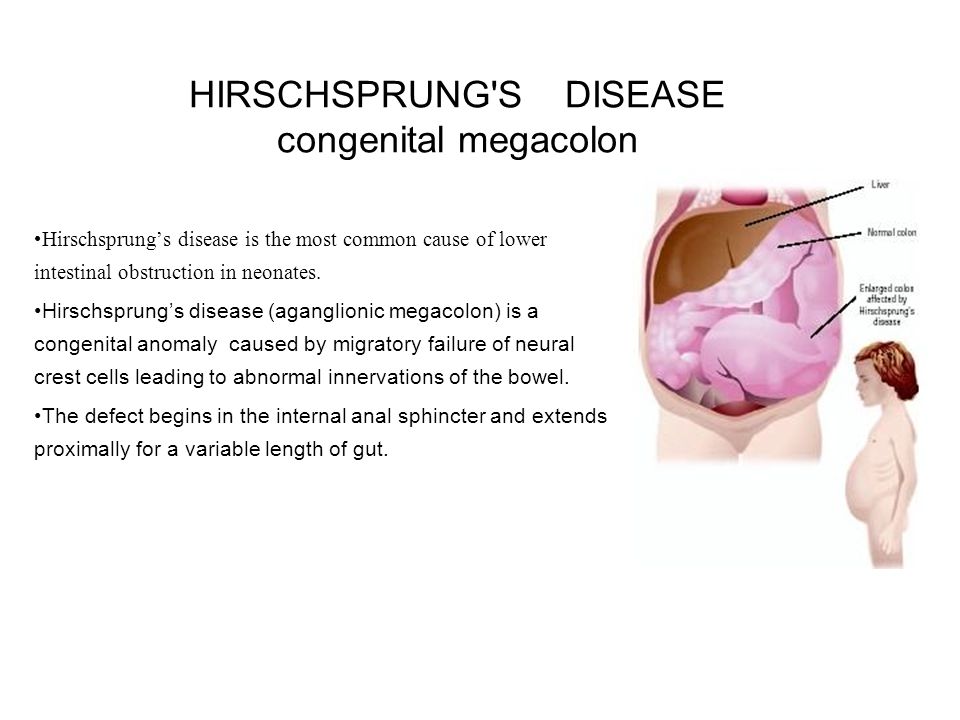
"Hirschsprung's disease, also called congenital megacolon or congenital aganglionic megacolon, is a congenital disorder of the large intestine, characterized by absence or marked reduction of parasympathetic ganglion cells in the colorectal wall. Hirschsprung's disease appears to be a familial, congenital defect, occurring in 1 in 5,000 to 1 in 8,000 live births. It's up to 7 times more common in males than in females (although the aganglionic segment is usually shorter in males) and is most prevalent in whites. Total aganglionosis affects both sexes equally. Females with Hirschsprung's disease are at higher risk for having affected children. This disease usually coexists with other congenital anomalies, particularly trisomy 21 and anomalies of the urinary tract such as megaloureter."


Image taken from: http://slideplayer.com/slide/7541905/24/images/1/HIRSCHSPRUNG+S+DISEASE+congenital+megacolon.jpg


According to the Mayo Clinic (http://www.mayoclinic.org/diseases-conditions/hirschsprung's-disease/home/ovc-20214664), the symptoms of Hirschsprung's Disease are included but not limited to,


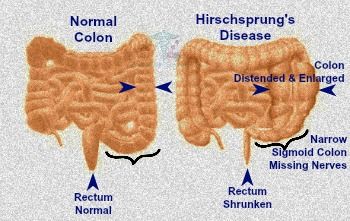
"Hirschsprung's (HIRSH-sproongz) disease is a condition that affects the large intestine (colon) and causes problems with passing stool. The condition is present at birth (congenital) as a result of missing nerve cells in the muscles of the baby's colon.

A newborn who has Hirschsprung's disease usually can't have a bowel movement in the days after birth. In mild cases, the condition might not be detected until later in childhood. Uncommonly, Hirschsprung's disease is first diagnosed in adults.

Surgery to bypass or remove the diseased part of the colon is the treatment."


Image taken from: http://www.birth-defect.org/wp-content/uploads/7f5592e639cf5afb772e168b4a153572.jpg


However, even though it is rare or uncommon, adults can very much get it as well.


The symptoms, according to Mayo (http://www.mayoclinic.org/diseases-conditions/hirschsprung's-disease/symptoms-causes/dxc-20214666), are,

"Signs and symptoms of Hirschsprung's disease vary with the severity of the condition. Usually signs and symptoms appear shortly after birth, but sometimes they're not apparent until later in life.

Typically, the most obvious sign is a newborn's failure to have a bowel movement within 48 hours after birth.


Other signs and symptoms in newborns may include:

Swollen belly

Vomiting, including vomiting a green or brown substance

Constipation or gas, which might make a newborn fussy

Diarrhea


In older children/adults, signs and symptoms can include:

Swollen belly

Chronic constipation

Gas

Failure to thrive

Fatigue


It's not clear what causes Hirschsprung's disease. It sometimes occurs in families and might, in some cases, be associated with a genetic mutation.

Hirschsprung's disease occurs when nerve cells in the colon don't form completely. Nerves in the colon control the muscle contractions that move food through the bowels. Without the contractions, stool stays in the large intestine.


Factors that may increase the risk of Hirschsprung's disease include:

Having a sibling who has Hirschsprung's disease. Hirschsprung's disease can be inherited. If you have one child who has the condition, future biological children could be at risk.

Being male. Hirschsprung's disease is more common in males.

Having other inherited conditions. Hirschsprung's disease is associated with certain inherited conditions, such as Down syndrome and other abnormalities present at birth, such as congenital heart disease."


Image taken from: http://www.medindia.net/images/common/patientinfo/950_400/abdominal-x-ray-can-helps-to-diagnose-the-hirschsprung-disease.jpg


According to MedicineNet (http://www.medicinenet.com/hirschsprung_disease/article.htm,

"The cause of Hirschsprung disease is due to nerve cells that are supposed to grow along the intestine and reach the anus, but do not because they stop growing too soon. Hirschsprung disease (HSCR) is a congenital (present at birth) disease of the large intestine or colon. It is one type of birth defect. People with the disease do not have the nerve cells in the intestine required to expel stools from the body normally.

Some people inherit the disease, and others have mutations in several genes. In about 50% of people with Hirschsprung disease, researchers and doctors do not know what genes cause it.

Your primary care doctor will refer you to a specialist in digestive disorders called a gastroenterologist, to diagnose the condition. Diagnosis for Hirschsprung’s is based on a physical exam, medical and family history, symptoms, and tests, for example, a digital exam.
Surgery is the treatment for this life-threatening disease (procedures include pull-through for infants and ostomy (An ostomy refers to the surgically created opening in the body for the discharge of body wastes) for toddles and older children).

After healing from surgery, your child's bowel movements may become normal. But surgery doesn't cure Hirschsprung disease. Some children/adults will have bowel problems – like constipation or fecal incontinence (“accidents”) – off and on throughout their lives.


Symptoms of Hirschsprung disease in toddlers and older children may include:

Not being able to pass stools without enemas or suppositories. An enema involves flushing liquid into the child’s anus using a special wash bottle. A suppository is a pill Placed into the child’s rectum.

Swelling of the abdomen.

Diarrhea, often with blood.

Slow growth.

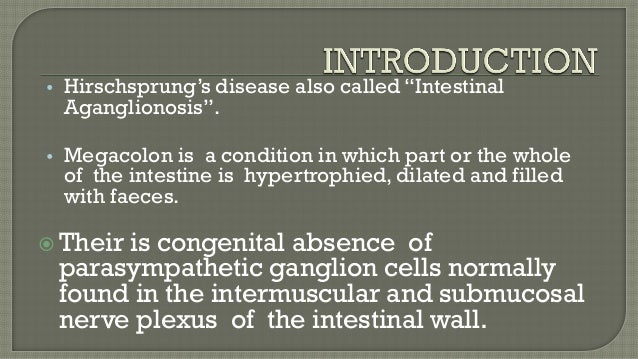
Intellectual disability"


Image taken from: http://image.slidesharecdn.com/hirschsprungsdisease-140510235224-phpapp01/95/hirschsprungs-disease-3-638.jpg?cb=1399767420


According to Science Direct (http://www.sciencedirect.com/science/article/pii/S2237936315000519,

"Some patients reach adulthood without a diagnosis for this disease. Typically, patients go to the doctor with a long-standing history of constipation requiring frequent laxative use.11 The current frequency of the disease in adults is unknown, especially since HD is an overlooked and misdiagnosed disease in this age group. ...the diagnosis of HD is supported by barium enema studies, anorectal manometry and rectal biopsy.

Imaging studies such as computed tomography (CT) and barium enemas are usually accepted for evaluation of chronic constipation, which is a common disorder in adults. Our patient underwent CT due to the unavailability of a barium enema study, but CT is a more expensive method.

The anorectal manometry, even though not contributing in the present case, is an ancillary test of the utmost importance, since the presence of the rectum-anal reflex in this exam usually rule out the diagnosis of HD.

Several procedures are used to manage this disease after childhood; currently the option of choice is the surgical procedure of Duhamel. Late diagnosis contributes to the need for surgery in more than one surgical time, with ileostomy or colostomy, since the healthy colon is more distended in adolescents and adults compared to neonates and children. Nevertheless, the literature considers as the procedure of choice the Duhamel technique in only one surgical time, which reduces the hospitalization time.

This surgery is considered curative. However, post-operative bowel functioning is not always satisfactory. Enterocolitis, constipation and fecal incontinence represent the main postoperative complications in children. To date, the progression for adolescent or adult patients is not fully clarified yet, due to the small number of reported cases."


Image taken from: https://i.pinimg.com/736x/80/76/5d/80765d68dfe49fd160965c6aa5410100--menu-google-search.jpg


I really hope this will help educate you about Hirschsprung disease. I am still learning about it myself. The research I did says it is more likely to happen with children, but adults I know have it and were just officially diagnosed. After you have a rectal biopsy (because doctors do a biopsy to verify you do have HD), then they might do an anorectal manometry (which is where they stick a balloon up your rectum, kind of like the pelvic floor test). Once all of that has been confirmed, then they might start talking reconstructive pelvic surgery.


I would still advise you to be cautious, do your own research, talk to people who have had it done, and make an informed decision so you will know if this is right for you. Thank you very much to my friend who brought this illness to my attention, because I had no idea this was going on. My heart goes out to all of you who are fighting this on a daily basis.