Find us on Google+ Gastroparesis: treatment

Copyright

“You agree that you will not modify, copy, reproduce, sell, or distribute any content in any manner or medium without permission."
Showing posts with label treatment. Show all posts

Tuesday, December 18, 2018

Myasthenia Gravis


What is Myasthenia Gravis?

Myasthenia gravis is a chronic autoimmune neuromuscular disease that causes weakness in the skeletal muscles, which are responsible for breathing and moving parts of the body, including the arms and legs. The name myasthenia gravis, which is Latin and Greek in origin, means 'grave, or serious, muscle weakness.'

The hallmark of myasthenia gravis is muscle weakness that worsens after periods of activity and improves after periods of rest. Certain muscles such as those that control eye and eyelid movement, facial expression, chewing, talking, and swallowing are often (but not always) involved in the disorder. The muscles that control breathing and neck and limb movements may also be affected.

There is no known cure but with current therapies most cases of myasthenia gravis are not as 'grave' as the name implies. Available treatments can control symptoms and often allow people to have a relatively high quality of life. Most individuals with the condition have a normal life expectancy.


What Causes Myasthenia Gravis?

Myasthenia gravis is caused by an error in the transmission of nerve impulses to muscles. It occurs when normal communication between the nerve and muscle is interrupted at the neuromuscular junction—the place where nerve cells connect with the muscles they control.

Neurotransmitters are chemicals that neurons, or brain cells, use to communicate information. Normally when electrical signals or impulses travel down a motor nerve, the nerve endings release a neurotransmitter called acetylcholine. Acetylcholine travels from the nerve ending and binds to acetylcholine receptors on the muscle. The binding of acetylcholine to its receptor activates the muscle and causes a muscle contraction.

In myasthenia gravis, antibodies (immune proteins) block, alter, or destroy the receptors for acetylcholine at the neuromuscular junction, which prevents the muscle from contracting. In most individuals with myasthenia gravis, this is caused by antibodies to the acetylcholine receptor itself. However, antibodies to other proteins, such as MuSK (Muscle-Specific Kinase) protein, can also lead to impaired transmission at the neuromuscular junction.

These antibodies are produced by the body's own immune system. Myasthenia gravis is an autoimmune disease because the immune system—which normally protects the body from foreign organisms—mistakenly attacks itself.

The thymus is a gland that controls immune function and maybe associated with myasthenia gravis. Located in the chest behind the breast bone, the gland is largest in children. It grows gradually until puberty, and then gets smaller and is replaced by fat. Throughout childhood, the thymus plays an important role in the development of the immune system because it is responsible for producing T-lymphocytes or T cells, a specific type of white blood cell that protects the body from viruses and infections.

In many adults with myasthenia gravis, the thymus gland remains large. People with the disease typically have clusters of immune cells in their thymus gland similar to lymphoid hyperplasia—a condition that usually only happens in the spleen and lymph nodes during an active immune response. Some individuals with myasthenia gravis develop thymomas (tumors of the thymus gland). Thymomas are most often harmless, but they can become cancerous.

The thymus gland plays a role in myasthenia gravis, but its function is not fully understood. Scientists believe that the thymus gland may give incorrect instructions to developing immune cells, ultimately causing the immune system to attack its own cells and tissues and produce acetylcholine receptor antibodies—setting the stage for the attack on neuromuscular transmission.


Source: On Image


What are the Symptoms of Myasthenia Gravis?

Although myasthenia gravis may affect any skeletal muscle, muscles that control eye and eyelid movement, facial expression, and swallowing are most frequently affected. The onset of the disorder may be sudden and symptoms often are not immediately recognized as myasthenia gravis.

In most cases, the first noticeable symptom is weakness of the eye muscles. In others, difficulty swallowing and slurred speech may be the first signs. The degree of muscle weakness involved in myasthenia gravis varies greatly among individuals, ranging from a localized form limited to eye muscles (ocular myasthenia), to a severe or generalized form in which many muscles—sometimes including those that control breathing—are affected.


Symptoms may include:

drooping of one or both eyelids (ptosis)
blurred or double vision (diplopia) due to weakness of the muscles that control eye movements
a change in facial expression
difficulty swallowing
shortness of breath
impaired speech (dysarthria)
weakness in the arms, hands, fingers, legs, and neck.


Who gets Myasthenia Gravis?

Myasthenia gravis affects both men and women and occurs across all racial and ethnic groups. It most commonly impacts young adult women (under 40) and older men (over 60), but it can occur at any age, including childhood. Myasthenia gravis is not inherited nor is it contagious. Occasionally, the disease may occur in more than one member of the same family.

Although myasthenia gravis is rarely seen in infants, the fetus may acquire antibodies from a mother affected with myasthenia gravis—a condition called neonatal myasthenia. Generally, neonatal myasthenia gravis is temporary and the child's symptoms usually disappear within two to three months after birth. Rarely, children of a healthy mother may develop congenital myasthenia. This is not an autoimmune disorder (it is caused by defective genes that produce abnormal proteins in the neuromuscular junction) and can cause similar symptoms to myasthenia gravis.


Source:HERE


How is Myasthenia Gravis Diagnosed?


A doctor may perform or order several tests to confirm the diagnosis, including:

A physical and neurological examination. A physician will first review an individual’s medical history and conduct a physical examination. In a neurological examination, the physician will check muscle strength and tone, coordination, sense of touch, and look for impairment of eye movements.

An EDROPHONIUM test. This test uses injections of edrophonium chloride to briefly relieve weakness in people with myasthenia gravis. The drug blocks the breakdown of acetylcholine and temporarily increases the levels of acetylcholine at the neuromuscular junction. It is usually used to test ocular muscle weakness.

A blood test. Most individuals with myasthenia gravis have abnormally elevated levels of acetylcholine receptor antibodies. A second antibody—called the anti-MuSK antibody—has been found in about half of individuals with myasthenia gravis who do not have acetylcholine receptor antibodies. A blood test can also detect this antibody. However, in some individuals with myasthenia gravis, neither of these antibodies is present. These individuals are said to have seronegative (negative antibody) myasthenia.

Electrodiagnostics. Diagnostic tests include repetitive nerve stimulation, which repeatedly stimulates a person’s nerves with small pulses of electricity to tire specific muscles. Muscle fibers in myasthenia gravis, as well as other neuromuscular disorders, do not respond as well to repeated electrical stimulation compared to muscles from normal individuals. Single fiber electromyography (EMG), considered the most sensitive test for myasthenia gravis, detects impaired nerve-to-muscle transmission. EMG can be very helpful in diagnosing mild cases of myasthenia gravis when other tests fail to demonstrate abnormalities.

Diagnostic imaging. Diagnostic imaging of the chest using computed tomography (CT) or magnetic resonance imaging (MRI) may identify the presence of a thymoma.


Source: HERE


Pulmonary function testing. Measuring breathing strength can help predict if respiration may fail and lead to a myasthenic crisis.
Because weakness is a common symptom of many other disorders, the diagnosis of myasthenia gravis is often missed or delayed (sometimes up to two years) in people who experience mild weakness or in those individuals whose weakness is restricted to only a few muscles.


Source: McGraw Hill


What is a Myasthenic Crisis?

A myasthenic crisis is a medical emergency that occurs when the muscles that control breathing weaken to the point where individuals require a ventilator to help them breathe.

Approximately 15 to 20 percent of people with myasthenia gravis experience at least one myasthenic crisis. This condition usually requires immediate medical attention and may be triggered by infection, stress, surgery, or an adverse reaction to medication. However, up to one-half of people may have no obvious cause for their myasthenic crisis. Certain medications have been shown to cause myasthenia gravis. However, sometimes these medications may still be used if it is more important to treat an underlying condition.


How is Myasthenia Gravis Treated?

Today, myasthenia gravis can generally be controlled. There are several therapies available to help reduce and improve muscle weakness.

THYMECTOMY. This operation to remove the thymus gland (which often is abnormal in individuals with myasthenia gravis) can reduce symptoms and may cure some people, possibly by rebalancing the immune system. A recent NINDS-funded study found that thymectomy is beneficial both for people with thymoma and those with no evidence of the tumors. The clinical trial followed 126 people with myasthenia gravis and no visible thymoma and found that the surgery reduced muscle weakness and the need for immunosuppressive drugs.

Anticholinesterase medications
. Medications to treat the disorder include anticholinesterase agents such as MESTINON or PYRIDOSTIGMINE, which slow the breakdown of acetylcholine at the neuromuscular junction and thereby improve neuromuscular transmission and increase muscle strength.

Immunosuppressive drugs. These drugs improve muscle strength by suppressing the production of abnormal antibodies. They include prednisone, azathioprine, mycophenolate mofetil, tacrolimus, and rituximab. The drugs can cause significant side effects and must be carefully monitored by a physician.

Plasmapheresis and intravenous immunoglobulin. These therapies may be options in severe cases of myasthenia gravis. Individuals can have antibodies in their plasma (a liquid component in blood) that attack the neuromuscular junction. These treatments remove the destructive antibodies, although their effectiveness usually only lasts for a few weeks to months.

Plasmapheresis is a procedure using a machine to remove harmful antibodies in plasma and replace them with good plasma or a plasma substitute.
Intravenous immunoglobulin is a highly concentrated injection of antibodies pooled from many healthy donors that temporarily changes the way the immune system operates. It works by binding to the antibodies that cause myasthenia gravis and removing them from circulation.


Source: On Image


What is the prognosis?

With treatment, most individuals with myasthenia can significantly improve their muscle weakness and lead normal or nearly normal lives.

Sometimes the severe weakness of myasthenia gravis may cause respiratory failure, which requires immediate emergency medical care.

Some cases of myasthenia gravis may go into remission—either temporarily or permanently—and muscle weakness may disappear completely so that medications can be discontinued. Stable, long-lasting complete remissions are the goal of thymectomy and may occur in about 50 percent of individuals who undergo this procedure.


What Research is Being Done?

The mission of the National Institute of Neurological Disorders and Stroke (NINDS) is to seek fundamental knowledge about the brain and nervous system and to use that knowledge to reduce the burden of neurological disease. The NINDS is a component of the National Institutes of Health (NIH), the leading supporter of biomedical research in the world.

Although there is no cure for myasthenia gravis, management of the disorder has improved over the past 30 years. There is a greater understanding about the structure and function of the neuromuscular junction, the fundamental aspects of the thymus gland and of autoimmunity, and the disorder itself. Technological advances have led to more timely and accurate diagnosis of myasthenia gravis and new and enhanced therapies have improved treatment options. Researchers are working to develop better medications, identify new ways to diagnose and treat individuals, and improve treatment options.


Medication

Some people with myasthenia gravis do not respond favorably to available treatment options, which usually include long-term suppression of the immune system. New drugs are being tested, either alone or in combination with existing drug therapies, to see if they are effective in treating the disease.

Studies are investigating the use of therapy targeting the B cells that make antibodies (rituximab) or the process by which acetylcholine antibodies injure the neuromuscular junction (eculizumab). The drugs have shown promise in initial clinical trials.


Diagnostics and biomarkers

In addition to developing new medications, researchers are trying to find better ways to diagnose and treat this disorder. For example, NINDS-funded researchers are exploring the assembly and function of connections between nerves and muscle fibers to understand the fundamental processes in neuromuscular development. This research could reveal new therapies for neuromuscular diseases like myasthenia gravis.

Researchers are also exploring better ways to treat myasthenia gravis by developing new tools to diagnose people with undetectable antibodies and identify potential biomarkers (signs that can help diagnose or measure the progression of a disease) to predict an individual’s response to immunosuppressive drugs.


Source: McGraw Hill


New treatment options

Findings from a recent NINDS-supported study yielded conclusive evidence about the benefits of surgery for individuals without thymoma, a subject that had been debated for decades. Researchers hope that this trial will become a model for rigorously testing other treatment options, and that other studies will continue to examine different therapies to see if they are superior to standard care options.


Where can I get more information?

For more information on neurological disorders or research programs funded by the National Institute of Neurological Disorders and Stroke, contact the Institute's Brain Resources and Information Network (BRAIN) at:

BRAIN
P.O. Box 5801
Bethesda, MD 20824
800-354-9424
www.ninds.nih.gov


More information about research on myasthenia gravis supported by NINDS and other NIH Institutes and Centers can be found using NIH RePORTER (projectreporter.nih.gov), a searchable database of current and past research projects supported by NIH and other federal agencies. RePORTER also includes links to publications and resources from these projects.


Information is also available from the following organizations:

Myasthenia Gravis Foundation of America, Inc.
355 Lexington Avenue, 15th Floor
New York, NY 10017
212-297-2156
800-541-5454
www.myasthenia.org

American Autoimmune Related Diseases Association
22100 Gratiot Avenue
Eastpointe, MI 48021
586-776-3900
www.aarda.org

Muscular Dystrophy Association
222 S. Riverside Plaza, Suite 1500
Chicago, IL 60606
800-572-1717
www.mda.org

U.S. National Library of Medicine
National Institutes of Health/DHHS
8600 Rockville Pike
Bethesda, MD 20894
301-594-5983
888-346-3656
www.nlm.nih.gov

NIH Publication No. 17-768

"Myasthenia Gravis Fact Sheet", NINDS, Publication date May 2017.

NIH Publication No. 17-768

Back to Myasthenia Gravis Information Page

See a list of all NINDS publications

Publicaciones en EspaƱol

Miastenia gravis

Prepared by:

Office of Communications and Public Liaison

National Institute of Neurological Disorders and Stroke

National Institutes of Health

Bethesda, MD 20892

NINDS health-related material is provided for information purposes only and does not necessarily represent endorsement by or an official position of the National Institute of Neurological Disorders and Stroke or any other Federal agency. Advice on the treatment or care of an individual patient should be obtained through consultation with a physician who has examined that patient or is familiar with that patient's medical history.

All NINDS-prepared information is in the public domain and may be freely copied. Credit to the NINDS or the NIH is appreciated.

PATIENT & CAREGIVER EDUCATION
Fact Sheets
Hope Through Research
Know Your Brain
Preventing Stroke
Understanding Sleep
The Life and Death of a Neuron
Genes At Work In The Brain
Order Publications
Date last modified: Fri, 2018-07-06 16:21"


Source:HERE


According to the CLEVELAND CLINIC,


"What is Myasthenia Gravis?

Myasthenia gravis (MG) is a neuromuscular disease, meaning that it affects the muscles and the nerves that control them. It is caused by a disorder in the immune system that causes the body to attack the area of the muscles where the nerves connect to them.

The immune system is the body’s natural defense against disease. Normally, when bacteria or other foreign substances enter the body, the immune system produces molecules called antibodies that attack the bacteria.

In people with myasthenia gravis, the immune system produces abnormal antibodies that prevent the muscles from receiving signals from the nerves that tell them when to relax or contract. This causes muscle weakness with symptoms that can include in double vision or blurred vision (eye muscle weakness), drooping eyelids (eyelid muscle weakness), difficulty with speaking and swallowing (throat muscle weakness) and weakness of the limbs.

When the immune system acts against healthy tissue by mistake, it is called an autoimmune disorder, with “auto” meaning “self. So myasthenia gravis is a neuromuscular autoimmune disease.

Myasthenia gravis is most common in young women and older men, but people of any age or either sex can get it.


Source:HERE


What Causes Myasthenia Gravis?

Scientists do not completely understand what triggers the autoimmune reaction in myasthenia gravis, but they do know that the thymus gland plays a role in the disease.

The thymus is a small gland that lies in the front part of the chest, beneath the breastbone, and extends into the lower part of the neck. It is most important early in life during immune system development.

A baby’s thymus gland weighs between .7 and 1.1 oz. The gland continues to grow and by puberty weighs 1.1 to 1.8 oz. The thymus gland’s job is thought to be completed by puberty, and after that it decreases in size. Over time, fat replaces portions of the gland. In older people the thymus weighs only .1 to .5 oz.

Tumors of the thymus gland are called thymomas (https://my.clevelandclinic.org/health/articles/6196-thymoma-and-thymic-carcinoma). Around 10-15 percent of people with myasthenia gravis have a thymoma Another 60%, however, will have other abnormalities of the gland including thymic hyperplasia (an enlarged gland).

The original association between the thymus gland and myasthenia gravis was made back in the early 1900’s when surgeons observed that removal of a thymoma resulted in the improvement in the patient’s myasthenia gravis. Ultimately surgeons began removing of the thymus gland in myasthenic patients without thymic tumors and a similar response was noted.

Research into the causes and treatments of myasthenia gravis will help scientists learn more about the role of the thymus in the disease.


Source:HERE


How is Myasthenia Gravis Treated?

The key to treatment of myasthenia gravis begins with an accurate diagnosis. The evaluation is usually directed by a Neurologist and can involve blood tests, nerve testing and tests involving administration of medicines in order to differentiate myasthenia gravis from other disease of muscles and nerves.

Once the diagnosis has been confirmed, a treatment plan is developed with the goal of reducing the number of antibodies causing the disease and/or improving the communication between the nerves and muscles. The ultimate results is improving muscle strength.


Medical treatment options include:

Medicines that suppress antibody production or improve nerve signal transmission
Plasmapheresis, a procedure that removes antibodies from the blood
High-dose intravenous immune globulin, the infusion of normal antibodies from donated blood to temporarily modify the immune system
Surgical treatment is thymectomy, removal of the thymus gland. This is the treatment for patients with thymomas, but is also considered for patients with MG who do not have thymomas.

At Cleveland Clinic, the Thoracic Surgeons are part of the treatment team evaluating patients and identifying the most appropriate combination of therapies for each individual.


Procedure Details


What are the results of thymectomy?

The goal of a thymectomy is to remove the source of abnormal antibody production causing the disease thus leading to resolution of symptoms. The benefits of thymectomy are not realized immediately after surgery, thus patients will continue with there medical regimen after the procedure with the goal of weaning those medications over time.Individual response to thymectomy varies depending on the patient’s age, response to prior medical therapy, the severity of the disease and how long the patient has had myasthenia gravis. In general, 70 percent of patients have complete remission or significant reduction in medication needs within a year of the procedure. The other 30 percent of patients who have thymectomy experience no change in their symptoms. According to the American Association of Neurologists, patients who have thymectomy are two times as likely to experience remission as those who have medical treatment alone.


How does a doctor determine which patients with myasthenia gravis should undergo thymectomy?

Thymectomy is recommended for all patients with thymomas and for patients under 60 who have mild to moderate muscle weakness due to myasthenia gravis. Thymectomy generally is not used for treating patients with myasthenia gravis that affects only their eyes.Thymectomy appears to be most effective when it is performed six to 12 months after the onset of symptoms. It is important to talk to your doctor early in your diagnosis about thymectomy as an option for treatment.


How is thymectomy performed?

Thymectomy can be performed by several different surgical techniques:

Transsternal thymectomy: In this procedure, the incision is made in the skin over the breastbone (sternum), and the breastbone is divided (sternotomy) to expose the thymus. This approach is commonly used for heart surgery. The surgeon removes the thymus through this incision as well as any residual fat in the center of the chest which may harbor extra thymic cells. This approach is commonly used when the patient has a thymoma.

Transcervical thymectomy: In this procedure the incision is made across the lower part of the neck, just above the breastbone(sternum). The surgeon removes the thymus through this incision without dividing the sternum. This is mostly used in patients without thymoma with certain body-types.

Robotic thymectomy and Video-assisted thorascopic thymectomy (VATS): These Minimally invasive techniques use several tiny incisions in the chest. A camera is inserted through one of the incisions and the surgery is performed with video guidance. The surgeon removes the thymus by using special surgical tools inserted into the other incisions. In a robotic-assisted procedure, the surgeon uses robotic arms to perform the surgery. The goal is to provide the same result as the more invasive transsternal approach with less post-operative discomfort and a quicker recovery.


What type of thymectomy is the best for me?

The transsternal thymectomy is the most commonly performed procedure, however there are no proven differences in outcomes with less invasive approaches. Your neurologist and surgeon will guide you in making a decision about the type of thymectomy you should have. Your surgeon will make a recommendation based on whether a thymoma is present and other factors related to your history and anatomy.There currently is no scientific evidence that proves one type of thymectomy is better than the other in terms of outcomes. To make the best decision for yourself, you should be informed about the different types of thymectomy and consult with your neurologist and surgeon. You also may want to seek a second opinion.


Risks / Benefits
What are the risks of thymectomy?


Complications are rare, but the risks include:

Infection
Bleeding
Injury lung
Nerve injury
Your doctor will evaluate your personal risk based on your age and other medical conditions.


Additional Details

How can I find a doctor who can evaluate me for thymectomy or provide a second opinion?
Thymectomy is performed by a thoracic surgeon, a surgeon who operates on the chest. This is a relatively rare procedure and should be performed by a surgeon with experience specifically in this procedure. In addition, the best outcomes are achieved by a multidisciplinary team of neurologists and thoracic surgeons with a cohesive treatment plan.

Doctors who perform this surgery (https://my.clevelandclinic.org/departments/heart/depts/thoracic-surgery#doctors-tab)
Thoracic Surgery Department (https://my.clevelandclinic.org/departments/heart/depts/thoracic-surgery)
For a referral to a physician, contact us (https://my.clevelandclinic.org/departments/heart/appointments-locations) or call the Miller Family Heart & Vascular Institute Resource & Information Nurse at 216.445.9288 or toll-free at 800.289.6911. We would be happy to assist you.


Resources

If you need more information, click here to contact us (https://my.clevelandclinic.org/departments/heart/appointments-locations), chat online with a nurse (https://my.clevelandclinic.org/departments/heart/appointments-locations#resource-nurse-tab) or call the Miller Family Heart and Vascular Institute Resource & Information Nurse at 216.445.9288 or toll-free at 866.289.6911. We would be happy to help you.


Condition Information

Myasthenia Gravis (https://my.clevelandclinic.org/health/diseases/17252-myasthenia-gravis-mg-)


Treatment Guides

All Miller Family Heart & Vascular Institute Treatment Guides (https://my.clevelandclinic.org/departments/heart/patient-education/treatment-guides)


This information is provided by the Cleveland Clinic and is not intended to replace the medical advice of your doctor or healthcare provider. Please consult your healthcare provider for advice about a specific medical condition. This document was last reviewed on: 04/14/2015"


Helpful Links & Resources for Myasthenia Gravis:

http://www.myasthenia.org/CommunitySupport/SupportGroupCalendar.aspx

https://www.elderneedslaw.com/blog/elder-law-and-myasthenia-gravis

https://www.ninds.nih.gov/Disorders/Patient-Caregiver-Education/Fact-Sheets/Myasthenia-Gravis-Fact-Sheet

https://medlineplus.gov/druginfo/meds/a682229.html

https://www.rxlist.com/mestinon-drug/patient-images-side-effects.htm#whatis

Friday, September 22, 2017

Treatment Options for Gastroparesis & Traveling with a Feeding Tube

Treatment Options for Gastroparesis

"Thomas L. Abell, MD

Dr. Abell will share his 35 years of experience with gastroparesis patients, and the perspective gained from 100 patient focus groups. He will discuss the published work on the NIH Gastroparesis consortium, as well as current thoughts on the pathophysiology of gastroparesis and the gastroparesis like syndrome. He will conclude his presentation with a review of therapeutic options for these disorders."


Treatment Options for Gastroparesis: Image and Information Credit: http://oley.org/?page=webinars


For the complete recorded webinar: https://www.youtube.com/watch?v=mcTb-Qzvaak&feature=youtu.be


Traveling with a Feeding Tube

According to the Feeding Tube Awareness Foundation, which can be found here: http://www.feedingtubeawareness.org/navigating-life/on-the-go/traveling/,

"Traveling these days is always a challenge, especially if you will be taking a plane or even a train. But it can be done, with a little preplanning. Here are 5 simple steps to making your trip work.

Talk to your doctor. At least a month prior to travel, talk to your doctor about your travel plans. Ask your doctor to write a letter that explains your child’s medical condition. Make sure it includes a complete list of medical equipment or supplies your child will have while traveling. Print it out, as only paper documentation will get you through security. See this sample letter from the Oley Foundation.

Create an emergency plan. You need to have a plan in place in case something happens. Research where the closest children’s hospital is to your destination. Ask your doctor for a recommendation for a hospital or doctor in case something happens. Also, make sure to plan for any possible emergencies, such as a tube that falls out, a broken pump, or a lost shipment of formula. Consider bringing your child’s medical records, or at least a summary of them, such as a copy of the AAP/ACEP Emergency Information Form for Children With Special Health Care Needs.

Talk to your homecare company. You will need to bring along medical supplies and formula, which can get quite heavy. Ask your homecare company if formula and supplies can be shipped to your destination, or if they have a local branch that can deliver supplies. Make sure you know who to contact if there is a problem with your pump or charger during the trip. In some cases, the homecare company may even provide an extra backup pump for travel.

Determine what you need to pack. More on this below.

Contact the airline, train, or transportation authority at least 72 hours in advance.


What to Pack

This is a general list of things you might need or want to pack for a trip with a child who has a feeding tube. For more detailed information, see the blog Traveling with a Tubie: What to Pack.

Feeding pump and backpack
Feeding sets (bags)
Feeding pump charger
Feeding syringes or gravity bags
Extension sets and adaptors
Syringes for flushing
Venting supplies, such as syringes, Farrell bags, or venting tubes
Water for flushing while traveling — consider bringing 60ml sterile water containers for air travel or travel abroad
Formula, breastmilk, or blenderized meals — with ice packs if necessary
All medications
Small syringes, pill crushers, or medicine cups for medications
A tube replacement kit, including at least one extra tube, lubricant, a syringe for the balloon port if applicable, and tape
Tape, gauze, and dressings as needed


Remember your Charger!


The number one forgotten item when traveling is the feeding pump charger or power cord. Always double check to make sure you have packed yours.

Parent tip: consider bringing a small cooler or insulated lunch bag to transport formula and medications with an ice pack. You can also purchase small refrigerators that plug into your car.


Airline and Train Regulations

It is critical to contact the airline, TSA, or Amtrak in advance if you will traveling with medical supplies. There are many regulations about what can be carried on, what can be checked, and what must be shipped.

For air travel, a good place to start is the TSA Cares hotline at 1-855-787-2227 or TSA-ContactCenter@dhs.gov. The following TSA-related links will help you find general information for traveling with medical supplies.


TSA Tips for Traveling with Medication

Screening for Passengers Requiring Special Assistance
Travelers with Disabilities and Medical Conditions
Screening for Passengers Requiring Special Assistance
3-1-1 Liquids Rule
Traveling with Formula, Breast Milk, and Juice
Disability Notification Card
Traveling with Children
Screening for Passengers Who Require Medically Necessary Liquids
Screening for Passengers with Medical Devices
For train travel, see Amtrak’s Screening Process.


Traveling with Medical Liquids

From time to time, headlines in the news highlight stories of people who run into trouble while traveling with medical supplies and liquids. These stories can be scary for anyone who is considering flying with these items, but don’t let your fear of the TSA screening process stop you from traveling. While there are no guarantees that everything will go perfectly, ample preparation ahead of time will greatly reduce your risk of difficulty with the screening process. Here are a few things to keep in mind when preparing to travel.

1. You can and SHOULD call the TSA Cares hotline before your trip. The purpose of TSA Cares is “to assist travelers with disabilities and medical conditions.” According to the TSA’s website, it is recommended that passengers call the hotline 72 hours prior to traveling. Representatives at TSA Cares are able to give advice specific to each individual’s particular needs that will aid in the security screening process, and give the traveler a better idea of what to expect when they arrive at the security checkpoint. Moreover, the TSA Cares program can provide a TSA agent to escort the traveler through the airport and assist in the screening process. The hotline’s toll-free number is 1-855-787-2227 and the email address is TSA-ContactCenter@dhs.gov. The hotline’s hours of operation are Monday-Friday from 8am-11pm EST and weekends and holidays from 9am-8pm EST.

2. Use the TSA’s Disability Notification Card. This card can be printed from this link and handed to a TSA agent upon arriving at the security checkpoint to make screeners aware that you will need some type of additional consideration during the screening process. The card will not get you out of any part of the screening process, but it will discreetly alert them to your needs and hopefully help the process to go more smoothly.

3. You CAN carry more medical liquids through security than would be allowed through the 3-1-1 rule. Medical liquids such as formula, breast milk, baby food, and liquid medications are allowed through security checkpoints. The TSA website warns, however, that travelers carrying medical liquids MUST declare medical liquids at the beginning of the screening process due to the additional screening measures required. If you or your child require a specialized ready-to-feed formula that cannot be purchased at a retail store in the event that checked baggage were to get lost, it is a good idea to carry enough formula on board for 2 days. That would hopefully allow enough time once you’ve reached your destination to make emergency arrangements with your supply company or find someone local to the area you are visiting that could spare enough extra to hold you over until your baggage arrives. Any necessary medications should ALWAYS be brought in carry-on luggage.

4. For longer trips, ship supplies and formula to your destination ahead of time if possible. This will prevent you from having to pack all of your needed supplies in your checked luggage.

5. Check with your airline about waived baggage fees for medical supplies. Most airlines that charge fees for checked baggage will allow one bag of medical supplies to be checked without paying the usual baggage fee. You may still want to pack one or two days’ worth of supplies in a separate checked bag as well, just in case the medical supply bag arrives late.

6. Pack your liquids last. If they are the last thing you put in your carry-on bag, they will be easily accessible when it’s time to go through security. Put everything in zippered plastic bags so that when you get to the security checkpoint, it will be easy to pull them out without having to dig through your whole carry-on bag.

7. Print all of the TSA policies that pertain to what you’re carrying with you. While the TSA works to ensure proper training for all its agents, there is always a chance that you will encounter an agent who does not have experience with or a thorough understanding of the policies pertaining to medical liquids and supplies. Print any policies from their website that may apply to your situation and keep them in a zippered plastic bag inside the same bag with your medical liquids where they are easily accessible. If anything comes into question, you can quickly identify the policy that pertains to that item. It is also not a bad idea to have a letter from a physician listing the medical liquids, supplies and equipment that you will be traveling with that may affect the security screening process.

8. Don’t send your liquids through the x-ray machine in a closed carry-on bag. If you have your cans or bottles of liquid formula and medications in zippered plastic bags, it’s easy to pull them out and put them in one of the plastic tubs provided at security. (The plastic bag will also keep them from getting dirty since people put their shoes in those tubs, too.) If you have a soft cooler with medical liquids and ice packs in it, unzip and open it before putting it through the x-ray machine and set it into one of the provided plastic tubs. Before any of your medical liquids go through the x-ray machine, make sure that the TSA agents who are doing the x-ray screening see what you have and hear you say that you are sending medical liquids through the machine so they know what’s coming before it pops up on their viewing screen. Most other medical supplies, such as syringes, pump bags, extension tubes, and medical tape can go through the x-ray machine.

9. It’s okay to ask your TSA screener to put on a clean pair of gloves before handling your medical supplies. Ask nicely, and insist if you need to. Explain that because of the individual’s medical conditions, you are doing everything you can to avoid contact with germs and cross-contamination. It may be a good idea to remind them to put on fresh gloves after coming into contact with your medications as well.

10. When you travel with medical liquids, you WILL be asked to open them, or they may be opened for you. The TSA’s website states, “Liquids, gels, and aerosols are screened by X-ray and medically necessary items in excess of 3.4 ounces will receive additional screening. A passenger could be asked to open the liquid or gel for additional screening. TSA will not touch the liquid or gel during this process. If the passenger does not want a liquid, gel, or aerosol X-rayed or opened for additional screening, he or she should inform the officer before screening begins. Additional screening of the passenger and his or her property may be required, which may include a patdown.” If you are carrying ready-to-feed liquid formula in cans or tetra paks, know ahead of time that you will most likely have to open them and bring something to pour the formula into, such as a spare feeding pump bag or empty baby bottles with tight-fitting lids. Even an empty plastic water bottle will do. To avoid concerns over opened formula spoiling, travel with a small soft cooler and ice packs. Opened formula is good for 24 hours when it is kept refrigerated. Medications will need to be opened and tested as well. Even though the TSA doesn’t require it, it’s a very good idea to put bottles of liquid medications in zippered plastic bags in case of spills. It’s also a good idea to make sure the lids are on tight after they’ve been tested and before you put them back in your carry-on.

11. Frozen items do not count as liquids as long as they are frozen solid. The TSA website states that “Frozen items are permitted as long as they are solid and in a ‘frozen state’ when presented for screening.” This includes ice packs used to keep formula and medications cold. However, if they are at all thawed or slushy, they will be subject to the rules and regulations for liquids. For individuals who use a blenderized diet or breast milk for tube feeds, this would also mean that pre-blended formula or breast milk that has been frozen solid would be permitted without being subject to the additional screening for liquids as long as it is not partially thawed.

12. Allow extra time in case you run into delays at security. Of course this is advised for all travelers, but going through the security screening process with larger-than-usual quantities of medical liquids and individuals with special needs means can take extra time. Find out the recommended arrival time for the airport you will be departing from and add an extra half hour or hour to it, just in case. You may end up sitting at the gate for a longer time than you’d like, but that is much better than missing your flight. If you have allowed ample time before your flight, you will not have the added stress during the security screening process of wondering if you’ll miss your flight or not.

13. Be polite. Patience and a positive attitude can go a long way in helping the screening process go smoothly."


Traveling with IV Nutrition or Tube Feeding
Barbara Klinger (experienced traveler with IV nutrition)
Rick Davis (experienced traveler with tube feeding)
Susan Buckland, TSA (Oley Foundation)


Image and Information Credit: http://oley.org/?page=webinars


For the complete recorded Webinar: https://www.youtube.com/watch?v=3UrnyhaA-8Y&feature=youtu.be

My friend wrote an article entitled, "Tips on Surviving A Car Trip With Gastroparesis."


Image Source taken from Imgur

Monday, May 5, 2014

Dumping Syndrome

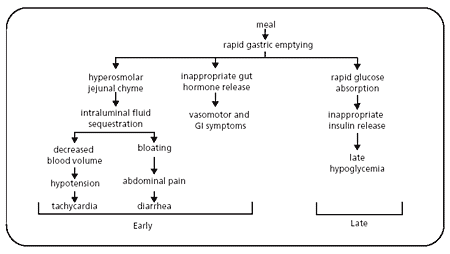
If you have Gastroparesis, then you have probably dealt with dumping syndrome at some point during your illness. Frequently, my friends get it when their stomachs decide to empty all at once, myself included. I thought I would write an article about it because it's not something I've already addressed and I wanted to bring awareness to the fact that it exists. I know a lot of people are scared or nervous to ask questions about pooping, so I'm going to try and do my best to explain dumping syndrome and how to get past it, especially when it's already hard for you to maintain fluids due to GP (gastroparesis).


So, what is dumping syndrome?


Image, courtesy of: http://www.nursestip.com/files/Dumping%20Syndrome.jpg


Here are some Youtube videos that you can watch below, to explain what Dumping Syndrome is. They are not the most interesting videos, but contain great information and facts on dumping syndrome.


According to the Mayo Clinic,

"Dumping syndrome is a group of symptoms that are most likely to develop if you've had surgery to remove all or part of your stomach, or if your stomach has been surgically bypassed to help lose weight. Also called rapid gastric emptying, dumping syndrome occurs when the undigested contents of your stomach move too rapidly into your small bowel. Common symptoms include abdominal cramps, nausea and diarrhea.

Most people with dumping syndrome experience symptoms soon after eating. In others, symptoms may occur one to three hours after eating. Some people experience both early and late symptoms.

Dumping syndrome is managed by adjusting your diet. In more-serious cases of dumping syndrome, you may need medications or surgery.


Symptoms of Dumping Syndrome:

Symptoms of dumping syndrome are most common during a meal or within 15 to 30 minutes following a meal. They include:

Gastrointestinal

Nausea
Vomiting
Abdominal cramps
Diarrhea
Feeling of fullness

Cardiovascular

Flushing
Dizziness, lightheadedness
Heart palpitations, rapid heart rate

Signs and symptoms also can develop later, usually one to three hours after eating. This is due to the dumping of large amount of sugars into the small intestine (hyperglycemia). In response, the body releases large amounts of insulin to absorb the sugars, leading to low levels of sugar in the body (hypoglycemia). Symptoms of late dumping can include:

Sweating
Hunger
Fatigue
Dizziness, lightheadedness
Confusion
Heart palpitations, rapid heart rate
Fainting

A study of more than 1,100 people who had their stomachs surgically removed found that about two-thirds experienced early symptoms and about a third experienced late symptoms of dumping syndrome. Some people experience both early and late signs and symptoms.

No matter when problems develop, however, they may be worse following a high-sugar meal, especially one that's rich in table sugar (sucrose) or fruit sugar (fructose).


Causes of Dumping Syndrome:

In dumping syndrome, food and gastric juices from your stomach move to your small intestine in an uncontrolled, abnormally fast manner. This is most often related to changes in your stomach associated with surgery, such as when the opening (pylorus) between your stomach and the small intestine (duodenum) has been removed during an operation.

The pylorus acts as a brake so that stomach emptying is gradual. When it's removed, stomach material dumps rapidly into the small intestine. The ill effects of this are thought to be caused by the release of gastrointestinal hormones in the small intestine, as well as insulin secreted to process the sugar (glucose).

Dumping syndrome can occur after any operation on the stomach as well as after removal of the esophagus (esophagectomy). Gastric bypass surgery for weight loss is the most common cause today. It develops most commonly within weeks after surgery, or as soon as you return to your normal diet. The more stomach removed or bypassed, the more likely that the condition will be severe. It sometimes becomes a chronic disorder.


Tests and Diagnosis:

Your doctor may use some of the following methods to determine if you have dumping syndrome.

Medical history and evaluation. Your doctor can often diagnose dumping syndrome by taking a careful medical history and then evaluating your signs and symptoms. If you have undergone stomach surgery, that may help lead your doctor to a diagnosis of dumping syndrome.

Blood sugar test. Because low blood sugar is sometimes associated with dumping syndrome, your doctor may order a test (oral glucose tolerance test) to measure your blood sugar level at the peak time of your symptoms to help confirm the diagnosis.

Gastric emptying test. A radioactive material is added to food to measure how quickly food moves through your stomach.


Treatments and Medications:

Most cases of dumping syndrome improve as people learn to eat better for the condition and as the digestive system adjusts. There's a good chance that changing your diet will resolve your symptoms. (See recommendations under Lifestyle and home remedies.) If it doesn't, your doctor may advise medications or surgery to address the problem.
Medications

Your doctor may prescribe certain medications to slow the passage of food out of your stomach, and relieve the signs and symptoms associated with dumping syndrome. These drugs are most appropriate for people with severe signs and symptoms, and they don't work for everyone.

The medications that doctors most frequently prescribe are:

Acarbose (Precose). This medication delays the digestion of carbohydrates. Doctors prescribe it most often for the management of type 2 diabetes, and it has also been found to be effective in people with late-onset dumping syndrome. Side effects may include sweating, headaches, sudden hunger and weakness.

Octreotide (Sandostatin). This anti-diarrheal drug can slow down the emptying of food into the intestine. You take this drug by injecting it under your skin (subcutaneously). Be sure to talk with your doctor about the proper way to self-administer the drug, including optimal choices for injection sites. Long-acting formulations of this medication are available.

Because octreotide carries the risk of side effects (diarrhea, bulky stools, gallstones, flatulence, bloating) in some people, doctors recommend it only for people who haven't responded to other treatments and who are not candidates for surgery.
Surgery

Doctors use a number of surgical procedures to treat difficult cases of dumping syndrome that are resistant to more conservative approaches. Most of these operations are reconstructive techniques, such as reconstructing the pylorus, or they're intended to reverse gastric bypass surgery.


Feeding tube

A last resort for people who are not helped by any other treatment is to insert a tube into the small intestine through which nutrients can be delivered."


Image, courtesy of: http://img.medscape.com/slide/migrated/editorial/cmecircle/2002/1989/nehra/nehra_figure_02.gif


According to WebMD,

After gastric surgery, it can be more difficult to regulate movement of food, which dumps too quickly into the small intestine. Eating certain foods makes dumping syndrome more likely. For example, refined sugars rapidly absorb water from the body, causing symptoms. Symptoms may also happen after eating dairy products and certain fats or fried foods.


Dumping Syndrome: Symptoms of the Early Phase

An early dumping phase may happen about 30 to 60 minutes after you eat. Symptoms can last about an hour and may include:

A feeling of fullness, even after eating just a small amount
Abdominal cramping or pain
Nausea or vomiting
Severe diarrhea
Sweating, flushing, or light-headedness
Rapid heartbeat


Dumping Syndrome: Causes of the Early Phase

Symptoms of an early phase happen because food is rapidly "dumping" into the small intestine. This may be due to factors such as these:

The small intestine stretches.
Water pulled out of the bloodstream moves into the small intestine.
Hormones released from the small intestine into the bloodstream affect blood pressure.


Dumping Syndrome: Symptoms of the Late Phase

A late dumping phase may happen about 1 to 3 hours after eating. Symptoms may include:

Fatigue or weakness
Flushing or sweating
Shakiness, dizziness, fainting, or passing out
Loss of concentration or mental confusion
Feelings of hunger
Rapid heartbeat


Dumping Syndrome: Causes of the Late Phase

The symptoms of this late phase may happen due to a rapid rise and fall in blood sugar levels. The cause of this rapid swing in blood sugar may be worse when eating sweets or other simple carbohydrates.


Dumping Syndrome Treatment

Many people find that taking steps like these greatly reduces symptoms of dumping syndrome.

Foods to avoid. Avoid eating sugar and other sweets such as:

Candy
Sweet drinks
Cakes
Cookies
Pastries
Sweetened breads

Also avoid dairy products and alcohol. And avoid eating solids and drinking liquids during the same meal. In fact, don't drink 30 minutes before and 30 minutes after meals.

Foods to eat. To help with symptoms, also try these tips:

Use fiber supplements, such as psyllium (Metamucil or Konsyl), methylcellulose (Citrucel), or guar gum (Benefiber). **NOTE: If you have Gastroparesis as well, please consult your doctor as high fiber content can make our condition worse.

Use sugar replacements, such as Splenda, Equal, or Sweet'N Low, instead of sugar.

Go for complex carbohydrates, such as vegetables and whole-wheat bread, instead of simple carbohydrates, such as sweet rolls and ice cream.

To prevent dehydration, drink more than 4 cups of water or other sugar-free, decaffeinated, noncarbonated beverages throughout the day


If you have any questions or comments about the article, feel free to email me. I'm currently working on an article about pregnancy and GP. I'm gathering research and will hopefully, have it out in the next two weeks. Please email me if you have an idea for an article that you'd like to see and/or questions/comments: emilysstomach[at]gmail.com.

Friday, June 14, 2013

Information about Malnutrition


What is Malnutrition?

What is Malnutrition? Malnutrition describes both the nutritional value and the amount of food a person consumes. While not eating enough food clearly causes malnutrition, bad nourishment can also leave you malnourished. According to the World Food Program, when a person is not getting enough food or not getting the right sort of food, malnutrition is just around the corner. Disease is often a factor, either as a result or contributing cause. Even if people get enough to eat, they will become malnourished if the food they eat does not provide the proper amounts of micronutrients - vitamins and minerals - to meet daily nutritional requirements.

Good nutrition is critical to overall health and well-being, but with Gastroparesis, it's even harder to get the vitamins and minerals that your body needs in order to sustain yourself. When you cannot keep food that contains nutrients your body needs down, it becomes a huge problem - almost a hole that you cannot dig yourself out of.


How Does Malnutrition Start?

According to the Mayo Clinic, the causes of malnutrition might seem straightforward: too little food or a diet lacking in nutrients. Malnutrition can occur as a result of inadequate food intake, digestive disorders, problems with absorption and other medical conditions, according to Medline Plus. Excess consumption of alcohol can also lead to malnutrition and vitamin deficiencies. Malnutrition is often caused by a combination of physical, social and psychological issues. For example:

Health concerns. Adults often have health issues (in our case, Gastroparesis) that can lead to decreased appetite or trouble eating, such as chronic illness, use of certain medications, difficulty swallowing or absorbing nutrients, or trouble chewing due to dental issues. A recent hospitalization might be accompanied by loss of appetite or other nutrition problems. In other cases, a diminished sense of taste or smell decreases appetite. Dementia also can contribute to malnutrition.

Restricted diets. Dietary restrictions — such as limits on salt, fat, protein or sugar — can help manage certain medical conditions, but might also contribute to inadequate eating.

Limited income. People might have trouble affording groceries, especially if they're taking expensive medications. Also, gluten free products tend to be more expensive than food that contains gluten. Additionally, when you are on a specific diet like the Gastroparesis diet from Mayo or FOODMAP, those foods tend to be a bit more expensive.

Reduced social contact. Adults who eat alone might not enjoy meals, causing them to lose interest in cooking and eating. I found this interesting. I forget to eat if no one is home because I am usually not hungry. If someone does not remind me to eat, I don't.

Depression. Grief, loneliness, failing health, lack of mobility and other factors might contribute to depression — causing loss of appetite. When your social life is nonexistent due to Gastroparesis, it does make you depressed. I speak from personal experience. I have issues leaving my house because of vomiting and nausea, so that contributes to my lack of appetite.


Problems Caused By Malnutrition

According to the Mayo Clinic and Medicine Plus, malnutrition can cause:

A weak immune system, which increases the risk of infections

Poor wound healing

Muscle weakness, which can lead to falls and fractures

Lack of specific nutrients in your diet. Even the lack of one vitamin can lead to malnutrition.

An unbalanced diet

Certain medical problems, such as malabsorption syndromes and cancers

In addition, malnutrition can lead to further disinterest in eating or lack of appetite — which only makes the problem worse. Additionally, with Gastroparesis, you may not have an appetite to begin with.

Symptoms may include fatigue, dizziness and weight loss, low energy, easy bruising and slow wound healing, or you may have no symptoms. Your doctor will do tests, depending on the cause of your problem. Treatment may include replacing the missing nutrients and treating the underlying cause.

Signs of malnutrition can vary depending on which nutrients are lacking in the diet. Malnourishment can compromise the immune system and make people more vulnerable to illness. If left untreated, malnourishment can lead to illness, physical disability and even death.


What are the Signs and Symptoms of Malnutrition?

According to LiveStrong, malnutrition can affect every system in the body, depending upon the cause of the malnutrition. In mild to moderate cases of malnutrition, no symptoms or signs may be evident; however, as the condition persists, the signs and symptoms will become more pronounced.

The most common symptoms of malnutrition include significant weight loss, weight gain (distension of the belly), fatigue, dizziness, anemia, dry skin, edema, bone and joint pain, brittle nails, and loss of hair color, according to Lab Tests Online.

These can become apparent at any point after the lack of nutrients is realized by the body. When weight loss is the only symptom, doctors sometimes make a diagnosis based on the body mass index (BMI) of the patient, which takes into account age, gender, height and weight. Your doctor may order a series of blood tests that will determine if you are malnourished by your vitamin levels. However, there are symptoms that you can look out for below:

Oral Symptoms. Swollen and/or bleeding gums are the first oral symptoms of malnutrition. As the malnutrition continues, the teeth may begin to decay. When only the gums are affected, the oral effects of malnutrition can be reversed; however, once the teeth begin to decay, the damage is permanent.

Musculoskeletal Symptoms. Fragile bones, osteoporosis and muscle loss and/or weakness are symptoms of malnutrition. When calcium or vitamin D are the nutrients lacking, these symptoms may manifest shortly after the body becomes malnourished.

Mental Symptoms. Malnutrition can cause a slowed reaction time. However, in the elderly population, malnutrition may cause dementia and/or memory loss.

Decreased Organ Function. As malnutrition ravages the body, the organs may begin to function less efficiently. This can lead to heart problems, decreased liver function, kidney failure, decreased lung capacity, intestinal problems, stomach irregularities and abnormal menstrual cycles in females.

Abdominal Symptoms. Ascites, which manifests as a swollen or bloated abdomen, is a sign of malnutrition. This condition is exacerbated when the liver, kidneys or intestinal tract is affected.

Dry Skin. People with malnutrition may develop abnormally dry skin, despite the use of lotions and creams. In severe cases, the skin may begin to crack.


Treatment for Malnutrition

According to LiveStrong, treatment for malnutrition focuses on correcting the malnutrition and restoring normal weight. If malnutrition is caused by inadequate food consumption, an increase in food intake is recommended. If malnutrition occurs as a result of underlying medical conditions, it is necessary to correct the condition. Once the condition is corrected, the malnutrition usually corrects itself with a proper, balanced diet.

However, with Gastroparesis, it's hard to eat meals that replenish nutrients and vitamins because of our recommended diet. Talk with your doctor. They can prescribe vitamin injections to help with your malnourishment and send you to a nutritionist to go over a better, or more thorough diet plan. Below is the B-12 injection I take to bring up some of my vitamin levels because I'm malnourished.


List of Sources:

http://www.wfp.org/hunger/malnutrition

http://www.livestrong.com/article/18046-signs-symptoms-malnutrition/#ixzz2WDfJKTo

http://www.webmd.boots.com/a-to-z-guides/tc/malnutrition-symptoms-of-malnutrition

http://health.nytimes.com/health/guides/disease/malnutrition

http://www.livestrong.com/malnutrition-symptoms/

http://www.wfp.org/hunger/malnutrition

http://www.mayoclinic.com/health/senior-health/HA00066

http://www.nlm.nih.gov/medlineplus/malnutrition.html

https://blogger.googleusercontent.com/img/b/R29vZ2xl/AVvXsEh0Hx3HhdLuZtf6pxJHSdRZ6hsmZCshgrb0m6Hv6Mt7m2NNhx2tHN1XVaChNvR_ZX0aHmH4zQCRQwCAQLZiiq6ZNBOfi19mXsw_Yh8MoML9Ow3dReYgbbiCFSfz95sXmakmkCgg3Yr0SPJn/s1600/Zoom-+Malnutrition+Dry-Malnutrion-Wet-Malnutrion.jpg

https://blogger.googleusercontent.com/img/b/R29vZ2xl/AVvXsEhzDWHHoaFAJic7-cMQ_mH4_obq_C6UFTgmHTEcpLToKtmTySsE0hoqNn8wFrRcUoksTyGEcF7YwOkkIunSJTaBN0hmr_qgZNhWKgwMnPF2z0lvgUCEYyvY1xKX2d1luIY2wjjSGgiqsK8k/s400/iStock_000015436140Small.jpg


Wednesday, May 22, 2013

Regular GI Doctor Visit & Treatment Plan

The Follow Up Visit & Mayo Recommendations

Today, I found enough anger and determination to wage war in the doctor's office if he wouldn't listen to me or try to help me. I don't want to be written off by anymore doctors. So, I printed out the picture of before and after me, proving weight loss (picture below). I also brought the relaxation techniques that the Mayo psychologist gave me and explained what the Mayo doctor said about anxiety being the root of my problems.

I was able to show him all of my documents (I brought blog entries that he read too), including my weight loss:


The top picture is from 2011 and the bottom picture is from a week ago.

My GI doctor started laughing and told me that I had been on Celexa and Xanax for the past year and a half that he's been treating me along the way and he never witnessed me acting out of the ordinary, only being ill. He knows that I've been treated for and I've been managing my anxiety because he has the records, and like I said before, I've been under his care since he diagnosed me last year (March). Additionally, he read my blog entries that I brought and I told him that writing has always helped me overcome overwhelming things. I told him my blog had 19,000 views and he told me that was impressive. I explained that I document tests because there's not many resources online about them. He agreed with me and told me I was doing an excellent job.

After all of that, the GI told me that he doesn't think anxiety is the issue. He laughed at that diagnosis. Then, he stopped laughing and told me that doctor probably said that because he didn't know how to treat me and didn't want to deal with me anymore. Sadly, I think he's right. He apologized for sending me there. He said that he really thought I would receive treatment there since the Mayo Clinic has a reputation for having the best specialists for GI/GP issues.

He said to me that I will have to deal with this illness the rest of my life. I honestly was hoping to hear some good news about treatments. I know there's not a cure, but there has to be something they can do to decrease the nausea and vomiting so that I can get my life back.


I told my GI about my Mayo test THE pH PROBE. When I told him the results of that test, he was just floored. He was just sitting there in shock for a moment. Telling your GI that over a period of 24 hours that you had 56 recorded episodes, 44 of them vomit ... will bring strange looks to their faces. He gave me a look of pity and condolence all at the same time.


The Mayo doctor recommended a CHRONIC LIVER TEST as well as a PELVIC FLOOR TEST. The Mayo Doctors recommended exercise as well, cardio for 30 minutes. If I could exercise like I want to, I would be hiking. I told the doctor about my horse riding lesson planned for Thursday and he thought that was good enough exercise for now. I'm also doing yoga but it's hard to do when you're really nauseated all of the time. One of my fraternity brothers wants to take Yoga classes with me. I'm going to search around for beginning lessons somewhere so that we can go together. She'll be my motivation to kick my butt when I'm sickest to go. Yoga has always relaxed me. I used to take it at my previous college before because our student fees paid for it - so it was completely free to us. At my current college, you have to pay for it - but I'd rather pay to take it somewhere else. I told my GI doctor that I was worried about vomiting during a yoga session. This lead to the stomach surgery conversation.

My regular GI doctor asked about the status of the NISSEN FLUDOPLICATION. I told him that Mayo refused to do the surgery because I'm vomiting too frequently and too violently, that I would undo the surgery.

The Mayo doctor recommended for me to follow up with my regular GI doctor for extra tests. He wanted me to have a CHRONIC LIVER DISEASE and PELVIC FLOOR TESTING.


My Current Symptoms

I told him about my newest symptoms which include, but not limited to:

*Stumbling around while walking but no dizziness.

*Having blackouts of entire days that I don't remember. For example, I can remember Saturday but I have to look up what I did other days on Facebook.

*Dehydration.

*Cannot urinate unless I bear down really hard.

*Having issues sleeping because of frequent vomiting.

*Vitamin deficiencies in vitamin B-12, vitamin C, and vitamin D. All of the levels are extremely low.

NOTE: Vitamin B-12 injections are on back order.

*Seeing black spot.

*Becoming hypoglycemic because nothing stays down.

*In a LOT of pain - blood pressure is still high. The nurse said my heart was racing.

*Friday, my blood pressure was 184/93.

*I'm immune to acid reflux medications.


The Treatment Plan

My regular GI doctor didn't think the chronic liver test was an issue and refused to put me through it. He also gave me a B-12 injection in house, which helped my energy level a lot. He said that confusion, disorientation, memory loss, and all of those symptoms were from vitamin deficiencies and malnourishment.

Next, I talked to him about BOTOX THROUGH ENDOSCOPY. He agreed that was worth a try, and I'm scheduled for Botox on June 12th!

He is sending me to a pain management specialist to deal with my GP. He said there are pain patches and things they can give me since I have issues keeping food/liquids down.

He is also going to follow up on the Mayo doctor's recommendation of Pelvic Floor Testing.

Additionally, he is also going to schedule an appointment for me to get TRIGGER POINT INJECTIONS. I have had these done for my back my by my spinal cord stimulator. I didn't realize how tight the muscles were until they injected all of the trigger points. My muscles relaxed instantaneously. Every doctor makes up the trigger point cocktail differently, I learned through my stimulator doctor. Usually, it's lidocaine (numbing medicine), cortisone (steroid for inflammation), and some sort of muscle relaxer. It will definitely help some of the muscles I've hurt while vomiting in my abdomen.

The GI also said that if the symptoms I was having progress (seeing spots, etc), that I need to see a neurologist. I agree with that and will follow up after I give the B-12 a chance.


Monday, May 20, 2013

Progressional Timeline of Gastroparesis/EDS/Dysautonomia Request for Research

Can you please send me a progression timeline of your Gastroparesis/EDS/Dysautonomia?


Please make a timeline and include years for - what happened right before you got sick, when you got sick, doctors visits and what they told you, any pain specialists, testings, test results, and your symptoms when you first got sick and symptoms before and now. Also, what do you think caused it? Include that in your timeline, too.

In addition to that, please write the dates for when you discovered other medical conditions before and after Gastroparesis. Please include whether you still have your gallbladder. If you no longer have your gallbladder, please put the date/year that you had it taken out. Were you diagnosed with Gastroparesis after your gallbladder was removed? When were you diagnosed with EDS or Dysautonomia or both? Do you have all three? Have you been diagnosed with more autoimmune illnesses once you were diagnosed with the first one? Do you have lupus or any other autoimmune illnesses? Please include those in your timeline, too.


I want to compare this to other people's progressive timelines. My goal is to find a common link between all of us and our GP.

Additionally, I can post results anonymously. If you wish to remain anonymous, just please let me know in the email that you send. I will ALWAYS respect your privacy.

PLEASE EMAIL YOUR TIMELINE TO EMILYSSTOMACH@GMAIL.COM AND INDICATE WHETHER YOU WANT TO BE ANONYMOUS OR NOT. ALSO, I NEED YOUR CONSENT STATED IN THE EMAIL THAT IT'S OK TO USE YOUR INFORMATION FOR RESEARCH AND PERMISSION TO HAND OVER ALL OF MY RESEARCH AFTER I WRITE MY PAPER TO A MEDICAL RESEARCHER WHO WOULD LIKE TO EXPAND ON MY RESEARCH. PLEASE INCLUDE YOUR CONTACT INFORMATION IF I NEED TO ASK YOU ADDITIONAL QUESTIONS.

Also, I wasn't trying to yell, but I wanted that to stand out since a medical researcher has gotten wind of the project. Keep in mind that when I hand over my research to her, names will be omitted but it could be a game changer for GP since this has never been done before.

I would like to receive a variety of samples - Idiopathic GPers, Diabetic GPers, Pediatric GPers, and Newly Diagnosed GPers. I want a variety of data to work with. So, if you think that you're not important because you're new to GP, you'd be wrong. I would also like to include the same with those with EDS and Dystonia.

Also, please include your AGE for data grouping. Please also include your name and contact information in case I need to follow up with you in depth with your timeline for any questions/concerns.

Also, if you can't remember dates, you can approximate or just write out your GP/DTP/Dysautonomia/EDS medical history. I can work with that, too. Excel might be the easiest way to put your information down.

Thanks again for participating in this research project.


Again, please email your GP Progression Timelines to emilysstomach@gmail.com.

If you can, please make your outline in an excel spreadsheet. It makes it easier for you to read and easier for me to sort. If you are a new GPer, just write about what happened before and after you were diagnosed. Include any complications.

Additionally, you can insert a chart in Microsoft Word or Open Office and add as many rows as you need. It helps to organize your information better if you want to go that route.

If you can't make it the way shown above, then you can do it straight down the Word document. You can write stories to go with each date and procedure you had done. The more information I have, the better our research will be.


This is an example of what mine would look like:

March 2012 - Diagnosed with GP

May 2012 - Went to Mayo Clinic.


I am compiling research so that it might inspire doctors to do a fully funded study to help us. The research could be a stepping stone for new ways of understanding GP to make new treatment and technologies! We can all be a part of something big - something life changing through research.

I have also asked Pediatric Gastroparesis to send us their children's GP Timelines. By having children thrown in the mix, maybe we could spot the common GP link between adults and children. They have graciously agreed to help me out with this project. Also, if you are an adult GP fighter with a child who is also a GP fighter, please send me both of your timelines. As always, I will be glad to keep in anonymous, just make sure you add that to the email. Please share this article around to others who have GP so that I can have a variety of samples, which will be really important.

I'm also curious as to what other medical conditions have resulted after you were diagnosed with Gastroparesis. I also want to know how many people have developed Gastroparesis after having their gallbladders out. So, please include that in your email: emilysstomach@gmail.com. If you think things are too trivial to put in your timeline, do it anyway. It might be really significant!

The ultimate goal I have is to put all of the common links and issues together and present my research (again, you can be anonymous) for doctors to pull medical records and expand on the research.

Basically, we are all being proactive because we want a cure! And, I don’t think this has ever been done before, so you could be a part of something truly amazing for GP history and its future!