Find us on Google+ Gastroparesis

Copyright

“You agree that you will not modify, copy, reproduce, sell, or distribute any content in any manner or medium without permission."

Tuesday, April 9, 2019

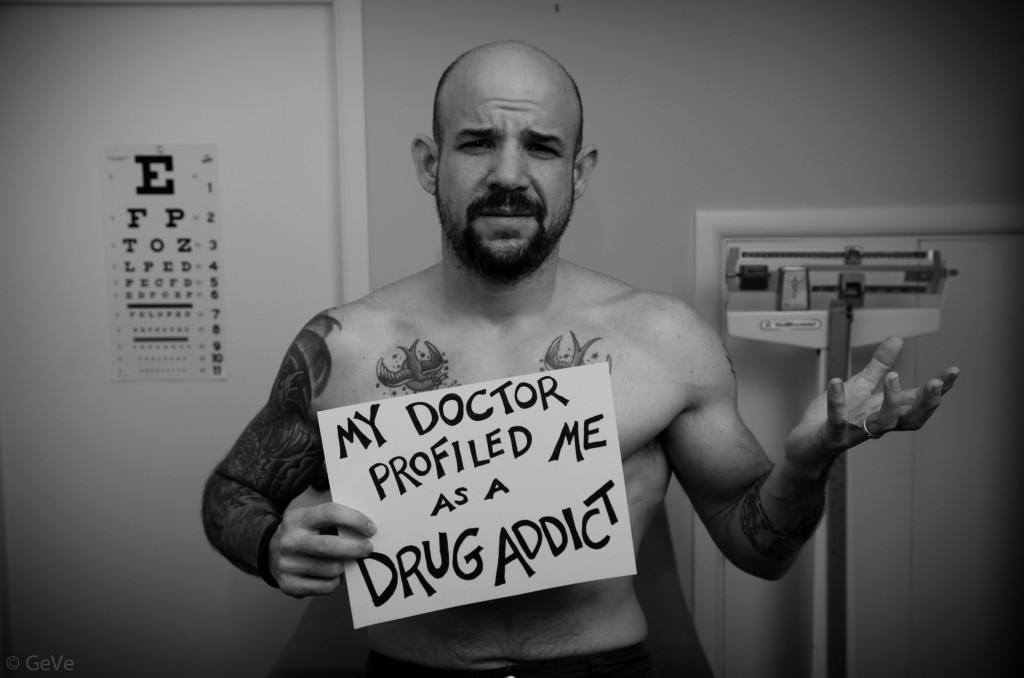
Patient Profiling: Drug Seekers, Medical Slang, and Malpractice

I posted an article that made me extremely angry. You can read it here:

ADDICTS USING GASTROPARESIS IN ORDER TO ABUSE PRESCRIPTION DRUGS.

I have heard story after story from people with chronic pain, invisible illnesses, and issues that illustrate why it is terrible for healthcare professionals to make snap judgments. They treat chronically ill patients as drug seekers. It can be life threatening if healthcare professionals just write someone off as a drug seeker without evaluating them. I just want to ask the doctors, "do drug addicts not have medical emergencies, too?" Patient profiling has become a REALLY big problem in our healthcare system, as has the "opioid epidemic."

I have written two articles on chronically ill patients being treated as drug addicts, and you can find them here:

GASTROPARESIS PATIENTS VS DRUG SEEKERS.

INVISIBLE EMERGENCIES SERIES PART THREE.


First of all, let me define patient profiling. According to Kevin MD,

"Patient profiling is the practice of regarding particular patients as more likely to have certain behaviors or illnesses based on their appearance, race, gender, financial status, or other observable characteristics. Profiling disproportionately impacts patients with chronic pain, mental illness, the uninsured, and patients of color. Like racial profiling by police, patient profiling by physicians is more common than you think.

We rely on doctors to first do no harm–to safeguard our health–but profiling patients often leads to improper medical care, and distrust of physicians and the health care system, with potential lifelong consequences."


Image Source: HERE


Can You Sue A Doctor For Patient Profiling?


According to Find Law,


"By Ephrat Livni, Esq. on April 01, 2016 3:55 PM

Patient profiling is a term used to describe a kind of discrimination by doctors. When a healthcare provider treats a patient based on their "type" rather than assessing them individually, that is profiling, and it can lead to problems in treatment.

Doctors should assess each patient individually, but profiling alone is not likely going to be a basis for a lawsuit against a doctor or hospital, unless that profiling manifested in medical malpractice. So let's explore the distinction between profiling, which is certainly unpleasant, and negligence law, which is based on actual injury.


Patient Profiling Primer

Dr. Pamela Wible, writing for Med Page Today's blog, Kevin MD, discusses and defines patient profiling. She explains, "Patient profiling is the practice of regarding particular patients as more likely to have certain behaviors or illnesses based on their appearance, race, gender, financial status, or other observable characteristics."

"Profiling disproportionately impacts patients with chronic pain, mental illness, the uninsured, and patients of color. Like racial profiling by police, patient profiling by physicians is more common than you think," Dr. Wible writes. "Profiling patients often leads to improper medical care."

That is where profiling starts to meet negligence in medicine. But there is still a distinction, as a medical malpractice suit must be predicated on an injury or harm that is compensable.


Medical Malpractice

Medical malpractice is a form of negligence for medical professionals. Negligence in medicine manifests in errors in diagnosis, treatment, or illness management, for example.

If any of these are the cause of an injury to the patient and it can be proven that the doctor's failures led to it, and that there were no unforeseeable intervening causes, then you have proven part of a claim. You must also show and that this harm can be compensated.

Now, if a doctor's negligence arose as a result of patient profiling, and you were harmed then the doctor's profiling, to the extent it can be shown, will help prove your malpractice claim. But profiling and negligence are not the same and one does not necessarily lead to the other, although it may be a strong sign that malpractice will arise if you are profiled as a patient.


Talk to a Lawyer

If you were treated poorly by a medical professional and were injured as a result, speak to a lawyer. Many personal injury attorneys consult for free or a minimal fee and will be happy to assess your claim."


Image Source: HERE


Failed/Erroneous Diagnosis and Treatment


"We all tend to trust our doctors. After all, they’re the experts. Even though we have some of the best doctors in the world, even they can make a mistake. And these mistakes can be a lack of treatment or the wrong treatment. These can be confusing concepts, so here is a brief overview on failed or erroneous diagnoses and treatments in medical malpractice cases.


Medical Misdiagnosis Generally

In most cases, if a delay or failure to diagnose a disease has resulted in injury or disease progression above and beyond that which would have resulted from a timely diagnosis, medical professionals could be held liable. Most doctors are trained to think and act by establishing a "differential diagnosis." Doing so calls for a doctor to list, in descending order of probability, his or her impressions or "differing" diagnoses of possible causes for a patient's presenting symptoms.

The key question in assessing a misdiagnosis for malpractice is to ask what diagnoses a reasonably prudent doctor, under similar circumstances, would have considered as potential causes for the patient's symptoms. If a doctor failed to consider the patient's true diagnosis on his/her differential diagnosis list, or listed it but failed to rule it out with additional tests or criteria, then the doctor is likely able to be sued for medical malpractice.

However, this situation may be difficult to prove. For example, a patient may allege that a doctor failed to timely diagnose a certain cancer, resulting in "metastasis" (spread of the cancer to other organs or tissues). But experts may testify that "micrometastasis" (spreading of the disease at the cellular level) may occur as much as ten years before a first tumor has been diagnosed, and cancerous cells may have already traveled in the bloodstream and lodged elsewhere, eventually to grow into new tumors. Therefore, it may be difficult in some cases to establish that a patient has suffered a worse prognosis because of the failure or delay in diagnosis.


Failure to Treat and Erroneous Treatment

If a patient is treated for a disease or condition that he or she does not have, the treatment or medication itself may cause harm to the patient. This is in addition to the harm caused by the actual condition continuing untreated.

The most common way in which doctors are negligent by failing to treat a medical condition is when they "dismiss" the presenting symptoms as temporary, minor, or otherwise not worthy of treatment. This situation may result in a worsening of the underlying condition or injury, causing further harm or injury. For example only, an undiagnosed splinter or chip in a broken bone may result in the lodging of a piece of bone in soft tissue or internal bleeding caused by the sharp edge of the splintered bone.

Erroneous treatment is most likely to occur as a result of a misdiagnosis. However, a doctor who has correctly diagnosed a disease or condition may nonetheless fail to properly treat it. Other times, negligence is the result of a doctor attempting a "novel" treatment that fails, when in fact a more conventional treatment would have been successful.


Getting Legal Help with a Medical Malpractice Claim

Having an illness or injury is bad enough, without thinking our doctors made it worse. And it’s not always easy to know whether the professionals in charge of your medical care acted properly. If you would like to know more about your claim, you can contact an experienced medical malpractice attorney.


Medical Malpractice In-Depth


When illness or injury forces you to see a physician or go to the hospital, you can generally be assured that a medical professional's years of experience and training will result in excellent treatment. But in truth, medical care providers are only human, and errors are always possible. Medical malpractice occurs when a negligent act or omission by a doctor or other medical professional results in damage or harm to a patient. To get started with a medical malpractice case, read First Steps in a Medical Malpractice Claim. See FindLaw's Medical Malpractice section for more articles and resources.


Negligence by a medical professional can include an error in diagnosis, treatment, or illness management. If such negligence results in injury to a patient, a legal case for medical malpractice can arise against:

The doctor, if his or her actions deviated from generally accepted standards of practice;
The hospital for improper care or inadequate training, such as problems with medications or sanitation;
Local, state or federal agencies that operate hospital facilities.


Medical malpractice laws are designed to protect patients' rights to pursue compensation if they are injured as a result of negligence. However, malpractice suits are often complex and costly to win. Therefore, if you believe you have a medical malpractice claim, it is important to consult with an attorney who will discuss your case with you, and help you determine your best options.


Legislation Affecting Malpractice Actions

Due in part to the power and resources of health care industry lobbyists, many states have passed legislation making it more difficult to bring and prevail in medical malpractice actions. In most states today, physicians and hospitals are protected by legal limits, called "caps," on the amount of damages and attorneys' fees that can be awarded in malpractice suits. Also, most states have a two-year time limit for filing malpractice actions, unless extraordinary circumstances affect the case.

One obstacle plaintiffs in many states may have to overcome before they can even file a malpractice action against a health care professional is the requirement that they file what is commonly known as a "certificate of merit." In order to file a certificate of merit, a plaintiff will first have to have an expert, usually another physician, review the relevant medical records and certify that the plaintiff's health care provider deviated from accepted medical practices, which resulted in injury to the plaintiff. The plaintiff's attorney then files the certificate of merit, which confirms that the attorney has consulted with a medical expert and that the plaintiff's action has merit.


"Respondeat Superior" and Independent Contractors

Medical malpractice can be committed by several types of health care professionals and, in a case where a hospital employee commits malpractice, the hospital itself may be held liable under the legal doctrine of "respondeat superior." Under this theory, an employer may be held liable for the negligent acts of its employee if the employee was acting within the scope of his or her employment when the negligence occurred. This doctrine is very important to plaintiffs in medical malpractice cases, because it helps ensure there will be a financially responsible party to compensate an injured plaintiff.

In some situations, commonly involving attending physicians working in hospitals, health care providers are considered independent contractors rather than employees, which makes the doctrine of "respondeat superior" inapplicable. What this means is, if a doctor or other health care professional an independent contractor, and commits malpractice while treating a patient in a hospital, the hospital cannot be held liable for the doctor's negligence. However, the hospital can be held liable for its own negligence, for example, in granting attending privileges to an unlicensed or incompetent physician.


Seek Legal Help with a Medical Malpractice Attorney

It's not always easy to know how to pursue a medical malpractice case. A qualified medical malpractice attorney will be able to discuss the strengths and weaknesses of your case and help you get the compensation you deserve. A good first step is to contact a medical malpractice attorney."


Image Source: On Image. Doctors are scared to prescribe pain medications due to the rising number of deaths and pressure from above


According to Parent Professional,


"Have you ever heard of patient profiling? It takes place when medical–and mental health–professionals make an assumption about someone seeking care based on their appearance, race, gender, financial status or even the kind of illness they have, such as mental health or substance use problems. The first time I came across this was in an article written by Pamela Wible, MD (article below at the end of this article), who recounted patient stories where the personal judgment of a medical person resulted in poorer care. She worried that, similar to racial profiling by police, patient profiling is more common than we want to admit. And it undermines care.

When I first heard about patient profiling, I immediately thought of my younger son. A few years ago (when he was in his early 20s), he woke up on a Sunday morning with horrible vertigo, He couldn’t stand, couldn’t focus and couldn’t drive. I took him to the local emergency room where they asked a series of routine questions: Are you on any medication? (No.) Have you ever experienced this before? (No.) Have you had anything alcoholic to drink? (Yes, one beer last night with friends. I was the designated driver.) Unfortunately, the questions stopped after he said he had had that beer the night before. He was given intravenous fluids, allowed to rest and sent home. The next day, his very irate primary care doctor sent him to a different emergency room where he was treated for inflammation of the inner ear.

For my son, staff at the first emergency room decided that a young adult in his 20s experienced vertigo because he had been drinking. They made a snap judgment and his treatment was delayed. To this day, he feels a general mistrust of emergency room staff.

For children and youth with mental health needs and their families, patient profiling happens far too often. It happens in the emergency room and it happens in visits to medical specialists. One mom, whose daughter had both a diagnosis of depression and frequent migraines – for which she was seeing a specialist – waited four days recently in the emergency room because no inpatient beds were available. She was told that her daughter couldn’t receive migraine medication while waiting because that was drug seeking behavior And it was probably part of the bipolar anyway. The mother was frantic when she called us and very frustrated that her daughter’s care was all being lumped under mental health. She felt the emergency room staff had stopped their assessment of her daughter’s needs after they heard about the bipolar disorder.

This doesn’t just happen in emergency rooms. It happens with medical specialists who think that mental health concerns have caused medical symptoms. It happens when doctors call parents 'enmeshed' or 'co-dependent' and don’t see them as a resource and partner but instead as part of the problem. It happens when young people are seen as their diagnosis and not as a valuable self-reporter and critical thinker.

That said, there is a fine line between patient profiling that can help or harm. Doctors, nurses, therapists and other workers often form an initial impression based on their experiences or their training. They often need this starting point to determine a course of action. But – and this is the crucial piece – that starting point needs updating as new information comes in. A second impression or a third is often in order. When the initial judgment is incomplete or inaccurate and it is not revised, it can be harmful.

A cornerstone of good care is excellent communication. While this is often characterized as the doctor or medical professional communicating to the patient, it should be a two-way street. Mutual exchange of information is critical but so is mutual listening. In any human interaction, the only way we can truly connect is when we get past our snap judgments and see who is actually there.

When a child is in crisis or when her need for care is urgent, parents are rarely at their best. Most often, there have been many stressful days or weeks before this point which have worn them down. We rely on medical staff to see beyond the diagnosis to the whole child, teen or young adult. We trust them to see our commitment and strength in the midst of the frenzy. We hope they will see us as a key member of the team, not as a 'less than' parent to be held at arm’s length.

When this doesn’t happen due to patient profiling, we all lose."


Image Source: HERE


According to the Daily Mail,


"Medical jargon is pretty impossible for most patients to follow, but some of the terms you hear your doctor use may just be insulting industry jargon.

Over decades, doctors have ad-libbed a whole vocabulary to encode their frustrations with problem patients, communicate grim status updates, or even gossip about children.

In medicine, this slang is more than harmless insider-jargon: studies have shown that doctors' attitudes and discrimination toward patients can have a real affect on the treatment they receive and how well they recover.

Medical schools have begun to recruit more diverse students in the hopes of changing the field's culture, but several young doctors who wished to remain anonymous told Daily Mail Online that discriminatory terms are still common.

But discrimination is institutionalized and dangerous in medicine, according to Dr Peter Muennig and Dr Alex Green of Harvard University and Massachusetts General Hospital, and it's worth knowing some of these terms that doctors may use to mask the severity of a situation or downright insult you (warning: some of these are offensive).


GOMER

This 'classic' term stands for 'get [them] out of my emergency room.' It has been used in hospitals for decades and is familiar to just about every doctor working, Dr Muennig says.

The acronym is a sort of catch-all term for any of the kinds of patients doctors don't want to deal with.

'There's a certain level of discrimination against the chronically ill, and that's where GOMER comes from,' says Dr Muennig.

In a recent interview with Daily Mail Online, he also said that this term is often used particularly to describe people who physicians suspect are hunting for pain medication.


Frequent fliers

Patients may return to the hospital week after week - or even day after day - for a variety of legitimate or illegitimate reasons, earning them the title 'frequent fliers,' but certainly no points from doctors.

Chronically ill patients with conditions like diabetes must make regular appointments for dialysis.

Other patients become common faces in emergency rooms and clinics because of their hypochondriacs tendencies, constantly sure that they are gravely ill.

Still other patients may just be looking for a drug fix, coming in with complaints of chronic pain, or in hopes that the physicians on shift will be more willing to prescribe than yesterday's were.

'It's most often used to talk about people with severe diseases like diabetes, or renal failure and diabetes,' says Dr Muennig.


FLK

Doctors use this cruel acronym for 'funny looking kid' to describe 'those babies who are "syndromic" or [we can tell] something is wrong with them based on how they look,' a Chicago doctor told Daily Mail Online.

Children born with any of the three trisomies - genetic mutations that cause there to be an extra copy or partial copy of a chromosome - often have distinct appearances.

These disorders include Down syndrome, which is typified by a flattened face, smaller head and ears than normal and upward slanting eyes.

Doctors also use the FLK to describe babies that don't have a clear diagnosis, but whose 'abnormal' appearance suggests that there may be something wrong with them.


Crumping

Not to be confused with the dance style, doctors use 'crumping' when they have a patient that is 'crashing, but not aggressively,' the Chicago doctor told Daily Mail Online.

The phrase is synonymous to 'circling the drain.' Rather than their organs suddenly failing - or crashing - these patients are deteriorating quickly, and often don't have much chance for survival.

'I don't think it's necessarily harmful to say "crumping" or "frequent flier,"' a New York-based doctor said, 'but I'm very careful as a physician to not use those words in earshot of a family, that would be strongly unprofessional.'


Total body dolores

Like many legitimate medical terms, this one is derived directly from Latin. 'Dolores' translates to pain so this 'literally means total body pain,' the doctor says.

The phrase is most often used between doctors, to describe a patient, as in, 'I have a total body dolores in room 109.'

He says he's seen this term used commonly to describe Latino patients in particularly. 'These patients can be very nervous,' he says, in part because English is often their second language, making the hospital and medical-speak even more frightening, 'and their anxiety manifests physically.'

Slang is used 'commonly with people of color, people using drugs,' he says. More common phrases like '"crack head" are commonly heard on the ward too.'

Although 'doloroes' means pain in Latin, a rather medical language, it means the same thing in Spanish, as well as being a woman' name. This all adds up to maximize confusion for patients.


Status dramaticus

A patient earns the title 'status dramaticus' when they are a '10/10 [for pain] always, although they look fine,' the Chicago doctor says.

'This is someone that wails shrieks, howls so loudly you can hear them from the hallways. Everything hurts and they make sure you know about it,' he says.

The problem with doctors using terms like status dramaticus, says Dr Alex Green, 'is that they're dealing with people who are sick, physically and sometimes mentally and these [dismissals] can be more directly harmful.'


WWWS

The acronym for 'wealthy white woman syndrom ' is 'actually bad because it's a term that is used when you're frustrated at specific patients and dismissing their symptoms,' says Dr Lisa Wang, a psychiatry resident in New York.

Research has documented that physicians are more likely to take women's pain less seriously than they would a man's. There is a widely held belief - though studies turn up mixed results - that women's bodies are designed for childbirth and their pain thresholds are higher.

A 2008 study from the National Institutes of Health also found that women wait 16 minutes longer to be seen in an emergency room than men do.

'As medical providers, on an unspoken level, I think [using these terms] is a coping mechanism, to make light of really difficult situations,' Dr Wang says.


HHS and Aye-aye-itis

Discrimination against people of color and those for whom English is a second language is rampant, as evidenced by the terms 'hysterical Hispanic syndrome' and aye-aye-itis.

'I hear "aye-aye-itis" used for a Hispanic patient who has many somatic complaints, none of which are related to their surgery or main problem, usually accompanied by "aye, aye,"' the Chicago doctor says.

'Language barriers are a big discriminatory factor,' says Dr Green.

'There's an attitude of "oh, another patient that doesn't speak English, why don't they learn, it makes our lives so difficult,' says Dr Green, who has worked on initiatives to educate hospitals on language barriers and introduce interpreters.

'I roll my eyes every time I hear that [kind of term]' says a New York doctor. 'I call it out because it gets at the rampant cynicism to the job.'

In one Harvard study, 20 percent of a group of 8,000 Latino people reported experiencing discrimination at a health care facility or clinic.


Slugging

'A slug is someone who is reluctant to get up out of bed after surgery,' says the Chicago doctor.

'They tend to be slow, in pain, and want to stay "one more day longer, please,"' he says.

On one hand, 'poor effort,' as he calls it, can have a negative impact on the quality and timeline for recovery, but there is a darker side to this tendency too.

A hospital bed might be the safest and most certain place some patients can stay, especially for those who are not financially secure or may be struggling with addiction.

'When you have patients showing up drunk every single night, always overdosing, not taking their blood pressure medications and coming in because of it, it becomes easy to blame patients, though I don't think you should,' says one New York doctor.

Dr Green says that 'a lot of it derives from [doctors'] systemic frustrations with the medical system back-firing back onto patients.'"


I have written a companion article with ALL of the medical slang, acronyms, etc. all on its own, because there is SO much of it. You can find the article: http://www.emilysstomach.com/2019/04/patient-profiling-medical-slang-only.html


Image Source: HERE


According to Pamela Wible MD,


"Patient Profiling: Are You a Victim?


We rely on doctors to first do no harm–to safeguard our health–but profiling patients often leads to improper medical care, and distrust of physicians and the health care system, with potential lifelong consequences. For the first time, people share their stories:

'I was once denied pain meds after a fall off a 10-foot porch by the same doc who gave my pretty female friend pain meds after getting two stitches in her finger. I felt like my appearance had something to do with it.' ~ Jay Snider

'In 1986 I was in a motorcycle accident. I tore up my face on the road. I was taken to the ER and treated like crap because I had no insurance. They cauterized my facial wounds rather than stitch me up, and then dumped me on the sidewalk with amnesia. I still have distinct black scars; people think they’re tattoos. I went into collections and it took years to pay that one off. Six weeks ago, I fell while trimming a tree. When the ER found the insurance card in my wallet, I was treated like gold.' ~ James Cummings

'As a teen, I fractured my nose. Many sinus issues later, I consulted an ENT specialist. He insisted that I damaged my sinus passages by using cocaine. His assumptions caused me pain, humiliation, confusion, and anger. I repeatedly assured him that I wasn’t a user. Two surgeries later, my septum was removed. Afterwards, he was so cruel as to continue his tirade about my cocaine use. As the gauze was being removed from my nose, I fainted. When I was roused, he insisted that I leave immediately showing no concern about whether I could even make it home safely.' ~ Lonnie Stoner

'It was 1975. I was 23 and I’d been on the pill for 4 years, but I became concerned about potential negative side effects of long-term hormonal manipulation. So I researched other contraceptives and felt the diaphragm was the simplest and safest option for me. When I went to the county clinic to get fitted, I explained what I’d researched to the doctor. He scoffed at my concerns, urged me to stay on the pill, and disputed any potential negative consequences. He reminded me that taking a pill each day was SO much easier than having to be responsible for using the diaphragm properly. It was clear he thought I was too young and clueless to make this decision about my own reproductive health care. Although he tried to dissuade me from switching to a diaphragm, I insisted that’s what I wanted, and he finally fitted me for it. After he left the room, the nurse said, ‘Don’t worry, dear; it’s quite easy to use. I’ve been using one for years with no problems. It’s a good choice for you to make!’ It was clear she didn’t approve of his patronizing attitude either.' ~ Patsy Raney

'I injured my back at work. I couldn’t get time off, so my family doc prescribed pain meds so I could get through the day and Xanax for sleep. I returned every six months for two years and he always accused me of taking more than I was prescribed. He got progressively more rude and angry. I brought my wife with me to see if I was imagining it. She witnessed it too, so we searched for another doctor. I asked my new doctor to taper me off of the pain meds and Xanax so I could try medical marijuana instead. He was skeptical. He told me to go to the pain clinic. I’d gone there once before and was treated like a criminal. I didn’t want to go there! So he wrote up a contract that said I would agree to take pain meds and Xanax and I’d be drug tested monthly to make sure that I wasn’t using medical marijuana. When I told him I wouldn’t sign the contract, he told me to find another doctor. This was at a critical time when I needed real help and was worried about taking the meds for over two years.' ~ Carl Williams

I’ve been a doctor for 20 years. I thought I’d seen it all. Drug addicts have altered my prescriptions, even forged my name. Patients have lied to me. Many haven’t followed my treatment plans. Some have died as a result. Still, I try to treat everyone fairly and with respect. But now I’m wondering, “Have I ever profiled a patient?” I bet I have. So on behalf of my colleagues and myself, I’ve got a message for any patient who has ever been misjudged or mistreated:


Image Source: In Article


Special shout out to Chriss for her help.


Sunday, March 31, 2019

Writing a Gastroparesis Book - And Need Your Help

So, I have been debating on whether or not to write a GP book for years, now. The reason I haven't done so yet is that I remember what it's like not to have health insurance and having to choose between the doctor and medications for the month or rent. However, I have put most of the pertinent information online for free, in my blog. I am working on my outline at present, before I start writing. I want to make sure I cover a lot of ground, and I do not want to lose focus on that.


I don't believe in profiting off of sick people. If this book does sell well, and that's a shot in the dark, I don't need the money so I could send it to a foundation I trust. That's if it sells well. If it does, maybe I can start a 501(c)3 in Atlanta, and expand across GA to help people to get to doctor's appts, fight with their ins companies for them, help them get assistance or something like that. But, if it went to a great cause, like helping others in the community find rides cheaply or at no cost to them, people who could help with insurance hangups, someone to fight for you with your doctor, I mean, I've got a lot of ideas. Please fill out the form below if you are interested in helping me. I will be glad to give credit where credit is due. I really do appreciate this, because I am so tired of losing friends. We need some help and I'm not saying I'm that person, but I'm going to try my best to write something helpful, and maybe it will be published. I hope if it is, that even if they just sell one, I hope it goes to the doctor/scientist who will do research for us. That's my fantasy. I try to remain optimistic. But, the form is below. Just fill that out and again, thank you.


If you would like to contact me about the questions above, what I should include, and/or if you want to send me your personal stories with photos (I already have photos people have sent me of them before and after GP, which you can do too - or I'm working on a project on my page Gastroparesis - Emily's Stomach, "A Day in the Life of a GPer" which is an event that shows GPers without make up, hair done, no airbrushing or anything, just how we look daily with GP, if you want to send a picture like that. It's up to you).


You can email it to me at: emilysstomach@gmail.com


I know that this research is NOT scientifically accurate because I do not have access to your medical records or anything, but I still have A LOT of your Progressional Timelines that I wanted to graph and insert into the book. I would like you to email your timelines to me, but please let me know it's OK to for me to use your timeline results in my book, let me know how you want me to use your name, or if you would like me to change your name. I need a valid email address you're mailing it from, just in case I have any follow up questions. Your personal information will be respected because I respect privacy.


If this sounds like something you would be interested in (I was trying to find a correlation in us all), you can find out more information about it here:


http://www.emilysstomach.com/2018/10/request-for-gastroparesis-progressional.html


http://www.emilysstomach.com/2013/05/progressional-timeline-of-gastroparesis.html


I'm hoping, that even though my research is thorough, but not scientifically accurate, that someone will read the book who has the power to make this scientifically accurate and start up a research project.


I'm sure I may think of other questions and things later, but I REALLY appreciate any help you guys can spare. I'm going to include a very special thank you page to each person who emails me to help me with this. I believe in giving credit where credit is due. You guys are amazing and I really hope once I sit down to write this, that somehow, it will get to the right person who can do research for better treatments for us. It's not enough to survive, we need to LIVE too!


Follow me:


www.facebook.com/emilysstomach
www.instagram.com/emilysstomach
www.twitter.com/emilysstomach
www.emilysstomach.com
www.emilysstomach.org
www.slack.com/emilysstomach
www.amino.com/emilysstomach
www.pinterest.com/chikensrule

Wednesday, March 20, 2019

The Benefits of Cannabis for Gastroparesis and Other Chronic Illnesses

I was asked recently why I share and promote medical studies, clinical trials, but never anything about medical marijuana or cannabis? I am not against cannabis one bit, and I want to make that very clear. The issue is, I have not been able to write as much as I have wanted to lately, due to hospital stays, and surgeries. My spine is deteriorating quickly because of the repetitive bending I do when I vomit. It is a reflex, so I cannot stop myself from doing so, though I have tried. Today, I had an RFA, which the video below goes into detail about and the surgical procedure:


I want to write an article later about secondary effects Gastroparesis has on your body, like the fact it is deteriorating my spine from repetitive bending to vomit, but today, I want to talk about the health benefits of medical marijuana.


Image Source: On the Image


I have had this pain for a while in my spine. The doctor gave me medication, of course, but the one thing that helps me with the pain, the nausea, and the vomiting from my Gastroparesis is cannabis. It is NOT legal in Georgia yet, though Atlanta has decriminalized it. Here are the states cannabis is legal in:


Image Source: HERE


According to MARIJUANA DOCTORS,


"Medical Marijuana For Gastroparesis

Updated on January 25, 2019. Medical content reviewed by Dr. Richard Koffler, MD, Board Certified Physiatrist


Image Source: In Article


Image Source: On Images


Dr. Thomas Strouse, talks about the benefits of cannabis and chronic pain:


Marijuana for Gastroparesis

Everyone has had an upset tummy before. However, some people experience severe and chronic nausea and vomiting due to certain conditions such as gastroparesis, and this gets in the way of living a quality life. Thankfully, medical marijuana and gastroparesis treatment is available and could be a good option for you to help ease your nausea, vomiting and other gastroparesis-related symptoms.
What Is Gastroparesis?

Gastroparesis is a disorder affecting your stomach’s motility, or spontaneous muscle movement. You usually have strong muscle contractions capable of pushing your food through your body’s digestive tract. When you’re suffering from gastroparesis, this motility slows down or might not even work altogether, which keeps your body from being able to empty your stomach properly.

Antidepressants, opioids and other specific medications can cause slow gastric emptying and induce similar symptoms. Allergy medications and high blood pressure can, as well. These medicines can worsen the condition for those with gastroparesis.


Gastroparesis can lead to symptoms such as:

Nausea and vomiting
Interference with normal digestion
Problems with nutrition
Problems with blood sugar levels


The cause of gastroparesis isn’t clear. In some cases, it’s a diabetes complication, while some individuals develop it following surgery. While there isn’t a cure for the disorder, you can find some relief with medication and dietary changes.


Potential causes of gastroparesis include:

Multiple sclerosis
Uncontrolled diabetes
Medications like some antidepressants and narcotics
Gastric surgery with vagus nerve injury
Parkinson’s disease


Rare disorders like scleroderma — a connective tissue condition that affects your skeletal muscles, skin, internal organs and blood vessels — may also cause gastroparesis.


Types of Gastroparesis


There are several ways to categorize gastroparesis.

Diabetic gastroparesis: Around 20 to 50 percent of lifelong diabetic patients experience gastroparesis — usually linked with other diabetes complications. In fact, diabetes mellitus is probably the most common condition leading to gastroparesis.

Post-surgical gastroparesis: Some patients experience symptoms after upper gastrointestinal tract surgery.

Idiopathic gastroparesis: There isn’t any noticeable abnormality causing the symptoms patients experience, although, in some situations, the symptoms started after an infectious event such as diarrhea, nausea and vomiting.


History of Gastroparesis

The incidence of gastroparesis-related hospitalizations in the U.S. significantly increased between 1995 and 2004 — especially after 2000.
Symptoms of Gastroparesis

With gastroparesis, you may experience:

Nausea
Vomiting
Feeling full for quite some time following a meal
Feeling full shortly after beginning a meal
Excessive belching or bloating
Poor appetite
Upper abdomen pain
Heartburn


The symptoms you experience can be severe or mild. Each person’s experience is different.


Effects of Gastroparesis

Several complications can arise from gastroparesis, including the following.

Malnutrition: Vomiting may hinder your body’s ability to absorb enough nutrients, since it prevents you from taking in adequate calories.

Severe dehydration: Dehydration results from ongoing vomiting.

Unpredictable changes in blood sugar: While gastroparesis doesn’t lead to diabetes, frequent alterations in the amount and rate of food passing into your small bowel can lead to unusual blood sugar level changes. These blood sugar level changes worsen diabetes, exacerbating the gastroparesis.

Undigested, hardened food stays in your stomach: When undigested food remains in your stomach, it can harden into a solid mass called a BEZOAR. These often cause nausea and vomiting and could threaten your life if they’re keeping food from reaching your small intestine.

Poor quality of life: Acute flare-ups of symptoms can keep you from working properly and being able to handle all your responsibilities.


Mental Effects

There’s a connection between gastroparesis, poor quality of life and significant psychological distress. Furthermore, symptoms of the condition adversely link with heightened depression and anxiety, as well as impaired quality of life. One study showed the rates of psychopathology in groups of individuals with gastroparesis ranged between 21.8 and 50 percent.


Image Source: On the Image


Gastroparesis Statistics

Statistics about gastroparesis, according to the Digestive Diseases Center, include:

Around 5 million people in the U.S. have gastroparesis.
Around 100,000 of them suffer from a more serious form of the condition.
Around 30,000 individuals don’t respond to treatment.
Twenty percent of Type 1 diabetes patients develop gastroparesis.


Current Treatments Available for Gastroparesis and Their Side Effects

To treat gastroparesis, the doctor first needs to identify and treat the underlying condition. For instance, if you have diabetes and it’s causing your gastroparesis, the doctor will give you treatment to help you control diabetes.
Changes to Your Diet

Proper nutrition plays a huge role in treating gastroparesis. Many individuals can keep their gastroparesis symptoms under control with simple changes to their diet. Your doctor may give you a referral to a dietitian who works closely with you in finding foods you can digest more easily, so you’re getting enough nutrients and calories from the food.


The dietitian may recommend you:

Chew your food thoroughly.
Eat smaller meals more often.
Try pureed foods and soups if it’s easier to swallow liquids.
Avoid well-cooked vegetables and fruits like broccoli and oranges, since they could cause bezoars.
Eat a mostly low-fat diet, adding small servings of fatty foods if you can tolerate them.
Avoid alcohol, carbonated drinks and smoking.
Go for walks or exercise gently after eating.
Don’t lie down for a couple of hours after each meal.
Take a multivitamin every day.
Drink lots of water every day.


Medications

Your doctor may prescribe you medications to treat the disorder, such as stomach muscle-stimulating medications like erythromycin and metoclopramide.


Side effects of erythromycin may include:

Slurred speech
Blurred vision
Unusual tiredness
Muscle weakness
Hearing loss
Signs of liver disease like yellowing skin or eyes, nausea or vomiting, abdominal pain or dark urine
Drooping eyelids


Erythromycin can become less effective over time. (NOTE: This medication is also an antibiotic with the side effect of motility. I just wanted to interject in this article so that you would be aware that not only does it become less effective over time, but it is also an antibiotic, broad spectrum, that you may not want to build up an immunity to)


Side effects of metoclopramide may include:

Fatigue
Insomnia
Restlessness
Confusion
A headache
Drowsiness
Dizziness
Mental depression with thoughts of SUICIDE (NOTE: This medication, I wanted to interject again, can cause irreversible, neurological side effects. If you notice your hands shaking or anything like that, call your doctor immediately)


DOMPERIDONE, a newer medicine, is also available, but it comes with restricted access. It does have fewer side effects, though, which may include:

Abdominal cramps
Dry mouth
Rash
Hives
Itching
Nausea
Diarrhea


Your doctor may prescribe you medicine to keep your nausea and vomiting under control, such as diphenhydramine and prochlorperazine.

Side effects of prochlorperazine may include constipation, dizziness, anxiety, drowsiness, weight gain and more. Diphenhydramine (brand name Benadryl) may have side effects as well, such as drowsiness, dizziness, loss of coordination, dry eyes, upset stomach, blurred vision and more.


Finally, there’s another class of medications to help with nausea and vomiting. One example is ondansetron (brand name Zofran). Side effects may include:

Fever
A headache
Diarrhea
Weakness
Dizziness
Drowsiness
Lightheadedness


Surgical Treatment


Some gastroparesis patients cannot tolerate any liquids or food. In these circumstances, the doctor will likely suggest inserting a FEEDING TUBE into your small intestine. They may also suggest a gastric venting tube that works by relieving gastric pressure.

The doctor can insert the feeding tube through your skin directly into your small intestine, or pass it through your mouth or nose. It’s typically temporary and only necessary if you can’t control your blood sugar levels with another method or if your gastroparesis is severe. Some individuals have to have the feeding tube through an IV going directly into their abdominal area and into a vein.


Alternative Treatments

Some people benefit from alternative treatments, but there aren’t a lot of studies on these. A few alternative treatments include the following.

STW 5 (Iberogast): A German herbal formula containing nine various herbal extracts. It eases digestive symptoms slightly better than a placebo.

Electroacupuncture and acupuncture: The specialist inserts very thin needles at strategic points of your body through your skin with acupuncture. With electroacupuncture, the specialist uses a small electrical current that passes through the needles.

Rikkunshito: A Japanese herbal remedy also containing nine herbs. It’s supposed to help decrease the feeling of being full after a meal and reduce abdominal pain.


How and Why Marijuana Can Be an Effective Treatment for Gastroparesis

Published clinical trials don’t yet exist for marijuana and gastroparesis. However, medical weed successfully alleviates digestive complaints like nausea. People have used cannabis derivatives to treat cancer.

Since people historically have smoked marijuana as their ingestion method, some worry about its potential for addiction and harm, like with tobacco smoke. However, one particular patient claimed he made the switch to cannabis and used a vaporizer to smoke it. He claimed the herb helped him keep his food down and he gained back the weight he lost when he was on the medication Marinol.

In February 2015, Current Gastroenterology Reports published a review examining cannabinoids and their place in treating gastrointestinal symptoms such as visceral pain, nausea and vomiting. Researchers in the review found targeted cannabinoid therapy could aid in GI disorder/disease management.


Image Source: On the Image.


The researchers noted endocannabinoid system (ECS) modulation, particularly the cannabinoid CB1 receptors located in the gastrointestinal system, could regulate:

Nausea and vomiting
Food intake
Stomach protection
Stomach secretion
The GI disorder-causing inflammation process
Ion transport: secretion and absorption such as maintaining adequate electrolyte/fluid balance
GI movement/motility: constipation with too little movement, or diarrhea with too much movement
The number of GI tract cells: Too many cells could be an indication of cancer or some disease process, while tissue injury can result from too few.
Internal organ sensation


This is a documentary about Medical Cannabis and Its Impact on Human Health:


The researchers also noted CB2 receptor modulation typically found in immune system cells, which prevent or help your body recover from injury or sickness, can help:

Reduce internal sensation and pain
Control certain GI illness-related inflammation
Regulate movement/motility


What Side Effects and Symptoms of Gastroparesis Can Medical Marijuana Treat?

As noted in the above-published review, cannabis and gastroparesis treatment can help with symptoms such as:

Nausea and vomiting
Poor appetite
Insomnia or other sleeping problems
Inflammation
Constipation
Diarrhea
Internal pain
Immune system modulation


Image Source: On the Image


It also helps with anxiety and depression, thereby improving quality of life.


The THC and CBD cannabinoids directly interact with your body’s ECS receptors to affect things such as your appetite, mood, tolerance to pain and more. A little alteration in the amount of CBD and THC in your cannabis allows you to customize your medical marijuana and gastroparesis treatment to effectively help treat your symptoms.


Image Source: On Image


Here are some videos explaining CBD oil and the benefits and side effects in regards to using it:


Several states have approved severe nausea as a qualifying condition for the use of medical marijuana.
Best Strains of Marijuana to Use for Gastroparesis Symptoms and Their Side Effects


Certain weed strains to treat nausea effectively. These include:

Blueberry Diesel (Indica-dominant hybrid)
Lavender (Indica-dominant hybrid)
Blue Dream (Sativa-dominant hybrid)
Super Lemon Haze (Sativa-dominant hybrid)


Other potentially helpful marijuana and gastroparesis strains include:

Crystal Coma (Sativa): Good for pain, depression and inflammation
Black Mamba (Indica): Good for anxiety, depression, pain, insomnia and inflammation
Goo (Indica): Good for pain, nausea, insomnia, stress, lack of appetite and gastrointestinal disorder
Blueberry Nuken (Indica): Good for a gastrointestinal disorder, nausea, lack of appetite, insomnia, stress and pain


Image Sources: On the Images


Best Methods of Marijuana Treatment for the Side Effects and Symptoms of Gastroparesis

Along with choosing your cannabis and gastroparesis strain, you also need to decide on the best delivery method. Each delivery method provides its effects. Through trial and error, you’ll be able to find the most suitable method to get the most out of your treatment.

Smoking or vaping: Inhaling cannabis gives you the fastest effect, and when you’re feeling nausea, you want instant relief. Keep in mind, both smoking and vaping release harmful toxins, but vaping doesn’t produce as much as smoking. If you can wait a little bit for the effects of your treatment to kick in, you might want to try a different method, such as the following.

Patches: Patches release medication directly into your bloodstream. You’ll need to wait for the buildup of the effect, but this buildup makes them an excellent extended-release treatment.

Tinctures: Try using a cannabis tincture in a tiny proportion, like two milliliters. Before and after each meal, take a teaspoon of the cannabis tincture to help decrease indigestion and aid in a healthy tummy.

Edibles: Edibles can take more than an hour for you to feel their effects. However, if your stomach is causing your nausea, consuming edibles will go straight to the source.


Start the Medical Marijuana and Gastroparesis Relief Process

Becoming educated is a great way to begin your marijuana and gastroparesis treatment experience. After you’ve learned all the essentials, you can increase your knowledge about medical cannabis, either through doing further research or by contacting a marijuana specialist.

Once you’re ready, look up your state’s laws on medical weed. Then, it’s time to select a cannabis doctor who works closely with you to find the perfect medical cannabis treatment and continue an ongoing relationship with you. Then choose your dispensary you wish to get your marijuana products from — try out our huge database.

If you’re interested in getting more information on how to use medical weed to treat your gastroparesis or other stomach problems, book your appointment today with one of our recommended cannabis doctors in your area.


Resources:

http://www.gastroparesisclinic.org/index.php?pageId=1149&moduleId=195
https://www.ncbi.nlm.nih.gov/pmc/articles/PMC5323455/
https://digestive.templehealth.org/content/Gastroparesis.htm
https://www.ncbi.nlm.nih.gov/pubmed/25715910"


Mayo Clinic Radio did a show about medical marijuana,


Image Source: On the Image


According to P1707 - Cannabinoids Lead to Significant Improvement in Gastroparesis-Related Abdominal Pain,
"
"


According to HERBAN PLANET,

"How can Marijuana Help with Gastroparesis?


Gastroparesis is a condition where the spontaneous movement of the muscles in the stomach does not function properly. It is also known as delayed gastric emptying. Gastroparesis is actually a disorder which stops or slows down the movement of food from the stomach to the small intestine. The SYMPTOMS OF GASTROPARESIS include a feeling of fullness after eating a meal in a very small amount, vomiting, nausea, pain in stomach, acid reflux, and abdominal bloating.


There are different treatment methods being used to cure gastroparesis including the dose of antibiotics. However, the use of antibiotics can cause more health problems than it treats. Antibiotics wipe out even the good bacteria needed to digest and absorb the food.


Causes of Gastroparesis


There are DIFFERENT CAUSES OF GASTROPARESIS. Some of them are:

DIABETES – Diabetes is the most common medical condition related to the development of gastroparesis. Gastroparesis can be a side effect of diabetes.

Damage to VAGUS NERVE – A damage caused to a nerve (vagus nerve) that controls stomach muscles, may lead to gastroparesis.

Undigested Food – Undigested food left in the stomach may cause gastroparesis.


Among the different treatment methods applied and used to cure gastroparesis, the best cure lies with the use of marijuana. Some people and health experts emphasize on the natural ways of curing gastroparesis. The natural ways to cure gastroparesis include the use of Aloe Vera, probiotic foods, apple cider vinegar, vitamin D and some others.


Marijuana may be known as a narcotic but it is actually more powerful than it seems. For people suffering from gastroparesis, marijuana can be very helpful if consumed in a balanced proportion. Marijuana promotes the digestion of food and helps repair the vagus nerve. Not only does marijuana promote the digestion of food, it also helps removing the signs of gastroparesis including nausea, pain in stomach, abdominal swelling etc. Marijuana promotes hibernation and relaxes the stomach and its muscles. As a result of which gastroparesis is eased in a very small period of time as compared to other ways of treatment.


Appropriate Dose of Marijuana

The dosage of cannabis or marijuana depends on different factors like gender, age, health, and physique. It is advisable to visit a doctor if marijuana is legalized in your state and you are a license holder of marijuana. The doctor will advise you the right amount of marijuana that will help you in your fight with gastroparesis.

You can also use cannabis tincture in a very small proportion i.e. 2ml. A teaspoon of marijuana tincture right before or after a meal will help to reduce indigestion and promote a healthier stomach. However, it is advisable to maintain a healthier diet that is not very hard or heavier for the stomach.

Excess of everything is bad. Marijuana has immense benefits for human health but all the benefits are dependent on the fact that marijuana is consumed in a balanced proportion."


Image Source: In the Image


This is a 2017, BBC Documentary on Cannabis and its medical uses:


According to Practical Gastroenterology,


"
"


There was a Michigan Q&A (question and answer session) about medical marijuana and the effects it could have on certain conditions. There are medical experts who take part in this panel to discuss frequent questions people may ask about medical marijuana and the benefits it can have on certain chronic illnesses and different conditions. The video is below.


Doctors talk about medical cannabis use for IBD patients, chronic pain (the doctors noticed that people using medical marijuana used less opioids than other chronic pain patients), and talk about a lot of interesting information:


I have received some personal stories from people regarding medical marijuana and their chronic illness. I just want to say thank you for the emails and the people who have responded to my posts about this on my page, on Facebook, EmilysStomach.

Jay gave me permission to share his story, so I posted it below.

Jay writes,

"Medical marijuana has helped me tremendously!

I was diagnosed with gastroparesis about 5 years (typical gp story of weight loss, and a miserable existence), lupus (I stayed in bed almost 2 years) and hoshimotos [sic] (the fatigue was absolutely debilitating) and I've been on a host of all the typical medications for them all even have a gastric pacemaker.

My daughter started working at a dispensary here in Florida, she so adamantly begged me to just try it and I said NO. I had only 'smoked pot' in high school, and was not interested. Well my dr had put me on the fentanyl pain patch and it seemed to help for a little while until the paranoia and depression started, I tried to stop it...I couldn't and my dr suggested that I see about getting my medical card. I did.

The result was amazing, I can eat pretty much what I want and my mentality has improved as I feel like a completely different person now, doing things that I never thought I would be able to do. I am almost off of the patch now, another 2 weeks and I should be completely off of the fentanyl! Can I get a hallelujah! This has been the darkest time in my entire life and now I see light at the end of the tunnel!

Thank you so much for the support on Facebook! Please feel free to share or use for your purpose of educating people!"


Image Source: On the Image.


There is a condition that cannabinoids can cause, called CANNABINOID HYPEREMESIS SYNDROME. The link is attached if you would like to read more about it. I wanted to bring this up because I do want to point out the positives and negatives to medical marijuana use, so that you can make a fully informed decision about it as a treatment option. I would encourage you to do your own research as well, and I know everyone is different, everyone's illness is different, so what works for others may not work for you. I just want you to have as much information about medical marijuana as you can get, because it is still against federal law, though it has been legalized in many states now. When it comes to your health, and treatments for yourself, you cannot be too careful and I believe you should research any viable treatment option and make an informed, educated decision for yourself. There is so much information out there about medical marijuana, and this article only covers a small portion of the information out there. I have always been an advocate of medical marijuana, even though it is not legal in Georgia yet, the government has decriminalized it in Atlanta. I do hope that it will become legal in all states, because I do personally believe (and this is my opinion) that the benefits outweigh the risks to me. But, I do want to talk about the risks with marijuana as well, so you will know what issues it can cause.


Image Source: On the images.


Leafly has an article that states,
"How Cannabis Helps ‘Spoonies’ Soothe the Symptoms of Chronic Illness
Meg Hartley
May 17, 2019

Medical cannabis is known for its ability to quell seizures, dull pain, and squash anxiety. It can also aid people with less well-known—but not uncommon—conditions, ones that often come with a life-long sentence. We call ourselves 'spoonies.' In my case, fibromyalgia was the main force behind my conversion, but sadly there are a lot of ways to join the ranks.

The term was coined at a diner, when a lupus fighter named Christine Miserandino who tried to explain the challenges of living life with the disease to a friend. Her friend knew the facts, but wanted to know what it felt like as an ongoing experience—as a lifestyle. Christine was a bit stunned: trying to sum up the limitations that affect every single aspect of your life is an overwhelming task.

Cannabis is a very common medical aid and ally to spoonies, offering soothing powers to all kinds of symptoms through the power of the body-wide endocannabinoid system.

She then grabbed a bunch of spoons from surrounding tables. She handed her friend the utensil bouquet, telling her that life with chronic illness is like only having so many spoons to get through the day—far fewer than the average person. If she borrows from tomorrow, she might be able to swing what she needs to get done today; but tomorrow has just as few spoons, so she’ll run a high risk of running out. And running out of spoons/overdoing it means big-time symptom flares and even less spoons. Maybe for weeks.

Christine asked her friend to go through her day, removing spoons appropriately as each activity demanded: getting up, showering, getting dressed, eating, etc. Half of her friend’s spoons were gone before she even left the house. Christine told her she had to decide what to miss out on in order to conserve spoons—run errands or make dinner? Wash the dishes or your hair? See a friend or catch up on work?


Her friend became sullen and asked how she possibly dealt with those limitations every day, forever.


A Best Friend to So Many Kinds of Spoonies

Christine answered her friend’s serious question with a serious answer, and told her that spending her precious spoons chilling together was always a wise expenditure. Personally, I would have added: 'And there’s no effing way I could do it without cannabis.' Though it can’t give me desperately needed spoons, cannabis makes getting through a regular spoon-starved day a whole lot more palatable—and a full-blown flare less horrific.

Cannabis is a very common medical aid and ally to spoonies, offering soothing powers to all kinds of symptoms through the power of the body-wide endocannabinoid system. We’ll touch on five conditions that can turn someone into a spoonie, as well as how cannabis is said to help treat symptoms.


Lupus

In the disease fought by Christine, the body’s immune system becomes hyperactive and attacks normal, healthy tissues, and organs. It affects many different systems, resulting in many different symptoms. These may include extreme fatigue, headaches, painful and swollen joints, fever, anemia, confusion and memory loss, swelling, pain in the chest with deep breathing, hair loss, light sensitivity, abnormal blood clotting, ulcers, and more—including very serious issues like organ failure.


Science is extremely behind the ball when it comes to studying how cannabis can assist chronic illnesses, and the lupus community has not been served in this effort. However, there has been promising resultsin regards to cannabis aiding other diseases that affect the immune system and inflammatory response. Lupus is nicknamed 'The Great Imitator' due to sharing symptoms with other diseases, and science has proven that cannabis aids in many of these shared symptoms. The next disease is one such example.


Fibromyalgia

This is the bugger getting me down. Many kinds of physical pain are involved with this disease, whose cause is unknown. I could write a whole essay on the different kinds of pain, but instead I’ll share that when I broke (nay, shattered/comminuted fracture) my foot a while back I walked on it for ten days because it hurt less than the rest of my body, so I figured it was fine. Oops. And then there’s the mental confusion of 'fibro fog,' fatigue, insomnia, and other fun stuff like depression and IBS symptoms.


My dear friend cannabis helps ease the pain, turning cutting shards of glass in my body into warm melty goo. It aids in lifting my spirit, which helps me push through the exhaustion, then gets me to eat through nausea. When I can do no more—when I become spoon-less—cannabis helps me emotionally handle the extreme amount of rest dictated by this advanced stage of the disease. And science backs me up here, with one fibromyalgia study showing so much improvement using cannabis that half of the participants quit their other medications completely.


Myalgic Encephalomyelitis (ME)

Referred to by some as chronic fatigue syndrome, ME causes severe exhaustion, a debilitating symptom that’s often minimized by culture and, deplorably, even by the medical community. The cause is unknown. Rest and sleep don’t improve overwhelming ME fatigue, and it worsens with physical and mental activity. Sufferers also battle headaches, poor memory, difficulty concentrating, dizziness, nausea, palpitations, insomnia, and sore throat or glands.


Unfortunately, science has not studied ME much in general, and not at all in relation to cannabis, but it has been recorded
as anecdotally helpful by scientists. Another fibromyalgia study also showed improvement in many overlapping symptoms. Because of the sedative effects of certain cannabis strains, it’s said that using an energizing strain during the day can be crucial factor in improving symptoms of ME. Modest dosing can also prevent feelings of sluggishness.


Crohn’s Disease and Colitis

Ulcerative colitis and Crohn’s disease are the two primary forms of inflammatory bowel disease (IBD). They are both characterized by chronic inflammation of the digestive tract, though colitis is limited to the colon and Crohn’s can occur throughout the digestive system. Both diseases can result in abdominal pain, severe diarrhea, rectal bleeding, fever, fatigue, nausea and vomiting, weight loss, anorexia, and malnutrition.


Cannabis can lend a hand in living life with colitis or Crohn’s. It’s often a qualifier
in medical cannabis states, with patients using it to fight the full range of symptoms. Cannabis is an effective IBD aid largely because of its ability to reduce inflammation. A small-but-promising study on Crohn’s disease found that participants needed less surgery and reduced bowel movements while using cannabis, as well as drastically reduced need for other medicines.


Endometriosis

A woman’s uterus has endometrial tissue that builds up throughout her hormone cycle, then breaks down and sheds—a never-particularly-fun process called menstruation. In endometriosis, this tissue grows outside of the womb, spreading itself on the fallopian tubes, ovaries, and other organs. When it’s time for the shedding of blood and other cells, they become painfully trapped in the body.


This problem can result in severe menstrual cramps, chronic lower-back, abdominal, and pelvic pain, painful intercourse, painful urination or bowel movements, IBS symptoms, and infertility. Traditional treatments (including risky surgeries) only try to keep the endometriosis from advancing, but cannabis has actually been shown to stop cell growth
in mice as well as helping symptoms, especially pain.


We’re More Common Than Culture Regards

There’s many more ways to become a spoonie: Lyme disease, multiple sclerosis, Ehlers Danlos syndrome, or Hashimoto’s—all four (and potentially many more) may be aided by cannabis via the body’s widespread endocannabinoid system. It’s frustrating that science doesn’t understand these illnesses quite yet, regardless of the stunning amount of promise it shows in improving the lives of spoonies.


When you total the numbers of Americans estimated to be suffering from the eight diseases mentioned in this article, and there’s many more, you get 91.5 million—that’s about 27% of Americans. Though there is comorbidity to be factored in (people who have more than one of these diseases), there’s also millions still searching for a diagnosis, as well as many conditions that weren’t mentioned.

We’re talking about a lot of people suffering from conditions that are barely regarded by society here. A whole lot. And they are generally invisible illnesses, which adds another dimension to feeling ignored. It’s like we’re drowning a world of problems that only we can see. Hug your spoonies (and maybe smoke ‘em out), because you probably know at least a couple—whether you’re aware of it or not."


There are more resources here:

https://www.ncbi.nlm.nih.gov/pmc/articles/PMC3576702/

https://www.cedars-sinai.org/health-library/diseases-and-conditions/c/cannabinoid-hyperemesis-syndrome.html

https://www.mdedge.com/psychiatry/article/77691/addiction-medicine/cannabinoid-hyperemesis-syndrome-result-chronic-heavy

https://www.the-hospitalist.org/hospitalist/article/175988/gastroenterology/treating-cannabinoid-hyperemesis-syndrome

https://jaoa.org/article.aspx?articleid=2094175


For more information about The Spoon Theory, please visit: https://butyoudontlooksick.com/

For more information about Fibromyagia, please visit: https://www.mayoclinic.org/diseases-conditions/fibromyalgia/symptoms-causes/syc-20354780

For more information on Lupus, please visit: https://www.mayoclinic.org/diseases-conditions/lupus/symptoms-causes/syc-20365789

For more information on Myalgic Encephalomyelitis (ME), please visit: https://www.cdc.gov/me-cfs/symptoms-diagnosis/index.html

For more information on Crohn's Disease, please visit: https://www.mayoclinic.org/diseases-conditions/crohns-disease/symptoms-causes/syc-20353304

For more information on Colitis, please visit: https://www.mayoclinic.org/diseases-conditions/ulcerative-colitis/symptoms-causes/syc-20353326

For more information on Endometrosis, please visit: https://www.mayoclinic.org/diseases-conditions/endometriosis/symptoms-causes/syc-20354656


if you would like to email me about this topic, share your personal experiences, or any other questions you may have that you would like me to research or look up, please email me at: emilysstomach@gmail.com. I am happy to help, and will do my best to help!


We also have support groups you can join to talk about this and other topics. You can find them below:

 
Stronger than Gastroparesis (GP Warriors)
Closed group · 3,081 members
Join Group
This group is for the newly diagnosed who have Gastroparesis and for those who have had Gastroparesis for a while. We really want to help those who a...


Gastroparesis Fails
Closed group · 204 members
Join Group
This group is for humor purposes. It is so that we can post our GP fails into the group to make others laugh or commiserate with others who have gone...


Laughing Through Gastroparesis
Closed group · 1,605 members
Join Group
This group is for posting funny pictures, jokes, stories, and videos. It's to keep the chronically ill cheerful, which is important for their health....


Monday, March 11, 2019

Information About The Different Kinds of Feeding Tubes Part 2

If you would like to read part one of the article, you can do so here: http://www.emilysstomach.com/2019/02/information-about-different-kinds-of.htmlp ino

I had to split it up because as one article, it would just be too long. I went about writing this article a bit differently. I posted a survey and had A LOT of responses, so if you participated in the survey, I wanted to say thank you. I also want to thank people who have sent in pictures and stories about this topic, to spread awareness and also to answer any questions you might have. I asked for stories, tips, and tricks from Gastroparesis Warriors with feeding tubes, since I do not have that personal experience to supplement into my research. I apologize because this is going to be a long article. There are a lot of topics to discuss but also a lot of things to share. Again, I want to say thank you to everyone who participated in the surveys, shared their stories and pictures, and for the emails. It helped me understand what I should research. So, let's get down to business and talk about the personal aspects of living with a feeding tube or the inability to have one because of preconceived notions.

I do not want to disparage doctors, at all. I think they have a really important job and they do their best to help people and save lives. However, there are a lot of doctors who may know about Gastroparesis, and other chronic, invisible illnesses, but they may not know how to treat them. My Gastroenterologist, for example, knew enough about Gastroparesis in 2012 to test me for it, but not treat me for it. Since then, awareness for Gastroparesis has come a LONG way, but we still have a long way to go for better treatments and ultimately, a cure.


Weight Issues and Starvation

I want to tackle the "weight issue" a lot of people have with doctors. This issue comes up in my support groups and on my pages. People have shared their stories with me and have messaged me asking for advice. I had one person who messaged me because her doctor told her she needed to lose weight before he would treat her for Gastroparesis. She is diabetic as well. She said that the doctor basically told her to starve herself and messaged me for advice on what to do, going forward. Her story broke my heart and I tried to give her the best advice I could, but I am not a medical doctor. I am a certified pharmacy tech and I have my license, but you should always consult your doctors with questions. Additionally, do your own research and question everything that you are told. You have to be diligent and be your own advocate because sometimes, doctors do make mistakes. We are all human, but I digress, so let me go back to my original point.

That is just overly bad advice, and I do not know how many people this doctor has told this to. Weight has NOTHING to do with Gastroparesis (If you are curious about Gastroparesis and what it does, here is another article I have written: http://www.emilysstomach.com/2018/10/the-many-causes-of-gastroparesis.html).

Furthermore, she told me that her doctor told her that your body going into "starvation mode" is not real. I want to address this because your body does weird things when you are starving. There is such a thing as "starvation mode," it's very real, and I am going to cite some sources so that you can educate yourself and others on what happens when you starve, and also to show your doctor if he or she says that this is not a real problem.

I love learning new things and educating myself as I do research on different topics because it helps me understand people going through these issues that I have no personal experience with them.


Survey Answers


Personal Accounts

"My name is Laura Biernacki and I have a PEJ feeding tube. I first started out with a NJ tube. Due to my gastroparesis , I was not getting the proper nutrition. So my gastroenterologist decided to try an NJ tube.
I had my NJ tube inserted by a radiologist. The reason he did it versus a nurse is that it goes all the way down to the jejunum. He had me lay down and guided it in via x-ray. I was really nervous, however the nurses were really helpful and kept spraying the back of my throat with numbing solution every time I felt like gagging. They also put a numbing solution in my nose so it wouldn't hurt too much. I felt like it was uncomfortable. However once they put it in, I felt relieved.

It did take a couple days to really get used to something in my nose. I did end up in the hospital for nutrition because I couldn't stop vomiting. But that was due to the gastroparesis not the feeding tube.

I did need to sleep somewhat upright in order to not gag on the tube. I also had to feed 24 hours a day so I wore a backpack with my pump. I will recommend you are very careful with any extra tubing hanging or dangling. It can get caught up on something. You really don't want to pull it out accidentally!

I did try eating small amounts of grits or cream of wheat, but I kept gagging. So I didn't really eat. However my gastroenterologist told me that he has had patients who were able to eat. I also was careful of my skin on my face where I would tape the tube. I used tegaderm which seemed to help protect my skin from irritation.

I hope I answered questions regarding a NJ tube.

I currently have a PEJ tube, because I needed something more permanent. So I will write about that.

I then got a PEJ tube the next month, because I was unable to maintain my nutrition any other way due to the gastroparesis.

So my gastroenterologist put in a PEJ tube via endoscopy. When I woke up it was painful, because I had an incision in my jejunum. Plus he had to put a plastic piece around the site to keep the tube in place and help it heal. Unfortunately it had to be tight, so it was uncomfortable. He was able to loosen it after a week or so. That did help ! I have had it since June , so I am now really used to it.

I did have problems with fungal infections at first. But that was due to the fact that I have Lupus and have to be on chemo treatments. Therefore my immune system is not working. However my immunologist put me on a weekly infusion of immunoglobulin, so the infections have subsided.

I do make sure my site is always clean. I clean around it in the shower in the morning. I also make sure it is clean before bed. I usually try not to put bandages around the site unless I have to use ointments for an infection. I was told keeping the site open to air helps prevent infections from starting

I live mostly on tube feedings, so I do wear a backpack in the later afternoon so it will finish by morning. Again make sure if you are out and about, don't let any tubing dangle, because it would hurt like crazy to have it accidentally pull out.

I do leak bile from time to time which can stain clothes and cause skin irritation. If I have to dress up, I will use a split sterile sponge to cover the site, so I don't hurt my clothes. But that doesn't happen too often. I hope I have helped. Please let me know if you have any other questions or concerns. I will try to help 😊 😊
Thanks so much for listening to me 💚💚💜💜"

Image Source: Laura Biernacki's PEJ Feeding Tube

Source: Laura Biernacki's NJ Feeding Tube