Find us on Google+ Gastroparesis

Copyright

“You agree that you will not modify, copy, reproduce, sell, or distribute any content in any manner or medium without permission."

Friday, February 16, 2018

Brain Fog: What It Is, Causes, Symptoms, Treatments

We all know that feeling; We try to talk to others and cannot find the words. We forget the words we want to say, or know the words we want to say but cannot seem to spit them out. We forget activities and memories. We forget what we need to do unless we write it down. It is VERY frustrating to everyone involved.


Source: Imgur


My husband will get very frustrated with me, because unless I religiously write things down, I forget things all of the time. He has a trip he's going on for work next week, actually, and I forgot the conversation we had about it when he told me he was going. Now, I write in my Gastroparesis Journal constantly and I use my Google Calendar to remind myself of appointments, when my husband has work out of town, birthdays, and everything that's important to me. I love Google Calendar because they will send you reminders like text messages, emails, and popups.

I have to make lists of things I need to do that day. My memory used to be amazing, but since I was officially diagnosed with Gastroparesis, my memory is NOT what it used to be. I could remember dates without issue, remember to go to the pharmacy, and that kind of thing. Now, it is like I have no short term memory and my long term memory seems blocked, most of the time. I cannot even tell you all of what I posted on Facebook yesterday, for instance.

I wanted to research into what causes memory loss, which I call "GP Brain," others call it "Brain Fog," and if there is any hope of reversal. I do know that I need to recognize my limitations, now that I have it, and try to adjust accordingly. I ask others to be patient with me and explain my situation a little bit to them. I carry notebooks and my journal in my purse. And, like I said, I use Google Calendar. It is hard to adjust when you had an excellent memory before, but life is about adjustments and it isn't always fair. You need to find what works for you.


Source: http://edoriumjournals.com/blog/brain-fog-get-rid/ They state, "When it comes to the brain, the urgency and importance of the issue increases manifold because life productivity takes a serious hit if the brain isn’t functioning at its optimal best. A muddled sensation though normal at occasional times, chronic forgetfulness or mental slowness is not and therefore, one should not take brain fog lightly at all."


What Is Brain Fog?


According to the Edorium Journal, they describe these issues at the cause for Brain Fog:

"With the progression of age the deterioration of memory is the norm, a part of the natural process of life. However, the slow fading of memory is sometimes aggravated in the prime of life and even young people at times, experience clouded feelings and momentary lapses in thinking. This phenomenon is commonly known as brain fog or brain fatigue. However, this is not a mental disorder or a medical condition in any sense rather it is a term to explain certain symptoms that can affect a person’s ability to think clearly.

Whenever someone experiences forgetfulness, feels utterly confused while tying up thoughts, or has disorganized thinking, or has inability to focus or is hard pressed to put their thoughts into words, they are experiencing brain fog. This fatigue of the brain can be caused or exacerbated by certain conditions or situations. An understanding of the common triggers that cause brain fog is necessary to avoid its occurrences as well as to maintain good health practices. A clear-thinking and healthy brain is the pre-requisite to a healthy living.

Whenever someone experiences forgetfulness, feels utterly confused while tying up thoughts, or has disorganized thinking, or has inability to focus or is hard pressed to put their thoughts into words, they are experiencing brain fog. This fatigue of the brain can be caused or exacerbated by certain conditions or situations. An understanding of the common triggers that cause brain fog is necessary to avoid its occurrences as well as to maintain good health practices. A clear-thinking and healthy brain is the pre-requisite to a healthy living."


Source: Imgur


What Are The Symptoms of Brain Fog?


Additionally, according to Edorium Journal,

"This mental fog or cognitive dysfunction as it is also known shows a number of symptoms.

1. low energy or tiredness, including chronic fatigue syndrome,

2. irritability due to inability in concentration,

3. poor working memory causing hindrance in executive functions,

4. decreased ability in memorizing or remembering things,

5. impaired or delayed information processing ability,

6. dwindling motivation due to mental confusion, etc."


Source: Located at the bottom of image.


These indicators point towards the clouding of consciousness whereby an inflammation of the brain due to certain underlying causes prohibits us from enjoying the benefits of a fully-functional brain. If these causes are ascertained then the affects of brain fog are reversible. The most important and also the most common causes of brain fog can be enumerated as the following:


1. A lot of women find it difficult to remember things or process information swiftly during pregnancy. Carrying and nurturing a baby changes the body in a lot of ways and certain chemicals, hormones, etc released during this period to nourish the baby may bring on problems associated with memory.

2. Poor diet is a major reason affecting the brain and there are certain food elements that are not brain-healthy and we should be aware of these. [See my article on Malnutrition here and what it can do to the body: http://www.emilysstomach.com/2013/06/information-about-malnutrition.html]

3. Eating for a healthy functioning brain is simple and should principally consist in avoiding excess sugar and extra calories. Also, half of your daily food intake should ideally include fruits and vegetables. Nutritional deficiencies such as, Vitamin B12 deficiency lower brain functioning ability. [See my article on Vitamin Deficiencies and what they can do here: http://www.emilysstomach.com/2013/06/the-impact-of-vitamin-deficiencies.html]

4. Neurological and vascular problems such as caused by diseases like, Multiple Sclerosis.

5. Medication induced after-effects and side-effects such as cancer treatment related or anti-cholinergic drugs, etc.

6. Autoimmune, infectious, psychiatric illnesses also debilitate brain performance.

7. Lifestyle factors including sleep disorders, alcohol abuse, depression, etc."


Source: Imgur


How Do You Cope With Brain Fog?

Like I said before, I carry around a GP Journal I write things in, I also have a smaller notepad to write things down, and I use Google Calendar. Everyone is different, so you will have to find a method that works for you. I will try to list as many ideas as I can to help.

Molly's Fund has wonderful ideas below on how to cope with Brain Fog.

Source: http://www.mollysfund.org

Edorium Journal suggests doing these things to cope with Brain Fog,

"Now that the causes are known, actionable steps to combat brain fog can be clearly undertaken. In case of diseases, symptomatic treatments and other alternative steps to naturally prevent the progression of disease can assist in preventing brain fog. Also, an overall strategy for a healthy brain should leverage diet, exercise, food and supplements together. There are a number of things that can be done to improve brain power even socialization helps in sharpening the intellect.

Although at times people experiencing brain fog are too depressed and poorly motivated to initiate changes or take up improvement steps. In such cases, first comes a proper sleep. Proper and plenty of sleep gives the brain time to clean up residual debris of the thinking day, consolidate the memories of the day and create new brain cells to replace the ones lost during the day. Thus, boosting cognitive function and performance, brain hormonal balance and resulting in a rested person. It’s not just a proverb when they say, you should sleep on it.

Lastly, exercise to release endorphins and eliminate the free radicals, and meditate to relieve stress. These gems should help you banish brain fog effectively."

"The Mighty," suggests seventeen phone applications that can help you with Brain Fog here: https://themighty.com/2017/08/apps-brain-fog-organization/.

One of my friends wrote an article in "The Mighty" regarding brain fog, which you can find here: https://themighty.com/2019/05/what-brain-fog-is-like/?fbclid=IwAR1hMd8mDYPscpINaUbDXsAYHO_qlVT_rN_18WdnF56LLILPNHB0Ui6RJfc


Here are some natural treatments regarding Brain Fog,


The source and for more natural treatments on how to help Brain Fog, can be found here: https://draxe.com/brain-fog/.


And finally, if you have an invisible illness, some of these treatments for Brain Fog might be similar to the ones above but I wanted to share it anyway. This is from "Fibromyalgia News Today" and they recommend this: https://fibromyalgianewstoday.com/2017/05/25/9-ways-manage-brain-fog/.


Source: Imgur


In Conclusion:


I know that with an invisible illness, like Gastroparesis, it's really hard for us to eat as some of these helpful hints suggest. I would recommend talking with your doctor about Brain Fog, because we are all different. What works for someone else may not work for me. I have to come up with a mixture of suggestions that might work for me, personally. I usually write out questions for the doctor before I go, so I don't forget anything. I make notes as he talks to me as well. Also, I put a magnetic shopping list on the fridge so that my household can write stuff down as we use it, instead of making a list from scratch when we need to go to the store. That helps me so much and takes the pressure off of any of us if we did it as a mass list, because we would all forget things.

I hope this article will help you understand Brain Fog a bit better. It's frustrating to go through and hard to deal with, but it is something that can be dealt with. If you battle Brain Fog, just know that you are NOT alone. Just stay strong and keep your chin up. I will try to update this article as I learn more, so that you can keep updated on new treatments, symptoms, or any changes.

Monday, January 1, 2018

How to Obtain Domperidone and Information About The Medication

I have seen this question in a lot of groups. I wanted to share the information I had on it, so that it might help someone else.


Information can be found with the FDA/DEA because I am not a physician.


If your physician wants to prescribe Domperidone, then according to the FDA (https://www.fda.gov/drugs/developmentapprovalprocess/howdrugsaredevelopedandapproved/approvalapplications/investigationalnewdrugindapplication/ucm368736.htm), they should print out this packet:


The link above to the FDA is the link to this packet to print out.

Wednesday, December 13, 2017

Gastroparesis' Effects on Dental Health

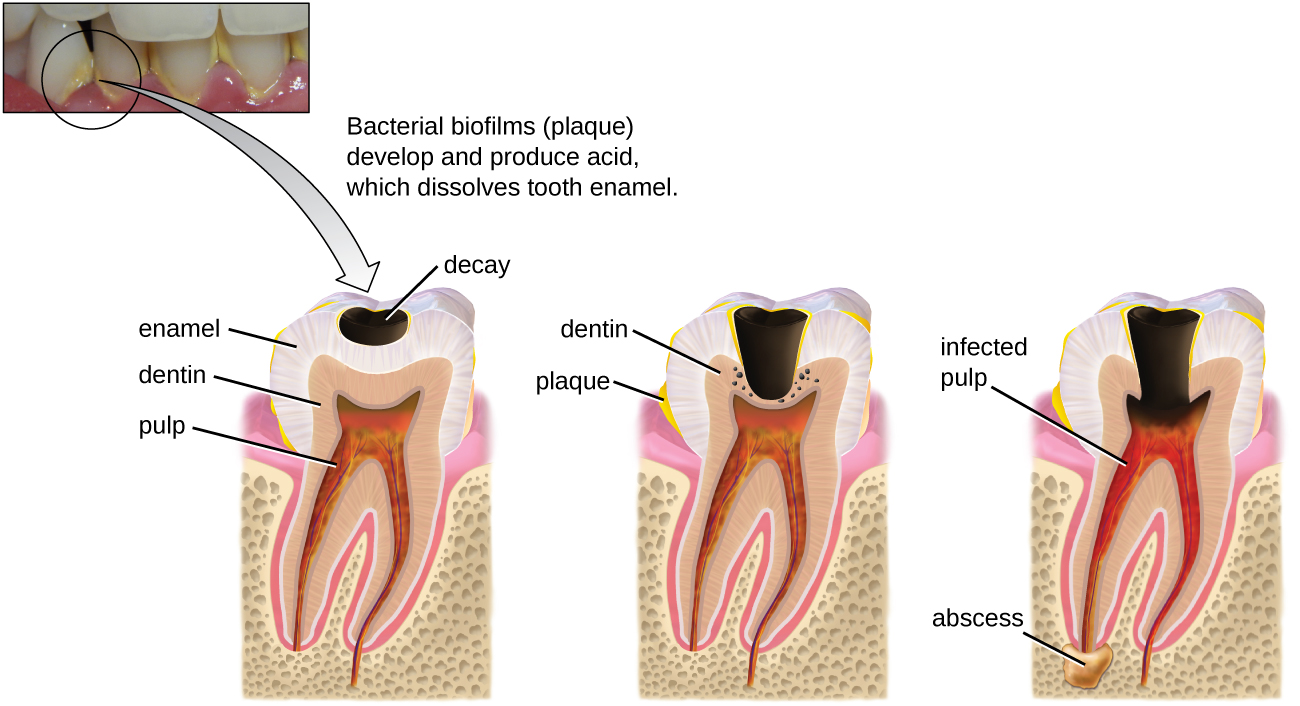
A lot of people do not realize that Gastroparesis can really effect your dental health. I brush my teeth and use mouthwash, although I do not floss as much as I should. I also vomit a lot with Gastroparesis, and most of what I vomit is stomach acid. Stomach acid, in itself, is rough on your teeth because it strips the enamel from your teeth and it makes your teeth weaker. It also opens your teeth up to cavities and to breakages, because they are not as strong and protected without the enamel.

To say the least, it has been rough on mine and I have been throwing up for years. This year, however, I have broken three teeth - I broke two back molars three days ago. I thought I had only broken one, but as it turns out, I broke another molar. I went to the dentist today and they could not save the very lower left back molar I broke, because once they cleared the cavity out, there was not enough tooth left to even salvage. They could save the other molar, though, by bone grafts and an implant. This is a VERY expensive treatment. I'm very lucky I have dental insurance, and they do cover implants which is quite rare, but I still have to pay out of pocket and it is going to be a bill over a thousand dollars. Most people cannot afford treatments like this. I'm fortunate I can.

The Process:
Source: https://bio.libretexts.org/@api/deki/files/9107/OSC_Microbio_24_02_ToothDecay.jpg?revision=1&size=bestfit&width=1053&height=597


But, I wanted to write this article to bring awareness to the fact that Gastroparesis can cause other secondary issues. We do not just suffer from Gastroparesis and what it does to us - the vomiting, cramping, pain, the inability to digest food, etc. It can also cause issues that people would not think of - like dental issues or back problems. I'm going to focus on the dental issues in this article, since I'm dealing with just those issues right now.


Source: https://blogger.googleusercontent.com/img/b/R29vZ2xl/AVvXsEg3YcoIA8FyOyqbOnnGk3KZhImmdwH9c2g3GIBJjRRqk5Vm1bb9xDcVub2qIy6VBdRJDTXrH-DWv5R8tSa7hxwRSqUCuOS9QnRnSilS-LoFYo7qq5QVCX8WLx-6XAQwbn3dolPi_KheR69f/s1600/imagesBTT6Y8H7.jpg


According to Decisions in Dentistry (http://decisionsindentistry.com/article/dental-implications-gastroparesis/),

"Oral health professionals should be prepared to identify clinical findings associated with diagnosed or undiagnosed gastric diseases, dietary habits and psychological disorders (such as bulimia) that may result in vomiting and reflux. Gastric fluids are composed of hydrochloric acid, which may have a pH of 1.0 to 2.0.1 These strong acids can soften enamel and dentin, increasing the risk of tooth surface loss caused by bruxing, toothbrushing, or consuming hard or abrasive foods.2 In addition to the intrinsic effects of gastric fluids, erosive tooth wear may also be related to the extrinsic dietary acids found in many foods and sugar-sweetened beverages.3 As such, when erosion is detected, oral health professionals should identify its etiology and institute behavioral and preventive strategies to manage it.4 Gastroparesis is one example of a gastric condition that can have significant oral health consequences. In order to help guide clinicians toward effective management strategies, this article presents a case study of erosive tooth wear attributed to this condition.

Gastroparesis is a chronic gastrointestinal motility disorder characterized by delayed gastric emptying;5 patients experience partial paralysis of the stomach, which results in food retention in the stomach for extended periods. Symptoms include nausea, vomiting and bloating.5,6 Patients with gastric disorders who seek medical treatment are provided with dietary counseling and may be prescribed medications to alleviate symptoms. When taking medical histories, oral health professionals should ask if the patient has been diagnosed with gastroparesis or other gastric disorders in order to plan appropriate treatment.7


CASE REPORT

For example, the medical history of a woman with the chief complaint of extremely sensitive teeth revealed a diagnosis of gastroparesis. The patient was taking esomeprazole and omeprazole, both of which are proton pump inhibitors that suppress production of gastric acids. In addition to the pain and functional difficulties her dentition was causing, the patient was self-conscious about her smile (Figure 1). A comprehensive examination revealed erosion with dentin exposure, staining, decalcification, noncarious cervical lesions and gingival recession. These were noted in her record. The patient’s gingival display was adequate and within normal limits. A caries risk assessment was completed and, due to low salivary pH and hyposalivation, her risk level was deemed high.

The patient in this case report presented with erosion and dentin exposure, which made her self-conscious about her smile.
FIGURE 1.The patient in this case report presented with erosion and dentin exposure, which made her self-conscious about her smile.
A treatment plan was formulated and discussed with the patient. A diagnostic wax-up of the proposed occlusal scheme was completed (Figure 2). Oral hygiene instructions were presented. The patient was prescribed a high-fluoride toothpaste and given xylitol mints and oral spray containing a pH-neutralizing agent.8 The patient was also counseled about dietary habits. Additionally, the oral side effects of her gastroparesis medications — including decreased salivary flow leading to xerostomia — were discussed.

FIGURE 2. A diagnostic wax-up of the proposed occlusal scheme was created.**
FIGURE 2. A diagnostic wax-up of
the proposed occlusal scheme was
created.
FIGURE 3. A splint was fabricated at the new vertical dimension of occlusion.
FIGURE 3. A splint was fabricated
at the new vertical dimension of
occlusion.
FIGURE 4. Temporary splinted composite onlays were placed at the new vertical dimension of occlusion.
FIGURE 4. Temporary splinted
composite onlays were placed at the
new vertical dimension of occlusion.

After reevaluating the patient’s caries risk level, an esthetic treatment plan was formulated. Lithium disilicate onlays were planned for teeth #18, #19, #20 and #29. Lithium disilicate crowns were planned for teeth #21, #28, #30 and #31. These all-ceramic crowns have high success rates.9 Composite buildups were planned for teeth #22 through #27. Because the patient’s periodontal condition was stable, with no biologic width problems, crown lengthening and gingivectomy were not required. The decision was made to increase the vertical dimension of occlusion due to the loss of tooth structure during conservative preparation.10

FIGURES 5A and 5B. The posterior teeth and quadrants were prepared to receive lithium disilicate onlays and crowns.
The patient accepted the proposed treatment plan. A smile design was completed based on the wax-up, and the patient was eager to begin treatment. Before preparing the teeth, the patient was placed in temporary splinted composite overlays at the new vertical dimension of occlusion (Figure 3 and Figure 4). The patient adapted well to these changes.

FIGURES 6A through 6C. Posterior lithium disilicate onlays and crowns are ready to be delivered.
With the new vertical dimensions of occlusion, the maxillary anterior teeth were prepared for crowns. Anterior teeth #6 to #11 were prepared, impressed and temporized for lithium disilicate restorations. At the next appointment, lithium disilicate crowns were applied to teeth #6 through #11. The patient indicated she was pleased with the esthetic result. At the following appointments, posterior quadrants were prepared and restored sequentially, using bonded lithium disilicate onlays and crowns (Figures 5A and 5B; Figures 6A through 6C). Composite buildups were completed on the lower anterior teeth #22 through #27. The treatment eliminated the patient’s dentinal hypersensitivity and improved oral function and appearance (Figures 7A and 7B).

FIGURES 7A and 7B. The patient reported being pleased with the final results. The therapy eliminated hypersensitivity and improved oral function and appearance.


DISCUSSION AND CONCLUSION

As noted, dental professionals should be able to identify dental erosion and erosive tooth wear,11,12and be adept at recognizing the signs of dental erosion, determining the etiology, and discussing clinical findings with patients. Sensitive findings in the medical history, such as the effects of eating disorders (e.g., anorexia or bulimia), should be handled cautiously.7 Patients who are unaware that gastric acid may cause erosion should be referred to their physician for additional diagnostic testing. Patients should also be educated about the risks acid reflux poses to oral and systemic health. In cases in which it is determined that erosive tooth wear is due to dietary habits, patients should be advised to limit their intake of acidic foods and beverages.13 They need to understand that it is far better to manage tooth surface loss early, as opposed to taking a 'wait-and-watch' approach that may lead to more extensive and expensive restorative dentistry.

These patients should be placed on a frequent recare schedule that includes regular caries risk assessment, monitoring of dietary acid intake, and reinforcement of preventive strategies. This will help to support patients’ oral health, as well as restoration stability and longevity.

Even though the etiology of dental erosion is multifactorial, clinicians should be able to identify possible causes and discuss these with patients. Oral health professionals should also work with patients’ physicians to ensure appropriate counseling and treatment. In addition to managing erosive tooth wear, it is important for dental team members to understand the need to educate patients about the causes of erosion — and what can be done to prevent its potentially damaging oral health consequences.


KEY TAKEAWAYS

Whether the result of gastric disease, dietary habits or psychological disorders (such as bulimia), the introduction of gastric acids into the oral cavity can have negative ramifications for oral health.
Potential consequences include softening of enamel and dentin that increases the risk of tooth surface loss caused by bruxing, aggressive toothbrushing, or consuming hard or abrasive foods.2
When erosion is detected, oral health professionals should seek to identify its etiology, and institute behavioral and preventive strategies to manage it.4
When taking medical histories, dental professionals should ask if the patient has been diagnosed with gastric disorders in order to plan effective treatment.7
As appropriate, patients who are unaware that gastric acid may cause erosion should be referred to a physician for additional diagnostic testing. Patients should also be advised about the risks acid reflux poses to oral and systemic health.
These patients should be placed on a frequent recare schedule that includes regular caries risk assessment, monitoring of dietary acid intake, and reinforcement of preventive strategies.


ACKNOWLEDGEMENT

The authors would like to thank Susan Do, DDS, for providing the images.


REFERENCES

Moazzez R, Bartlett D. Intrinsic causes of dental erosion. Monogr Oral Sci. 2014;25:180–196.
Ranjitkar S, Smales RJ, Kaidonis JN. Oral manifestations of gastroesophageal reflux disease. J Gastroenterol Hepatol. 2012;27:21–27.
Barbour ME, Lussi A. Erosion in relation to nutrition and the environment. Monogr Oral Sci. 2014;25:143–154.
Lussi A, Caravalho TS. Erosive tooth wear. A multifactorial condition of growing concern and increasing knowledge. Mono Oral Sci. 2014;25:1–15.
Camilleri M, Grover M, Farrugia G. What are the important subsets of gastroparesis? Neurogastroenterol Motil. 2012;24:597–603.
Camilleri M, Parkman HP, Shafi MA, Abell TL, Gerson L, American College of Gastroenterology. Clinical guideline: management of gastroparesis. Am J Gastroenterol. 2013;108:18–37.
Lussi A. Dental erosion clinical diagnosis and case history taking. Euro J Oral Sci. 1996;104:191–198.
Bellamy R, Harris R, Date RF, et al. In situ clinical evaluation of a stabilized stannous fluoride dentifrice. Int Dent J. 2014;25:197–205.
Christensen GJ. The all-ceramic restoration dilemma: where are we? J Am Dent Assoc. 2011;142:668–671.
Spear FM, Kokich VG, Marhew D. Interdisciplinary management of anterior dental esthetics. J Am Dent Assoc. 2006;137:160–169.
Barbour M, Lussi A, Shellis R. Screening and predication of dental erosion. Caries Res. 2011;45(Suppl 1):24–32.
Hellwig E, Lussi A. Oral hygiene products, medications and drugs — hidden etiologic factors for dental erosion. Monogr Oral Sci. 2014;25:155–162.
Cochrane NJ, Cai F, Yuan Y, Reynolds EC. Erosive potential of beverages sold in Australian schools. Aust Dent J. 2009;54:238–244.
The authors have no commercial conflicts of interest to disclose.

Featured photo by ERAXION/ISTOCK/ GETTY IMAGES PLUS

From Decisions in Dentistry. February 2017;3(2):28–31.
**SIDENOTE: You can see the figures and diagrams by clicking on the link above."


My friend Robin decided to go with an implant instead of a crown. She said that even stomach acid (GERD or if you vomit it up) can still get under a crown and decay your tooth.


She says about her x-ray (pictured above),

"Tooth on left has a crown-decay under gum. Tooth on right has filling- decay under gum line. That foreign object is a Bicon Implant. Stomach acid ate my teeth from under gum line. Mine is from acid backwash at night"


Source: http://www.familyhealthonline.ca/fho/dental/_images/DH_senstiveTooth.gif


Source: http://www.indysouthportdental.com/wp-content/uploads/2015/04/stages-of-tooth-decay-Indianapolis.jpg


Source: https://i.pinimg.com/736x/42/68/b6/4268b600521918f495ab86259ffdb372--medical-dental-dental-hygiene.jpg

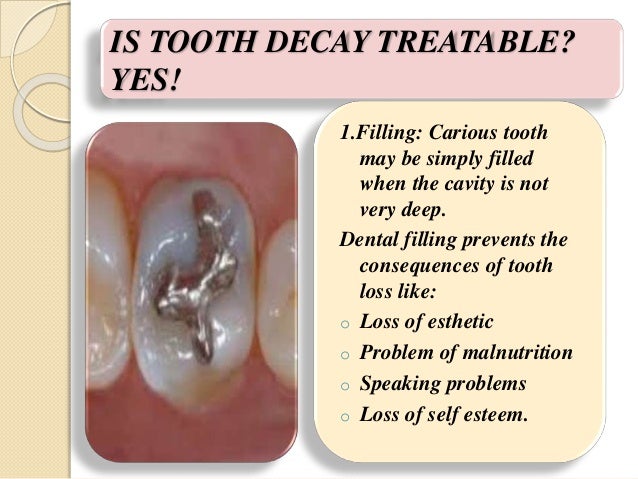
"You call it a cavity. Your dentist calls it tooth decay or dental caries. They're all names for a hole in your tooth. The cause of tooth decay is plaque, a sticky substance in your mouth made up mostly of germs. Tooth decay starts in the outer layer, called the enamel. Without a filling, the decay can get deep into the tooth and its nerves and cause a toothache or abscess." This is according to Medline Plus (https://medlineplus.gov/toothdecay.html).


Source: http://kitsfamilydental.com/wp-content/uploads/2017/05/Sensitive-Teeth.jpg


The article above had the conclusion that,

"Even though the etiology of dental erosion is multifactorial, oral health professionals should be able to identify possible causes and discuss these with the patient. Educating patients on causes of dental erosion is important in clinical practice. Oral health professionals should work with patients' physicians to ensure proper counseling and treatment management. In particular, dental hygienists can play a key role in the identification and management of severe erosive tooth wear."

So, what that means for us Gastroparesis warriors is that we are just going to have to stay away from acidic foods (if you can tolerate them), and continue to brush/floss daily. We should go in for regular cleanings but be sure to tell the hygienist or dentist you have Gastroparesis, even if you have to explain it to them. If you can get your medical records from your GI to bring with you to the dentist, they may have a better idea of where your treatment is at and what you are doing - what medications you could be on that might help erode enamel/teeth quicker, and that sort of thing. It's important to call the dentist as soon as a tooth starts bothering you. Do not wait, because if you wait, it could break like mine did, or be a lot more expensive to fix in the long run. So basically, all we can really do is stay on top of our dental health, which is hard since we have SO MUCH to keep up with health wise - records, doctor's visits, and so on. But, I haven't been able to find too many articles about tooth decay and Gastroparesis except for the one study above. I hope this helps you some. If I learn more, I will update this article.


Source: https://image.slidesharecdn.com/oralhygiene-151122062237-lva1-app6891/95/oral-hygiene-8-638.jpg?cb=1448173461


Malnutrition and Vitamin Deficiencies Can Lead To Tooth Decay


Source: https://blogger.googleusercontent.com/img/b/R29vZ2xl/AVvXsEjvHQJLTkabFSHHVqk1RR61PO1QcVaE2OvcKbeuNzvOvOFKguzcjNyf0fiCKfs8vcA3JFIrV56DZ2sYClrzXGlln_R1FoI7YugcL-y21bysU8hHptBVy43y5tcyOOixEJCfYYkJkIN1N2Zk/s400/vitaminc.jpg

I've written an article on Vitamin Deficiencies here: http://www.emilysstomach.com/2013/06/the-impact-of-vitamin-deficiencies.html


Source: https://blogger.googleusercontent.com/img/b/R29vZ2xl/AVvXsEiufzbGJmKwBj-tZDftB0AORJlgXaorzVNiYBsCSbq-dVJ-GYE06O0JwqnRMGWyS88mS3mLQgAKN_yAZGawKmyb6orW87a1YFOiYX3jcLDCwU9zMu5Ri4GsHBPw9kssu4aKKWY5chrEyy1h/s1600/936816_663318470351393_1531403978_n.jpg

I've written an article on Malnutrition here: http://www.emilysstomach.com/2013/06/information-about-malnutrition.html

Saturday, December 2, 2017

Dysautonomia and Gastroparesis

Source: http://blog.brightlifedirect.com/wp-content/uploads/2016/09/dysautonomia-umbrella.jpg

I have noticed in my support groups that a lot more people are being diagnosed with POTS and Dysautonomia. I have been asked if it is related to Gastroparesis, since they were diagnosed with the others after the initial diagnosis of Gastroparesis. I wanted to write an article on POTS and Dysautonomia to not only help those newly diagnosed, but to explain the connection between the two and Gastroparesis. I especially wanted to write about Dysautonomia because October is Dysautonomia Awareness Month.

Source: http://i.pinimg.com/originals/79/6a/64/796a643254abfaed18b12779a5b90a1d.jpg


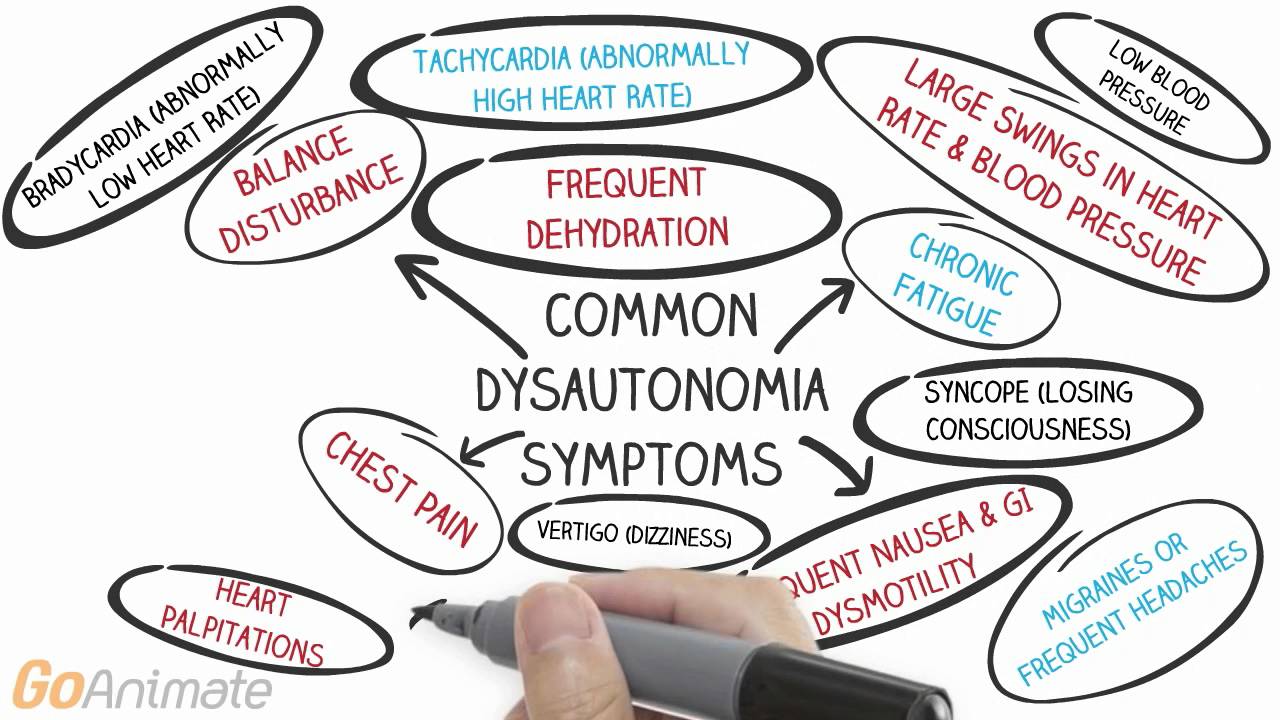
So, what is Dysautonomia?

According to the Cleveland Clinic (http://my.clevelandclinic.org/health/articles/dysautonomia ,

"What is Dysautonomia?

Dysautonomia refers to a disorder of autonomic nervous system (ANS) function that generally involves failure of the sympathetic or parasympathetic components of the ANS, but dysautonomia involving excessive or overactive ANS actions also can occur. Dysautonomia can be local, as in reflex sympathetic dystrophy, or generalized, as in pure autonomic failure. It can be acute and reversible, as in Guillain-Barre syndrome, or chronic and progressive. Several common conditions such as diabetes and alcoholism can include dysautonomia. Dysautonomia also can occur as a primary condition or in association with degenerative neurological diseases such as Parkinson's disease. Other diseases with generalized, primary dysautonomia include multiple system atrophy and familial dysautonomia. Hallmarks of generalized dysautonomia due to sympathetic failure are impotence (in men) and a fall in blood pressure during standing (orthostatic hypotension). Excessive sympathetic activity can present as hypertension or a rapid pulse rate.


Is there any treatment?

There is usually no cure for dysautonomia. Secondary forms may improve with treatment of the underlying disease. In many cases treatment of primary dysautonomia is symptomatic and supportive. Measures to combat orthostatic hypotension include elevation of the head of the bed, water bolus (rapid infusion of water given intravenously), a high-salt diet, and drugs such as fludrocortisone and midodrine.


What is the prognosis?

The outlook for individuals with dysautonomia depends on the particular diagnostic category. People with chronic, progressive, generalized dysautonomia in the setting of central nervous system degeneration have a generally poor long-term prognosis. Death can occur from pneumonia, acute respiratory failure, or sudden cardiopulmonary arrest.


What research is being done?

The NINDS supports and conducts research on dysautonomia. This research aims to discover ways to diagnose, treat, and, ultimately, prevent these disorders.


Organizations

National Dysautonomia Research Foundation

P.O. Box 301
Red Wing, MN 55066-0301
ndrf@ndrf.org
www.ndrf.org
Tel: 651-327-0367
Fax: 651-267-0524

National Organization for Rare Disorders (NORD)

55 Kenosia Avenue
Danbury, CT 06810
orphan@rarediseases.org
www.rarediseases.org
Tel: 203-744-0100; Voice Mail: 800-999-NORD (6673)
Fax: 203-798-2291

Dysautonomia Foundation

315 W. 39th Street
Suite 701
New York, NY 10018
info@familialdysautonomia.org
www.familialdysautonomia.org
Tel: 212-279-1066
Fax: 212-279-2066

Familial Dysautonomia Hope Foundation, Inc. (FD Hope)

121 South Estes Drive
Suite 205-D
Chapel Hill, NC 27514-2868
info@fdhope.org
www.fdhope.org
Tel: 919-969-1414

The Multiple System Atrophy Coalition

9935-D Rea Road
Charlotte, NC 28227
vjames@msacoalition.org
www.multiple-system-atrophy.org
Tel: 866-737-5999

Dysautonomia Youth Network of America, Inc.

1301 Greengate Court
Waldorf, MD 20601
info@dynainc.org
www.dynainc.org
Tel: 301-705-6995
Fax: 301-638-DYNA

Source: National Institutes of Health; National Institute of Neurological Disorders and Stroke NINDS

This information is provided by the Cleveland Clinic and is not intended to replace the medical advice of your doctor or health care provider. Please consult your health care provider for advice about a specific medical condition. This document was last reviewed on: 8/11/2015...#6004"


Source: http://7468669c0013a7dae459-4d0fcf8d315d40f305ee2ebb6c32f79c.ssl.cf1.rackcdn.com/6071847_1445348729.4079_updates.jpg


Source: http://image.slidesharecdn.com/dysautonomia-100311124144-phpapp01/95/dysautonomia-6-728.jpg?cb=1268311395


Source: http://i.ytimg.com/vi/i-FtCGrXvTs/maxresdefault.jpg


Source: http://image.slidesharecdn.com/18dysautonomiaeps2016breakoutpresi-ii-160127175513/95/syncope-and-dysautonomia-4-638.jpg?cb=1453917438


Source: http://www.facebook.com/photo.php?fbid=10212997873295898&set=pcb.828771880581405&type=3&theater&ifg=1


Source: http://i.pinimg.com/736x/53/ec/4e/53ec4e9eb210e4519bf341f2da2accab--crps--days.jpg


Wednesday, November 8, 2017

Information to Help the Newly Diagnosed and to Help Family/Friends Understand Gastroparesis

I have written a series of articles over the years but wanted to put them together, sort them, if you will, so that they would be much easier to get to. I wanted to put them all together in a post to help people find the information they may need right at the moment, so they do not have to hunt through 200 posts. All you have to do is click on the bold, capital letters to reach the articles listed below.


Information to Help Family and Friends Understand Gastroparesis (GP):

TO THE LOVED ONES OF A PERSON DEALING WITH CHRONIC PAIN. This article helps those who may never have experienced chronic pain to understand it.

A LETTER FROM A GPER TO A FRIEND/FAMILY MEMBER. This is to help friends and family understand what it's like living with Gastroparesis.

ADVICE FOR CAREGIVERS WHO WITNESS LOVED ONES SUFFERING FROM GASTROPARESIS. This article is self explanatory. It gives those who take care of GPers advice on how to handle things and what to do/what not to do. It's very helpful.

THE DIFFERENT TESTS TO DIAGNOSE GASTROPARESIS. This is an article that goes through the different tests that can be used to diagnose Gastroparesis, if someone you love is having these symptoms, please call a GI right away. The GI can preform a test or more than one of these tests to confirm the diagnosis.

WHEN TELLING SOMEONE THEY LOOK GREAT BECOMES AN INSULT. This article goes into detail on how telling someone who is chronically ill, especially with GP, that looking great can be an insult. It's a very good article.

HOW TO DEAL WITH THE SITUATION, "BUT YOU DON'T LOOK SICK!" This article goes into detail about how people who say we don't look sick, even though they might mean well, of how it does more harm than good. Some people do not realize this and think that they're being helpful, or even nice. The article goes into detail about why it's a bad thing to say.

RESOURCES TO EXPLAIN DTP/GP OR A CHRONIC ILLNESS TO FAMILY AND FRIENDS. This article goes into detail of trying to explain having Gastroparesis/DTP and/or any chronic illness to family and friends. It tries to explain it in a way that healthy people can understand, because I feel, personally, unless you've been there, it's a bit hard to understand. I wanted to try and find a way to get others to understand because I am tired of being doubted. You shouldn't have to fight your family and friends when you already fight with doctors, nurses, etc. There's just not enough energy for that.

ADVOCACY FOR PATIENTS AND FAMILY/FRIENDS OF A CHRONICALLY ILL PATIENT. This article explains how you and your family should be your advocate when navigating the healthcare system. Sometimes, we are too sick to fight for ourselves, and having someone there with you to help you makes a difference. It gives a lot of pointers on how to be your own advocate as well.

A DOCTOR'S ADVICE TO THOSE WITH A CHRONIC ILLNESS. This article will help you but I think it will also help your family and friends who do not suffer from a chronic illness to understand one.

GASTROPARESIS PATIENTS VS DRUG SEEKERS. This article explains the difference between drug seekers/addicts and people suffering from Gastroparesis and other chronic illnesses which cause pain. It helps the reader to understand the difference. People who suffer from chronic pain, whether it's from nerve damage or other reasons, constantly have to defend themselves in Emergency Rooms, to doctors, to office staff, to family members, and to friends. It's exhausting, especially when we didn't ask for a chronic illness or chronic pain.

GASTROPARESIS VS EATING DISORDERS. This article tells the difference between having an eating disorder and Gastroparesis. I have talked to a lot of GPers (people with Gastroparesis) and they have told me at one time or another, that they were accused of having an eating disorder and was refused treatment. In high school, when I was sick and before I knew what I had, I was accused of pregnancy and then an eating disorder. Some people did get gastroparesis through eating disorders as well. However, I do not think they should be punished nor should we all be punished and refused treatment because of this terrible invisible chronic illness. I am going to share some stories with you that brave women have sent me. Because, they deserve to be heard and the world needs to hear them. They won't be invisible anymore.

GASTROPARESIS VS EATING DISORDERS PART DEUX. This article compares Eating Disorders to Gastroparesis, and the differences between each but there are some similarities, so I can understand why people may be confused between the two. Hopefully, this article will help you be able to tell the difference.

A COLLECTION OF GASTROPARESIS STUDIES AND RESEARCH. This is a collection of studies and research I could find that is currently being done on Gastroparesis. We hope to get more awareness out there so more will be done.


GASTROPARESIS: THE DIFFERENT WAYS IT EFFECTS THE BODY. "There are many kinds of Gastroparesis, many faces of Gastroparesis, and because everyone is different, it is hard to diagnose and treat. I, myself, have had Gastroparesis since about 2000 after an appendix surgery but was officially diagnosed in 2012. I do vomit, but that doesn't make my Gastroparesis more than someone who does not vomit, or my Gastroparesis less than someone who may have a feeding tube. There are also people who gain weight with Gastroparesis. However, Gastroparesis is Gastroparesis. It does not matter how much you weigh, because that does not mean that you are not malnourished or that you are not vitamin deficient. The Vagus Nerve is still damaged."


Image Source: Melissa M.


Resources for the Newly Diagnosed:

FREQUENTLY ASKED QUESTIONS REGARDING GASTROPARESIS. This article contains frequently asked questions regarding gastroparesis and answers to those questions. These are questions I see a lot in groups and on my pages, so I thought I would answer them.

ADVICE FOR THE NEWLY DIAGNOSED WITH GASTROPARESIS/DTP. This article contains more resources for those who have been newly diagnosed with Gastroparesis/DTP.

YOU'VE BEEN DIAGNOSED WITH GP, NOW WHAT? This article gives resources like the Gastroparesis diet, support groups, and other important things to know about Gastroparesis.

THE GASTROPARESIS DIET & RECIPE HELP/IDEAS. This article was written to help those who have been diagnosed and need to change their dietary needs to accompany the illness that invades their digestive systems. The link to this article is definitely in the articles above, for the newly diagnosed. I have collected no just friendly Gastroparesis food recipes, but also recipes for juicing and smoothies. Unfortunately, it is trial and error for everyone, because everyone's GP is different. You just have to find what works for you. There are also support groups for people who have GP who swap recipes and help each other. Additionally, I have uploaded documents containing information about the Gastroparesis diet that the Mayo Clinic gave me.

GASTROPARESIS' EFFECTS ON DENTAL HEALTH. This article goes into what causes dental issues for Gastroparesis warriors. It explores what causes tooth decay, because many GPers lose their teeth, break teeth, and have horrible cavities. There are a variety of factors from vomiting up stomach acid to stripped enamel.

GASTROPARESIS; THE DIFFERENT WAY IT EFFECTS THE BODY. "There are many kinds of Gastroparesis, many faces of Gastroparesis, and because everyone is different, it is hard to diagnose and treat. I, myself, have had Gastroparesis since about 2000 after an appendix surgery but was officially diagnosed in 2012. I do vomit, but that doesn't make my Gastroparesis more than someone who does not vomit, or my Gastroparesis less than someone who may have a feeding tube. There are also people who gain weight with Gastroparesis. However, Gastroparesis is Gastroparesis. It does not matter how much you weigh, because that does not mean that you are not malnourished or that you are not vitamin deficient. The Vagus Nerve is still damaged." This article takes a loot into what Gastroparesis actually is and what causes it before it goes in depth about the different types of Gastroparesis.

THE MANY CAUSES OF GASTROPARESIS & TREATMENT OPTIONS. Disclaimer: There is NO cure for gastroparesis. A lot of people and groups will try to sell things or involve you in a ponzi scheme to sell "cures" to desperate people. If there was a cure, it would be readily available and publicized. I can promise doctors would have given the cure to friends of mine whom have passed. I decided to do an article exploring what causes Gastroparesis. I have been asked this a lot by newly diagnosed Gastroparesis Warriors, and I was curious to see if anything has changed, especially given all of the awareness to this illness that the wonderful members of the GP Community have dedicated themselves to in the past few years. I also wanted to have an article written about what causes Gastroparesis, so that people who are having symptoms of this illness, can have something to refer back to so that the doctor will know what tests to run. If you think you might have Gastroparesis, definitely talk to your Gastroenterologist. You should always consult your doctor if you have questions/concerns. However, if you feel like the advice is not right for you, go in for a second opinion somewhere else. You know your body better than anyone else does.

A COLLECTION OF GASTROPARESIS MEDICAL STUDIES. I like to stay on top of research into Gastroparesis, and that includes medical studies and clinical trials. I like to see how they are faring so that I can see if there's better treatment options on the horizon. I wanted to share my findings with anyone who reads my blog. I believe in hope. I know that sounds odd, but I do. I think hope is powerful. I hold onto hope for better treatments to help millions of people. I know one day we will get there.

GASTROPARESIS MEDICAL STUDIES UPDATE; JOIN AND/OR KEEP UP WITH THE CLINICAL TRIALS.. There are clinical trials being held by The National Institute of Diabetes, Digestive, and Kidney Diseases. There are also other studies that show to be promising regarding medication to help with the cramps, among other things, of Gastroparesis. It all looks really hopeful.

HOW TO OBTAIN DOMPERIDONE. Unfortunately, it is not really prescribed here anymore. So, I uploaded the printout that the DEA has on Domperidone and more information about it.

PROGRESSIONAL TIMELINE OF GASTROPARESIS/EDS/DYSAUTONOMIA. This is a request for timelines for those who have been diagnosed with GP/DTP, EDS, and Dysautonomia. I want to do some research and compare timelines between people to see if I can spot a pattern. Hopefully, I can compile enough research to give it to a doctor/researcher who can take the idea and go from there. I thought it would be an interesting project because I know most of my friends diagnosed with GP suffer from EDS and Dysautonomia too. I am curious to see if there's a connection there but I need a large sample size to see if there is.

THE GASTRIC STIMULATOR PART I - PERSONAL STORIES FROM REAL PEOPLE WHO HAVE HAD THE SURGERY. This article contains personal stories from those who have Gastroparesis and have gotten the gastric stimulator/pacemaker surgery to help them eat. On a side note, there is a group that is composed of people who have had the surgery and are able to answer any questions you might have, and it's important to do your own research and ask questions before a major surgery like this. However, keep in mind that everyone is different when it comes to Gastroparesis. The group is listed below in the Resources article and this article.

INFORMATION ON THE VAGUS NERVE. This article goes into detail about the vagus nerve, what it controls and where it runs through your body. The article also has links to the "Vagus Nerve Stimulator" and "The Brain in Your Gut."

THE GASTRIC BYPASS, THE SLEEVE, AND GP. This article goes into detail about the gastric bypass and sleeve, along with personal stories of those with gastroparesis who had these surgeries. I did a year's worth of research into the gastric bypass, because my GI kept insisting that it would help me. However, I decided it was not for me after speaking to GP friends who had it done, and the they experienced horrifying issues. I did upload all of the paperwork that I was asked to fill out, so you understand the procedure you are committing to.

AN NJ TUBE STORY BY ALLEY. This article is written by a guest blogger and my friend, Alley. She writes about what it's like living with an NJ tube.

GP SURVIVAL COMMANDMENTS. This article was one I wrote after I polled people in support groups on what they wished they had been told these things (the things listed in the blog article) when they were first diagnosed.

GASTROPARESIS: KNOW THE FACTORS FOR THIS MYSTERIOUS STOMACH CONDITION. This article goes on to explain Gastroparesis, "As diabetes cases skyrocket, another condition called gastroparesis is rapidly becoming a more common diagnosis. It reduces the ability of the stomach to empty its contents but does not involve a blockage. Nausea, vomiting, loss of appetite, bloating and chronic abdominal pain are the hallmark symptoms, according to gastroenterologist Michael Cline, DO."

RELAXING AND BREATHING TECHNIQUES FROM THE MAYO CLINIC. I uploaded pages that the Mayo Clinic gave me to teach me how to relax my breathing. It helps during panic attacks but it also helps after you vomit, because it helps to regulate your breathing.

GASTROPARESIS RESOURCES & ONLINE GROUPS. This is a link to all kinds of resources for Gastroparesis, including support groups, blogs, Pinterests, etc. A great article to help you, and it is constantly updated with new groups and information about Gastroparesis.

THE BRAIN IN YOUR GUT. The stomach makes most of your serotonin. So, what happens when you have Gastroparesis and your motility is decreased?


If you are having issues describing Gastroparesis to someone else, this might help as well:

Source: unknown


THE IMPACT OF VITAMIN DEFICIENCIES. This article dives into the different vitamin deficiencies and the symptoms for each. If you notice any of these symptoms, please call your doctor immediately. It is easy for people like us to have low vitamins because we cannot eat like "normal" people.

INFORMATION ABOUT MALNUTRITION. This article explores the symptoms of malnutrition, what causes it, how it effects us, and the treatment for it. This, and vitamin deficiencies, are VERY serious! Please call your doctor if you have the issues outlined in this article.

POOP - WHAT THE DIFFERENT COLORS AND SMELLS MEAN. A lot of people are embarrassed to ask this question when something isn't right. However, this article contains charts and sources to help you figure out what is going on. It is NOT a substitution for medical advice from your doctor. You should always call your doctor if you feel like something is wrong or not like it should be. But, for those of you who have questions, this article will help you and maybe even help you write down questions to take with you to the doctor.

DUMPING SYNDROME. This is an article explaining dumping syndrome; What it is, what causes it, and goes into details about it. I have experienced it first hand, when my stomach wants to empty all at once because the bile doesn't have a lot of places to go. It has cited sources, like all of my articles, so that you can read from the source and write down any questions you may have for the doctor.

INSPIRATION AND HOW TO KEEP YOUR MARRIAGE STRONG DURING A CHRONIC ILLNESS. Marriage is hard enough as it is without adding a chronic illness into the mix. However, life happens. This article will give you some pointers on how to keep your marriage strong when your chronically sick.

BRAIN FOG: WHAT IT IS,CAUSES, SYMPTOMS, AND TREATMENTS. "Whenever someone experiences forgetfulness, feels utterly confused while tying up thoughts, or has disorganized thinking, or has inability to focus or is hard pressed to put their thoughts into words, they are experiencing brain fog."

HOW GP/DTP - PAIN EMOTIONALLY AND PHYSICALLY. This article describes and gives suggestions on how to cope with pain related to Gastroparesis and Digestive Tract Paralysis (DTP). It was compiled from suggestions given by other warriors who are fighting the same fight.

HOW TO STAY MOTIVATED. It is really easy to lose pleasure in things you once loved, and it's hard to look on the bright side when you're constantly sick. However, this article will give some ideas about keeping motivated, even during the worst of times. You're NOT alone!

HOW TO STAY POSITIVE, ESPECIALLY IN DIFFICULT SITUATIONS. This article is a lot like the article above. It gives ideas and ways to stay positive, even when the world seems so bleak because you're constantly sick.

FEELING GOOD WHEN YOU'RE FEELING DOWN. This article gives pointers on how to stay positive and feel good when you become depressed. We all get really sad every now and then, especially when we're overwhelmed and tired. This article gives some tips that might help. But, if you feel really down all of the time, you need to talk to your doctor.

HANDLING HOLIDAYS WITH A CHRONIC ILLNESS. The holidays are coming up and this article gives tips on how to get through the holidays with a chronic illness like Gastroparesis, because almost or all of our holidays are centered around food.

INFORMATION ABOUT GASTROPARESIS AND TRAVELING WITH GP. This article will give you information on what Gastroparesis is, what causes it, and traveling information. I obtained in depth handouts from the Mayo Clinic and uploaded them for everyone. The article has information from Mayo on how to travel with Gastroparesis, and a link to an article on traveling with a feeding tube. It also has a link to the Gastroparesis diet.

SOCIALIZING WITH A CHRONIC ILLNESS. It is extremely hard to socialize with a chronic illness, but it can be done thanks to modern technology! "Socializing is hard enough when you are a healthy, human being. You could be shy or nervous to talk to others. However, with a chronic, invisible illness, it's even harder. Imagine having that nervousness and shyness leading to vomiting, intestinal spasms, bloating, and many other things but the main culprit is fatigue." To find out how to get around that, you'll have to read the article!

HOW TO FEEL SEXY OR HAVE SEX WITH A CHRONIC ILLNESS. I've gotten this question a few times but people are too embarrassed to ask it, usually. I decided to write an article on it that might help.

PREGNANCY AND GASTROPARESIS. I've gotten this question a lot too, so I consulted people who have been pregnant with gp, and wrote an article to help those who may be thinking of getting pregnant but worried about their GP.

THE GRIEVING PROCESS FOR A CHRONIC ILLNESS AND HOW TO OVERCOME IT. People go through a mourning process once they are diagnosed with a chronic illness because the things they could do before, they might not be able to do now. Your old life is dead, and you mourn it as you go on with your new life. This article will help with that.

SUICIDE AND CHRONIC ILLNESS. This is an important article because a lot of people with chronic illnesses go through depression. It's important to know when to ask for help and this article is to help prevent more suicides because of chronic illnesses.

LOSING A LOVED ONE TO A CHRONIC ILLNESS AND HOW TO HANDLE THE GRIEF. I've lost a lot of friends because of complications due to their chronic illnesses. This article will help you on how to handle grief in a healthy way. Death is a part of life. Just please know when you need to ask for help.


Source: A friend of mine made these a few years ago for Gastroparesis Awareness Month in August.