Find us on Google+ Gastroparesis

Copyright

“You agree that you will not modify, copy, reproduce, sell, or distribute any content in any manner or medium without permission."

Wednesday, April 10, 2013

Insight into Diabetic Gastroparesis from an Idiopathic Perspective

I am not diabetic, although, I do become hypoglycemic occasionally. A friend and I were talking and we came to the conclusion that we should shed light on their condition in addition to idiopathic gastroparesis (GP). My friend (I am protecting her identity, not trying to deny her credit or anything), inspired this article and I just wanted to thank her for bringing it to my attention. All of the links are in bold, capital letters. If you click on them, they take you to the site they are referencing.

I wanted to provide some insight into DIABETIC GASTROPARESIS for those of us who are idiopathic.

I have asked the Diabetic GP Warriors on Facebook Pages, the SUPPORT FOR DIABETIC GP WARRIORS, and the DIGESTION DISORDERS FORUM on Facebook. I have cited people to the best of my ability without giving away personal information.


Image Taken from Flickr at: http://www.flickr.com/photos/capturelifeinaction/6880171870


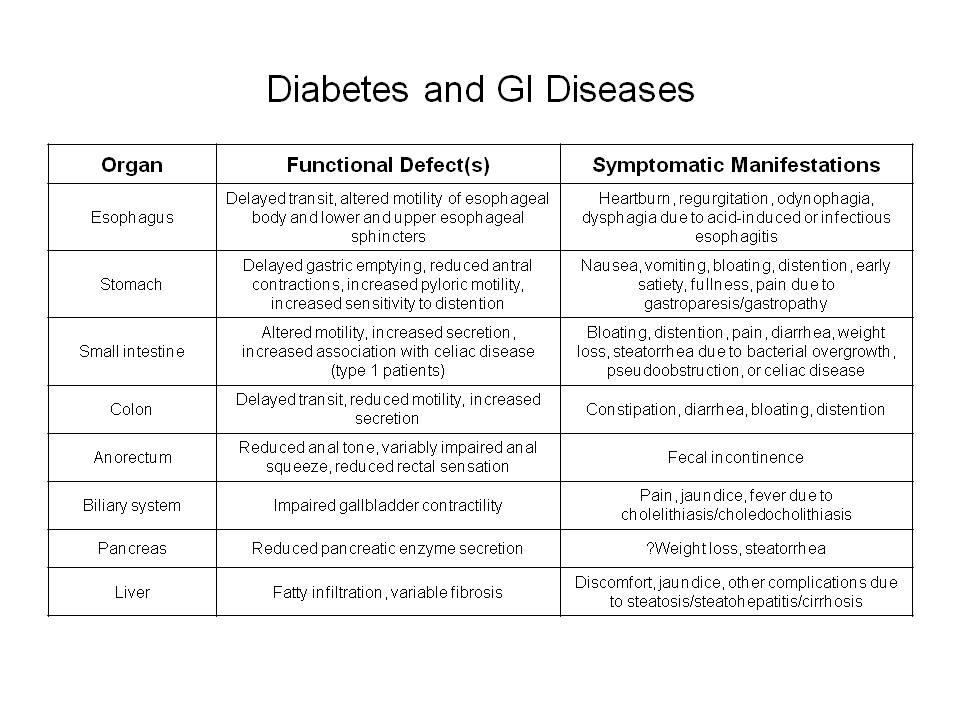
These are different procedures that can be test regions of the gastrointestinal tract (GI), functional GI tests that are available locally, and their clinical utilities. The charts can be found below:


Images Taken From: http://media.oncologynurseadvisor.com/images/dsm/ch6560.table1.jpg


Let's start with what Diabetic Gastroparesis is.

The AMERICAN DIABETES ASSOCIATION has written this on the subject,

"Gastroparesis is a type of neuropathy (nerve damage) in which food is delayed from leaving the stomach. This nerve damage can be caused by long periods of high blood sugar.Delayed digestion makes the management of diabetes more difficult. It can be treated with insulin management, drugs, diet, or in severe cases, a feeding tube.

Gastroparesis is a disorder affecting people with both type 1 and type 2 diabetes in which the stomach takes too long to empty its contents (delayed gastric emptying). The vagus nerve controls the movement of food through the digestive tract. If the vagus nerve is damaged or stops working, the muscles of the stomach and intestines do not work normally, and the movement of food is slowed or stopped.

Just as with other types of neuropathy, diabetes can damage the vagus nerve if blood glucose levels remain high over a long period of time. High blood glucose causes chemical changes in nerves and damages the blood vessels that carry oxygen and nutrients to the nerves.
What are the symptoms?


Signs and symptoms of gastroparesis include the following:

Heartburn
Nausea
Vomiting of undigested food
Early feeling of fullness when eating
Weight loss
Abdominal bloating
Erratic blood glucose (sugar) levels
Lack of appetite
Gastroesophageal reflux
Spasms of the stomach wall


These symptoms may be mild or severe, depending on the person. No two people have gastroparesis are alike. This is part of the reason that is hard to diagnose because it mimics so many other symptoms.


ALSO, IF YOU DO NOT STOP YOUR PAIN MEDICATIONS OR OTHER MEDICATIONS AT LEAST A MONTH BEFORE YOUR GASTRIC EMPTYING SCAN, OR OTHER TESTING, YOUR TESTS COULD BE SKEWED AND YOU WILL NEED TO START ALL OVER AGAIN.

I'm very sorry about using all caps but I wanted to be sure and get that point across because not many doctors tell you about that.


What are the Complications?

Gastroparesis can make diabetes worse by making it more difficult to manage blood glucose. When food that has been delayed in the stomach finally enters the small intestine and is absorbed, blood glucose levels rise.

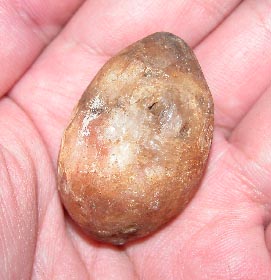
If food stays too long in the stomach, it can cause problems like bacterial overgrowth because the food has fermented. Also, the food can harden into solid masses called bezoars that may cause nausea, vomiting, and obstruction in the stomach. Bezoars can be dangerous if they block the passage of food into the small intestine.


A bezoar in someone's hand.
Image courtesy of:
http://www.bezoarmustikapearls.com/images/dewa1thumb.JPG


Image Taken From Imgur:http://image.slidesharecdn.com/beatdiabetesvivalavive-160404084500/95/who-campaign-halt-the-rise-beat-diabetes-viva-la-vive-8-638.jpg?cb=1459877266


However, there are many ways to confirm a diagnosis of gastroparesis. The main issue is to find a good doctor who wil listen to you and try their best to help you and treat you with respect. The diagnosis of gastroparesis is confirmed through one or more of the following tests:


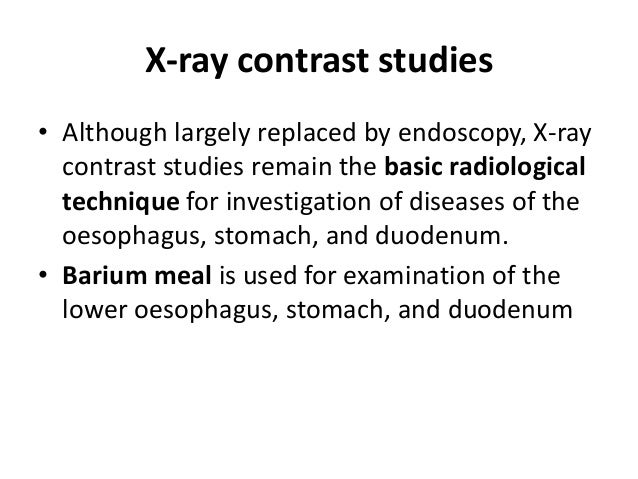
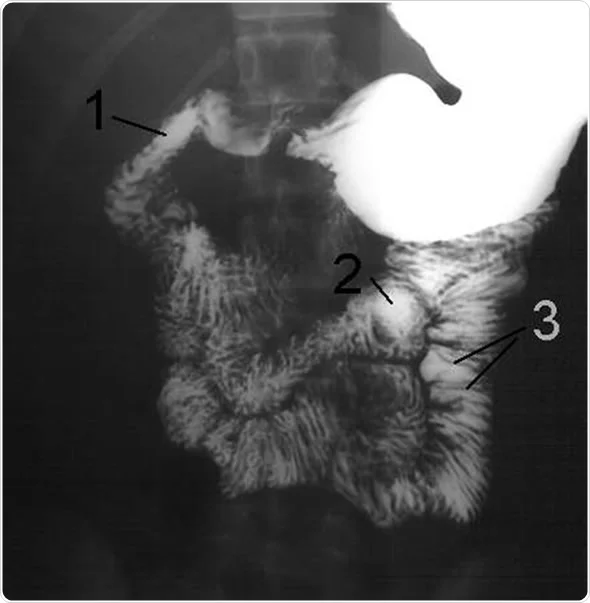
Barium X-ray

After fasting for 12 hours, you will drink a thick liquid containing barium, which covers the inside of the stomach, making it show up on the X-ray. Normally, the stomach will be empty of all food after 12 hours of fasting. If the X-ray shows food in the stomach, gastroparesis is likely. If the X-ray shows an empty stomach, but the doctor still suspects that you have delayed emptying, you may need to repeat the test another day. On any one day, a person with gastroparesis may digest a meal normally, giving a falsely normal test result. If you have diabetes, your doctor may have special instructions about fasting.


Image Found at: http://image.slidesharecdn.com/ca-imagingofstomach-141003080506-phpapp01/95/imaging-of-stomach-20-638.jpg?cb=1412323598


Barium Beefsteak Meal

You will eat a meal that contains barium, which allows the doctor to watch your stomach as it digests the meal. The amount of time it takes for the barium meal to be digested and leave the stomach gives the doctor an idea of how well the stomach is working. This test can help find emptying problems that do not show up on the liquid barium X-ray. In fact, people who have diabetes-related gastroparesis often digest fluid normally, so the barium beefsteak meal can be more useful.


Image Taken From News Medical: http://www.news-medical.net/image.axd?picture=2013%2F8%2Fbarium+meal.jpg


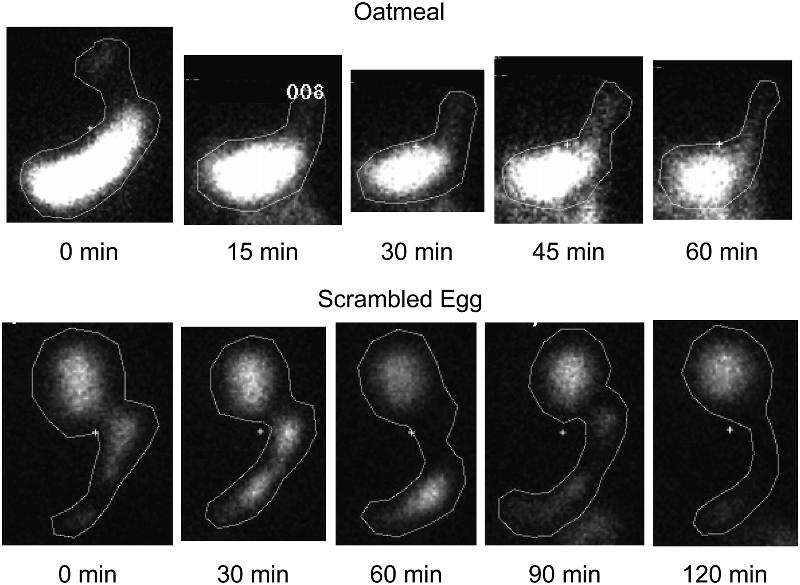
Radioisotope Gastric-Emptying Scan

You will eat food that contains a radioisotope, a slightly radioactive substance that will show up on the scan. The dose of radiation from the radioisotope is small and not dangerous. After eating, you will lie under a machine that detects the radioisotope and shows an image of the food in the stomach and how quickly it leaves the stomach. Gastroparesis is diagnosed if more than half of the food remains in the stomach after two hours.


Image Taken By Me at the Mayo Clinic:
https://blogger.googleusercontent.com/img/b/R29vZ2xl/AVvXsEgiu2SEXbEflujLXxnpCPJrdiVSdQou8aAIKVqzkfUzXB90VInf8ucRT5R-pHztWptzeuGlkV9DG1-7wYZT3ghzLxUfH1BUyOxhu-oZbJ_2dWC_6X5dvr-b9vcIZUDFrtOSpWsHqnf3AuhO/s1600/711571_10152526124110453_662203246_n.jpg


Image Taken From Radio-Pharmacy Inc.: http://files.ctctcdn.com/dc73e3db001/d91cbede-0467-4dc9-9e52-5fdad19c60eb.jpg


Gastric Manometry

This test measures electrical and muscular activity in the stomach. The doctor passes a thin tube down the throat into the stomach. The tube contains a wire that takes measurements of the stomach's electrical and muscular activity as it digests liquids and solid food. The measurements show how the stomach is working and whether there is any delay in digestion.


Image Taken From The Cleveland Clinic: http://my.clevelandclinic.org/-/scassets/images/org/health/articles/4952-esoph-manometry.ashx


Image Taken From: http://www.ddri.ir/en/uploads/fmcontent/img/content_img_4ef2dce631220.jpg


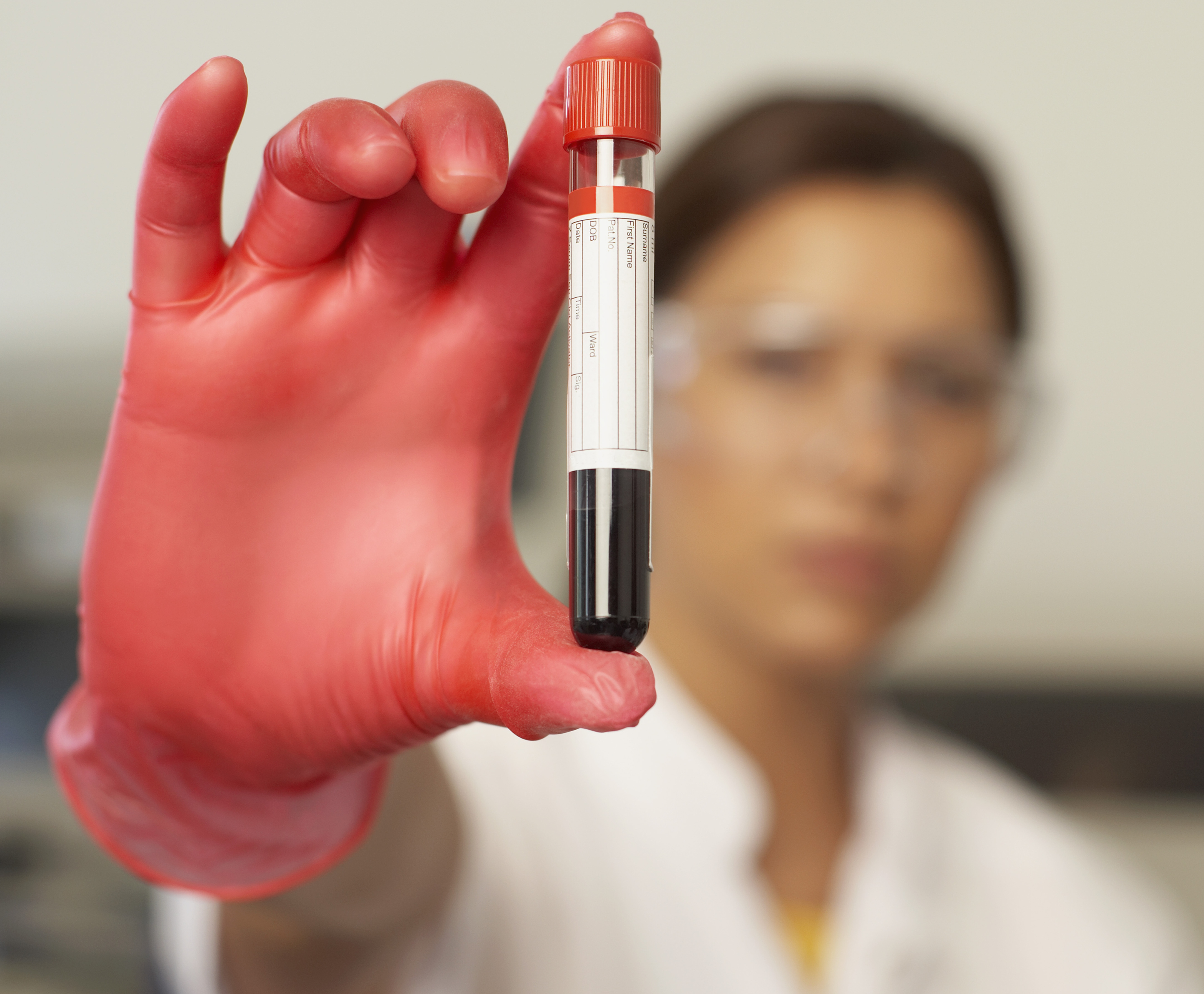
Blood Tests

The doctor may also order laboratory tests to check blood counts and to measure chemical and electrolyte levels.


Image Taken From: http://mediad.publicbroadcasting.net/p/wnpr/files/201403/Blood_sample_vial.jpg


To rule out causes of gastroparesis other than diabetes, the doctor may do an upper endoscopy or an ultrasound.


Upper Endoscopy

After giving you a sedative, the doctor passes a long, thin tube called an endoscope through the mouth and gently guides it down the esophagus into the stomach. Through the endoscope, the doctor can look at the lining of the stomach to check for any abnormalities.


Image Taken From: http://www.halstedsurgery.org/Upload/200802291526_08566_000.jpg


Ultrasound

To rule out gallbladder disease or pancreatitis as a source of the problem, you may have an ultrasound test, which uses harmless sound waves to outline and define the shape of the gallbladder and pancreas.


Image Taken From: http://www.thegpsurgery.co.uk/wp-content/uploads/2015/02/canstockphoto15515426-800x350.jpg


How is it Treated?

The most important treatment goal for diabetes-related gastroparesis is to manage your blood glucose levels as well as possible. Treatments include insulin, oral medications, changes in what and when you eat, and, in severe cases, feeding tubes and intravenous feeding.


Image Taken From: http://www.thegpsurgery.co.uk/wp-content/uploads/2015/02/canstockphoto15515426-800x350.jpg


Insulin for blood glucose control

If you have gastroparesis, your food is being absorbed more slowly and at unpredictable times. To better manage blood glucose, you may need to consult with your doctor before trying the following:

*Take insulin more often
*Take your insulin after you eat instead of before
*Check your blood glucose levels frequently after you eat and administer insulin whenever necessary

Your doctor will give you specific instructions based on your particular needs.


Medication(s)

Several drugs are used to treat gastroparesis. Your doctor may try different drugs or combinations of drugs to find the most effective treatment.


Image Taken By:http://s.doctoroz.com/styles/720x480/s3/sites/default/files/media/image_thumb/5-069-Weight-Gain-Medication-MEDIA-720.jpg?itok=oUL_ImLq


Meal and Food Changes

Changing your eating habits can help control gastroparesis. Your doctor or dietitian will give you specific instructions, but you may be asked to eat six small meals a day instead of three large ones. If less food enters the stomach each time you eat, it may not become overly full. Or the doctor or dietitian may suggest that you try several liquid meals a day until your blood glucose levels are stable and the gastroparesis has improved. Liquid meals provide all the nutrients found in solid foods, but can pass through the stomach more easily and quickly.

The doctor may also recommend that you avoid high-fat and high-fiber foods. Fat naturally slows digestion — something you don't need if you have gastroparesis — and fiber is difficult to digest. Some high-fiber foods like oranges and broccoli contain material that cannot be digested. Avoid these foods because the indigestible part will remain in the stomach too long and possibly form bezoars.


Feeding Tube

If other approaches do not work, you may need surgery to insert a feeding tube. The tube, called a jejunostomy tube, is inserted through the skin on your abdomen into the small intestine. The feeding tube allows you to put nutrients directly into the small intestine, bypassing the stomach altogether. You will receive special liquid food to use with the tube. A jejunostomy is particularly useful when gastroparesis prevents the nutrients and medication necessary to regulate blood glucose levels from reaching the bloodstream.

By avoiding the source of the problem (the stomach) and putting nutrients and medication directly into the small intestine, you ensure that these products are digested and delivered to your bloodstream quickly. A jejunostomy tube can be temporary and is used only if necessary when gastroparesis is severe.

It is important to note that in most cases treatment does not cure gastroparesis — it is usually a chronic condition. Treatment helps you manage gastroparesis, so that you can be as healthy and comfortable as possible."


I work with other admins in different groups on Pinterest Boards, and we like to publish things from all over the Internet, everywhere between recipes (including juicing, smoothies, and gp friendly foods), and additionally post inspirational and motivational images to keep people fighting their illness. We don't want you to give up, EVER! If you *ever* need to talk to someone, find me on Facebook and we will talk over all of our options. Your life matters.


Image Taken From: http://www.aafp.org/afp/2013/0915/hi-res/afp20130915p371-t5.gif


I posed a series of questions to GP/DTP groups on Facebook and I received some amazing advice for those who are newly diagnosed with GP who may also have Diabetes. The questions I asked were:

Question 1: If you could give a tip to someone with diabetes who is newly diagnosed, what would it be?

Question 2: Please name one thing that you wish someone had told you about GP & Diabetes.

Question 3: Name things that help you cope through both conditions?

Question 4: What do you eat/do when you have low blood sugar with GP?

Question 5: What do you use as a source for Diabetic and GP safe recipes?

Question 6: Are you a Type 1 or a Type 2 Diabetic?


Here are the following answers that I have received. I hope they help those of you who have Diabetic Gastroparesis:


Kathleen writes,

"1. See endocrinologist asap after being diagnosed because you will most likely need to change how and when you dosage insulin to account for delay of food being digested.

2. Any diabetic can get GP. You can have a history of very well controlled diabetes, with A1C always under 7, as was the case with my daughter , and still get it. Her diagnosis was delayed because we were originally told that she couldn't possibly have GP because she hadn't had uncontrolled diabetes for a long time.

3. Humor and hope [check out the page I admin that has motivational pictures and humor. It's called LAUGHING THRU GP. *Emily*] You have to be able to laugh at some of the things we go through and always have hope that things will get better or that you can get through each obstacle that comes your way.

4. Apple juice works best for us. I am also a Type 1 Diabetic.”


Christine writes, “I walk every day.

2. Diet to combine the two.

3. Small and healthy meals combining 2 diseases and exercise.

4. Glucerna .

5. Difficult one but I use vegetables that I am allowed to enjoy along with chicken and fish.

6. I am also a type 2 diabetic.”


Diane writes,

“Question 1: If you could give a tip to someone with diabetes who is newly diagnosed, what would it be?
Read Labels. You would believe some of the stuff that has sugar in it.

Question 2: Please name one thing that you wish someone had told you about GP & Diabetes.
One thing is that you could get GP because of diabetes. Never heard of this kind of neuropathy until I got it.

Question 3: Name things that help you cope through both conditions?
Don't beat your self up for things you "used" could do.

Question 4: What do you eat/do when you have low blood sugar with GP?
Milk or Orange Juice [as a side note, OJ is very acidic and could lead to a GP attack - apple juice is safer *Emily*]

Question 5: What do you use as a source for Diabetic and GP safe recipes?
http://www.dlife.com.”


Claudia writes,

“#1 To believe in yourself, educate yourself, don't think the doctors are in control of your body, you are.

#2 I can't think of one thing for Type1, but I wish someone had explained to me that with GP it affects each person differently... same condition, different methods or treatments for each.

#3 Friends that are understanding and non-judging, hard to find, not many out there, but hold onto the TRUE ones.

#4 100% Juice saves me from lows when I am fighting with GP.

#5 I do not cook, I just steer clear of a lot of fiber and solid food... seems safer to me than to battle the moments afterwards."


Jason writes, “I do not have either diabetes nor GP but my father does and we have been through hell and back trying to get it under control. Through my experience I can recommend to people experiencing these ailments is to be proactive. I watch the doctors sit on there hands while my dad lost 50 lbs in 3 months on top of numerous sugar crashes and vomiting spells. Going to the er at least once a week with them just sending him home after his sugar leveled or he stopped the vomit/diarrhea spell. The doctors wrote my dad off basically and if it wasn't for us looking up stuff on our own and trying to convince the doctors to try things that they didn't think of, and believe me this is no small tasks when you have doctors that know everything, they told us "he's a very sick man" something we already knew and wanted to try and fix this to the best we could. Finally the doctor listened and they put him on tpn to help him get some weight back and also an anti depressant ( I can't remember the name) but its been known to help people with gp because it acts on the same neuroreceptors that anti nausea medicine does and also stimulates appetite. He then since has gotten a stimulator put in that is connected to his stomach and it seems to be helpful. I'm still learning myself on diabetics and gp. All I can recommend is to be proactive. Don't wait until it gets so bad like it did with my father. If you're not getting anywhere with your doctor find a new one. There is a lot of information online that we found helpful also.”


Janet writes, “Before I had my pancreas transplant, I had GP for about the last 5 years of my 26 year type 1 diabetes run. Type 1 diabetes and GP together is a bitch (excuse the language but it the mildest I can use to describe it). It is patly what put me in kidney failure. It makes it unbelievably hard to control your blood sugar, which of course causes further GP damage as well as damage to every other system in your body (nerves, blood vessels, eyes, heart, and on and on). As far as your questions:

1) Keep the best control of your blood sugars you can for exactly the reasons I stated above! I ended up in end stage kidney failure, on dialysis and getting a kidney and pancreas transplant by the time I was 33! The worse the GP gets, the harder the blood sugars get to control, even on an insulin pump. I could ho from 500s to 40s in less than half an hour.

2) When I was first diagnosed, I wish they had told me GP existed. Although at age 6, I'm sure they told my parents, bit not me as I would never comprehend it. Nor do I know if they were even aware of GP in the early 1980s.

3) To cope, I involved myself in the things I enjoy doing - spending time with my husband, playing with my dogs, sewing, crafting, gardening, etc. Of course, I was still working at the time (although that stopped when I went into kidney failure). I also saw (still do) a clinical psychologist (deals specifically with patients with chronic medical issues) and a psychiatrist, which helps tremendously.

4) When I had low blood sugar, I would treat with either juice (no oj though) or let chocolate melt in my mouth.

5) As gar as diet, no one ever suggested a special diet to me, so I no suggestions. All they ever did was try to treat me with meds.

Feel free to ask me more if you like. And I don't mind if you use my name. I am all about spreading awareness of diabetes, GP, kidney disease and organ donation. If my responses seem a little disconnected, please excuse me. I've been in the hospital almost nonstop since last Monday due to GP and the flu! And I'm still here!”


Arizona writes, " I use glucose tabs to bring my sugar up and if its really low I take a glucagon shot. I usually run super high during my period when my stomach freezes completely. Check your sugar as often as possible and take insulin more often. And after meals instead of before. Diabetes and GP can give you a run for your money. I wish my dx doctor would have told me to make a lifestyle change. He told me I could eat a cake for breakfast as long as I took insulin. What kind of doctor does that?"


Tina writes,

"#1-That gp & diabetes do exist. Start a diabetic diet. Learn to read labels & try to get as close to zero down the line in the fat, sugar, carbohydrates, & sodium categories. Cut out all fat, sugar, sodium, carbohydrates, gluten, etc. If one cooking oil says 50% fat & the other says 25% then purchase the 25% cooking oil. Cook w/cooking spray. Use spray butter. Although more expensive your systems will thank you later.

#2-It's okay to eat light soups, shakes, smoothies, or blender meals as your meal for management of diabetes & gastroparesis.

#3-Being able to say NO when others think you should be eating @ the all you can eat buffet! A good blender is probably the #1 thing needed for management of gastroparesis. A good heating pad, bed, pillows, loose fitting clothes, etc. Having understanding people in my life has been a really big help.

#4-I eat a yogurt smoothie, raisins, squash smoothie soup, broccoli smoothie soup, a half an apple w/a tablespoon of peanut butter & a tablespoon of marshmallow crème mixed together for a light dip, a cup of cantaloupe & strawberries blended into a smoothie, a few chips w/ranch yogurt dip, a watermelon smoothie, some raw fresh fruits & vegetables, guacamole & a few chips, beans (1/2 cup) & a few chips, a rice crispie treat, etc. I guess you really have to eat the minimum but several (6) times or more per day, not all @ once.

#5-Less is more. Replace all ingredients high in fat & sugar in recipes w/fat free & sugar free items. It’s more expensive but will be better on your systems in the long run. Eat foods easily digested & more fresh fruits & vegetables. Eat less or no meat because it's hard to digest. Don't eat anything white because it is high in sugar, bread, potatoes, rice, pasta, etc. Eat a small meal, wait 30 minutes, & you will feel full as your blood sugar rises. When you get hungry that is when your blood sugar has dropped. It's important to eat alittle something during this time as opposed to waiting 8 hours before eating. Dangerous! Another reason to always carry hard candy in your pockets. Anyway, I could probably write a book on these subjects, lol. Sorry for the brief synopsis. Hope it helps someone out there!"


Pauline writes, "I'm not a diabetic but would like to add something. I use ginger to treat my gastroparesis as it stimulates gastric motility. Ginger wouldn't be advised in the majority of diabetics since it speeds a meal hitting the bloodstream. When gastroparesis is a factor as well though, ginger can be of use to them. Crystalised ginger is a good thing to keep on hand for episodes of low blood sugar."


Audra writes,

"#1. Listen to your body. Learn how you feel during highs and lows. Your meter is your best friend in the beginning since you won't know what your new "normal" feels like.

#2. That GP IS a diabetic complication that must be managed, not ignored. Part of the management is working with a dietician to learn what foods you can tolerate that help keep your blood glucose in check. Also, that many oral medications that may be helpful for others don't work for GP because of the gastric emptying differences.

#3. It's not about coping, it's about managing. It takes time to grieve, just like when you are diagnosed with any major illness. Then you pick yourself up, make a plan and forge onwards. Learn your options, work with your providers and never stop educating yourself.

#4. I carry glucose liquid purchased at Walmart, a high protein snack bar that can withstand being "beaten up" in my bag, glucose gel tube and keep a Glucagon injection at home (since that's the most likely place I'll need it). I never know which form I'll tolerate best at any given time. If you use the injection, you will have to eat protein very shortly thereafter as it will completely destabilize your body.

#5. www.myrecipes.com to get ideas for food prep that I can tolerate. I eat primarily chicken and am always looking for ways to cook it differently. Since I have so many food allergies, I just adapt recipes to what I can tolerate at the time. Every GPer is different and even the individual's tolerance change. I feel it's best to go with what you can eat than to force yourself into eating things that make you feel worse.

The recipes I recommend are HERE."


Heather writes, "I have gp and hypoglycemia and for the first time since I was diagnosed, I had a drop for me. I'm not very low but low enough for me to notice symptoms. I just eat done crackers and it fixed."

Tuesday, April 9, 2013

For the First Time, Researchers Isolate Adult Stem Cells from Intestinal Tissue

For the first time, researchers isolate adult stem cells from human intestinal tissue

Filed under: CTSA, Research, Medicine, Cell Biology and Physiology, Biomedical Engineering
The accomplishment provides a much-needed resource for scientists eager to uncover the true mechanisms of human stem cell biology. It also enables them to explore new tactics to treat inflammatory bowel disease or to ameliorate the side effects of chemotherapy and radiation, which often damage the gut.
For the first time, researchers isolate adult stem cells from human intestinal tissue
click to enlarge.

The UNC study was published online in the journal Stem Cells.

Media contacts: Michelle Maclay, 919-843-5365; Les Lang, (919) 966-9366, llang@med.unc.edu

Thursday, April 4, 2013


CHAPEL HILL, N.C. – For the first time, researchers at the University of North Carolina at Chapel Hill have isolated adult stem cells from human intestinal tissue.

The accomplishment provides a much-needed resource for scientists eager to uncover the true mechanisms of human stem cell biology. It also enables them to explore new tactics to treat inflammatory bowel disease or to ameliorate the side effects of chemotherapy and radiation, which often damage the gut.

“Not having these cells to study has been a significant roadblock to research,” said senior study author Scott T. Magness, PhD, assistant professor in the departments of medicine, biomedical engineering, and cell biology and physiology at UNC. “Until now, we have not had the technology to isolate and study these stem cells – now we have to tools to start solving many of these problems”

The UNC study, published online April 4, 2013, in the journal Stem Cells, represents a leap forward for a field that for many years has had to resort to conducting experiments in cells from mice. While significant progress has been made using mouse models, differences in stem cell biology between mice and humans have kept researchers from investigating new therapeutics for human afflictions.

“While the information we get from mice is good foundational mechanistic data to explain how this tissue works, there are some opportunities that we might not be able to pursue until we do similar experiments with human tissue,” lead study co-author Adam D. Gracz, a graduate student in Magness’ lab. Megan K. Fuller, MD, was also co-lead author of the study.

The Magness lab was the first in the United States to isolate and grow single intestinal stem cells from mice, so they had a leg up when it came to pursuing similar techniques in human tissue. Plus the researchers were able to get sections of human small intestine for their experiments that otherwise would have been discarded after gastric bypass surgery at UNC.

To develop their technique, the researchers investigated whether the approach they had taken in mice would work in human tissue. They first looked to see if the same molecules they had found stuck on the surface of mouse stem cells were also present on human stem cells. The researchers established that these specific molecules – called CD24 and CD44 -- were indeed the same between the two species. They then attached fluorescent tags to these molecules and used a special machine called a fluorescence activated cell sorter to identify and isolate the stem cells from the small intestine samples.

They found that not only could they isolate the human stem cells from human intestinal tissue, but that they also could separate different types of intestinal stem cells from each other. These two types of stem cells – active and reserve – are a hot topic for stem cell researchers who are still trying to figure out how reserve stem cells cycle in to replenish active stem cells damaged by injury, chemotherapy or radiation.

“Now that we have been able to do this, the next step is to carefully characterize these populations to assess their potential,” said Magness. “Can we expand these cells outside of the body to potentially provide a cell source for therapy? Can we use these for tissue engineering? Or to take it to the extreme, can we genetically modify these cells to cure inborn genetic disorders or inflammatory bowel disease? Those are some questions that we are going to explore in the future.”

The research was funded by the North Carolina Translational and Clinical Sciences Institute (NC TraCS), home of the Clinical and Translational Science Awards (CTSA) at UNC.

Link to the Article is HERE.

Monday, April 8, 2013

Painkillers in Your Kitchen: An Alternative to Taking Pain Medicine

One of my friends shared this on Facebook recently, so I thought I would pass it along. I know that with GP/DTP, everyone can tolerate different things. However, I am not a doctor and this does not take the place of a doctor's advice. But, if you're desperate, it could come in handy.


20 Painkillers in Your Kitchen: An alternative to taking pain medicine.


Make muscle pain a memory with ginger

When Danish researchers asked achy people to jazz up their diets with ginger, it eased muscle and joint pain, swelling and stiffness for up to 63 percent of them within two months. Experts credit ginger’s potent compounds called gingerols, which prevent the production of pain-triggering hormones. The study-recommended dose: Add at least 1 teaspoon of dried ginger or 2 teaspoons of chopped ginger to meals daily.


Cure a toothache with cloves

Got a toothache and can’t get to the dentist? Gently chewing on a clove can ease tooth pain and gum inflammation for two hours straight, say UCLA researchers. Experts point to a natural compound in cloves called eugenol, a powerful, natural anesthetic. Bonus: Sprinkling a ¼ teaspoon of ground cloves on meals daily may also protect your ticker. Scientists say this simple action helps stabilize blood sugar, plus dampen production of artery-clogging cholesterol in as little as three weeks.


Heal heartburn with cider vinegar

Sip 1 tablespoon of apple cider vinegar mixed with 8 ounces of water before every meal, and experts say you could shut down painful bouts of heartburn in as little as 24 hours. “Cider vinegar is rich in malic and tartaric acids, powerful digestive aids that speed the breakdown of fats and proteins so your stomach can empty quickly, before food washes up into the esophagus, triggering heartburn pain,” explains Joseph Brasco, M.D., a gastroenterologist at the Center for Colon and Digestive Diseases in Huntsville, AL.


Erase earaches with garlic

Painful ear infections drive millions of Americans to doctors’ offices every year. To cure one fast, just place two drops of warm garlic oil into your aching ear twice daily for five days. This simple treatment can clear up ear infections faster than prescription meds, say experts at the University of New Mexico School of Medicine. Scientists say garlic’s active ingredients (germanium, selenium, and sulfur compounds) are naturally toxic to dozens of different pain-causing bacteria. To whip up your own garlic oil gently simmer three cloves of crushed garlic in a half a cup of extra virgin olive oil for two minutes, strain, then refrigerate for up to two weeks, suggests Teresa Graedon, Ph.D., co-author of the book, Best Choices From The People’s Pharmacy. For an optimal experience, warm this mix slightly before using so the liquid will feel soothing in your ear canal.


Chase away joint and headache pain with cherries

Latest studies show that at least one in four women is struggling with arthritis, gout or chronic headaches. If you’re one of them, a daily bowl of cherries could ease your ache, without the stomach upset so often triggered by today’s painkillers, say researchers at East Lansing ’s Michigan State University . Their research reveals that anthocyanins, the compounds that give cherries their brilliant red color, are anti-inflammatories 10 times stronger than ibuprofen and aspirin. “Anthocyanins help shut down the powerful enzymes that kick-start tissue inflammation, so they can prevent, as well as treat, many different kinds of pain,” explains Muraleedharan Nair, Ph.D., professor of food science at Michigan State University . His advice: Enjoy 20 cherries (fresh, frozen or dried) daily, then continue until your pain disappears.


Fight tummy troubles with fish

Indigestion, irritable bowel syndrome, inflammatory bowel diseases...if your belly always seems to be in an uproar, try munching 18 ounces of fish weekly to ease your misery. Repeated studies show that the fatty acids in fish, called EPA and DHA, can significantly reduce intestinal inflammation, cramping and belly pain and, in some cases, provide as much relief as corticosteroids and other prescription meds. “EPA and DHA are powerful, natural, side effect-free anti-inflammatories, that can dramatically improve the function of the entire gastrointestinal tract,” explains biological chemist Barry Sears, Ph.D., president of the Inflammation Research Foundation in Marblehead , MA . For best results, look for oily fish like salmon, sardines, tuna, mackerel, trout and herring.


Prevent PMS with yogurt

Up to 80 percent of women will struggle with premenstrual syndrome and its uncomfortable symptoms, report Yale researchers. The reason: Their nervous systems are sensitive to the ups and downs in estrogen and progesterone that occur naturally every month. But snacking on 2 cups of yogurt a day can slash these symptoms by 48 percent, say researchers at New York ’s Columbia University . “Yogurt is rich in calcium, a mineral that naturally calms the nervous system, preventing painful symptoms even when hormones are in flux,” explains Mary Jane Minkin, M.D., a professor of gynecology at Yale University .


Tame chronic pain with turmeric

Studies show turmeric, a popular East Indian spice, is actually three times more effective at easing pain than aspirin, ibuprofen or naproxen, plus it can help relieve chronic pain for 50 percent of people struggling with arthritis and even fibromyalgia, according to Cornell researchers. That’s because turmeric’s active ingredient, curcumin, naturally shuts down cyclooxygenase 2, an enzyme that churns out a stream of pain-producing hormones, explains nutrition researcher Julian Whitaker, M.D. and author of the book, Reversing Diabetes. The study-recommended dose: Sprinkle 1/4 teaspoon of this spice daily onto any rice, poultry, meat or vegetable dish.


End endometrial pain with oats

The ticket to soothing endometriosis pain could be a daily bowl of oatmeal. Endometriosis occurs when little bits of the uterine lining detach and grow outside of the uterus. Experts say these migrating cells can turn menstruation into a misery, causing so much inflammation that they trigger severe cramping during your period, plus a heavy ache that drags on all month long. Fortunately, scientists say opting for a diet rich in oats can help reduce endometrial pain for up to 60 percent of women within six months. That’s because oats don’t contain gluten, a trouble-making protein that triggers inflammation in many women, making endometriosis difficult to bear, explains Peter Green, M.D., professor of medicine at Colombia University .


Soothe foot pain with salt

Experts say at least six million Americans develop painful ingrown toenails each year. But regularly soaking ingrown nails in warm salt water baths can cure these painful infections within four days, say scientists at California ’s Stanford University . The salt in the mix naturally nixes inflammation, plus it’s anti-bacterial, so it quickly destroys the germs that cause swelling and pain. Just mix 1 teaspoon of salt into each cup of water, heat to the warmest temperature that you can comfortably stand, and then soak the affected foot area for 20 minutes twice daily, until your infection subsides.


Prevent digestive upsets with pineapple

Got gas? One cup of fresh pineapple daily can cut painful bloating within 72 hours, say researchers at California ’s Stanford University . That's because pineapple is natually packed with proteolytic enzymes, digestive aids that help speed the breakdown of pain-causing proteins in the stomach and small intestine, say USDA researchers.


Relax painful muscles with peppermint

Suffering from tight, sore muscles? Stubborn knots can hang around for months if they aren’t properly treated, says naturopath Mark Stengler, N.D., author of the book, The Natural Physician’s Healing Therapies. His advice: Three times each week, soak in a warm tub scented with 10 drops of peppermint oil. The warm water will relax your muscles, while the peppermint oil will naturally soothe your nerves -- a combo that can ease muscle cramping 25 percent more effectively than over-the-counter painkillers, and cut the frequency of future flare-ups in half, says Stengler.


Give your back some TLC with grapes

Got an achy back? Grapes could be the ticket to a speedy recovery. Recent studies at Ohio State University suggest eating a heaping cup of grapes daily can relax tight blood vessels, significantly improving blood flow to damaged back tissues (and often within three hours of enjoying the first bowl). That’s great news because your back’s vertebrae and shock-absorbing discs are completely dependent on nearby blood vessels to bring them healing nutrients and oxygen, so improving blood flow is essential for healing damaged back tissue, says Stengler.


Wash away pain injuries with water

Whether it’s your feet, your knees or your shoulders that are throbbing, experts at New York ’s Manhattan College , say you could kick-start your recovery in one week just by drinking eight 8-ounce glasses of water daily. Why? Experts say water dilutes, and then helps flush out, histamine, a pain-triggering compound produced by injured tissues. “Plus water is a key building block of the cartilage that cushions the ends of your bones, your joints’ lubricating fluid, and the soft discs in your spine,” adds Susan M. Kleiner, Ph.D., author of the book, The Good Mood Diet. “And when these tissues are well-hydrated, they can move and glide over each other without causing pain.” One caveat: Be sure to measure your drinking glasses to find out how large they really are before you start sipping, she says. Today’s juice glasses often hold more than 12 ounces, which means five servings could be enough to meet your daily goal.


Heal sinus problems with horseradish

Latest studies show sinusitis is the nation’s number one chronic health problem. And this condition doesn’t just spur congestion and facial pain, it also makes sufferers six times more likely to feel achy all-over. Horseradish to the rescue! According to German researchers, this eye-watering condiment naturally revs up blood flow to the sinus cavities, helping to open and drain clogged sinuses and heal sinus infections more quickly than decongestant sprays do. The study-recommended dose: One teaspoon twice daily (either on its own, or used as a sandwich or meat topping) until symptoms clear.


Beat bladder infections with blueberries

Eating 1 cup of blueberries daily, whether you opt for them fresh, frozen or in juice form, can cut your risk of a urinary tract infection (UTIs) by 60 percent, according to researchers at New Jersey’s Rutgers University. That's because blueberries are loaded with tannins, plant compounds that wrap around problem-causing bacteria in the bladder, so they can’t get a toehold and create an infection, explains Amy Howell, Ph.D. a scientist at Rutgers University.


Heal mouth sores with honey

Dab painful canker and cold sores with unpasteurized honey four times daily until these skin woes disappear, and they’ll heal 43 percent faster than if you use a prescription cream, say researchers at the Dubai Specialized Medical Center in the United Arab Emirates . Raw honey’s natural enzymes zap inflammation, destroy invading viruses and speed the healing of damaged tissues, say the study authors.


Fight breast pain with flax

In one recent study, adding 3 tablespoons of ground flax to their daily diet eased breast soreness for one in three women within 12 weeks. Scientists credit flax’s phytoestrogens, natural plant compounds that prevent the estrogen spikes that can trigger breast pain. More good news: You don’t have to be a master baker to sneak this healthy seed into your diet. Just sprinkle ground flax on oatmeal, yogurt, applesauce or add it to smoothies and veggie dips.


Cure migraines with coffee

Prone to migraines? Try muscling-up your painkiller with a coffee chaser. Whatever over-the-counter pain med you prefer, researchers at the National Headache Foundation say washing it down with a strong 12- ounce cup of coffee will boost the effectiveness of your medication by 40 percent or more. Experts say caffeine stimulates the stomach lining to absorb painkillers more quickly and more effectively.


Tame leg cramps with tomato juice

At least one in five people regularly struggle with leg cramps. The culprit? Potassium deficiencies, which occur when this mineral is flushed out by diuretics, caffeinated beverages or heavy perspiration during exercise. But sip 10 ounces of potassium-rich tomato juice daily and you'll not only speed your recovery, you'll reduce your risk of painful cramp flare-ups in as little as 10 days, say UCLA researchers.

Sunday, April 7, 2013

Advice for the Newly Diagnosed with GP/DTP

Today, I posted this question to one of the groups I used to be in, "if you could give any advice to the newly diagnosed with GP/DTP, what would it be?" I received some amazing responses, so I thought I would share them in this article. I've tried to cite people as best as I can without giving away personal information. Please note that letters in all caps and bold are links.

I know that when I was finally diagnosed in March of last year, I did two things that really helped me.

The first thing I did was start this blog. I started it to keep track of my medical information, visits, testing, and everything else that I wouldn't remember later. My main goal was to help people through my own experiences so that maybe they wouldn't repeat things that I have done in the past like listening to bad advice from doctors. I was put on two medications that actually did the same things AND they slowed down motility! I also know that through my research, there's not really a whole lot on the internet about Gastroparesis or support groups. So, I made THIS entry to put all of my research in one place for people who may need support groups. My article with online resources has since been used by United Healthcare as an electronic resource for GP/DTP.

The second thing I did was purchase a journal. I carry my journal around with me everywhere! I do daily entries to log what I eat, when I eat, what time, when gastric spasms start, if I go to the bathroom, when I get sick, how much I got sick, and how I feel. You can give this journal to your doctor for them to read to help them understand what you're going through. If your stomach is like mine, it betrays you when you get to the doctor so that the doctor thinks it's fine. It will also help you distinguish patterns in what you eat and what makes you sick. It might cut down on the amount of testing needed at the doctor's office as well. I've got a TARDIS journal that I write in because I'm a huge Doctor Who fan. A picture of my journal is below.


Also, here is a picture of me during Christmas 2011, before I became ill. The picture below it is the one I took today.


In addition to my own personal advice, I would like to add some more from the wonderful GP Facebook Page that I own/admin. Here is a list compiled from that page.

1. Emily's Stomach. http://www.facebook.com/emilysstomach I have admins who will help you keep motivated and to help to answer any questions you may have. You can PM the page and we will answer your question to the best of our ability. I would also suggest joining a support group. I have a lot of good ones listed in a different article.

2. Be your own advocate (Kirsten). I can't stress this enough! Being your own advocate and do research on the newest treatments for GP. Look up the medication you're prescribed and see if the doctor missed potential side effects like slow motility, nausea, and vomiting. Like I said previously, my GI doctor put me on two medications that did the exact same thing and they slowed my motility WAY down. HERE is a list of medications that make GP worse. **Please consult your doctor and pharmacist about medications as I'm just giving advice, I am not practicing medicine. I'm trying to guide but not take the place of the professionals. Always check with them FIRST.**

3. Believe in yourself (Melissa)! You are your own cheerleader and you CAN do this! I know the road may seem rough sometimes but believe in yourself like we believe in you.

4. Research your condition (Diana)! Sadly, doctors don't know everything. You should research your diagnosis. However, with all things on the Internet, make sure you're researching reliable sources (Melissa). It's important for you to stay on top of all of the latest news about GP/DTP because most doctors aren't very familiar with GP or how to treat it. I usually go into the doctor armed with knowledge he doesn't have. Most people with GP, I've found, know more about GP than the doctor.

5. Ask Questions (Melissa)! I can't stress this enough. After you do your own research, compose a list of questions that you have for the doctor and bring them in with you. If you write down what you need to ask, you won't forget. I've given my doctor a list of questions that I've written down before. He addressed them all. Ask about other treatment options for GP like Botox, the Gastric Pacemaker, and Domperidone.

6. GI doctors at the MN Mayo Clinic recommend marijuana, where it's legal, to help with GP (Melony). Be careful though, because even though marijuana might help you eat, it can also slow motility.

7. It's NOT all in your head! I *hate* it when people say this and I was told this nonstop for the past few years. I've lost friends because I kept cancelling on them. They thought I was just being flaky or that I was being anti-social. They also told me, "well, you're ALWAYS sick." Don't let this defeat you. You can help your friends understand by using THE SPOON THEORY. I've used this for a few of my friends and it's helped. I actually had some of them come back and apologize to me. Please read it, it's a great article. They also have a page on Facebook.

8. Don't give up (Tracy)! We all have rough patches that knock us down. However, get right back up and keep fighting! Lean on others for support.


9. You are NEVER alone! Find someone that you can talk and join a support group. My suggestion would be the Stronger Than GP Support Group (http://www.facebook.com/groups/strongerthanGP/) Feel free to add me as a friend. We, the admins and myself, get what you're going through. We're here to help.

10. Be patient (Judy)! While there is no cure for GP/DTP, we have good days and bad days. Sometimes, the bad outweighs the good, but it will pass. If you are having GP attacks, be patient and try some deep breathing exercises. The one that was suggested to me at Mayo is called Diaphragmatic Breathing and an instruction video can be found HERE.

11. Stay hydrated (Judy)! If you let yourself get dehydrated, that opens a whole new can of worms. You'll have terrible headaches, dizziness, fatigue, and maybe worse. Even if you are vomiting, try to suck on ice chips or if you can tolerate it, sip on Pedialyte. Stay away from Gatorade, speaking from personal experience. It's full of sugar that won't sit well on your stomach and then you'll have very interesting colored vomiting. If you don't stay hydrated, you'll end up on an IV in the ER, and that's miserable. Don't torture yourself.

12. Try and take liquid or melt away vitamins (Judy). I am currently dealing wtih a vitamin deficiency because my body is malnourished due to starvation. This just digs you into a hole and once you're there, it's hard to climb back out of it. Try Flinstone's chewables, vitamelts, or liquid vitamins. Stay away from things like gummy vitamins because they'll just sit in your stomach, undigested. I have recipes that are GP friendly, including juicing recipes at PINTEREST.

13. Lean on family (Julie). I know some people have families who aren't supportive because they think that the illness is in your head, still. Don't give up on trying to help them understand. Use the Spoon Theory (mentioned above). This is one of those situations where you will find out who your true friends are. If you lose friends like I did, then they weren't really your friends to begin with and now you have room to make new ones.

14. Praying/religious support (Lyndsay). If you are religious then prayer, faith, and emotional support from church members will help you through this. You can also seek emotional guidance from a priest to help you on your journey.

15. Keep yourself happy (Monica)! This is really important for your well being. If you need ways to cope with GP or distractions from the pain, please check out a previous entry I wrote by clicking HERE. It contains lots of ideas that you can use for inspiration. I like to write, distract myself with my favorite TV shows, and listen to music.

16. Keep looking until you find the right doctor (Nikki). Nikki writes, "don't forget that they work for you!" She's right. Keep searching until you find the doctor who is right for you. Find someone you can trust that will listen to you. I've gone through about ten GI doctors and I'm still having issues finding one that I can trust to listen to me. Don't get discouraged. The right doctors are out there.

17. Take advantage of the good days (Jessica). Good days with GP can be few and far between. So, take every minute of a good day and enjoy it! I've had one or two good days recently, so I milked it for all it was worth!

18. Snap out of Denial. We all go through it. I've eaten foods that I shouldn't have a few times because I really did believe when I was first diagnosed that it was all in my head. After I ate, however, the gastric spasms hit with a vengeance! LaShelle has written out the GP diet that was given to her at Mayo. You can ask her for it.

15. Dealing with Hypoglycemia. I use Shok Blocks because they work quickly and they don't taste that badly. The link to the Shok Blocks on Amazon is HERE.


I hope this article will make your transition to living with GP a little easier. If I may have missed something, please comment below and I will update my entry accordingly. Just remember that it's not in your head. I'm going to conclude with this passage from an unknown author:

I wish you enough sun to keep your attitude bright.

I wish you enough rain to appreciate the sun more.

I wish you enough happiness to keep your spirit alive.

I wish you enough pain so that the smallest joys in life appear much bigger.

I wish you enough gain to satisfy your wanting.

I wish you enough loss to appreciate all that you possess.

I wish you enough hellos to get you through the final good-bye.

-Author Unknown

Friday, April 5, 2013

Clinical Trial to Test Efficiency of IV Hemin for Gastroparesis

Clinical Trial to Test Efficiency of IV Hemin for Gastroparesis

Gastroparesis is a syndrome marked by slow gastric emptying and symptoms such as nausea, vomiting, bloating, early fullness and abdominal pain. Although long associated with type 1 diabetes and now, increasingly, with type 2, the cause in many cases remains unknown.

But gastroenterologist Gianrico Farrugia, M.D., stresses that in the last few years, scientists at Mayo Clinic and elsewhere have made marked progress in understanding the pathological mechanisms underlying the disorder. Much of the current research focuses on the interstitial cells of Cajal (ICC), which are needed for normal stomach emptying.

"The ICC act as intestinal pacemakers for smooth muscle function," he says. ''They also amplify neuronal signals, act as mechanosensors and set the smooth muscle membrane potential gradient. Both human and animal models demonstrate loss of these cells in diabetic and idiopathic gastroparesis."

Normal gut function requires a balance between processes that injure ICC and processes that generate and maintain them. In people with diabetic gastroparesis, the balance shifts toward factors that damage ICC, including relative insulinopenia and deficiency of insulin-like growth factor-1 (IGF-1), both of which can cause smooth muscle atrophy.

Dr. Farrugia says a critical factor is oxidative stress resulting from low levels of heme oxygenase-1 (HO-1), an important protector against oxidative injury.

"When the mechanisms that normally counteract oxidative stress are impaired, especially upregulation of heme oxygenase-1, ICC are lost and gastric emptying is delayed. In mouse models, restoring HO-1 prevents and even reverses these cellular changes and restores normal gastric function."
Macrophage switching

In the stomach wall, HO-1 expression occurs in a particular subset of macrophages — CD206-positive M2 macrophages — whose cytoprotective effect on ICC appears related to the production of small amounts of carbon monoxide.

Dr. Farrugia says, "When the upregulation of HO-1 is lost, M2 macrophages are replaced by proinflammatory M1 macrophages. These cells, which do not produce carbon monoxide, are associated with ICC damage and the development of delayed stomach emptying. Thus, the upregulation of HO-1 in M2 macrophages seems critical to the prevention of diabetes-related gastroparesis."
Clinical trials

In mouse studies, hemin, a biological product of red blood cells, has been shown to boost the production of HO-1, thereby reducing oxidative stress, allowing repair of the ICC network and normalizing gastric function. Now, Dr. Farrugia and colleague Adil E. Bharucha, MBBS, M.D., are recruiting patients for the first randomized controlled clinical trial to determine whether intravenous hemin therapy is equally beneficial for people with gastroparesis.

"The hope is that this clinical trial may lead to an effective medication for gastroparesis — one that doesn't just manage symptoms as prokinetics do, but that actually targets the cause of the disease."

The need for better treatments is especially critical now, Dr. Farrugia says, because the incidence of gastroparesis is increasing. The number of hospitalizations for the disorder grew by nearly 158 percent from 1995 to 2004. "The vast majority of patients are young women of childbearing age. This disease causes tremendous disruption in patients' lives and in the lives of their families, and none of the treatments we have are ideal."


Link to the article can be found HERE.

How to Cope with GP/DTP Pain - Emotionally and Physically

This is a question that I've been asked a lot. I have been doubled over in pain, with no relief in sight. So, how do I cope and what do I do to make the pain easier to handle? I have compiled a list from the members on the GASTROPARESIS FACEBOOK PAGE on how to deal with the emotional and physical pain of dealing with Gastroparesis/DTP.

For the Emotional Pain:

1. Smash Journals (recommended by LaShelle & Melony) - It's kind of like scrapbooking. HERE is a video to help you make your own Smash Journal. Also, HERE is a link to Pinterest for ideas on Smash Journals.

2. Facebook (recommended by Melony) - just writing about your experiences will help in support groups/pages.

3. Writing Poetry (recommended by Melony) - getting your feelings out in the form of writing helps.

4. Pets (recommended by Lora & Sara) - pets are great distractions! Walking your dog or playing with your cat will help take your mind off of things. Lora writes, "it is fairly simple to get a favored pet established as a 'emotional support' animal, thus making it possible to take the pet with you EVERYWHERE (without additional fees when traveling!) That would help those in hospitals, housing issues, travel, etc. There are no actual requirements for training, just need a doctor to fill out the proper paperwork for a certificate. Here's a WEBSITE with a little info on the subject."

5. Drawing (recommended by Sara) - drawing helps to channel your emotions into something positive.

6. Watching Videos (recommended by Sara) - whether you're watching videos on Youtube, Hulu, Netflix, or Amazon, escaping into someone else's world for a while will help you to cope with having GP by distracting you from the pain.

7. Breathing Exercises (recommended by Wendy) - Breathing exercises will help relax you. Diaphragmatic Breathing, according to my Mayo Clinic doctor, will help cut down nausea and vomiting. HERE is a link to breathing exercises for relaxation.

8. Exercising (recommended by Angela) - working out can take your mind off of things as well as giving you an energy boost with adrenaline. You can do anything from yoga to jogging, just be careful.

9. Prayer/Meditation (recommended by Angela & Dominique) - being able to vent your frustrations and to focus on something else will take your mind off of GP/DTP.

10. Reading (recommended by Heather) - reading and escaping into someone else's life/story will help you to overcome some of the pain you're in.

11. Listening to music/singing (recommended by Ariella) - listening to music will channel some of your emotional turmoil into fun. Play Rockband, Guitar Hero, or just do some good ole Karaoke to make yourself feel better.

12. Watching Your Favorite TV Show (recommended by Regina) - "I watch The Talk. Those ladies, I just love, they help me though this stress."

13. Surfing the Net (recommended by Mariella) - Mariella writes, "When I'm having good days I try to keep my mind occupied getting on the computer and catching up on the things I couldn't do while I was down..."

14. Going to Concerts (recommended by Tanya) - Tanya writes, "I also enjoy going to local shows, because I have a lot of friends who are in bands with these genres of music. Being there with my friends & listening to them do their passion always seems to help me cope with the stresses of GP."

15. Art Therapy (recommended by Nico) - "As an expressive medium, art can be used to help clients communicate, overcome stress and explore different aspects of their own personality." More on Art Therapy can be found HERE.

16. Playing Video Games (recommended by Melissa) - Her son plays video games to cope with the stress and pain. This is one of my favorite ways to cope with GP/DTP. I usually put in a zombie game and take out all of my stress on the zombies. It sounds goofy, but playing a first person shooter really helps you channel the stress you are dealing with daily. It really does help.

17. Knitting - Knitting is one of my favorite things to do. It keeps my hands busy and distracts me for a bit. I learned how to knit with the KNIFTY KNITTER. You can buy one on AMAZON or pick one up in the Craft Section of Walmart.


For the Physical Pain:


1. Heating Pad (recommended by Melissa) – The heat from the heating pad will help the gastric spasms to calm down.

2. Sucking on Pickled Ginger (recommended by Ariella) – Ginger has been known to help with stomach issues. It’s an old remedy that helps.

3. Sip on Calming Teas (recommended by Domonique) – Sipping on hot teas can both soothe your burning throat and your stomach. Ginger tea and Peppermint teas are recommended.

4. Long Bath (recommended by LaShelle & Diana) – Diana writes, “I also take long hot baths and read in the tub. it's relaxing and soothing.” You can also add Epsom salt to your bath to help with gastric spasms. Epsom Salt can be found in your pharmacy’s first aid section. LaShelle, the GNE Page Creator, has a tip for those of you who want to take relaxing baths, “I use epsom salt and/or Milk and honey baths (which you can find in packages at Walmart). There are some natural herbal remedies you can try but for right now, there isn't much else that fits our needs.”

5. Keep a Food Diary/Journal - this will help you keep track of when you ate, how much you ate, what time you got sick, etc. A pattern might emerge that will help you better gauge when you should eat and what you should eat.

The MAYO CLINIC writes,
“Treating gastroparesis begins with identifying and treating the underlying condition. For instance, if diabetes is causing your gastroparesis, your doctor can work with you to help you control your diabetes. Beyond this, other gastroparesis treatments may include: Changes to your diet Your doctor may refer you to a dietitian who can work with you to find foods that are easier for you to digest, so that you're more likely to get enough calories and nutrients from the food you eat. A dietitian might suggest that you try to: Eat smaller meals more frequently. Eat low-fiber forms of high-fiber foods, such as well-cooked fruits and vegetables rather than raw fruits and vegetables. Choose mostly low-fat foods, but if you can tolerate them, add small servings of fatty foods to your diet. Avoid fibrous fruits and vegetables, such as oranges and broccoli, that may cause bezoars. If liquids are easier for you to ingest, try soups and pureed foods. Drink water throughout each meal. Try gentle exercise after you eat, such as going for a walk. Some people with gastroparesis may be unable to tolerate any food or liquids. In these situations, doctors may recommend a feeding tube (jejunostomy tube) be placed in the small intestine. Feeding tubes can be passed through your nose or mouth or directly into your small intestine through your skin. The tube is usually temporary and is only used when gastroparesis is severe or when blood sugar levels can't be controlled by any other method. Medications Medications to treat gastroparesis may include: Medications to control nausea and vomiting. Anti-emetic medications include prochlorperazine (Compro), diphenhydramine (Benadryl, Unisom) and lorazepam (Ativan). Medications to stimulate the stomach muscles. These medications include metoclopramide (Reglan) and erythromycin. There is a risk of serious side effects with these medications, so discuss the benefits and risks with your doctor. Surgery If treatment doesn't help control your nausea, vomiting or malnutrition, you may consider gastroparesis surgery. During surgery, the lower part of the stomach may be stapled or bypassed to help improve stomach emptying. Experimental treatments Researchers are working on new ways of treating gastroparesis, such as: Injecting a nerve toxin to allow the stomach to release food. Botulinum toxin type A (Botox) is a nerve toxin most commonly known for its use in treating skin wrinkles. Researchers have found that Botox injections relax the pyloric muscle in some people, thereby allowing the stomach to release more food into the small intestine. The benefits are temporary, however, and more studies are needed to determine the overall usefulness of this treatment. Implanting an electrical device to control the stomach muscles. Electrical gastric stimulation uses an electric current to cause stomach contractions. Working much like a heart pacemaker, this stomach pacemaker, consisting of a tiny generator and two electrodes, is placed in a pocket that surgeons create on the stomach's outer edge. Stomach pacemakers have been shown to improve stomach emptying and reduce nausea and vomiting in some people with gastroparesis, but more studies are needed.”">Mayo Clinic writes, “Treating gastroparesis begins with identifying and treating the underlying condition. For instance, if diabetes is causing your gastroparesis, your doctor can work with you to help you control your diabetes. Beyond this, other gastroparesis treatments may include:

Changes to your diet
Your doctor may refer you to a dietitian who can work with you to find foods that are easier for you to digest, so that you're more likely to get enough calories and nutrients from the food you eat. A dietitian might suggest that you try to:
Eat smaller meals more frequently.
Eat low-fiber forms of high-fiber foods, such as well-cooked fruits and vegetables rather than raw fruits and vegetables.
Choose mostly low-fat foods, but if you can tolerate them, add small servings of fatty foods to your diet.
Avoid fibrous fruits and vegetables, such as oranges and broccoli, that may cause bezoars.
If liquids are easier for you to ingest, try soups and pureed foods.
Drink water throughout each meal.
Try gentle exercise after you eat, such as going for a walk.
Some people with gastroparesis may be unable to tolerate any food or liquids. In these situations, doctors may recommend a feeding tube (jejunostomy tube) be placed in the small intestine.

Feeding tubes can be passed through your nose or mouth or directly into your small intestine through your skin. The tube is usually temporary and is only used when gastroparesis is severe or when blood sugar levels can't be controlled by any other method.

Medications
Medications to treat gastroparesis may include:
Medications to control nausea and vomiting. Anti-emetic medications include prochlorperazine (Compro), diphenhydramine (Benadryl, Unisom) and lorazepam (Ativan).
Medications to stimulate the stomach muscles. These medications include metoclopramide (Reglan) and erythromycin. There is a risk of serious side effects with these medications, so discuss the benefits and risks with your doctor.

Surgery
If treatment doesn't help control your nausea, vomiting or malnutrition, you may consider gastroparesis surgery. During surgery, the lower part of the stomach may be stapled or bypassed to help improve stomach emptying.

Experimental treatments
Researchers are working on new ways of treating gastroparesis, such as:
Injecting a nerve toxin to allow the stomach to release food. Botulinum toxin type A (Botox) is a nerve toxin most commonly known for its use in treating skin wrinkles. Researchers have found that Botox injections relax the pyloric muscle in some people, thereby allowing the stomach to release more food into the small intestine. The benefits are temporary, however, and more studies are needed to determine the overall usefulness of this treatment.
Implanting an electrical device to control the stomach muscles. Electrical gastric stimulation uses an electric current to cause stomach contractions. Working much like a heart pacemaker, this stomach pacemaker, consisting of a tiny generator and two electrodes, is placed in a pocket that surgeons create on the stomach's outer edge. Stomach pacemakers have been shown to improve stomach emptying and reduce nausea and vomiting in some people with gastroparesis, but more studies are needed.”


Tuesday, April 2, 2013

Financial Assistance Ideas

Several people wrote in to weigh in on financial assistance ideas. If you have additional ideas, please leave a comment on this entry and I will be glad to update!

Here is what we have compiled:

1. Medicaid (source varies by state)

2. Medicare (source varies by state)

3. Food Stamps (source varies by state)

4. Disability (source varies by state)

5. WOMEN'S HEALTH (recommended by Teresa) - offers award-winning comprehensive websites that provide reliable, accurate, commercial-free information on the health of women.

6. SSI (source varies by state)

7. NEEDYMEDS.ORG (recommended by Carrie) - for help with cheaper drugs, low cost clinics, low cost cat scans/MRIs.

8. RX OUTREACH (recommended by Carrie) - list of medicines to help people with costs regardless of insurance, just based on income.

9. Negotiating the contract rate with insurance (recommended by Carrie) - insurance companies have a special, contracted rate with certain hospitals. You can usually negotiate a 15-25% payoff amount.

10. "OBAMACARE" (recommended by Rebecca) - new rules on pre-exisiting conditions.

11. VERMONT CHRONIC CARE INITIATIVE (recommended by Katie) - VCCI focuses on the whole person. Registered nurses and medical social workers encourage healthy behaviors and help with related issues such as housing, food security, and transportation to medical appointments. They help beneficiaries talk with their health care providers and may meet with both to develop and support a plan of care.

12. Your Community (recommended by Jen) - "our community stepped up and helped us. They donated enough $$ and supplies to get us through a year of out of pocket medical expenses...you can do fundraisers, benefits."

13. The Health Department (recommended by Tammi) - your local health department prices based on a sliding scale of income. They may be able to do free blood work and help you until you're able to get on your feet.

14. DISABILITY TAX CREDIT IN CANADA (recommended by Alain) - in Ontario and Canada there are a lot of programs for disability. The first step if you are in Canada is to get your doctor to evaluate you so that you can obtain a certificate of disability. This well help you and your family get a tax credit.

15. MODEST NEEDS (recommended by Audra) - Modest Needs is a registered charity that promotes the self-sufficiency of low-income workers by helping them to afford short-term, emergency expenses.

16. Local Churches (recommended by Margaret) - Check with churches too. They may have resources to help you or might be able to refer you. Many churches have food pantries and might be able to help assist you short-term.

17. PATIENT ADVOCATE FOUNDATION (recommended by Debra) - The fund will assist patients suffering from Multiple Myeloma with their co-pay needs during treatment. These funds will be made available to Multiple Myeloma patients who are insured and qualify both medically and financially.

18. Drug Manufacturers (recommended by Debra) - try calling them to see if you can get your prescriptions at a discounted rate or see if maybe you could get them for free with coupons.

19. Utility Companies (recommended by Debra) - try calling your utility companies for extra help with bills while you're applying for assistance.

20. GASTROPARESIS AND ME (recommended by Karen) - soon, this nonprofit organization will be able to help those who may need financial assistance.

21. WALMART - places like Walmart and Kroger have discount prescription programs. You can get most generics for $4.

22. HOPE AIR IN CANADA (recommended by Corry) - Since 1986, Hope Air has been arranging free flights to get financially-disadvantaged Canadians to the healthcare they need. Hope Air is the only registered, national charity that provides free flights to people who cannot afford the cost of an airline ticket to get to medical expertise or specialized medical technologies that usually exist only in larger urban centers. Hope Air is unique among Canadian charities in what we do. And we are proud to provide all flights to our Clients completely free of charge: no cost is transferred to Clients.

23. GO FUND ME (recommended by Ariella) - A personal way to collect online donations from organizations, friends, and family in order to receive help with medical expenses.

24. GIVE FORWARD (recommended by Garry) - GiveForward's online fundraising pages empower friends and family to send love and financial support to patients navigating a medical crisis. Start a GiveForward page today to ease the burden of your loved one's out-of-pocket medical bills.

25. CARING BRIDGE (recommended by Garry) - An online space where you can connect, share news, and receive support. It’s your very own health social network, coming together on your personalized website. And thanks to those who donate, they are available 24/7 to anyone, anywhere, at no cost.

26. Pets (recommended by Lora) - "It is fairly simple to get a favored pet established as a 'emotional support' animal, thus making it possible to take the pet with you EVERYWHERE (without additional fees when traveling!) That would help those in hospitals, housing issues, travel, etc. There are no actual requirements for training, just need a doctor to fill out the proper paperwork for a certificate. Here's a WEBSITE with a little info on the subject.

From the book, "EVERY DOG HAS A GIFT: TRUE STORIES OF DOGS WHO BRING HOPE & HEALING INTO OUR LIVES" BY RACHEL MCPHERSON, Founder and Executive Director of the Good Dod Foundation Link here: https://www.amazon.com/Every-Dog-Has-Gift-Stories/dp/1585427950/ref=tmm_hrd_swatch_0?_encoding=UTF8&qid=1504704126&sr=8-1,


"The Americans with Disabilities Act defines service dogs as any guide dog, signal dog, or other animal who is trained to provide assistance to an individual with a disability. For example, some dogs are trained to pull wheelchairs, others are taught to alert to the sounds of the telephone, oven timers, alarm clocks, smoke alarms, and even a baby’s cry. Service dogs are not considered pets. People frequently ask me how their dog can become a therapy dog. There is a common misconception that therapy dogs need to be a certain breed, or raised to be therapy dogs from a very young age. On the contrary, therapy dogs come in all breeds and sizes!

A therapy dog can provide healing to his or her companion or family, as well as hundreds of other people in a therapeutic setting – whether a hospital, a school or a retirement home. The remarkable work of therapy dogs (as well as service dogs and household pets) inspired me to write Every Dog Has a Gift. Likewise, I hope that readers will be inspired by the amazing stories in this book to do some good work with their own companion dog!

If you’re interested in getting your dog certified, here are some tips to get you started:

Find a reputable therapy-dog organization. If you’re located on the East coast, visit TheGoodDogFoundation.org. If not, find an animal-assisted therapy organization in your state that offers a training program. There are a number of organizations mentioned in the book, and many can be found online as well.

Undergo an evaluation and a training course. A good animal-assisted therapy organization should offer a thorough evaluation, training program, basic obedience training (if necessary) and follow-up. An experienced trainer will evaluate you and your dog as a team and place you in the appropriate courses. Training courses should use positive reinforcement and patient, reward-based methods.

Volunteer! The Good Dog Foundation maintains relationships with hospitals, schools and other facilities where we help schedule and orient therapy teams as they begin their outreach. After certification by a therapy organization, you and your dog can volunteer on your own or, even better, work with that organization to find volunteer opportunities in your area.


Service Dogs vs. Therapy Dogs: What's the Difference?
Unlike therapy dogs, service dogs and their human companions must be allowed access to buildings (including restaurants, libraries, supermarkets, and churches), transportation systems, and other public areas and services. Another difference between therapy and service dogs is that the latter are often picked by breed for certain characteristics.


What It Takes to Be a Service Dog

Service dogs should have all the characteristics of a therapy dog, plus a few others. For example, certain breeds are chosen for specific types of service. In the United States, 60 to 70 percent of all working guide dogs for the blind are Labrador retrievers. Golden retrievers and German shepherds are next in popularity. These dogs are chosen because of their temperament, versatility, size, intelligence, and availability. Guide dogs must be hard workers, large enough to guide people while in harness and small enough to be easily controlled and fit comfortably on public transportation and under restaurant tables.

You may find that some service dogs seem to 'stretch the envelope' when it comes to fitting comfortably in public places. One such dog appears in section one of Every Dog Has a Gift. Hooch is a massive Rottweiler who is a service dog for Daniel. Although Hooch weighs in at more than one hundred pounds, he manages to wrap himself around the pedestal of a cafe table and be as unobtrusive as possible!

Article information found at: http://www.petfinder.com/animal-shelters-and-rescues/volunteering-with-dogs/service-dog-vs-therapy-dogs/

27. GOOD RX (recommended by Carrie) - Compare drug prices at over 70,000 pharmacies, and discover free coupons and savings tips. Even if you have insurance or Medicare, GoodRx can often find you a better price!"


Here are some other ways in order to cover your healthcare costs, which I'm updating with what I have been sent and what I have researched,

1. MENTAL HEALH AMERICA. Their website states, "
The ongoing cost of prescription medications can be a challenge, especially if you are taking more than one prescribed medication. Some pharmaceutical companies offer prescription assistance programs to individuals and families with financial needs. These programs typically require a doctor's consent and proof of your financial status. They may also require that you have either no health insurance or no prescription drug benefit through your health insurance. In addition, there are county, state, and national prescription programs for which you may qualify and special drug discount cards offered by some pharmaceutical companies." They list resources already found in this article, like GOODRX, but also give you several options I did not include above.

2. DRUGS.COM. This is an online, discount drug card. Just present this to your pharmacist and they will be able to process it like insurance, but keep in mind it is not, in fact, insurance. Their website states, "You'll save on most, but not all, prescriptions. The card is good for prescription drugs, over-the-counter medicines and medical supplies if written on a prescription blank, and pet prescription medicines purchased at a pharmacy. The card is not valid in combination with other insurance plans, including Medicare, Medicaid or any state or federal prescription insurance. The card can be used only if you decide not to use your government-sponsored drug plan for your purchases." It claims to, "Save up to 80%. Never expires. Use the card as often as needed. Share the card with friends and family. Free, no fees or registration. Use at over 65,000 pharmacies nationwide including all major chains."


Getting Started
(Created by Melissa V** & Emily S. - and I will go through them and put the descriptions down later)

One good place to begin when searching for information regarding gastroparesis is with Emily Randolph Scherer’s blog: http://www.emilysstomach.com/. This blog is an excellent source – full of great advice/tips about all aspects of living with gastroparesis. The following are additional resources that might be helpful when looking for more specific information.


Gastroparesis Explained

http://www.emilysstomach.com/2013/04/resources-for-help-to-explain-gpdtp.html

http://www.niddk.nih.gov/health-information/health-topics/digestive-diseases/gastroparesis/Pages/facts.aspx#1


http://livingwithgp.com/info/

http://livingwithgastroparesis.com/
Gastroparesis Diets

http://gicare.com/diets/gastroparesis-diet/

https://stanfordhealthcare.org/content/dam/SHC/for-patients-component/programs-services/clinical-nutrition-services/docs/pdf-lowfodmapdiet.pdf (FODMAPS)


Digestive Disorders Organizations

http://www.agmd-gimotility.org/

http://www.iffgd.org/

http://www.dha.org

http://www.g-pact.org/

http://www.ddnc.org/Home_Page.html


Pain

http://patients.about.com/od/painkillerlegalandsafety/a/Pain-Drugs-Drug-Seekers-Your-Doctor-And-The-Law.htm


https://www.facebook.com/pages/Chronic-Pain-Management-Program/138419476204932

http://theacpa.org/

http://www.emilysstomach.com/2016/02/to-loved-ones-of-person-living-with.html

http://www.emilysstomach.com/2013/04/painkillers-in-your-kitchen-alternative.html


Weight & Malnutrition

http://www.huffingtonpost.com/dr-mark-hyman/malnutrition-obesity_b_1324760.html

http://www.webmd.com/diet/ss/slideshow-weight-gain-shockers

http://www.emilysstomach.com/2013/06/the-impact-of-vitamin-deficiencies.html

http://www.emilysstomach.com/2013/06/information-about-malnutrition.html

http://www.emilysstomach.com/2014/01/the-gastroparesis-diet.html

www.pinterest.com/chikensrule

http://www.emilysstomach.com/2014/11/handling-holidays-with-chronic-illness.html

http://www.emilysstomach.com/2015/04/gastroparesis-vs-eating-disorders.html

http://www.emilysstomach.com/2018/04/gastroparesis-and-eating-disorders-part.html


Educational Resources to Help You and Your Friends/Family Understand Gastroparesis

http://www.emilysstomach.com/2013/06/poop-what-different-colors-and-smells.html

http://www.emilysstomach.com/2013/07/gastroparesis-patients-vs-drug-seekers.html

http://www.emilysstomach.com/2015/02/frequently-asked-questions-regarding.html

http://www.emilysstomach.com/2016/01/a-letter-from-gper-to-friendfamily.html

http://www.emilysstomach.com/2016/07/information-about-vagus-nerve.html

http://www.emilysstomach.com/2017/06/pyloric-stent-pyloroplasty.html

http://www.emilysstomach.com/2017/09/the-brain-in-your-gut.html

http://www.emilysstomach.com/2017/11/information-to-help-newly-diagnosed-and.html

http://www.emilysstomach.com/2018/04/gastroparesis-different-ways-it-effects.html

http://www.emilysstomach.com/2018/06/a-collection-of-gastroparesis-studies.html


Grieving Process with Gastroparesis

http://www.emilysstomach.com/2014/02/the-grieving-process-for-chronic.html

http://www.emilysstomach.com/2018/04/socializing-with-invisible-illness.html


Feeding Tubes

https://www.facebook.com/APFED

http://www.digestivedistress.com/tube-feeding-info

https://www.facebook.com/ThriveRx/timeline


Disability

http://www.disabilitysecrets.com/resources/disability/getting-social-security-disability-benefits-se

http://www.disabilitysecrets.com/topics/social-security-denials-and-appeals.htm

http://www.disabilitysecrets.com/tip8.html


Coping

http://www.emilysstomach.com/2013/06/how-to-stay-positive-especially-in.html

http://www.emilysstomach.com/2013/07/how-to-stay-motivated.html

http://www.psychologytoday.com/blog/turning-straw-gold/201207/what-those-chronic-pain-or-illness-do-want-hear

http://www.a-spiritual-journey-of-healing.com/7-stages-of-grief.html

http://www.aboutkidsgi.org/site/living-with/talking-about-gi-disorders/back-to-school

http://invisibleillnessweek.com/2012/08/14/you-look-so-good/

http://www.huffingtonpost.com/lottie-v-ryan/living-with-chronic-illness_b_5878410.html

http://gastroparesisclinic.org/index.php

http://www.faithgateway.com/depression-fighting-dragons/?utm_source=fgwomen&utm_medium=email&utm_campaign=fgwomen20141211&spMailingID=47579586&spUserID=MjkwMzMyOTA1NzES1&spJobID=581738107&spReportId=NTgxNzM4MTA3S0#.VJ1egl2AAW

http://www.butyoudontlooksick.com/articles/written-by-christine/the-spoon-theory/

http://www.dcor.state.ga.us/pdf/Dealing_with_Holiday_Stress.pdf


Common Problems/Conditions

http://www.emilysstomach.com/2014/11/how-to-feel-sexyhave-sex-with.html

http://optimumhealthvitamins.com/OptiBlog/tabid/105/entryid/173/Default.aspx

https://www.yahoo.com/health/how-your-body-signals-that-youre-vitamin-deficient-100516369838.html

http://www.greensnoteasy.com/2013/06/domperidone-reglan-and-gastroparesis.html

http://www.med-health.net/Feels-Like-Something-Is-Stuck-in-My-Throat.html

http://www.puristat.com/bloating/sibo.aspx

http://www.youtube.com/watch?v=H0jaF6Rnuv4&feature=youtu.be

http://www.webmd.com/digestive-disorders/tc/difficulty-swallowing-dysphagia-overview


Links to Various Gastroparesis-Related Resources
(Created by Melissa V.and Emily Scherer)
There are a lot of ways to find help you financially cope with the burden of deductibles, high out of pocket costs, and even if you do not have insurance, there are ways to help you afford your healthcare: http://www.emilysstomach.com/2013/04/financial-assistance-ideas.html


Help with Medical/Prescription Costs

http://www.mentalhealthamerica.net/prescription-assistance (*Start Here*)

http://www.needymeds.org/index.htm

http://rxoutreach.org/

https://www.pparx.org/prescription_assistance_programs/savings_cards

http://www.simplesavingscard.com/HowItWorks

http://www.drugs.com/discount-card/

http://www.ssa.gov/medicare/prescriptionhelp/

http://www.needhelppayingbills.com/html/help_with_medical_bills.html

http://www.gskforyou.com/index.html


Help with Nutritional Supplements & Equipment

https://www.rxhope.com/PAP/info/PAPList.aspx?programid=10067&fieldType=programid

http://www.oley.org/equipexchange.html

http://www.g-pact.org/supplydepot.html

http://www.oley.org/lifeline/ndtubetalk.html

http://www.feedingtubeawareness.org/resources.html

https://www.facebook.com/groups/183532715060740/

https://www.facebook.com/groups/thekindermedsuppliesboard/

https://www.facebook.com/groups/MedicalSuppliesBST/

https://www.facebook.com/groups/MedicalNeedsExchange/

http://www.rmmor.org/nonprofits.htm


**Giving credit where credit is due. These were made for the groups I owned and ran at the time. Since it's wonderfully put together, andI just found it going through group files, that I had to share it. I wanted this to benefit all, and did want want to just delete it. If I did that, that would make you guys he victims andy you'd suffer, because I was being petty. I did NOT want to do that.