Gastric Endoscopic Myotomy Showing Promise for Gastroparesis
By: Caroline Helwick
May 25, 2016
FDA Approves Gastroparesis Test for Any Clinical Setting
Nortriptyline Minimal Benefit in Gastroparesis
Ghrelin Receptor Agonist Improves Diabetic Gastroparesis
RELATED DRUGS & DISEASES
Kidney-Pancreas Transplantation
All nine of the study patients were refractory to conventional treatment — including gastric electrical stimulation in two patients — for at least 6 months, had severe symptoms, had been hospitalized at least twice in the previous 6 months, and had disturbed gastric emptying.
Mean procedural time was 48 minutes. There were no peri- or postoperative complications, and all patients could eat 2 days after surgery and were discharged by day 5.
Clinical efficacy was very high; 85% of the patients had improved significantly after 1 month. One of the failures was a recurrence at 2 months in a diabetic patient with renal insufficiency.
Gastroparesis Cardinal Symptom Index (CGSI) score decreased from 3.5 before the procedure to 0.9 at 1 month (P < .001) and 1.1 at 3 months (P < .001). Improvements were also significant for nausea, vomiting, abdominal pain, gastric fullness, and early satiety at 3 months (P <.001 for all), but not for anorexia. Time to half gastric emptying was significantly better after the procedure than before (133 vs 222 minutes; P < .001). Improved quality of life was reported by 63% of patients. Table. Gastric Emptying Mean Residual Percentage Before G-POEM, % After G-POEM, % P Value At 2 hours 76 40 <.001 At 4 hours 44 19 NS Dr Gonzalez acknowledged that long-term follow-up is needed for these patients, as are prospective studies, which his group has initiated. Dr Khashab said G-POEM can be considered not only for patients with recurrent hospitalizations, but also "for any patient with nausea and vomiting that significantly affects their quality of life, even without hospitalization." Although some patients respond to simple medical therapy, metoclopramide carries a black-box warning for tardive dyskinesia "and is only marginally effective," and antiemetics provide only symptomatic relief, Dr Khashab pointed out. Before attempting G-POEM, endoscopists should be skilled at esophageal POEM, he added. Dr Gonzalez offered a few procedural tips: "Start at the 5 o'clock position from the pylorus, keep checking your direction, and stop at the pyloric arch." Dr John Vargo These results come from small case series, but they show "intriguingly positive results" in terms of symptomatic response and gastric emptying tests, said John Vargo, MD, from the Cleveland Clinic's Digestive Disease and Surgery Institute. "G-POEM is definitely something we have to look at," Dr Vargo Medscape Medical News. "For these patients, pharmacologic treatments are imperfect; medications have many different side effects. We do have another avenue with gastric pacing, but again, this approach is in its infancy." "I'm hopeful G-POEM will help these very sick people who have a very challenged quality of life," he said. "It's good to see these results, and I look forward to longer follow-up and a larger series of patients." Dr Khashab, Dr Gonzalez, and Dr Vargo have disclosed no relevant financial relationships. Digestive Disease Week (DDW) 2016: Abstracts Mo2015 and 715. Presented May 23, 2016.
Showing posts with label advice. Show all posts
Showing posts with label advice. Show all posts
Friday, May 27, 2016
Gastric Endoscopic Myotomy Showing Promise for Gastroparesis
This is an article copied from: http://www.medscape.com/viewarticle/863847#vp_1. I like to go back and read interesting breakthroughs when it comes back to gastroparesis treatment. Also, if you have had this procedure done, please email me your story: emilysstomach[at[gmail.com and I will include your story in this article, and whether it did or didn't work for you to let other GPers know. So far, the only clinic I know that does this procedure is Emory in Atlanta, GA.


Thursday, November 27, 2014
Handling Holidays with A Chronic Illness
I know this time of year is really rough for all of us. As someone with GP, I cannot eat like normal people do on thanksgiving. I plan to cook for my family and friends, but I was wondering how to deal with the fact that I can't eat like normal people and what to do about it. I did some research and found some articles that might help the chronically ill deal with this issue. Additionally, I found some information for family members who always tell us to eat something or try to force us to eat when we are unable to. I hope this will help everyone a bit.
 Image taken from: http://images.wisegeek.com/sad-dark-hair-woman.jpg
WebMD (http://www.webmd.com/balance/features/chronic-illness-holidays) gives us a wonderful source for how to deal with the holidays and loved ones as well. The key seems to be planning ahead and communicating your illness and requirements in advance to family and loved ones:
 Image Source: On Image.
This part is for your loved ones, family and friends and dealing with your loved ones, family, and friends. It's to help them understand what we go through and what they can do for the chronically ill. This source does talk about making food for your chronically ill loved one, but with GP, that can be a challenge. We have a very strict diet but you can modify this article to match up with your loved one's dietary restrictions.
According to Kevin M.D. (http://www.kevinmd.com/blog/2011/11/living-chronic-illness-holiday-season.html):
According to EmpoHER (http://www.empowher.com/wellness/content/helping-chronically-ill-over-holidays):
Dealing with isolation can be a huge problem for gastroparesis patient and also the chronically ill. Many of us are too sick to go out anywhere or even be around food. In that case, the source below will give you some tips on what to do when you're isolated during the holidays.
According to You Don't Look Sick (http://www.butyoudontlooksick.com/articles/guest-writers/tip-handling-isolation-that-comes-from-chronic-illness/):
I really hope this article will help you deal with the holiday stresses. I know all holidays are centered around food, and it's hard to ignore. But, remember, even though the holidays are tough, YOU ARE TOUGHER!

WebMD (http://www.webmd.com/balance/features/chronic-illness-holidays) gives us a wonderful source for how to deal with the holidays and loved ones as well. The key seems to be planning ahead and communicating your illness and requirements in advance to family and loved ones:
"Rosalind Joffe, MEd, once hosted a Thanksgiving dinner for 22 people at her house. She planned it months in advance. She hired someone to clean. She created a menu and delegated various dishes to guests. A friend came over the day before the holiday to set the table. Relatives were assigned jobs to serve dinner and clean up afterwards. Joffe has the planning sense of Martha Stewart. She also has multiple sclerosis (MS) and ulcerative colitis.
While it was challenging to host Thanksgiving, she says she'd have felt worse if she hadn't. "The key was advance planning," she tells WebMD. "What I've learned is if I ask for help in advance, even with my own family, people don't feel put upon. They feel they're a part of the event."
Joffe is among the many people living with chronic illness -- defined as lasting more than three months, being persistent or recurrent, having a significant health impact, and typically being incurable. So, with Christmas and Hanukkah at hand, times when everyone is supposed to participate and feel cheerful, what are some strategies for coping?
Do Holidays Make Chronic Illnesses Worse?
There's always the temptation to abandon healthful living routines around the holidays. Eating too much, not getting enough exercise, staying up late, worrying about family members getting along -- all these things can make you feel worse. But do they negatively affect your health?
Joffe, who coaches people with chronic illness in the Boston area to thrive in the workplace, says it depends on the disease. "With diabetes, heart conditions, or epilepsy, for example, you must take care of yourself or the disease gets worse. With autoimmune diseases, such as MS, fibromyalgia, or lupus, your symptoms will get worse but not the disease itself."
What about the holiday blues? Do the holidays really bring on episodes of depression? Michael Thase, MD, during a WebMD Live Event, said geography could play a role. "As people living in the northern hemisphere, we seem to be somewhat more prone to development of depression in the fall and winter months. The fact that this period of risk coincides with our holidays is kind of like a bad coincidence. For example, I'm not sure that I've encountered any writing about the holiday blues in New Zealand, Australia, or South Africa."
Speak Up
"Holidays act like a lightning rod where all the physical and social concerns around chronic illness get really highlighted," says Patricia Fennell, MSW, LCSW-R. She explains that the demands and expectations around holidays can "out" people whose conditions were hardly noticeable. During the year, they spend so much of their energy working and handling the daily chores of living that they have little time left for socializing. Come the holidays, they're expected to show up and contribute.
"Many chronic illnesses, such as diabetes, depression, arthritis, fibromyalgia, etc., are 'invisible,'" Fennell says. "People go to work or volunteer or shuttle kids to school. Most of the time, they don't look sick. When illness flares up, their pain is invisible. Or they have bone-numbing fatigue, so bad that they can't take a shower and go to the store in the same day. There's a cultural misperception that says you're not sick unless you look sick. They need to make their illness visible by talking about it."
Fennell, who is president and CEO of Albany Health Management, Inc., in Albany, N.Y., coaches patients on how to negotiate needs. "People don't know how to ask for what they need. They'll stay home from a holiday party because they can't stand that long. We need a new social etiquette for people with chronic illness."
Party Strategies: Ask for What You Need in Advance
Fennell describes a typical holiday scenario. "You're invited to Aunt Jane's. Let her know that you'll do your best to attend her party, but that if your illness flares up, you may have to bow out. Ask her how much lead time she needs. She'll say, 'Anything's fine.' Tell her you'll call her 48 hours in advance to let her know. Uncle Bob will still be annoyed if you don't come, but if you predict that you're unpredictable, people will generally handle it better."
She advises stating your needs in behavioral rather than general terms. "Don't just tell Aunt Jane you'll have to leave early. Tell her you've been feeling fatigued and can stay only two or three hours. Also tell her that standing tires you out, and ask her to have a seat for you. Putting it in behavioral terms makes it easier for Aunt Jane to conceptualize and to accommodate."
Many hosts and restaurants have become accustomed to considering various dietary needs for guests who have heart disease or diabetes or another condition that requires a restricted diet. "They should be offering options for people," Fennell tells WebMD. "If you don't know what's being served, carry a large handbag with snacks and water, or offer to bring a dish that can be shared with others."
When you're the host, whatever you do don't wait till the last minute to ask for help, says Joffe. "You may not get the help you need. And if people do help, they might resent it. Become an expert at planning. Asking in advance allows people to help gracefully."
Managing the Handicap Parking Space
Shopping and gift giving present special challenges, not the least of which is managing the mall. If your illness is invisible, the challenge can start when you get out of your car. Some less-than-jolly shopper who parked way out in left field will let you know that you have no business parking in a handicap space. Try to think of a humorous retort, like that of a cancer patient who plucks off her wig and smiles.
Joffe advises not letting presents and errands get out of control. "Many people with chronic illness aren't in the best financial situation but don't have the energy to shop for bargains. Plan in advance. Take a day off work so you can shop yet avoid the weekend crowds. The key is what matters most to you. Is it going into your bank account? Would a simple note do? Don't go into lock-step motion."
Ways to Relieve Holiday Stress
An article in Arthritis Today offers three tips for managing holiday stress:
Daily rest and relaxation. Don't get stuck in a never-ending to-do list. Do a crossword puzzle or take a walk or a nap. The mental and physical break will rejuvenate you.
Prioritize. Decide how much shopping, cooking, or partying you can do and stick to it. Ask for help.
Volunteer. Take toys to the Marine Toys-for-Tots Foundation, take food to homebound seniors through Meals on Wheels, or provide goods and services for Hurricane Katrina victims. It will boost your spirit and remind you what the holidays are about.
Patch Adams, MD, the real doctor whose life was the basis of the Robin Williams' movie, would agree that volunteering is good for you. He heads the Gesundheit! Institute in Arlington, Va. It's the umbrella organization for his work to raise funds for a variety of projects, including the building of a free hospital in rural West Virginia.
He tells WebMD, "My best advice for someone with chronic illness coping with the holidays is to work out with their families not to give presents, but instead to give money to local families who are poor, and consume half of what they normally consume. Make it about the spirit of giving."
The numbers of people with chronic illness are growing, and that's not necessarily a bad thing, says Fennell. "People are living today with heart disease and cancers that were once considered terminal illnesses, not chronic illnesses."
The growing numbers also mean you're not alone. Next time you go to a holiday party, look around. Some of those healthy looking people may have chronic illnesses, too."

This part is for your loved ones, family and friends and dealing with your loved ones, family, and friends. It's to help them understand what we go through and what they can do for the chronically ill. This source does talk about making food for your chronically ill loved one, but with GP, that can be a challenge. We have a very strict diet but you can modify this article to match up with your loved one's dietary restrictions.
According to Kevin M.D. (http://www.kevinmd.com/blog/2011/11/living-chronic-illness-holiday-season.html):
"In the U.S., we’re getting ready to celebrate Thanksgiving. Soon, people around the world will turn their attention to the holiday season. Chronic health problems can take a toll on relationships any time of the year. Most people have to experience unrelenting pain or illness themselves before they understand how debilitating it is, physically and mentally. Loved-ones (by whom I mean family and close friends) may be in some form of denial about what’s happened to you, or they may be scared and worried about the future. Bottom line, suffering from a chronic condition can be an ongoing crisis—for you and for those you’re close to.
That crisis can come to a head during the holidays when people’s expectations of one another are high and when stress levels for everyone are likely to be off the charts for any number of reasons—health, financial, relationship issues. If you’re like me, during the rest of the year, you carefully limit interactions with others in order to manage your symptoms; on a typical day, your most complex decision may be to choose between showering and shopping! But when the holidays arrive, you’re suddenly thrust into the middle of a lively and chaotic social scene where you’re expected to participate in a range of activities, often for days in a row. A bit of advance warning to loved-ones can go a long way toward minimizing stress levels over unrealistic expectations.
I know that this piece won’t apply to everyone. One of the heartbreaking consequences of living with chronic pain and illness is that some people are unable to be with loved-ones at all during the holidays, either because people are too disabled by their pain or illness to be able to gather with others, or because family and close friends having drifted out of their lives. I know the pain of that isolation; I’ll be writing about it in my next piece.
For those of you who are able to gather with others, the holidays can be a recipe for double disaster—the increase in activity exacerbates your physical symptoms, while coping with sadness, frustration, and maybe even guilt about your physical limitations gives rise to emotional pain. No wonder many people with health problems dread the approaching holidays.
If you’re one of the many people with chronic health problems who don’t look sick, the initiative is with you to make your condition visible. Here are some suggestions for helping loved-ones understand what your life is like and for giving them a heads-up on what to expect from you during the holidays.
Share information with them from the Internet or from books
Often the best way to educate loved-ones about chronic pain and illness is to use a neutral source because it takes the emotional impact out of the communication. A quick web search will yield a host of organizations devoted to every conceivable medical problem. Print out select pages or forward a few links to family and close friends. Alternatively, if you have a book about your condition, photocopy the pages that cover what you’d like them to know about you. In your accompanying note, keep it “light”—you could joke that “there won’t be a test.” But also make it clear that this favor you’re asking is important to you.
Write a letter
Many years ago, two friends of mine were in couples therapy. They weren’t able to speak to each other about their marital problems without one of them shutting down emotionally and the other reacting by shouting recriminations. Their therapist told them to write letters to each other expressing their feelings and their concerns about the marriage. It turned out to be a major first step in healing their relationship.
If you decide to write a letter, be sure it’s not accusatory. In composing it, use the word “I” more than the word “you.” Without complaining, express how difficult it’s been for you to adjust to this unexpected change in your life and how you wish you could be as active as you once were during the holidays.
You could briefly describe what your day-to-day life is like, including how unpredictable your condition is which means that you can’t know for sure how you’ll feel on the day of the actual gathering no matter how much you rest in advance. (This is the hardest concept for most loved-ones to comprehend—that we can spend weeks before a big event in full “rest mode,” but still feel very sick when the day arrives.)
I would end by telling them what to expect from you during the holidays—that you may have to skip some events, that you may have to excuse yourself right after eating to go lie down, that you may have to come late and leave early. In my experience, spelling out my limitations ahead of time is helpful not just to others, but to me, because I find it much easier to exercise the self-discipline it takes to excuse myself from a room full of people if I know that at least some of them are already expecting it.
P.S. It will be tempting to send an email, and if you have a lot of people you want to communicate with, it may be the most feasible way to reach everyone. But one thing’s for sure: people will read a handwritten letter, antiquated document that it’s become!
Find that ONE ally and enlist his or her help
If you have just one close friend or family member who understands what you’re going through, enlist his or her help in explaining your condition and your limitations. Before the holidays start, you could ask your ally to talk to loved-ones on your behalf or to be present when you talk to them. Ask your ally to be supportive if you have to excuse yourself in the middle of a gathering, or even to let you know if you’re wilting (as we call it in my household). It’s so helpful for me to be “prompted” by my ally because, when I start to overdo things, adrenaline kicks in which fools me into thinking I’m doing fine. But using adrenaline to get by just sets me up for a bad crash later on.
Your ally may be a close friend or family member who’s just waiting for you to enlist his or her help. Think long and hard before you decide there’s no such person in your life.
In the end, you may have to recognize that some loved-ones may never accept your limitations
Some family and close friends may refuse to accept that you’re disabled by pain or illness. I know this from personal experience and it hurts. Try to recognize that this inability is about them, not you. Don’t let their doubt make you doubt yourself. Your medical condition may trigger their own fears about illness and mortality, or they may be so caught up in problems in their own lives that they’re not able to see their way clear to empathize with you.
Just as you can’t force people to love you, you can’t force people to accept you. But getting angry at them just exacerbates your own symptoms. That’s why it’s important to protect yourself from allowing their lack of understanding to continually upset you. Think of it as protecting yourself from another chronic condition: chronic anger.
The physical suffering that accompanies chronic pain and illness is hard enough to endure without adding emotional suffering to it. When I feel let down family or close friends, the first thing I do is acknowledge how much it hurts. Then I reflect on the many possible reasons for their behavior. Finally, I work on genuinely wishing them well. These three steps immediately lessen my emotional suffering.
As you experiment with these suggestions, treat yourself kindly. Don’t blame yourself if one of them doesn’t work out. Instead, give yourself credit for having had the courage to try! My heartfelt wish is that your loved-ones come to understand and accept your limitations, but that if they don’t, you’ll be able to accept them as they are without bitterness."
According to EmpoHER (http://www.empowher.com/wellness/content/helping-chronically-ill-over-holidays):
"One of the unique problems that comes with chronic illness is that ... it lasts so long.
Some chronically ill people are fortunate to have a solid support network of family and friends. For others, things are very different.
If there were people interested in helping, while they may have been dedicated and compassionate at first, the long haul proved to be too long. The sprint they could run was too short for the marathon of chronic illness.
Many of us have outlasted our helping companions and carry on down the bleak road alone.
Do you know someone who is alone this holiday season? Maybe you can't commit great blocks of time or resources to their care and comfort.
But if you can spend a little time, and maybe even a little money, and you just need some suggestions, you're headed in the right direction.
You don't have to look for big things to make a difference for many who are chronically ill.
Things that you may take for granted, that seem like no big deal in your own life can be things that have stumped the chronically ill with a wall of impossibility for a long time.
Ever made lunch? Fixing something for your friend will not only brighten their day with your caring actions, it will also take care of a practical problem.
Some people who are chronically ill must spend most of their energy putting a meal together, needing to recuperate for the rest of the day afterward. Others just end up not eating.
Washing laundry, sticking it in the dryer and doing some folding are simple chores. Having a friend come over to go through these paces can bring a sense of order to a home that may be short on that quality.
Clean clothes, especially when they've been hung up and placed in drawers, bespeak affection and closeness for someone who may not feel that very often. Not to mention, you will save them their little energy quota for the day for other things.
When you have to run to the store, perhaps you could call or stop by to see if your friend needs anything as well. One trip, two sets of errands accomplished. Less stress and pressure on your friend, and you go home feeling like you've made a difference.
This time of year, snow can be a going concern in many areas of the country. Chances are your friend can't lift a shovel let alone clean a walk or driveway.
Whether we're talking about a shovel, a snowblower, or a snow plow -- whether you do the job yourself or pay someone else to do it -- removing their snow can also remove the burden of being faced with an insurmountable task.
And if you'd like some hot chocolate afterwards, you could come in and spend time with your friend ... and make hot chocolate for both of you.
The possibilities, really, are endless if you want to help someone who is chronically ill. The holes in their abilities and resources are often vast and widespread.
Do it for the holiday season, or just do it for a friend whose daily existence may be tougher than you can begin to fathom."
Dealing with isolation can be a huge problem for gastroparesis patient and also the chronically ill. Many of us are too sick to go out anywhere or even be around food. In that case, the source below will give you some tips on what to do when you're isolated during the holidays.
According to You Don't Look Sick (http://www.butyoudontlooksick.com/articles/guest-writers/tip-handling-isolation-that-comes-from-chronic-illness/):
"The title is ominous, I know. But for so many of us that suffer from chronic illnesses, it’s an all too true reality. I must preface this by saying that not all people who suffer with a chronic illness experience this. However, the subtleties of it grow as time passes and one is confronted with the reality of it, be it large or small, at some point in their lives.
It may be as small as the awareness of the decrease of invitations by friends due to our physical limitations. For some, that awareness grows to a more glaring, in your face, epiphany that friends that were always there before suddenly wish no part in your life…excuses a plenty. It’s not even relegated to just friends. Family roles play a big part of isolation experiences for the chronically ill. Those closest to us are often the ones to fall into one of two categories. Faithfully standing by no matter what or those that turn a blind-eye and deaf-ear to our honest answer to their question, “How are you?”
It’s important for the chronically ill to have a plan to handle times of feeling isolated. This is true whether you’re feeling isolated now or think it’s a possibility for your future. The realities of life are handled better if we understand the possibilities and have a plan on ways in which to deal with such times. Let’s talk about some ways to handle isolation times in your life.
We’re blessed to live in a time of the information super highway. Social network sites make it much easier to remain in our homes, if needed, yet still be interactive on a day to day basis. Whether it be local friends and family or online acquaintances, it’s there for our using and can keep us connected to the real world. Some suggestions might be the bydls.com on facebook or the butyoudontlooksick.com message boards
Not only do we have a multitude of e-social activities to participate in, we have a vast array of research at our fingertips. We can be pro-active in our medical care simply by spending time doing a bit of our own educating.
Can we say real life support groups? If ever there was a source of interaction for the chronically ill and isolated, it’s support groups. Some of the most wonderful people you’d ever want to meet are in a support group and can truly say, “Been there, done that!” Or, they say nothing at all but have golden ears to listen with.
Blogging is one of my favorites. It’s like your online diary. I like to be able to express myself, and even my feelings of isolation, in words. Many blog sites can be set to private so that no one, other than those you want, can read them. Many of the aforementioned support group sites offer their own blog space just for you. You never know when someone will read your blog and be totally blown away by the knowledge that someone else is going through exactly what you are.
So, you see, isolation doesn’t have to take over. Yes, there are times where quiet reflection is needed but no longer do we have to draw back into a dark place in our minds where loneliness rules. Like the old yellow pages ad said, “Let your fingers do the walking!” Get out there via the internet and keep in touch with friends and family. Find new friends that can relate to what you’re going through and can offer hope, encouragement and support that you may not have otherwise. It’s a good choice to make and certainly a good way to handle isolation for the chronically ill."
I really hope this article will help you deal with the holiday stresses. I know all holidays are centered around food, and it's hard to ignore. But, remember, even though the holidays are tough, YOU ARE TOUGHER!
Tuesday, November 25, 2014
How to Feel Sexy/Have Sex with Gastroparesis or a Chronic Illness
I know that if you have a chronic illness, like gastroparesis, it can be difficult on you and your partner's sex life. I actually had to stop in the middle of sex to vomit into a bucket. That kills the mood. If you have a feeding tube, it might be worse. Where do you put your tube? How do you feel sexy when you feel ill all of the time? What can you do about it? I've researched some great sources that may help you with your sex life, even if you have a chronic illness. If you have any tips, please send them my way and I'll edit this blog entry and credit you with the information. You can email me at: emilysstomach[at]gmail.com. I also have a new group: Sex, Pregnancy, and Gastropareiss:
https://www.facebook.com/groups/GPSexandPregnancy
 Taken from: http://www.healthline.com/hlcmsresource/images/slideshow/Ways-Sex-Helps-You-Live-Longer/278x328_Ways_Sex_Helps_You_Live_Longer_1.jpg
According to But You Don't Look Sick:
Family Doctor almost says the same things:
 Taken from http://www.aafp.org/afp/2003/0115/p347.html
According to SERC:
As for sex with feeding tubes, I need to do a bit more research on that. I'll have to get back to you. But, these are just general points to help you with your sex life if you are chronically ill. If you have a feeding tube and could help me out with writing about it, I would greatly appreciate it.
If you want to read on how to feel sexy with chronic illness, please visit: http://www.butyoudontlooksick.com/articles/daily-living-tips/how-to-feel-sexy-when-you-are-in-pain/
https://www.facebook.com/groups/GPSexandPregnancy

According to But You Don't Look Sick:
1. Communicate- Be open and honest with your sexual partner. Share with him or her your concerns and fears. Listen openly to their concerns as well, and see if the both of you can come up with a resolution that can satisfy equally.
2. Plan ahead- Chronic illness makes spontaneity very difficult and can create a looming fear of not being able to perform on the spot. My husband and I have “date nights.” This is just another way we circumvent “bad timing.” You can prepare by taking warm baths with Epsom Salt or take a few over-the-counter pain pills to reduce stiffness and aches. Perhaps throw a light massage in the mix! See if your partner can pitch in more that day with the housework or with the kids. Planning ahead may not make up for spontaneity, but it does add to anticipation!
3. Learn to accept your body- Accepting how your body looks and feels is not only essential to maintaining a healthy identity, it will also reduce the anxiety of having an intimate encounter. You may have a few more lumps and bumps, and extra weight which may not be acceptable for you, but you must realize that not accepting yourself is communicated in your intimate relationships. If you are uncomfortable with you, it makes it equally hard for your partner to be comfortable. Realize that you are doing the best you can with what you have, so give yourself a break!
4. Know the side effects of your medications- The side effects to many medications, can reek havoc on the body, and it would be wise on your part to read your prescription bottles carefully. Some of the side effects listed on your prescriptions may not relate directly to sexual performance, but pay attention to side effects that read: dizziness, drowsiness, nausea, mood swings and dryness, since these symptoms will effect you even during your intimate times, so it’s best to prepare. You may need to use lubricants, change sexual positions, or consult your physician (in the case of impotency or soreness). It’s always best to be educated! For people like us, who live with a chronic illness, we may need to activate a bit more patience and a whole lot of creativity when it comes to our “bedroom business”, but if there is a will, there is a way! You deserve intimacy and a healthy sex life like everyone else, and so does your partner. - See more at: http://www.butyoudontlooksick.com/articles/guest-writers/breaking-the-ice-on-sex-intimacy-chronic-illness/#sthash.U7ZTiwtn.dpuf
Family Doctor almost says the same things:
How can a chronic illness affect my sex life?
A chronic illness is a health problem that you have over a long period of time, such as heart disease, diabetes, arthritis or cancer.
People who have a chronic illness can feel tired and depressed a lot of the time. They may have pain, stiffness or trouble sleeping. They may need medicines or other treatments that can affect their sex life. They may have a surgery that changes how their body looks. As a result, they may feel less interested in sex, or they may not enjoy sex like they used to.
Suggestions for keeping your sex life healthy if you have a chronic illness
Read about your illness. There are many self-help books that discuss sex and specific chronic illnesses. You can also join a support group to talk about your illness.
If you have a chronic health problem, the following might help you get ready for sexual activity:
Plan sexual activity for the time of day when you have the most energy and your health problem bothers you the least.
Be sure that you are rested and relaxed.
Wait at least 2 hours after you eat to have sex.
If you need pain medicine to feel better, take the medicine 30 minutes before sexual activity.
Limit the amount of alcohol you drink, and avoid using tobacco in any form. Alcohol and tobacco can affect sexual function.
The following might help you maintain your sex life:
Hold hands, hug and touch your partner, even when you do not plan to have sex.
Use your senses to make sexual activity more enjoyable. For example, have satin sheets on the bed, light some scented candles or play music.
Tell your partner what you like and do not like. Listen to your partner's likes and dislikes.
Try different sexual positions to find positions that are comfortable for you and your partner, or use pillows for comfort.
Try personal lubricants (one brand name: K-Y Jelly) to help reduce discomfort with sexual intercourse.
Talking to your partner:
Even with the best of intentions and preparation, there may be times during your illness when you decide that you do not want to be sexually active. Talk to your partner about how you feel and why you feel that way. Talk about how you can help your partner deal with his or her feelings and interest in sexual activity.
Talking to your doctor:
Talk to your doctor about any concerns you have about your sex life. Your doctor may have some suggestions that can help.
Be sure to let your doctor know if you are feeling depressed or if you think that side effects from a medicine are affecting your sex life.
See more at: http://familydoctor.org/familydoctor/en/prevention-wellness/sex-birth-control/sex-sexuality/chronic-illness-how-it-can-affect-your-sex-life.html

According to SERC:
Suggestions for People with Chronic Illness
Illness, whether short term or chronic, will most likely affect sexuality in some way. There may be changes in how you feel about body image, sexual self‐esteem, and intimate relationships. How these are impacted is, in part, about your unique story. Your health care providers may not address these issues and it can be embarrassing to bring them up yourself. It can be difficult to bring this up with a partner, as well.
The following suggestions can help you deal openly with the problems that may come up as a result of chronic illness. They can also help you explore a variety of ways to continue enjoying yourself as a sexual person.
Remember that you are still a sexual person but might need to explore new ways to enjoy your sexuality.
Do not be discouraged! It will take time to unlearn old ways of thinking and acting.
Think about these questions: are you focused on performance rather than pleasure? Are you goal‐oriented rather than pleasure‐oriented? If so, it’s time for a change!
Remember that many people have sexual problems because of incorrect information and assumptions about the effect of their illness. Get the facts. Then figure out what actions you can take.
Talk with your physician about common sexual issues for people with your condition. If your primary clinician is unable to help, look further. A session or two with a sexuality counselor may be exactly what you need.
Realize that medications for chronic illness may affect sexual desire and response. Ask your physician about substituting or reducing a medication.
Talk with your partner about your feelings, your fears, and your desires. What used to seem like a natural, sexual progression may now need careful planning.
Plan for sexual activity when you and your partner are rested and not distracted.
Remember there are many pleasurable and satisfying sexual activities that do not involve intercourse.
If possible, join a support group and talk with others who have the same physical problems. Ask them what adjustments have helped them.
If you have vaginal dryness, try a lubricant. This problem – causing pain and distress for many women – is often relieved by lubricants from the local pharmacy.
Be adventurous: read books, browse the web, experiment with new sexual positions and sexual aids such as vibrators.
For more information, please visit:
http://www.serc.mb.ca/sexuality-relationships/sexuality-and-disabilities/suggestions-people-chronic-illness
As for sex with feeding tubes, I need to do a bit more research on that. I'll have to get back to you. But, these are just general points to help you with your sex life if you are chronically ill. If you have a feeding tube and could help me out with writing about it, I would greatly appreciate it.
If you want to read on how to feel sexy with chronic illness, please visit: http://www.butyoudontlooksick.com/articles/daily-living-tips/how-to-feel-sexy-when-you-are-in-pain/
Friday, December 20, 2013
Disclamier
My friend Stephanie wrote this for her group and I figured it was applicable to this site as well.
DISCLAIMER: THIS BLOG DOES NOT PROVIDE MEDICAL ADVICE
The information, including but not limited to, text, graphics, images and other material contained on this blog are for informational purposes only. The purpose of this blog is to promote broad consumer understanding and knowledge of various health topics. It is not intended to be a substitute for professional medical advice, diagnosis or treatment. Always seek the advice of your physician or other qualified health care provider with any questions you may have regarding a medical condition or treatment and before undertaking a new health care regimen, and never disregard professional medical advice or delay in seeking it because of something you have read on this website.
Reliance on any information appearing on this blog is solely at your own risk. That said, I try to do research to support my claims but always check with a physician first.
Thank you!
Friday, June 21, 2013
Poop - What the Different Colors and Smells Mean

I know this is a taboo subject because many of us are embarrassed to ask for help. I, myself, have had issues going number two in the bathroom. If I do have a bowel movement, it takes weeks.
When I finally can go to the bathroom, I'm in there pretty much nonstop. There is no warning for it, I have to go RIGHT THEN. So I decided to share some sources with you to help you when you are questioning weird smells or colors of stool.
Stool color is generally influenced by what you eat as well as by the amount of bile — a yellow-green fluid that digests fats — in your stool. As bile pigments travel through your gastrointestinal tract, they are chemically altered by enzymes — changing the pigments from green to brown. Below are the colors and what they mean.
According to Wikihow, here's how they break it down,
"An Article From Wikihow which is here: http://www.wikihow.com/Check-Your-Health-by-Poop-or-Stool-Colors
Medium brown bowel movement: Think "mb-BM" -- the healthy, reassuring color for your well being. Keep your GI system running smoothly, checking these suggested color-rules -- regularly and keep regular (twice a day is great, but even harder with GP).
Virtually all brownish-tan to medium shades of brown (color caused by bile during digestion) and even green (colored by green vegetables) are considered normal. Very dark brown stool color indicates a potentially serious intestinal condition due to bleeding.
Dull red or dull black bowel movement. Scary, but not always bad! Check this: dark or reddened stool, may often be:
Related to food or medications. Red shades? That may be from red food: beets and tomato sauce/paste products (eating a lot of various red sauces), BBQ, loading up on Ketchup, beets, cranberries, tomato juice (or soup), red gelatin or drink mixes, paprika and red pimiento peppers in sufficiently large amounts.
Dulled blackish shades may be seen after eating black jelly beans, black licorice, blueberries, iron pills, or using some anti-diarrhea medications.
Green bowel movement. Shades of green are considered unusual but normal (including green seen in diarrhea, regardless of color can be very serious, when food passes through the colon too quickly for final digestion there that can cause a green shade).[2] Green stool is not only on Saint Patty's Day, but can be from the green beer (green dyes in the food). And, also the result of consuming:
Green vegetables, including greens, spinach
Iron supplements (see black)
Or certain medications.
When to Seek Out Emergency Help:
Urgent -- tarry black, "black as tar": This is a sign of dangerous, deadly "bleeding" (a significant amount of digested blood). Call your doctor -- or get 'emergency care'! about checking bleeding or hemorrhaging in the upper GI tract: intestines, the stomach or the esophagus.
Urgent -- ashy pale colors: these can indicate liver or pancreas problems -- Call your doctor! If you see gray, clay-like stool that not only may suggest a liver problem, but also could mean your pancreas is inflamed and/or infected. Bile made by the liver is what makes stools turn brown; by not having enough bile, you'll get those ashen shades indicating:
Obstruction (possibly gallstones) of bile creation or its ducts, such as by infections, scarring, possibly by tumor or cancer, in the area of the liver, pancreas or gallbladder, Pancreatitis, Cirrhosis (Hardening) of the liver, or hepatitis.
Light-colored, white or clay-colored may suggest a lack of bile in stool. This may indicate a bile duct obstruction. Side effect of certain medications, such as "large doses" of bismuth subsalicylate (Kaopectate, Pepto-Bismol) and other anti-diarrheal drugs.
Caution: If there is a significant amount of bloody red stool, blood streaking, often caused by bleeding of internal or external hemorrhoids, or a maroon/red poop which means undigested blood: including other internal bleeding in the lower intestine, such as the large intestine or rectum -- Call your doctor -- or get 'emergency care' if: These red poops can also be of other kinds and due to:
Intestinal bleeding, including diverticulitis, ruptured intestinal walls (Dial that doc!).
Needs diagnosis. Yellow, greasy, foul-smelling. Excess fat in the stool can be due to a malabsorption disorder, for example, celiac disease, involving the protein gluten, as in breads and cereals. But, see a doctor for evaluation. Yellow stool is unusual, and may be a symptom of a serious medical condition. Yellow stool can be caused by conditions that reduce pancreatic lipase production or that block its transport to the intestines.
Infection, yellow diarrhea, if Giardia. That is a parasite that can be found in waste products and contaminated water, can cause yellow diarrhea, fever, and flu-like symptoms. "If your yellow stool persists for more than a day or two or causes you concern, seek prompt medical care."
When to Worry:
Record notes on getting worried about "any other colors" you're passing/dropping: think about all the possibilities:
Keep a record for 3- to 7-days to share your shades with your medical team to get the doctor's blessing/discursive views.
Check the reasons change color and "Poop Color Chart" (which you will see as the first picture posted at the beginning of this entry). You can see a page of facts about poop color at an online school.
Newborns, infants and toddlers
Observe newborns and infants, see also, Understand Baby Health by Poop Colors, Stool:
Newborns early-on will pass a dark green stool called meconium, which is normal, as are:
Breast-fed infants often producing yellow-green, green-brownish stool colors.
Formula-fed infants often moving yellowish, light-tan or brownish stool colors. See a doctor. Black, very dark, bloody after the first few days from being born is not normal."

I wanted to get a broaden my research to see if there are other perspectives that might be helpful as well. I mean, I knew what most stools meant but I'm learning things I never knew while writing this article.
According to WebMD, the link found here: http://women.webmd.com/pharmacist-11/digestive-problems this information could be helpful:
"Bowel movements are the end result of your body taking the nutrients it needs from the food you eat and eliminating what's left.
“Bowel movements are important for your health because they are the body’s natural way of excreting waste from the body,” says Eric Esrailian, MD, section head in general gastroenterology at the David Geffen School of Medicine at UCLA.
When it comes to frequency, color, shape, and size, a general rule of thumb is that normal bowel movements are defined as what’s comfortable for you. But being knowledgeable about your digestive process can help you identify when normal goes awry.
Frequency: “There is no normal when it comes to frequency of bowel movements, only averages” says Bernard Aserkoff, MD, a doctor in the GI Unit at Massachusetts General Hospital in Boston.
It’s average to go once or twice a day, he says, but many people go more, and some go less -- maybe every other day, and or as infrequently as once or twice a week. As long as you feel comfortable, you don’t need to give your BMs much thought.
Color: “Bowel movements are generally brown in color because of bile, which is produced in the liver and important to the digestion process,” Aserkoff tells WebMD.
The food you eat typically takes three days from the time you eat it until it finishes its journey in your toilet, Aserkoff says. If it takes a shorter time, the result may be greener stool because green is one of the first colors in the rainbow of the digestive process.
Color can be a red flag when it’s a drastic change, Aserkoff says.
“If stool is black, it can mean that you are bleeding internally, possibly as a result of an ulcer or cancer,” he says. Stool that is black due to bleeding is also "sticky" (tarry) and smells bad. However, black stools are common when taking a vitamin that contains iron or medications that contain bismuth subsalicylate.
Stool that is light in color -- like grey clay -- can also mean trouble if it’s a change from what you normally see. Although it doesn’t happen often, very light-colored stool can indicate a block in the flow of bile or liver disease.
Size and shape: “We used to believe that size was indicative of a problem if the stool was ‘pencil-thin,’” Aserkoff says. “But recent research indicates that this is actually not true.” Size and shape are irrelevant, Aserkoff says, if what’s coming out is normal for you.
Odor: Bowel movements usually smell. But is it normal if your trips to the bathroom mean that the rest of the family has to avoid that part of the house for an hour or two?
The answer is yes. It’s normal, and probably a good sign that your gut is abundant with bacteria that is working hard to keep you healthy.
Your intestines are swarming with trillions upon trillions of bacteria that enhance digestive and metabolic processes. They are also the reason why poop smells -- a direct result of the bacterial activity in your GI tract. So although it's no bed of roses, it is normal for your bowel movements to stink.
Poop Problems
So what happens when your poop process gets out of whack? The first sign that your intestines aren’t up to par is a shift from your normal GI routine, and as a result, discomfort below the waist.
Constipation and Diarrhea
Constipation is a concern when you normally have a bowel movement once or twice a day, and that changes -- maybe you haven’t gone in three days, or more. However long it’s been, you now feel gassy, bloated, and generally uncomfortable. When you try to go, you have to push and strain, and what comes out is a whole lot of nothing.
Constipation can have many causes. It might be that you’ve had a shift in your diet, such as a drop in fiber intake, or maybe because you’re not drinking enough water each day, or because your physical activity level has decreased, slowing your metabolic processes down, including digestion. Certain medications (such as narcotic pain medicines and iron supplements) can also cause constipation problems.
Although constipation causes one set of problems, diarrhea can also mean digestive disaster. Whether it’s caused by a meal that just didn’t sit right, or a harmful bacterium or virus, it's categorized by loose stool, and another hallmark of GI trouble -- discomfort.
“Diarrhea can be caused by any number of factors,” Aserkoff says. “But the problem with diarrhea, in addition to the obvious, is that it can cause other health problems, like dehydration, if you’re living with it for more than two or three days.”
Generally, you recoup from a bout of diarrhea or constipation in a day or two, Aserkoff says. If not, it’s probably worth a trip to the doctor for further GI troubleshooting.
Blood in the Stool
“One of the most significant warning signs when it comes to bowel movements is blood in the stool,” Esrailian says.
Blood in your stool could be a symptom of something as significant as cancer and warrants a call to your doctor right away -- even if you think it could be hemorrhoids, or tiny tears in the anal tissue, as a result of constipation and straining, he says. If you’re over 50, or if you have a family history of colorectal cancer, a colonoscopy is probably in order.
Other warning signs to watch for when your bowel movements have taken a turn for the worse are fever, abdominal pain, or dehydration -- any one of which could be tied to GI trouble, such as a virus, appendicitis, or food poisoning.
Proper hydration is also key for your colon, ensuring you have enough fluid in your body to move stool through the digestive track and out the other end on a regular basis, Esrailian says.
Exerciseis also beneficial for your bowels. It helps improve GI “motility,” he says, and can often alleviate constipation by improving your metabolic and digestive processes.
Overall, normal is a pretty easy mark to make when it comes to your bowel movements, both experts say, and aside from the warning signs they offered, what goes in one end usually comes out the other with minimal problems along the way."
Poop Smells and What They Mean:
According to Kymberly Snyder, with her link here: http://kimberlysnyder.net/blog/2011/10/18/what-your-poop-and-pee-are-telling-you-about-your-body/,
++ Click to Enlarge Image ++

Source:What Your Poop and Pee Mean
Five Ways Poop can Advise you for Your Health:
Article by Lynda Thrasybule, link here: http://www.livescience.com/36689-poop-health-signs-disease-infection.html
"A person's poop can say a lot about his or her health. How often you go to the bathroom, and how much waste you expel, can indicate your general digestive health.
"The digestive tract contains more bacterial cells than there are cells in the entire body," said Dr. Jean-Pierre Raufman, a gastroenterologist at University of Maryland School of Medicine. "It's very important that our bowels work well to absorb necessary nutrients but also keep out any foods, chemicals and germs that could do us harm."
While most people probably don't want to put much thought into pooping, it's an essential body function that can tell them if something is wrong. A change in bowel movements could be due merely to a change in diet, but it could also mean the body is fighting an infection or dealing with a serious condition.
Here are five hints that your poop could be giving you about your health"
Color
Stool color is often a reflection of what you eat. While various shades of brown are considered normal, some colors like black or yellow are not.
"Black stool could indicate bleeding in the stomach or the first part of the small intestine," Raufman said.
Iron supplements can darken the stool to more of a dark green, he added. Taking bismuth-containing medicines, such as Pepto-Bismol, or eating black licorice or blueberries also may cause black stools.
Bright red stool usually suggests that blood is coming from the lower part of the digestive system, such as the large intestine, rectum or anus.
Pale white or yellow stool also can mean a problem.
"The reason why stool is brown is because of our normal production of bile," Raufman said. "If there's a problem with bile flow, that may mean a problem like cancer of the bile ducts, or pancreatic cancer or hepatitis."
Shape
A change in stool shape also could be cause for concern. Stools that are narrow and pencil-thin are thought by some experts to be a symptom of colon cancer.
"It could be a sign of obstruction in the lower part of the colon," which means the bowel is partially blocked, getting in the way of the fecal matter that is passing through, Raufman said.
Another sign of a potential problem is soft stool. Stool that sticks to the side of the toilet bowl, or is difficult to flush, could indicate the presence of too much oil.
"Oil floats, so you'll see it in the water," Raufman said. "They look like fat droplets, which can mean the body isn't absorbing the fats properly." Diseases such as chronic pancreatitis block the body from properly absorbing fat.
Whether stool floats depends on how much gas is in it. "Generally, stool that sinks or floats don't mean there's a problem," he said.
Smell
Though the smell of poop can be rather unpleasant, smells that are particularly strange or foul shouldn't be ignored.
"It's hard to tell people that stool can smell even worse, but it can," Raufman said. "If there is a change in your stool that persists or is unusual, you should see your doctor."
Stool is made up of undigested food, bacteria, mucus and dead cells. It usually smells bad because of the bacteria and parasites, but it also can have compounds that produce an especially unpleasant smell.
"If you have blood in your stool, that usually comes with a particular strange odor," he said. "Also, stool with a lot of fat can smell particularly bad."
Reasons for a foul smell could include certain medications, having food that's been stuck in the colon for too long, or having an infection, he said.
Constipation
Dry, hard stools that are hard to eliminate are a sign of constipation. People who are constipated may have bowel movements fewer than three times a week.
Constipation is a common complaint, and most people experience it at least once in their lives. More than 4 million Americans have frequent constipation, according to the National Institute of Diabetes and Digestive and Kidney Diseases.
Constipation could be caused by a number of factors, including a poor diet, lack of exercise, certain medications, lack of fluids or various bowel disorders.
If ignored, constipation could lead to complications such as hemorrhoids or rectal bleeding. The best way to relieve symptoms is to follow a well-balanced high-fiber diet, drink plenty of water, try to exercise regularly and go to the bathroom when you feel the urge.
Diarrhea
Diarrhea happens when loose, watery stools pass through your bowels too quickly. Generally it lasts one or two days and goes away on its own.
"It's a normal way for the body to get rid of toxic substances, like bacteria or viral infections," but it also can lead to dehydration, Raufman said.
Parasites found in water and food can enter the body and disrupt the digestive system, causing diarrhea that can last several days.
Diarrhea also can suggest a more serious problem. Diarrhea that lasts for at least four weeks may be a sign of a chronic disease, such as irritable bowel syndrome or Crohn's disease.
But diarrhea also could be a sign of chewing gum that contains sugar alcohol, such Xylitol or sorbitol. Raufman said, "Someone who chews one or two packs of sugar-free gum a day could also get diarrhea.""
I hope this has been as informative to you as it has to me! I learn new things all of the time about GP. But, the poop question, I couldn't pass up. I know a lot of people are curious about it, so I hope this article helps!
Sunday, June 2, 2013
A Doctor's Advice to those with Chronic Illness
My friend Tanya recently shared an article that I wanted to re-post. It's a great read! I was actually sitting in the middle of my floor, in my bathroom, crying, because pain and nausea keep hitting me in waves. I woke up gagging and vomiting from horrible night terrors that continued when I went back to sleep to round out my four hours of sleep last night. I saw this article and read it.
I forget sometimes that sometimes, as our own advocates, that we can come on too strongly to doctors. I definitely don't want to intimidate anyone, I just want help - as I imagine many chronically ill people feel. I think as someone who is chronically ill, we tend to give up on doctors before we even meet them because of past experiences with other doctors, specialists, etc. If you're like me, you've seen too many doctors to count. But, this doctor's advice brought me back down to Earth. I'm probably guilty of doing some of this so I wanted to share this article with everyone.
I think this is amazing advice! I am guilty of putting up with jerks and avoiding doctors because of it. But, I hope this helps you in some way. It stopped me from crying earlier. <3
I forget sometimes that sometimes, as our own advocates, that we can come on too strongly to doctors. I definitely don't want to intimidate anyone, I just want help - as I imagine many chronically ill people feel. I think as someone who is chronically ill, we tend to give up on doctors before we even meet them because of past experiences with other doctors, specialists, etc. If you're like me, you've seen too many doctors to count. But, this doctor's advice brought me back down to Earth. I'm probably guilty of doing some of this so I wanted to share this article with everyone.
"A Letter to Patients with Chronic Illness
by: Dr. Rob BLOG LINK: HERE
Dear Patients:
You have it very hard, much harder than most people understand. Having sat for 16 years listening to the stories, seeing the tiredness in your eyes, hearing you try to describe the indescribable, I have come to understand that I too can’t understand what your lives are like. How do you answer the question, “how do you feel?” when you’ve forgotten what “normal” feels like? How do you deal with all of the people who think you are exaggerating your pain, your emotions, your fatigue? How do you decide when to believe them or when to trust your own body? How do you cope with living a life that won’t let you forget about your frailty, your limits, your mortality?
I can’t imagine.
But I do bring something to the table that you may not know. I do have information that you can’t really understand because of your unique perspective, your battered world. There is something that you need to understand that, while it won’t undo your pain, make your fatigue go away, or lift your emotions, it will help you. It’s information without which you bring yourself more pain than you need suffer; it’s a truth that is a key to getting the help you need much easier than you have in the past. It may not seem important, but trust me, it is.
You scare doctors.
No, I am not talking about the fear of disease, pain, or death. I am not talking about doctors being afraid of the limits of their knowledge. I am talking about your understanding of a fact that everyone else seems to miss, a fact that many doctors hide from: we are normal, fallible people who happen to doctor for a job. We are not special. In fact, many of us are very insecure, wanting to feel the affirmation of people who get better, hearing the praise of those we help. We want to cure disease, to save lives, to be the helping hand, the right person in the right place at the right time.
But chronic unsolvable disease stands square in our way. You don’t get better, and it makes many of us frustrated, and it makes some of us mad at you. We don’t want to face things we can’t fix because it shows our limits. We want the miraculous, and you deny us that chance.
And since this is the perspective you have when you see doctors, your view of them is quite different. You see us getting frustrated. You see us when we feel like giving up. When we take care of you, we have to leave behind the illusion of control, of power over disease. We get angry, feel insecure, and want to move on to a patient who we can fix, save, or impress. You are the rock that proves how easily the ship can be sunk. So your view of doctors is quite different.
Then there is the fact that you also possess something that is usually our domain: knowledge. You know more about your disease than many of us do – most of us do. Your MS, rheumatoid arthritis, end-stage kidney disease, Cushing’s disease, bipolar disorder, chronic pain disorder, brittle diabetes, or disabling psychiatric disorder – your defining pain - is something most of us don’t regularly encounter. It’s something most of us try to avoid. So you possess deep understanding of something that many doctors don’t possess. Even doctors who specialize in your disorder don’t share the kind of knowledge you can only get through living with a disease. It’s like a parent’s knowledge of their child versus that of a pediatrician. They may have breadth of knowledge, but you have depth of knowledge that no doctor can possess.
So when you approach a doctor – especially one you’ve never met before – you come with a knowledge of your disease that they don’t have, and a knowledge of the doctor’s limitations that few other patients have. You see why you scare doctors? It’s not your fault that you do, but ignoring this fact will limit the help you can only get from them. I know this because, just like you know your disease better than any doctor, I know what being a doctor feels like more than any patient could ever understand. You encounter doctors intermittently (more than you wish, perhaps); I live as a doctor continuously.
So let me be so bold as to give you advice on dealing with doctors. There are some things you can do to make things easier, and others that can sabotage any hope of a good relationship:
Don’t come on too strong – yes, you have to advocate for yourself, but remember that doctors are used to being in control. All of the other patients come into the room with immediate respect, but your understanding has torn down the doctor-god illusion. That’s a good thing in the long-run, but few doctors want to be greeted with that reality from the start. Your goal with any doctor is to build a partnership of trust that goes both ways, and coming on too strong at the start can hurt your chances of ever having that.
Show respect – I say this one carefully, because there are certainly some doctors who don’t treat patients with respect – especially ones like you with chronic disease. These doctors should be avoided. But most of us are not like that; we really want to help people and try to treat them well. But we have worked very hard to earn our position; it was not bestowed by fiat or family tree. Just as you want to be listened to, so do we.
Keep your eggs in only a few baskets – find a good primary care doctor and a couple of specialists you trust. Don’t expect a new doctor to figure things out quickly. It takes me years of repeated visits to really understand many of my chronic disease patients. The best care happens when a doctor understands the patient and the patient understands the doctor. This can only happen over time. Heck, I struggle even seeing the chronically sick patients for other doctors in my practice. There is something very powerful in having understanding built over time.
Use the ER only when absolutely needed – Emergency room physicians will always struggle with you. Just expect that. Their job is to decide if you need to be hospitalized, if you need emergency treatment, or if you can go home. They might not fix your pain, and certainly won’t try to fully understand you. That’s not their job. They went into their specialty to fix problems quickly and move on, not manage chronic disease. The same goes for any doctor you see for a short time: they will try to get done with you as quickly as possible.
Don’t avoid doctors – one of the most frustrating things for me is when a complicated patient comes in after a long absence with a huge list of problems they want me to address. I can’t work that way, and I don’t think many doctors can. Each visit should address only a few problems at a time, otherwise things get confused and more mistakes are made. It’s OK to keep a list of your own problems so things don’t get left out – I actually like getting those lists, as long as people don’t expect me to handle all of the problems. It helps me to prioritize with them.
Don’t put up with the jerks – unless you have no choice (in the ER, for example), you should keep looking until you find the right doctor(s) for you. Some docs are not cut out for chronic disease, while some of us like the long-term relationship. Don’t feel you have to put up with docs who don’t listen or minimize your problems. At the minimum, you should be able to find a doctor who doesn’t totally suck.
Forgive us – Sometimes I forget about important things in my patients’ lives. Sometimes I don’t know you’ve had surgery or that your sister comes to see me as well. Sometimes I avoid people because I don’t want to admit my limitations. Be patient with me – I usually know when I’ve messed up, and if you know me well I don’t mind being reminded. Well, maybe I mind it a little.
You know better than anyone that we docs are just people – with all the stupidity, inconsistency, and fallibility that goes with that – who happen to doctor for a living. I hope this helps, and I really hope you get the help you need. It does suck that you have your problem; I just hope this perhaps decreases that suckishness a little bit.
Sincerely,
Dr. Rob"
I think this is amazing advice! I am guilty of putting up with jerks and avoiding doctors because of it. But, I hope this helps you in some way. It stopped me from crying earlier. <3
Thursday, April 18, 2013
How to Deal with the Situation , "But You Don't Look Sick!"

If you have a chronic illness, you've probably been told this lots of times. I know that I have. Sometimes, it's from people who are really trying to be encouraging and polite because they aren't sure what to say. With others, it can be malicious. So, I posed a question to EMILY'S STOMACH The question was, "How do you handle these situations when people say these things to you?" I received a variety of responses. People like Paige have heard things like, "You'd be healthier if you ate more veggies...maybe you should eat some salads..." to "maybe you need some fiber." Fiber is the WORST thing for someone with Gastroparesis to eat because we have so many issues with digestion. Veggies also stay in our stomach and are harder to digest. They can lead to BEZOARS.
My response is to try and educate them about my illness. I try and make them understand what I'm going through. I've used THE SPOON THEORY quite a lot. However, if people aren't open to listening to you explain your illness, then they never will understand. You are better off ignoring them or avoiding them because with all of the stress your chronic illness brings, you don't need that extra worry.
HERE is an article that I think would help in reaching out to others. The article says,
A chronic illness is a long-term health condition that does not have a cure. Some examples of chronic illnesses are epilepsy, heart disease, diabetes, asthma, COPD, cancer, HIV, Alzheimer's and dementia, multiple sclerosis, Parkinson's disease, cystic fibrosis, Crohn's disease, Gastroparesis, and arthritis.
Living with chronic illness can make you feel very alone. Learn about staying connected with people to help cope with your illness.
Talk with People Who Have the Same Illness
Know that you have so much to share and learn from other people.
Learn that others may have the same feelings as you and that they know what you are going through.
Find a support group in your area for people who have the same chronic illness as you. Many organizations and hospitals run support groups. Ask your doctor or nurse how to find one. For example, if you have heart disease, the American Heart Association may offer or know of a support group in your area.
Find an online group. There are online blogs and discussion groups about many topics, and you may find support this way. [as a side note, HERE is the link to my blog article listing resources for Gastroparesis]
Tell Others about Your Chronic Illness
Know that they care about you and that their support will help you.
You may find it hard to tell others that you have a chronic illness. You may worry that they will not want to know about it or that they will judge you. You may feel embarrassed about your illness. These are normal feelings. Thinking about telling people can be harder than actually telling them.
Know that people will react in different ways. They may be:
Surprised.
Nervous. Some people might not know what to say, or they might worry they will say the wrong thing. Let them know that there is no right way to react and no perfect thing to say.
Helpful. They know someone else with the same illness so they are familiar with what is going on for you.
Know that you need everyone’s support.
You may look and feel fine most of the time. But at some point, you may feel ill or have less energy. You may not be able to work as hard, or you may need to take breaks for self-care. When this happens, you want people to know about your illness so they understand what is going on.
Tell people about your illness to keep you safe. If you have a medical emergency, you want people to know what is going on. For example:
If you have epilepsy your co-workers should know what to do if you have a seizure.
If you have diabetes, they should know what the symptoms of low blood sugar are and what to do.
Let People Help You
There may be people in your life who want to help you take care of yourself. Let your friends and loved ones know how they can help you. Sometimes you just might need someone to talk to.
You may not always want people’s help. You might not want their advice.
Tell them as much as you feel comfortable telling them about your illness and how you manage it. Ask them to respect your privacy if you don’t want to talk about it.
If you attend a support group, you may want to take friends, family members, or others along. This can help them learn more about your illness and how to support you.
If you are involved in an online discussion group, you might want to show family or friends some of the postings to help them learn more.
If you are alone and do not know where to find support:
Ask your doctor or nurse for ideas about where you can find support.
See if there is an agency where you can volunteer. Many health agencies rely on volunteers. For example, if you have cancer, you may be able to volunteer at the American Cancer Society.
Find out if there are talks or classes about your illness in your area. Some hospitals and clinics may offer these. This can be a good way to meet others with the same illness.
Get Help With Your Daily Tasks
You may need help with your self-care tasks, getting to appointments, shopping, or household chores. Keep a list of people who you can ask for help. Learn to be comfortable accepting help when it is offered. Many people are happy to help and are glad to be asked.
If you do not know someone who can help you, ask your doctor, nurse, or social worker about different services that may be available in your area. You may be able to get meals delivered to your home, help from a home health aide, or other services.
Here is some advice from others who have had to deal with this as well who are Gastroparesis Warriors:
1. Nola writes, "I had a discussion with my dad about this today. I told him it's easy for him to say that I need to get over it, because he hasn't been starving for six months and plagued by other health issues relentlessly for a year. He remarked that I still have a ways to go before I hit 100. I asked him how much he understands about my health, because I go into starvation mode and weight loss slows and sometimes reverses when it gets worse, and that if I was able to take my metabolic meds, I would weigh 20 pounds less. I told him I don't need him to commiserate with me, but he needs to acknowledge that I'm sick and doing all of this on my own, while he and my mother manage my brothers every medical appointment 2000 miles away (he's 32, I'm 35, so age isn't the issue)."
I had people believe that it was all in my head for years. I was told that CONSTANTLY! Since my diagnosis in March of 2012, I've had friends who have read my blog, who have read what I'm going through, come and apologize to me. I was told by one of my friends that she knew I was sick but not that sick! My family doubted me for a while and I have to say the self doubt also started creeping into my thoughts. But, I can't make up vomiting. I think after my husband saw me projectile vomit off of the top porch a few times, he started to understand.
2. Heather writes, "I try to ignore them. It's hard but I do try! I also tell them why I can't do things like they do."
I try to ignore the malicious people too. I have enough stress in my life without negative people. It does hurt, and sometimes it cuts me pretty deeply from people I thought I was friends with, but in the end, I don't need them in my life if that is how they are going to act. Constantly putting someone down is horrible, especially when you kick someone while they're already down.
3. Stephanie writes, "I refer them to The Spoon Theory... give them a chance to digest and then if they are close I'll initiate a follow up conversation, if they are not close I let sleeping dogs have their rest."
4. Nola writes again, "I had a friend who kept insisting she was going to 'get you back into he gym.' I asked her if I could get to eating more than a few ounces a day first. She then asked me to go kayaking. I told her I'm not consuming enough for a walk let alone an afternoon of kayaking. She hasn't asked about anything since. About two weeks and counting. I've started bluntly telling people, 'I have gastroparesis, it means my stomach is totally paralyzed.' Then I wait, wait, wait for it, the natural response, 'so how do you eat?' 'I don't.' Horror on their faces. At her sons birthday party two weeks ago, I said this to a woman I've known about 2.5 years. She said, 'I knew you'd been sick, but I thought like maybe a cold. You always seem like you are in such a good mood and have so much energy...how?' I smiled, 'I fake it.'"
I have to admit that I fake being all right A LOT! I do so to avoid unnecessary questions and try to keep from drawing attention to myself. I don't want people to fuss over me or worse, say things like I hide behind my illness or I'm always sick. I just smile, put on makeup so I don't look like death warmed over, and go about my day. The people who know me well can tell when I'm having a bad GP day, but to the rest of the world, I'm just Emily.
5. Rose writes, "It all depends on how I'm feeling that day, but there are times I can't go anywhere or talk to anyone because im easily triggered and it's like I'm just ready for someone to say something to me so my defense is up. It gets to me when someone says I could never do that, like I have a choice, they are putting themselves down anyway because I have no choice but to do it, I'm glad I have strong faith."
Stephanie writes, "I have actually said to people, you'd be very surprised what you can do when you aren't given the choice but to deal with it."
We have no choice in the matter. Trust me, if we could turn Gastroparesis off, we would in a heartbeat. It's not a healthy way to lose weight because your body starves and becomes malnourished. Additionally, pain is NOT a choice. The gastric spasms we have are very real and it hurts. I cry because mine get so bad that I actually pull stomach muscles during spasms and vomiting. The spasms lead to vomiting and the vomiting leads to more spasms. It's a vicious circle that we don't choose to have. This does lead to a positive point though, you never know how strong you are until it's the only choice you have left.
6. Melissa says, "I am at the point where I don't even give them a chance to say anything back, because I stay away from those who don't have any clue of what I'm going through, just like they think I am OK! Because I 'fake it' to I make it. It's best to distance yourself from those that are only hindering your health by contaminating your mental well being. I explain to others how I'm feeling and what is going on with this & that (pain & illness) an all they can says is, 'Oh! I was sick like that TOO!' Completely clueless."
I have lots of friends who don't understand what I'm going through. I don't think people can ever truly understand unless they've been there. I try to educate the best I can and for the constantly negative people, as I've mentioned before, I don't talk to them anymore. It's not something I can deal with right now because my patience isn't what it used to be because I'm too ill to deal with petty drama. But, I am determined to spread awareness about Gastroparesis to help educate those who don't know about it. I mean, I didn't know about it until I was diagnosed with it last year. But, I've never been negative to anyone I know with a chronic illness. There have been times when I didn't know what to say, and that's fine. But if you can't say something nice, don't say anything at all.
7. Julie writes, "I have been accused of just wanting attention."
I've been accused that as well and I ignore it. Those people are delusional. Who wants to pretend they are that sick? Because we enjoy staying home and not having a social life? Because we don't suffer enough. This is one thing that really does bother me.
I just want to tell all of you out there who deal with this on a regular basis - stay strong. You have a GP family who loves you and understands what you are going through. You have so much to live for, don't give up.
I want to give a special shout out to Lyndsay, whom I am talking with tonight. She needs love and light, so please keep her in your thoughts. I want her to know that she is loved and there is hope.
Tuesday, April 16, 2013
How to Talk to Someone with a Chronic Illness - What You Should and Shouldn't Say
How to Talk to Someone with a Chronic Illness
Link: http://www.cnn.com/2012/09/11/health/invisible-chronic-illness
When people we care about are in pain, we want to offer words of encouragement, help ease their pain and motivate them to stay hopeful.
Unfortunately, our words of cheer can often be misinterpreted by those who live with chronic illness. Rather than feeling supported, our words can evoke the feeling of "she doesn't understand my life at all." This can permanently affect our relationships.
Here are some tips to keep in mind when talking to a friend living with an invisible illness.
What not to say:
You look so good!
Although this seems like a compliment, it's frustrating to an ill person. Although he or she may wish to look better than they feel, it seems as though you are saying, "You can't really be sick. You look fine to me." It invalidates a person's pain and symptoms.
Living with chronic illness: You need to just stop thinking about it and get busy.
True chronic illness doesn't heal itself because of distraction. Although some people may dwell on the details of their illness, it can seem emotionally overwhelming when your life revolves around new symptoms, medication side effects, infections from a lowered immune system and the illness itself. He or she would likely love to do something fun, but fatigue and pain prevent it.
You should try this new health supplement. It can't hurt.
Actually, the supplement may be the exact opposite of what our body needs, and "natural" doesn't always mean "safe." People have good intentions, but the chronically ill are doing their best to navigate the road of Western medicine, alternative treatments and finding the best medical team.
I wish I had the luxury of being sick instead of having to go to work every day.
Most people want to be able to work, and being physically unable to do so can cause great depression. Those with illness realize they don't have the burden of getting up and going to work each day, but they also have medical bills that they may never be able to pay off, as well as fears of not being able to support themselves.
They don't have as much free time as you think. The medical appointments, pain and paperwork take a large portion of time.
Don't give in. You need to fight this illness.
Those who are ill are fighting their illness every day they wake up and get our of bed. And on the days they can't get out of bed, they are determined to still have a life that is full of joys and memories, special events and loved ones. By taking medication or trying a new therapy, they are not "giving in."
Illness is caused by stress. You just need to learn to cope better.
While illness can be exaggerated by stress, stress rarely is the source of the genetics that cause illness. Those living with an illness are doing the very best they can to cope, but comments like the ones above make them, well, stressed.
Love during chronic illness
Here are some ideas on what to say:
I don't know what to say, but I care about you.
You don't have to try to fix it, and instead of saying, "I know exactly how you feel," an ill person would love it if you would just admit, "I don't have any idea what you are going through, but I am here if you need to vent."
Sometimes we just need one person who will listen and then we can move on to other topics.
If you need to cry, I've got plenty of tissues.
Every now and then we just need a good cry. Between the emotions certain medications cause, plus the stress on our marriages, careers and more, we occasionally need to cry.
Instead of being one more person who says, "Don't cry," tell your friend you will sit with her while she cries. It is an intimate gift that only true friends will offer.
I am going to the store tomorrow. What can I get for you?
If you are running some errands, let your friend know in advance so he or she can write a short list. Being able to pick up heavy things can also be helpful, like a gallon of milk or laundry detergent. Bring them into the house and ask if you can put them away. I know with my severe Gastroparesis right now, I can barely stand the sight of food, much less the smells. This would be a greatly appreciated gesture, more than you know.
You are going through so much, yet you still have such joy. How do you do that?
If you see a friend who is coping well with his or her physical limitations, ask yourself what you could learn.
Rather than saying, "Thank goodness that isn't me; I could never do that," ask them what motivates them when they are in pain, or how they prioritize to make the most of limited energy. Where do they find hope when the circumstances look bleak?
Those who live with illness learn a lot about the ups and down in life and would love the opportunity to share the wisdom they have discovered.
The link to the article is HERE.
Link: http://www.cnn.com/2012/09/11/health/invisible-chronic-illness
When people we care about are in pain, we want to offer words of encouragement, help ease their pain and motivate them to stay hopeful.
Unfortunately, our words of cheer can often be misinterpreted by those who live with chronic illness. Rather than feeling supported, our words can evoke the feeling of "she doesn't understand my life at all." This can permanently affect our relationships.
Here are some tips to keep in mind when talking to a friend living with an invisible illness.
What not to say:
You look so good!
Although this seems like a compliment, it's frustrating to an ill person. Although he or she may wish to look better than they feel, it seems as though you are saying, "You can't really be sick. You look fine to me." It invalidates a person's pain and symptoms.
Living with chronic illness: You need to just stop thinking about it and get busy.
True chronic illness doesn't heal itself because of distraction. Although some people may dwell on the details of their illness, it can seem emotionally overwhelming when your life revolves around new symptoms, medication side effects, infections from a lowered immune system and the illness itself. He or she would likely love to do something fun, but fatigue and pain prevent it.
You should try this new health supplement. It can't hurt.
Actually, the supplement may be the exact opposite of what our body needs, and "natural" doesn't always mean "safe." People have good intentions, but the chronically ill are doing their best to navigate the road of Western medicine, alternative treatments and finding the best medical team.
I wish I had the luxury of being sick instead of having to go to work every day.
Most people want to be able to work, and being physically unable to do so can cause great depression. Those with illness realize they don't have the burden of getting up and going to work each day, but they also have medical bills that they may never be able to pay off, as well as fears of not being able to support themselves.
They don't have as much free time as you think. The medical appointments, pain and paperwork take a large portion of time.
Don't give in. You need to fight this illness.
Those who are ill are fighting their illness every day they wake up and get our of bed. And on the days they can't get out of bed, they are determined to still have a life that is full of joys and memories, special events and loved ones. By taking medication or trying a new therapy, they are not "giving in."
Illness is caused by stress. You just need to learn to cope better.
While illness can be exaggerated by stress, stress rarely is the source of the genetics that cause illness. Those living with an illness are doing the very best they can to cope, but comments like the ones above make them, well, stressed.
Love during chronic illness
Here are some ideas on what to say:
I don't know what to say, but I care about you.
You don't have to try to fix it, and instead of saying, "I know exactly how you feel," an ill person would love it if you would just admit, "I don't have any idea what you are going through, but I am here if you need to vent."
Sometimes we just need one person who will listen and then we can move on to other topics.
If you need to cry, I've got plenty of tissues.
Every now and then we just need a good cry. Between the emotions certain medications cause, plus the stress on our marriages, careers and more, we occasionally need to cry.
Instead of being one more person who says, "Don't cry," tell your friend you will sit with her while she cries. It is an intimate gift that only true friends will offer.
I am going to the store tomorrow. What can I get for you?
If you are running some errands, let your friend know in advance so he or she can write a short list. Being able to pick up heavy things can also be helpful, like a gallon of milk or laundry detergent. Bring them into the house and ask if you can put them away. I know with my severe Gastroparesis right now, I can barely stand the sight of food, much less the smells. This would be a greatly appreciated gesture, more than you know.
You are going through so much, yet you still have such joy. How do you do that?
If you see a friend who is coping well with his or her physical limitations, ask yourself what you could learn.
Rather than saying, "Thank goodness that isn't me; I could never do that," ask them what motivates them when they are in pain, or how they prioritize to make the most of limited energy. Where do they find hope when the circumstances look bleak?
Those who live with illness learn a lot about the ups and down in life and would love the opportunity to share the wisdom they have discovered.
The link to the article is HERE.
Wednesday, April 10, 2013
Insight into Diabetic Gastroparesis from an Idiopathic Perspective
I am not diabetic, although, I do become hypoglycemic occasionally. A friend and I were talking and we came to the conclusion that we should shed light on their condition in addition to idiopathic gastroparesis (GP). My friend (I am protecting her identity, not trying to deny her credit or anything), inspired this article and I just wanted to thank her for bringing it to my attention. All of the links are in bold, capital letters. If you click on them, they take you to the site they are referencing.
I wanted to provide some insight into DIABETIC GASTROPARESIS for those of us who are idiopathic.
I have asked the Diabetic GP Warriors on Facebook Pages, the SUPPORT FOR DIABETIC GP WARRIORS, and the DIGESTION DISORDERS FORUM on Facebook. I have cited people to the best of my ability without giving away personal information.
 Image Taken from Flickr at: http://www.flickr.com/photos/capturelifeinaction/6880171870
These are different procedures that can be test regions of the gastrointestinal tract (GI), functional GI tests that are available locally, and their clinical utilities. The charts can be found below:


 Images Taken From: http://media.oncologynurseadvisor.com/images/dsm/ch6560.table1.jpg
Let's start with what Diabetic Gastroparesis is.
The AMERICAN DIABETES ASSOCIATION has written this on the subject,
I work with other admins in different groups on Pinterest Boards, and we like to publish things from all over the Internet, everywhere between recipes (including juicing, smoothies, and gp friendly foods), and additionally post inspirational and motivational images to keep people fighting their illness. We don't want you to give up, EVER! If you *ever* need to talk to someone, find me on Facebook and we will talk over all of our options. Your life matters.
 Image Taken From: http://www.aafp.org/afp/2013/0915/hi-res/afp20130915p371-t5.gif
I posed a series of questions to GP/DTP groups on Facebook and I received some amazing advice for those who are newly diagnosed with GP who may also have Diabetes. The questions I asked were:
Question 1: If you could give a tip to someone with diabetes who is newly diagnosed, what would it be?
Question 2: Please name one thing that you wish someone had told you about GP & Diabetes.
Question 3: Name things that help you cope through both conditions?
Question 4: What do you eat/do when you have low blood sugar with GP?
Question 5: What do you use as a source for Diabetic and GP safe recipes?
Question 6: Are you a Type 1 or a Type 2 Diabetic?
Here are the following answers that I have received. I hope they help those of you who have Diabetic Gastroparesis:
Kathleen writes,
"1. See endocrinologist asap after being diagnosed because you will most likely need to change how and when you dosage insulin to account for delay of food being digested.
2. Any diabetic can get GP. You can have a history of very well controlled diabetes, with A1C always under 7, as was the case with my daughter , and still get it. Her diagnosis was delayed because we were originally told that she couldn't possibly have GP because she hadn't had uncontrolled diabetes for a long time.
3. Humor and hope [check out the page I admin that has motivational pictures and humor. It's called LAUGHING THRU GP. *Emily*] You have to be able to laugh at some of the things we go through and always have hope that things will get better or that you can get through each obstacle that comes your way.
4. Apple juice works best for us. I am also a Type 1 Diabetic.”
Christine writes, “I walk every day.
2. Diet to combine the two.
3. Small and healthy meals combining 2 diseases and exercise.
4. Glucerna .
5. Difficult one but I use vegetables that I am allowed to enjoy along with chicken and fish.
6. I am also a type 2 diabetic.”
Diane writes,
“Question 1: If you could give a tip to someone with diabetes who is newly diagnosed, what would it be?
Read Labels. You would believe some of the stuff that has sugar in it.
Question 2: Please name one thing that you wish someone had told you about GP & Diabetes.
One thing is that you could get GP because of diabetes. Never heard of this kind of neuropathy until I got it.
Question 3: Name things that help you cope through both conditions?
Don't beat your self up for things you "used" could do.
Question 4: What do you eat/do when you have low blood sugar with GP?
Milk or Orange Juice [as a side note, OJ is very acidic and could lead to a GP attack - apple juice is safer *Emily*]
Question 5: What do you use as a source for Diabetic and GP safe recipes?
http://www.dlife.com.”
Claudia writes,
“#1 To believe in yourself, educate yourself, don't think the doctors are in control of your body, you are.
#2 I can't think of one thing for Type1, but I wish someone had explained to me that with GP it affects each person differently... same condition, different methods or treatments for each.
#3 Friends that are understanding and non-judging, hard to find, not many out there, but hold onto the TRUE ones.
#4 100% Juice saves me from lows when I am fighting with GP.
#5 I do not cook, I just steer clear of a lot of fiber and solid food... seems safer to me than to battle the moments afterwards."
Jason writes, “I do not have either diabetes nor GP but my father does and we have been through hell and back trying to get it under control. Through my experience I can recommend to people experiencing these ailments is to be proactive. I watch the doctors sit on there hands while my dad lost 50 lbs in 3 months on top of numerous sugar crashes and vomiting spells. Going to the er at least once a week with them just sending him home after his sugar leveled or he stopped the vomit/diarrhea spell. The doctors wrote my dad off basically and if it wasn't for us looking up stuff on our own and trying to convince the doctors to try things that they didn't think of, and believe me this is no small tasks when you have doctors that know everything, they told us "he's a very sick man" something we already knew and wanted to try and fix this to the best we could. Finally the doctor listened and they put him on tpn to help him get some weight back and also an anti depressant ( I can't remember the name) but its been known to help people with gp because it acts on the same neuroreceptors that anti nausea medicine does and also stimulates appetite. He then since has gotten a stimulator put in that is connected to his stomach and it seems to be helpful. I'm still learning myself on diabetics and gp. All I can recommend is to be proactive. Don't wait until it gets so bad like it did with my father. If you're not getting anywhere with your doctor find a new one. There is a lot of information online that we found helpful also.”
Janet writes, “Before I had my pancreas transplant, I had GP for about the last 5 years of my 26 year type 1 diabetes run. Type 1 diabetes and GP together is a bitch (excuse the language but it the mildest I can use to describe it). It is patly what put me in kidney failure. It makes it unbelievably hard to control your blood sugar, which of course causes further GP damage as well as damage to every other system in your body (nerves, blood vessels, eyes, heart, and on and on). As far as your questions:
1) Keep the best control of your blood sugars you can for exactly the reasons I stated above! I ended up in end stage kidney failure, on dialysis and getting a kidney and pancreas transplant by the time I was 33! The worse the GP gets, the harder the blood sugars get to control, even on an insulin pump. I could ho from 500s to 40s in less than half an hour.
2) When I was first diagnosed, I wish they had told me GP existed. Although at age 6, I'm sure they told my parents, bit not me as I would never comprehend it. Nor do I know if they were even aware of GP in the early 1980s.
3) To cope, I involved myself in the things I enjoy doing - spending time with my husband, playing with my dogs, sewing, crafting, gardening, etc. Of course, I was still working at the time (although that stopped when I went into kidney failure). I also saw (still do) a clinical psychologist (deals specifically with patients with chronic medical issues) and a psychiatrist, which helps tremendously.
4) When I had low blood sugar, I would treat with either juice (no oj though) or let chocolate melt in my mouth.
5) As gar as diet, no one ever suggested a special diet to me, so I no suggestions. All they ever did was try to treat me with meds.
Feel free to ask me more if you like. And I don't mind if you use my name. I am all about spreading awareness of diabetes, GP, kidney disease and organ donation. If my responses seem a little disconnected, please excuse me. I've been in the hospital almost nonstop since last Monday due to GP and the flu! And I'm still here!”
Arizona writes, " I use glucose tabs to bring my sugar up and if its really low I take a glucagon shot. I usually run super high during my period when my stomach freezes completely. Check your sugar as often as possible and take insulin more often. And after meals instead of before. Diabetes and GP can give you a run for your money. I wish my dx doctor would have told me to make a lifestyle change. He told me I could eat a cake for breakfast as long as I took insulin. What kind of doctor does that?"
Tina writes,
"#1-That gp & diabetes do exist. Start a diabetic diet. Learn to read labels & try to get as close to zero down the line in the fat, sugar, carbohydrates, & sodium categories. Cut out all fat, sugar, sodium, carbohydrates, gluten, etc. If one cooking oil says 50% fat & the other says 25% then purchase the 25% cooking oil. Cook w/cooking spray. Use spray butter. Although more expensive your systems will thank you later.
#2-It's okay to eat light soups, shakes, smoothies, or blender meals as your meal for management of diabetes & gastroparesis.
#3-Being able to say NO when others think you should be eating @ the all you can eat buffet! A good blender is probably the #1 thing needed for management of gastroparesis. A good heating pad, bed, pillows, loose fitting clothes, etc. Having understanding people in my life has been a really big help.
#4-I eat a yogurt smoothie, raisins, squash smoothie soup, broccoli smoothie soup, a half an apple w/a tablespoon of peanut butter & a tablespoon of marshmallow crème mixed together for a light dip, a cup of cantaloupe & strawberries blended into a smoothie, a few chips w/ranch yogurt dip, a watermelon smoothie, some raw fresh fruits & vegetables, guacamole & a few chips, beans (1/2 cup) & a few chips, a rice crispie treat, etc. I guess you really have to eat the minimum but several (6) times or more per day, not all @ once.
#5-Less is more. Replace all ingredients high in fat & sugar in recipes w/fat free & sugar free items. It’s more expensive but will be better on your systems in the long run. Eat foods easily digested & more fresh fruits & vegetables. Eat less or no meat because it's hard to digest. Don't eat anything white because it is high in sugar, bread, potatoes, rice, pasta, etc. Eat a small meal, wait 30 minutes, & you will feel full as your blood sugar rises. When you get hungry that is when your blood sugar has dropped. It's important to eat alittle something during this time as opposed to waiting 8 hours before eating. Dangerous! Another reason to always carry hard candy in your pockets. Anyway, I could probably write a book on these subjects, lol. Sorry for the brief synopsis. Hope it helps someone out there!"
Pauline writes, "I'm not a diabetic but would like to add something. I use ginger to treat my gastroparesis as it stimulates gastric motility. Ginger wouldn't be advised in the majority of diabetics since it speeds a meal hitting the bloodstream. When gastroparesis is a factor as well though, ginger can be of use to them. Crystalised ginger is a good thing to keep on hand for episodes of low blood sugar."
Audra writes,
"#1. Listen to your body. Learn how you feel during highs and lows. Your meter is your best friend in the beginning since you won't know what your new "normal" feels like.
#2. That GP IS a diabetic complication that must be managed, not ignored. Part of the management is working with a dietician to learn what foods you can tolerate that help keep your blood glucose in check. Also, that many oral medications that may be helpful for others don't work for GP because of the gastric emptying differences.
#3. It's not about coping, it's about managing. It takes time to grieve, just like when you are diagnosed with any major illness. Then you pick yourself up, make a plan and forge onwards. Learn your options, work with your providers and never stop educating yourself.
#4. I carry glucose liquid purchased at Walmart, a high protein snack bar that can withstand being "beaten up" in my bag, glucose gel tube and keep a Glucagon injection at home (since that's the most likely place I'll need it). I never know which form I'll tolerate best at any given time. If you use the injection, you will have to eat protein very shortly thereafter as it will completely destabilize your body.
#5. www.myrecipes.com to get ideas for food prep that I can tolerate. I eat primarily chicken and am always looking for ways to cook it differently. Since I have so many food allergies, I just adapt recipes to what I can tolerate at the time. Every GPer is different and even the individual's tolerance change. I feel it's best to go with what you can eat than to force yourself into eating things that make you feel worse.
The recipes I recommend are HERE."
Heather writes, "I have gp and hypoglycemia and for the first time since I was diagnosed, I had a drop for me. I'm not very low but low enough for me to notice symptoms. I just eat done crackers and it fixed."
I wanted to provide some insight into DIABETIC GASTROPARESIS for those of us who are idiopathic.
I have asked the Diabetic GP Warriors on Facebook Pages, the SUPPORT FOR DIABETIC GP WARRIORS, and the DIGESTION DISORDERS FORUM on Facebook. I have cited people to the best of my ability without giving away personal information.

These are different procedures that can be test regions of the gastrointestinal tract (GI), functional GI tests that are available locally, and their clinical utilities. The charts can be found below:


Let's start with what Diabetic Gastroparesis is.
The AMERICAN DIABETES ASSOCIATION has written this on the subject,
"Gastroparesis is a type of neuropathy (nerve damage) in which food is delayed from leaving the stomach. This nerve damage can be caused by long periods of high blood sugar.Delayed digestion makes the management of diabetes more difficult. It can be treated with insulin management, drugs, diet, or in severe cases, a feeding tube.
Gastroparesis is a disorder affecting people with both type 1 and type 2 diabetes in which the stomach takes too long to empty its contents (delayed gastric emptying). The vagus nerve controls the movement of food through the digestive tract. If the vagus nerve is damaged or stops working, the muscles of the stomach and intestines do not work normally, and the movement of food is slowed or stopped.
Just as with other types of neuropathy, diabetes can damage the vagus nerve if blood glucose levels remain high over a long period of time. High blood glucose causes chemical changes in nerves and damages the blood vessels that carry oxygen and nutrients to the nerves.
What are the symptoms?
Signs and symptoms of gastroparesis include the following:
Heartburn
Nausea
Vomiting of undigested food
Early feeling of fullness when eating
Weight loss
Abdominal bloating
Erratic blood glucose (sugar) levels
Lack of appetite
Gastroesophageal reflux
Spasms of the stomach wall
These symptoms may be mild or severe, depending on the person. No two people have gastroparesis are alike. This is part of the reason that is hard to diagnose because it mimics so many other symptoms.
ALSO, IF YOU DO NOT STOP YOUR PAIN MEDICATIONS OR OTHER MEDICATIONS AT LEAST A MONTH BEFORE YOUR GASTRIC EMPTYING SCAN, OR OTHER TESTING, YOUR TESTS COULD BE SKEWED AND YOU WILL NEED TO START ALL OVER AGAIN.
I'm very sorry about using all caps but I wanted to be sure and get that point across because not many doctors tell you about that.
What are the Complications?
Gastroparesis can make diabetes worse by making it more difficult to manage blood glucose. When food that has been delayed in the stomach finally enters the small intestine and is absorbed, blood glucose levels rise.
If food stays too long in the stomach, it can cause problems like bacterial overgrowth because the food has fermented. Also, the food can harden into solid masses called bezoars that may cause nausea, vomiting, and obstruction in the stomach. Bezoars can be dangerous if they block the passage of food into the small intestine.
A bezoar in someone's hand.
Image courtesy of: http://www.bezoarmustikapearls.com/images/dewa1thumb.JPG
Image Taken From Imgur:http://image.slidesharecdn.com/beatdiabetesvivalavive-160404084500/95/who-campaign-halt-the-rise-beat-diabetes-viva-la-vive-8-638.jpg?cb=1459877266
However, there are many ways to confirm a diagnosis of gastroparesis. The main issue is to find a good doctor who wil listen to you and try their best to help you and treat you with respect. The diagnosis of gastroparesis is confirmed through one or more of the following tests:
Barium X-ray
After fasting for 12 hours, you will drink a thick liquid containing barium, which covers the inside of the stomach, making it show up on the X-ray. Normally, the stomach will be empty of all food after 12 hours of fasting. If the X-ray shows food in the stomach, gastroparesis is likely. If the X-ray shows an empty stomach, but the doctor still suspects that you have delayed emptying, you may need to repeat the test another day. On any one day, a person with gastroparesis may digest a meal normally, giving a falsely normal test result. If you have diabetes, your doctor may have special instructions about fasting.
Image Found at: http://image.slidesharecdn.com/ca-imagingofstomach-141003080506-phpapp01/95/imaging-of-stomach-20-638.jpg?cb=1412323598
Barium Beefsteak Meal
You will eat a meal that contains barium, which allows the doctor to watch your stomach as it digests the meal. The amount of time it takes for the barium meal to be digested and leave the stomach gives the doctor an idea of how well the stomach is working. This test can help find emptying problems that do not show up on the liquid barium X-ray. In fact, people who have diabetes-related gastroparesis often digest fluid normally, so the barium beefsteak meal can be more useful.
Image Taken From News Medical: http://www.news-medical.net/image.axd?picture=2013%2F8%2Fbarium+meal.jpg
Radioisotope Gastric-Emptying Scan
You will eat food that contains a radioisotope, a slightly radioactive substance that will show up on the scan. The dose of radiation from the radioisotope is small and not dangerous. After eating, you will lie under a machine that detects the radioisotope and shows an image of the food in the stomach and how quickly it leaves the stomach. Gastroparesis is diagnosed if more than half of the food remains in the stomach after two hours.
Image Taken By Me at the Mayo Clinic:
https://blogger.googleusercontent.com/img/b/R29vZ2xl/AVvXsEgiu2SEXbEflujLXxnpCPJrdiVSdQou8aAIKVqzkfUzXB90VInf8ucRT5R-pHztWptzeuGlkV9DG1-7wYZT3ghzLxUfH1BUyOxhu-oZbJ_2dWC_6X5dvr-b9vcIZUDFrtOSpWsHqnf3AuhO/s1600/711571_10152526124110453_662203246_n.jpg
Image Taken From Radio-Pharmacy Inc.: http://files.ctctcdn.com/dc73e3db001/d91cbede-0467-4dc9-9e52-5fdad19c60eb.jpg
Gastric Manometry
This test measures electrical and muscular activity in the stomach. The doctor passes a thin tube down the throat into the stomach. The tube contains a wire that takes measurements of the stomach's electrical and muscular activity as it digests liquids and solid food. The measurements show how the stomach is working and whether there is any delay in digestion.
Image Taken From The Cleveland Clinic: http://my.clevelandclinic.org/-/scassets/images/org/health/articles/4952-esoph-manometry.ashx
Image Taken From: http://www.ddri.ir/en/uploads/fmcontent/img/content_img_4ef2dce631220.jpg
Blood Tests
The doctor may also order laboratory tests to check blood counts and to measure chemical and electrolyte levels.
Image Taken From: http://mediad.publicbroadcasting.net/p/wnpr/files/201403/Blood_sample_vial.jpg
To rule out causes of gastroparesis other than diabetes, the doctor may do an upper endoscopy or an ultrasound.
Upper Endoscopy
After giving you a sedative, the doctor passes a long, thin tube called an endoscope through the mouth and gently guides it down the esophagus into the stomach. Through the endoscope, the doctor can look at the lining of the stomach to check for any abnormalities.
Image Taken From: http://www.halstedsurgery.org/Upload/200802291526_08566_000.jpg
Ultrasound
To rule out gallbladder disease or pancreatitis as a source of the problem, you may have an ultrasound test, which uses harmless sound waves to outline and define the shape of the gallbladder and pancreas.
Image Taken From: http://www.thegpsurgery.co.uk/wp-content/uploads/2015/02/canstockphoto15515426-800x350.jpg
How is it Treated?
The most important treatment goal for diabetes-related gastroparesis is to manage your blood glucose levels as well as possible. Treatments include insulin, oral medications, changes in what and when you eat, and, in severe cases, feeding tubes and intravenous feeding.
Image Taken From: http://www.thegpsurgery.co.uk/wp-content/uploads/2015/02/canstockphoto15515426-800x350.jpg
Insulin for blood glucose control
If you have gastroparesis, your food is being absorbed more slowly and at unpredictable times. To better manage blood glucose, you may need to consult with your doctor before trying the following:
*Take insulin more often
*Take your insulin after you eat instead of before
*Check your blood glucose levels frequently after you eat and administer insulin whenever necessary
Your doctor will give you specific instructions based on your particular needs.
Medication(s)
Several drugs are used to treat gastroparesis. Your doctor may try different drugs or combinations of drugs to find the most effective treatment.
Image Taken By:http://s.doctoroz.com/styles/720x480/s3/sites/default/files/media/image_thumb/5-069-Weight-Gain-Medication-MEDIA-720.jpg?itok=oUL_ImLq
Meal and Food Changes
Changing your eating habits can help control gastroparesis. Your doctor or dietitian will give you specific instructions, but you may be asked to eat six small meals a day instead of three large ones. If less food enters the stomach each time you eat, it may not become overly full. Or the doctor or dietitian may suggest that you try several liquid meals a day until your blood glucose levels are stable and the gastroparesis has improved. Liquid meals provide all the nutrients found in solid foods, but can pass through the stomach more easily and quickly.
The doctor may also recommend that you avoid high-fat and high-fiber foods. Fat naturally slows digestion — something you don't need if you have gastroparesis — and fiber is difficult to digest. Some high-fiber foods like oranges and broccoli contain material that cannot be digested. Avoid these foods because the indigestible part will remain in the stomach too long and possibly form bezoars.
Feeding Tube
If other approaches do not work, you may need surgery to insert a feeding tube. The tube, called a jejunostomy tube, is inserted through the skin on your abdomen into the small intestine. The feeding tube allows you to put nutrients directly into the small intestine, bypassing the stomach altogether. You will receive special liquid food to use with the tube. A jejunostomy is particularly useful when gastroparesis prevents the nutrients and medication necessary to regulate blood glucose levels from reaching the bloodstream.
By avoiding the source of the problem (the stomach) and putting nutrients and medication directly into the small intestine, you ensure that these products are digested and delivered to your bloodstream quickly. A jejunostomy tube can be temporary and is used only if necessary when gastroparesis is severe.
It is important to note that in most cases treatment does not cure gastroparesis — it is usually a chronic condition. Treatment helps you manage gastroparesis, so that you can be as healthy and comfortable as possible."



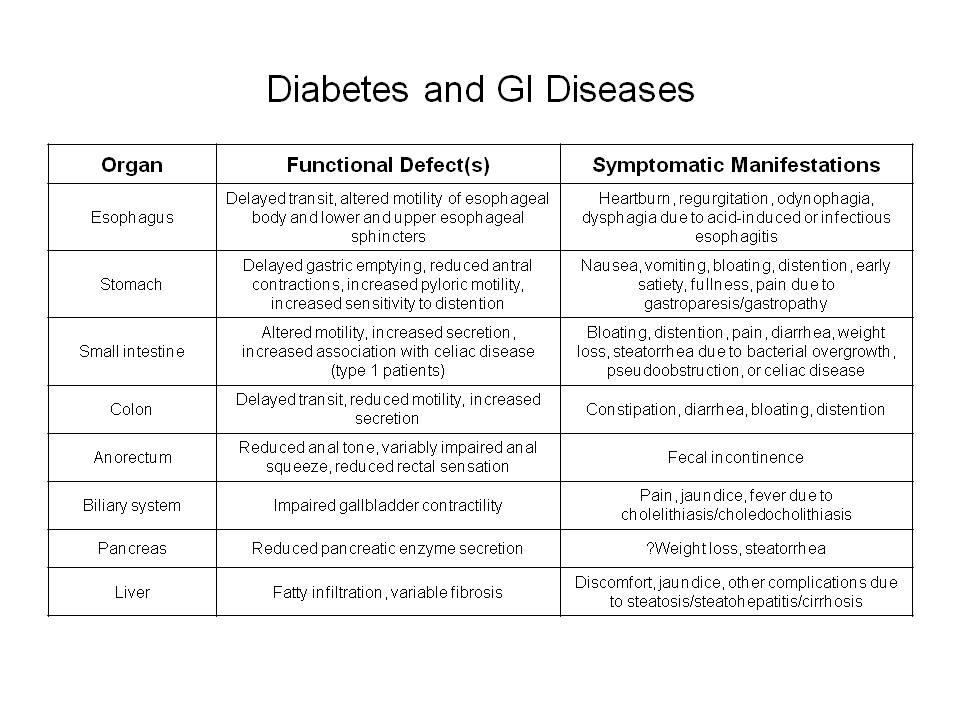

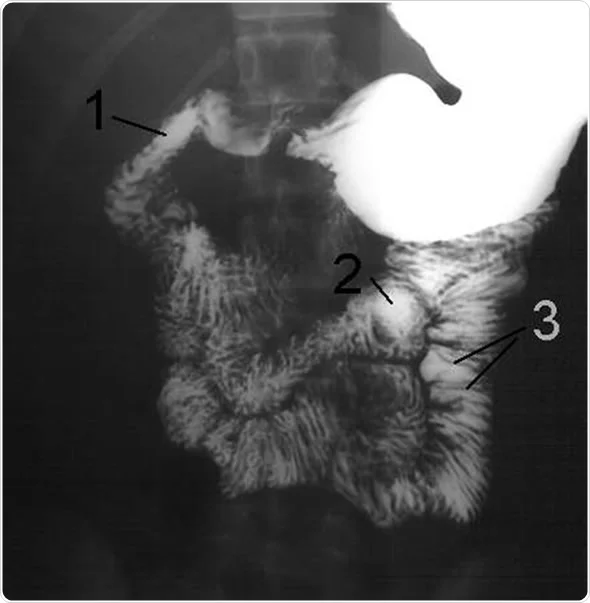



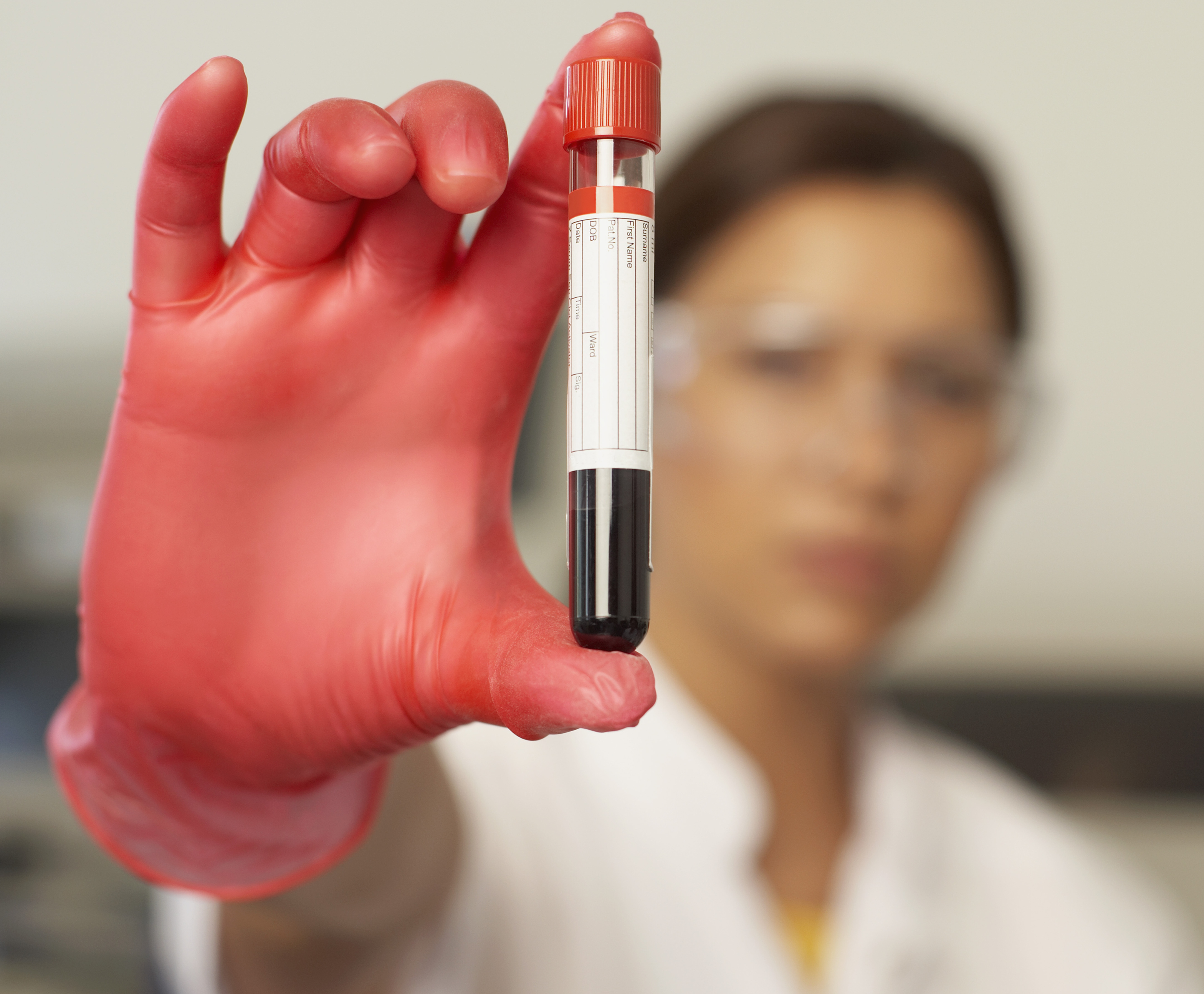


I work with other admins in different groups on Pinterest Boards, and we like to publish things from all over the Internet, everywhere between recipes (including juicing, smoothies, and gp friendly foods), and additionally post inspirational and motivational images to keep people fighting their illness. We don't want you to give up, EVER! If you *ever* need to talk to someone, find me on Facebook and we will talk over all of our options. Your life matters.


I posed a series of questions to GP/DTP groups on Facebook and I received some amazing advice for those who are newly diagnosed with GP who may also have Diabetes. The questions I asked were:
Question 1: If you could give a tip to someone with diabetes who is newly diagnosed, what would it be?
Question 2: Please name one thing that you wish someone had told you about GP & Diabetes.
Question 3: Name things that help you cope through both conditions?
Question 4: What do you eat/do when you have low blood sugar with GP?
Question 5: What do you use as a source for Diabetic and GP safe recipes?
Question 6: Are you a Type 1 or a Type 2 Diabetic?
Here are the following answers that I have received. I hope they help those of you who have Diabetic Gastroparesis:
Kathleen writes,
"1. See endocrinologist asap after being diagnosed because you will most likely need to change how and when you dosage insulin to account for delay of food being digested.
2. Any diabetic can get GP. You can have a history of very well controlled diabetes, with A1C always under 7, as was the case with my daughter , and still get it. Her diagnosis was delayed because we were originally told that she couldn't possibly have GP because she hadn't had uncontrolled diabetes for a long time.
3. Humor and hope [check out the page I admin that has motivational pictures and humor. It's called LAUGHING THRU GP. *Emily*] You have to be able to laugh at some of the things we go through and always have hope that things will get better or that you can get through each obstacle that comes your way.
4. Apple juice works best for us. I am also a Type 1 Diabetic.”
Christine writes, “I walk every day.
2. Diet to combine the two.
3. Small and healthy meals combining 2 diseases and exercise.
4. Glucerna .
5. Difficult one but I use vegetables that I am allowed to enjoy along with chicken and fish.
6. I am also a type 2 diabetic.”
Diane writes,
“Question 1: If you could give a tip to someone with diabetes who is newly diagnosed, what would it be?
Read Labels. You would believe some of the stuff that has sugar in it.
Question 2: Please name one thing that you wish someone had told you about GP & Diabetes.
One thing is that you could get GP because of diabetes. Never heard of this kind of neuropathy until I got it.
Question 3: Name things that help you cope through both conditions?
Don't beat your self up for things you "used" could do.
Question 4: What do you eat/do when you have low blood sugar with GP?
Milk or Orange Juice [as a side note, OJ is very acidic and could lead to a GP attack - apple juice is safer *Emily*]
Question 5: What do you use as a source for Diabetic and GP safe recipes?
http://www.dlife.com.”
Claudia writes,
“#1 To believe in yourself, educate yourself, don't think the doctors are in control of your body, you are.
#2 I can't think of one thing for Type1, but I wish someone had explained to me that with GP it affects each person differently... same condition, different methods or treatments for each.
#3 Friends that are understanding and non-judging, hard to find, not many out there, but hold onto the TRUE ones.
#4 100% Juice saves me from lows when I am fighting with GP.
#5 I do not cook, I just steer clear of a lot of fiber and solid food... seems safer to me than to battle the moments afterwards."
Jason writes, “I do not have either diabetes nor GP but my father does and we have been through hell and back trying to get it under control. Through my experience I can recommend to people experiencing these ailments is to be proactive. I watch the doctors sit on there hands while my dad lost 50 lbs in 3 months on top of numerous sugar crashes and vomiting spells. Going to the er at least once a week with them just sending him home after his sugar leveled or he stopped the vomit/diarrhea spell. The doctors wrote my dad off basically and if it wasn't for us looking up stuff on our own and trying to convince the doctors to try things that they didn't think of, and believe me this is no small tasks when you have doctors that know everything, they told us "he's a very sick man" something we already knew and wanted to try and fix this to the best we could. Finally the doctor listened and they put him on tpn to help him get some weight back and also an anti depressant ( I can't remember the name) but its been known to help people with gp because it acts on the same neuroreceptors that anti nausea medicine does and also stimulates appetite. He then since has gotten a stimulator put in that is connected to his stomach and it seems to be helpful. I'm still learning myself on diabetics and gp. All I can recommend is to be proactive. Don't wait until it gets so bad like it did with my father. If you're not getting anywhere with your doctor find a new one. There is a lot of information online that we found helpful also.”
Janet writes, “Before I had my pancreas transplant, I had GP for about the last 5 years of my 26 year type 1 diabetes run. Type 1 diabetes and GP together is a bitch (excuse the language but it the mildest I can use to describe it). It is patly what put me in kidney failure. It makes it unbelievably hard to control your blood sugar, which of course causes further GP damage as well as damage to every other system in your body (nerves, blood vessels, eyes, heart, and on and on). As far as your questions:
1) Keep the best control of your blood sugars you can for exactly the reasons I stated above! I ended up in end stage kidney failure, on dialysis and getting a kidney and pancreas transplant by the time I was 33! The worse the GP gets, the harder the blood sugars get to control, even on an insulin pump. I could ho from 500s to 40s in less than half an hour.
2) When I was first diagnosed, I wish they had told me GP existed. Although at age 6, I'm sure they told my parents, bit not me as I would never comprehend it. Nor do I know if they were even aware of GP in the early 1980s.
3) To cope, I involved myself in the things I enjoy doing - spending time with my husband, playing with my dogs, sewing, crafting, gardening, etc. Of course, I was still working at the time (although that stopped when I went into kidney failure). I also saw (still do) a clinical psychologist (deals specifically with patients with chronic medical issues) and a psychiatrist, which helps tremendously.
4) When I had low blood sugar, I would treat with either juice (no oj though) or let chocolate melt in my mouth.
5) As gar as diet, no one ever suggested a special diet to me, so I no suggestions. All they ever did was try to treat me with meds.
Feel free to ask me more if you like. And I don't mind if you use my name. I am all about spreading awareness of diabetes, GP, kidney disease and organ donation. If my responses seem a little disconnected, please excuse me. I've been in the hospital almost nonstop since last Monday due to GP and the flu! And I'm still here!”
Arizona writes, " I use glucose tabs to bring my sugar up and if its really low I take a glucagon shot. I usually run super high during my period when my stomach freezes completely. Check your sugar as often as possible and take insulin more often. And after meals instead of before. Diabetes and GP can give you a run for your money. I wish my dx doctor would have told me to make a lifestyle change. He told me I could eat a cake for breakfast as long as I took insulin. What kind of doctor does that?"
Tina writes,
"#1-That gp & diabetes do exist. Start a diabetic diet. Learn to read labels & try to get as close to zero down the line in the fat, sugar, carbohydrates, & sodium categories. Cut out all fat, sugar, sodium, carbohydrates, gluten, etc. If one cooking oil says 50% fat & the other says 25% then purchase the 25% cooking oil. Cook w/cooking spray. Use spray butter. Although more expensive your systems will thank you later.
#2-It's okay to eat light soups, shakes, smoothies, or blender meals as your meal for management of diabetes & gastroparesis.
#3-Being able to say NO when others think you should be eating @ the all you can eat buffet! A good blender is probably the #1 thing needed for management of gastroparesis. A good heating pad, bed, pillows, loose fitting clothes, etc. Having understanding people in my life has been a really big help.
#4-I eat a yogurt smoothie, raisins, squash smoothie soup, broccoli smoothie soup, a half an apple w/a tablespoon of peanut butter & a tablespoon of marshmallow crème mixed together for a light dip, a cup of cantaloupe & strawberries blended into a smoothie, a few chips w/ranch yogurt dip, a watermelon smoothie, some raw fresh fruits & vegetables, guacamole & a few chips, beans (1/2 cup) & a few chips, a rice crispie treat, etc. I guess you really have to eat the minimum but several (6) times or more per day, not all @ once.
#5-Less is more. Replace all ingredients high in fat & sugar in recipes w/fat free & sugar free items. It’s more expensive but will be better on your systems in the long run. Eat foods easily digested & more fresh fruits & vegetables. Eat less or no meat because it's hard to digest. Don't eat anything white because it is high in sugar, bread, potatoes, rice, pasta, etc. Eat a small meal, wait 30 minutes, & you will feel full as your blood sugar rises. When you get hungry that is when your blood sugar has dropped. It's important to eat alittle something during this time as opposed to waiting 8 hours before eating. Dangerous! Another reason to always carry hard candy in your pockets. Anyway, I could probably write a book on these subjects, lol. Sorry for the brief synopsis. Hope it helps someone out there!"
Pauline writes, "I'm not a diabetic but would like to add something. I use ginger to treat my gastroparesis as it stimulates gastric motility. Ginger wouldn't be advised in the majority of diabetics since it speeds a meal hitting the bloodstream. When gastroparesis is a factor as well though, ginger can be of use to them. Crystalised ginger is a good thing to keep on hand for episodes of low blood sugar."
Audra writes,
"#1. Listen to your body. Learn how you feel during highs and lows. Your meter is your best friend in the beginning since you won't know what your new "normal" feels like.
#2. That GP IS a diabetic complication that must be managed, not ignored. Part of the management is working with a dietician to learn what foods you can tolerate that help keep your blood glucose in check. Also, that many oral medications that may be helpful for others don't work for GP because of the gastric emptying differences.
#3. It's not about coping, it's about managing. It takes time to grieve, just like when you are diagnosed with any major illness. Then you pick yourself up, make a plan and forge onwards. Learn your options, work with your providers and never stop educating yourself.
#4. I carry glucose liquid purchased at Walmart, a high protein snack bar that can withstand being "beaten up" in my bag, glucose gel tube and keep a Glucagon injection at home (since that's the most likely place I'll need it). I never know which form I'll tolerate best at any given time. If you use the injection, you will have to eat protein very shortly thereafter as it will completely destabilize your body.
#5. www.myrecipes.com to get ideas for food prep that I can tolerate. I eat primarily chicken and am always looking for ways to cook it differently. Since I have so many food allergies, I just adapt recipes to what I can tolerate at the time. Every GPer is different and even the individual's tolerance change. I feel it's best to go with what you can eat than to force yourself into eating things that make you feel worse.
The recipes I recommend are HERE."
Heather writes, "I have gp and hypoglycemia and for the first time since I was diagnosed, I had a drop for me. I'm not very low but low enough for me to notice symptoms. I just eat done crackers and it fixed."
Subscribe to:
Posts (Atom)