Find us on Google+ Gastroparesis: gastroenterology

Copyright

“You agree that you will not modify, copy, reproduce, sell, or distribute any content in any manner or medium without permission."
Showing posts with label gastroenterology. Show all posts

Sunday, October 1, 2017

Thrush and Gastroparesis

Thrush is terrible. I have had it on my tongue and down my esophagus, and I'm not the only one. People in my support groups have had the same. I wanted to look up why this happens more frequently to Gastroparesis Warriors. I mean, I know why thrush happens. It is caused by an imbalance of good and bad bacteria in your body.


Image Credit: https://www.globalhealingcenter.com/natural-health/wp-content/uploads/2015/06/whatscandidaBLOG-300x200.jpg


According to Healthline (https://www.healthline.com/health/candida-esophagitis#outlook9,

"Esophageal Thrush (Candida Esophagitis)
Written by April Kahn and Rachel Nall
Medically Reviewed by Nancy Choi, MD on August 17, 2017


What is esophageal thrush?

Esophageal thrush is a yeast infection of the esophagus. The condition is also known as esophageal candidiasis.
Fungi in the family Candida cause esophageal thrush. There are about 20 species of Candida that can cause the condition, but it’s usually caused by Candida albicans.


Causes:


How does esophageal thrush develop?

Traces of the fungus Candida are normally present on the surface of your skin and within your body. Normally, your immune system can regulate these good and bad organisms in your body. Sometimes, though, a shift in the balance between the Candida and your healthy bacteria can cause the yeast to overgrow and develop into an infection.


Risk factors:


Who is at risk?

If you’re healthy, it’s unlikely you will develop this condition. People with compromised immune systems, such as those with HIV, AIDS, or cancer, and older adults are at a higher risk. Having AIDS is the most common underlying risk factor. According to the Centers for Disease Control and Prevention (CDC), 20 percent of all people with cancer develop the condition.

People with diabetes are also at an increased risk of developing esophageal thrush, especially if their sugar levels are not well controlled. If you have diabetes, there’s often too much sugar present in your saliva. The sugar allows the yeast to thrive. More importantly, uncontrolled diabetes also hurts your immune system, which allows for candida to thrive.

Babies who are born vaginally can develop oral thrush if their mothers had a yeast infection during delivery. Infants can also develop oral thrush from breastfeeding if their mother’s nipples are infected. Developing esophageal thrush this way is uncommon.
There are other risk factors that make someone more likely to develop this condition.


You’re more at risk if you:
smoke
wear dentures or partials
take certain medications, such as antibiotics
use a steroid inhaler for conditions like asthma
have a dry mouth
eat lots of sugary foods
have a chronic disease


Symptoms:


The symptoms of esophageal thrush include:

white lesions on the lining of your esophagus that may look like cottage cheese and may bleed if they’re scraped
pain or discomfort when swallowing
dry mouth
difficulty swallowing
nausea
vomiting
weight loss
chest pain

It’s also possible for esophageal thrush to spread to the inside of your mouth and become oral thrush.


Image Credit: https://www.globalhealingcenter.com/natural-health/wp-content/uploads/2015/06/whatscandidaBLOG-300x200.jpg


The symptoms of oral thrush include:

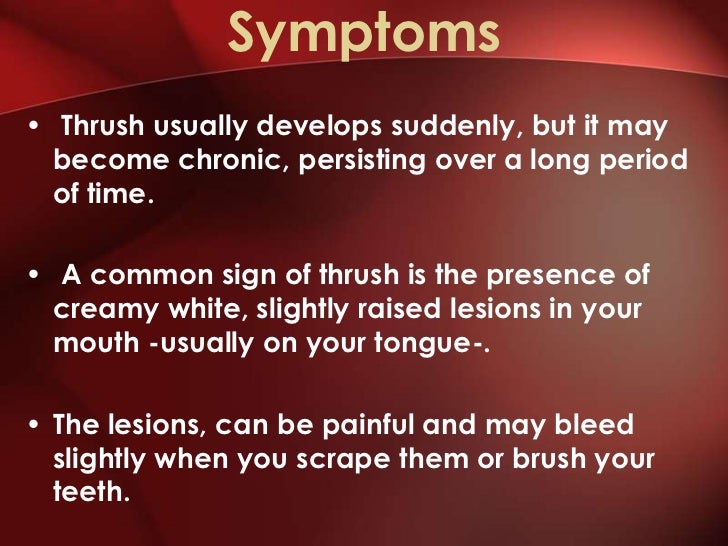
creamy white patches on the inside of the cheeks and on surface of the tongue
white lesions on the roof of your mouth, tonsils, and gums
cracking in the corner of your mouth
Breastfeeding moms can experience Candida infection of the nipples, which they can pass on to their babies.


The symptoms include:
especially red, sensitive, cracking, or itchy nipples
stabbing pains felt deep within the breast
significant pain when nursing or pain between nursing sessions


If you experience these conditions, you should watch your baby for signs of infection. While babies can’t say if they’re feeling bad, they may become more fussy and irritable. They can also have the distinctive white lesions associated with thrush.


Image Credit: https://image.slidesharecdn.com/candidiasis-120131033954-phpapp01/95/candidiasis-14-728.jpg?cb=1327986257


Diagnosis:


Esophageal thrush: Testing and diagnosis:

If your doctor suspects you might have esophageal thrush, they will do an endoscopic exam.
Endoscopic exam

During this exam, your doctor looks down your throat using an endoscope. This is a small, flexible tube with a tiny camera and a light at the end. This tube can also be lowered into your stomach or intestines to check the extent of the infection.


Image Credit: http://www.candidainstool.com/wp-content/uploads/2016/12/Candida-Esophagitis-3.jpg


Treating esophageal thrush:

The goals of treating esophageal thrush are to kill the fungus and prevent it from spreading.

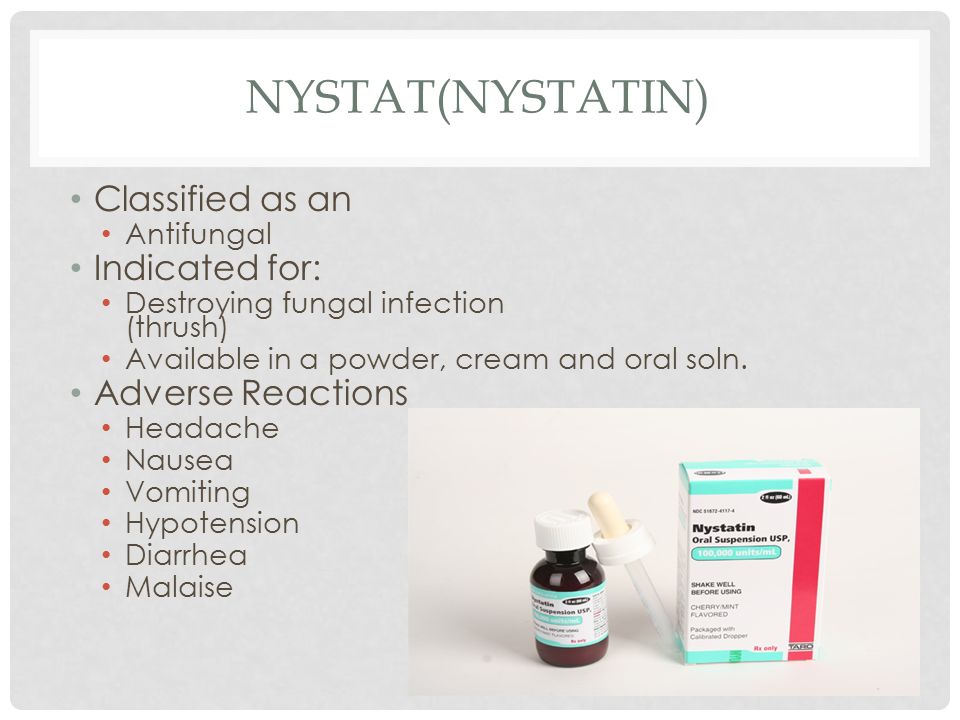
Esophageal thrush warrants systemic antifungal therapy, and an antifungal medication, such as itraconazole, will likely be prescribed. This prevents the fungus from spreading and works to eliminate it from the body. The medication can come in a variety of forms, such as tablets, lozenges, or a liquid that you can swish in your mouth like mouthwash and then swallow.


Image Credit: http://images.slideplayer.com/34/10174302/slides/slide_42.jpg


If your infection is slightly more severe, you may receive an antifungal medication called fluconazole delivered intravenously in the hospital.

People with late-stage HIV might need a stronger medication, such as amphotericin B. Most importantly, treating the HIV is important for controlling the esophageal thrush.

If your esophageal thrush has compromised your ability to eat, your doctor may discuss nutritional options with you. This can include high-protein shakes if you can tolerate them or alternative feeding options, such as a gastric tube in severe situations.


Preventing esophageal thrush:

You can reduce your risk of developing esophageal thrush in the following ways:

Eat yogurt whenever you take antibiotics.
Treat vaginal yeast infections.
Practice good oral hygiene.
Go to your dentist for regular checkups.
Limit the amount of sugary foods you eat.
Limit the amount of foods you eat that contain yeast.


Even though those with HIV and AIDS are at greater risk for esophageal thrush, doctors rarely prescribe preventive antifungal medicines. The yeast could become resistant to treatments. If you have HIV or AIDS, you can reduce your risk of an esophageal thrush infection by taking prescribed antiretroviral therapy (ART) medications.


Future health complications:

The risk for complications after the development of esophageal thrush is higher in people with comprised immune systems. These complications include thrush that spreads to other areas of the body and an inability to swallow.

If you have a compromised immune system, it’s very important to seek treatment for thrush as soon as you notice symptoms. Thrush can easily spread to other parts of your body, including your:

lungs
liver
heart valves
intestines
By receiving treatment as quickly as possible, you can reduce the likelihood that thrush will spread.


Outlook for esophageal thrush:

Esophageal thrush can be painful. If it’s left untreated, it can become a severe and even life-threatening condition. At the first signs of oral thrush or esophageal thrush, talk to your doctor. Esophageal thrush is highly prone to spreading. The more areas of the body affected, the more severe the infection can be. Medications are available to treat esophageal thrush, including antifungal medicines. Prompt and careful treatment can reduce your pain and discomfort.


References:
Candida infection. (2014). http://www.oralcancerfoundation.org/complications/candida-infection.php
Candidiasis: (Thrush). (2014). http://www.aidsinfonet.org/fact_sheets/view/501
Oral thrush: Symptoms. (2014). http://www.mayoclinic.com/health/oral-thrush/DS00408/DSECTION=symptoms
Oropharyngeal/esophageal candidiasis (thrush). (2014). http://www.cdc.gov/fungal/diseases/candidiasis/thrush/definition.html
Copyright © 2005 - 2018 Healthline Networks, Inc. All rights reserved. Healthline is for informational purposes and should not be considered medical advice, diagnosis or treatment recommendations."


Image Credit:
https://cdn2.curejoy.com/content/wp-content/uploads/2017/04/Oral-Thrush_Internal-Causes-Of-Angular-Cheilitis-Due-To-Systemic_Other-Medical-Conditions.jpg>https://cdn2.curejoy.com/content/wp-content/uploads/2017/04/Oral-Thrush_Internal-Causes-Of-Angular-Cheilitis-Due-To-Systemic_Other-Medical-Conditions.jpg


According to Medical News Today (https://www.medicalnewstoda
y.com/articles/178864.php,

Oral Thrush: Causes, Symptoms, and Treatments
By Christian Nordqvist
Reviewed by University of Illinois-Chicago, School of Medicine


"Oral thrush, also known as oral candidiasis, is a yeast/fungi infection of the genus Candida that develops on the mucous membranes of the mouth.

It is most commonly caused by the fungus Candida albicans, but may also be caused by Candida glabrata or Candida tropicalis.

In this article, we will cover all aspects of oral thrush, including the causes, symptoms, and treatment.

Contents of this article:


Causes
Symptoms
Treatment
Risk factors
Diagnosis
Fast facts on oral thrush
Here are some key points about oral thrush. More detail and supporting information is in the main article.


Oral thrush is a common condition, but for most, it does not cause major problems

Individuals with a reduced immune system are worst affected by oral thrush

Oral thrush can occur more regularly after chemotherapy or radiotherapy to the head and neck

It is more common in people who are taking steroids, wear dentures, or have diabetes
The most obvious symptom of oral thrush is creamy or white-colored deposits in the mouth


What is oral thrush?


Oral thrush is caused by species of Candida fungus.

Oral thrush causes thick white or cream-colored deposits, most commonly on the tongue or inner cheeks. The lesions can be painful and may bleed slightly when they are scraped. The infected mucosa (membrane) of the mouth may appear inflamed and red.

Oral thrush can sometimes spread to the roof of the mouth and the back of the throat.

For the majority of individuals, oral thrush does not cause any serious problems. However, this is not the case for people with a weakened immune system, whose signs and symptoms may be much more severe.

People with poorly controlled diabetes, those taking steroids (especially long-term), as well as individuals who wear dentures, have a higher risk of developing oral thrush with more severe symptoms.

Long-term antibiotic therapy can increase the risk of developing oral thrush. Some medications, especially those that dry out the mouth, can cause oral thrush to develop. Oral thrush is more common among patients who receive chemotherapy or radiotherapy to the head and neck.

The outcome for oral thrush is generally very good. Most people respond well to treatment. However, oral thrush tends to reappear, especially if the causal factor (smoking, for instance) is not removed.


Image Credit: https://i.ytimg.com/vi/5JFURRsBo_8/hqdefault.jpg


Causes of oral thrush:

Tiny quantities of Candida fungus exist in various parts of our body, including the digestive system, skin, and mouth, causing virtually no problems to healthy individuals. In fact, C. albicans is carried in the mouths of up to 75 percent of the world's population.

However, people on certain medications, with reduced immune systems, or certain medical conditions are susceptible to oral thrush when C. albicans grows out control.


Symptoms of oral thrush:

Oral thrush in adults generally appears as thick, white or cream-colored deposits (spots) on the mucous membrane of the mouth (wet parts of the inside of the mouth).

The mucosa (mucous membrane) may appear swollen and slightly red. The spots may be raised. There may be discomfort or a burning sensation.

If the cream or white-colored deposits are scraped, bleeding may occur.

The white spots may join together to form larger ones, also known as plaques; these may then take on a grayish or yellowish color.

Occasionally, the affected area simply becomes red and sore, with no detectable white spots.

Individuals who wear dentures may have areas that are constantly red and swollen under a denture. Poor oral hygiene, or not taking the dentures out before going to sleep may increase the risk.


Oral thrush is sometimes divided into three groups based on appearance, although the condition can sometimes sit between categories:

A Doctor checks a patient's throat
Oral thrush is typically diagnosed after an oral examination.
Pseudomembranous - the classic and most common version of oral thrush.
Erythematous (atrophic) - the condition appears red raw rather than white.
Hyperplastic - also referred to as "plaque-like candidiasis" or "nodular candidiasis" due to the presence of a hard to remove solid white plaque. This is the least common variant; it is most often seen in patients with HIV.

There are a number of other lesions that can also appear with oral thrush. Sometimes, these lesions might be due to other types of bacteria that are also present in the area.


These can include:

Angular cheilitis - inflammation and/or splitting in the corners of the mouth
Median rhomboid glossitis - a large, red, painless mark in the center of the tongue
Linear gingival erythema - a band of inflammation running across the gums


Treatment of oral thrush:

Doctors will usually prescribe anti-thrush drugs, such as nystatin or miconazole in the form of drops, gel, or lozenges. Alternatively, the patient may be prescribed a topical oral suspension which is washed around the mouth and then swallowed.

Oral or intravenously administered antifungals may be the choice for patients with weakened immune systems. If treatment is not working, amphotericin B may be used; however, this will only be used as a last resort due to the negative side effects which include fever, nausea, and vomiting.


Risk factors for oral thrush:


Adult oral thrush is more likely to become a problem for the following groups:

People who wear dentures - especially if they are not kept clean, do not fit properly, or are not taken out before going to sleep.

Antibiotics - people who are on antibiotics have a higher risk of developing oral thrush. Antibiotics may destroy the bacteria that prevent the Candida from growing out of control.

Excessive mouthwash use - individuals who overuse antibacterial mouthwashes may also destroy bacteria which keep Candida at bay, thus increasing the risk of developing oral thrush.

Steroid medication - long-term use of steroid medication can increase the risk of oral thrush.

Weakened immune system - people with weakened immune systems are more likely to develop oral thrush.

Diabetes - people with diabetes, especially if it is poorly controlled, are more likely to have oral thrush.

Dry mouth - people with less than normal quantities of saliva (xerostomia) are more prone to oral thrush.

Diet - malnutrition predisposes people to oral thrush; this could be caused by a poor diet or a disease that affects the absorption of nutrients. In particular, diets low in iron, vitamin B12, and folic acid appear to affect infection rates.

Smoking - heavy smokers are more at risk, the reasons behind this are unclear.


Diagnosis of oral thrush:

In the vast majority of cases, the doctor can diagnose oral thrush by looking into the patient's mouth and asking some questions about symptoms.

The doctor may scrape some tissue from the inside of the mouth for analysis.

If the doctor believes the oral thrush is being caused by a medication or some other underlying cause, that cause must be dealt with. Treatments in such cases depend on the underlying cause.


References
Amphotericin B (intravenous route, injection route). (2015, December 1). Retrieved from http://www.mayoclinic.org/drugs-supplements/amphotericin-b-intravenous-route-injection-route/side-effects/drg-20061771

Awatif Y. Al-Maskari, Masoud Y. Al-Maskari, Salem Al-Sudairy. (2011, May). Oral manifestations and complications of diabetes mellitus. Sultan Qaboos University Medical Journal. 11(2): 179–186. Retrieved from https://www.ncbi.nlm.nih.gov/pmc/articles/PMC3121021/

François L. Mayer, Duncan Wilson, Bernhard Hube. (2013, February 15). Candida albicans pathogenicity mechanisms. Virulence. 4(2): 119–128. Retrieved from https://www.ncbi.nlm.nih.gov/pmc/articles/PMC3654610/

Oral thrush in adults. (2014, August 14). Retrieved from http://www.nhs.uk/Conditions/Oral-thrush---adults/Pages/Introduction.aspx

Oropharyngeal/esophageal candidiasis ("thrush"). (2014, February 2013). Retrieved from https://www.cdc.gov/fungal/diseases/candidiasis/thrush/

Treatments for oral thrush. (2014, August 14). Retrieved from http://www.nhs.uk/Conditions/Oral-thrush---adults/Pages/Introduction.aspx#treatment


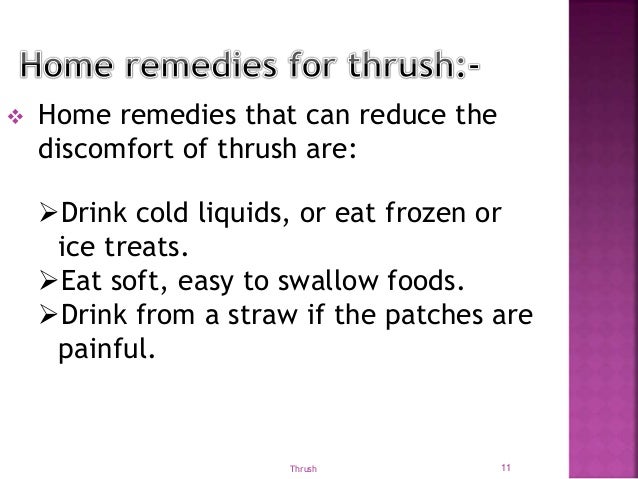
I also found some natural recipes to help with thrush until you can see your doctor:

Image Credit: https://image.slidesharecdn.com/thrush-140605173056-phpapp02/95/thrush-11-638.jpg?cb=1401989495


I had a suspicion that my Gastroparesis was causing it, with all of vomiting, but had no idea that other chronic illnesses caused this. So, I think the constant vomiting of stomach acid brought on mine. It probably did through off my pH. I learned a lot of new things today and I hope it well help others.

Tuesday, June 6, 2017

Nissen Fundoplication

A Nissen fundoplication, or laparoscopic Nissen fundoplication when performed via laparoscopic surgery, is a surgical procedure to treat gastroesophageal reflux disease (GERD) and hiatal hernia. In a fundoplication, the gastric fundus (upper part) of the stomach is wrapped, or plicated, around the lower end of the esophagus and stitched in place, reinforcing the closing function of the lower esophageal sphincter. The esophageal hiatus is also narrowed down by sutures to prevent or treat concurrent hiatal hernia, in which the fundus slides up through the enlarged esophageal hiatus of the diaphragm.

In a Nissen fundoplication, also called a complete fundoplication, the fundus is wrapped the entire 360 degrees around the esophagus. In contrast, surgery for achalasia is generally accompanied by either a Dor or Toupet partial fundoplication, which is less likely than a Nissen wrap to aggravate the dysphagia that characterizes achalasia. In a Dor (anterior) fundoplication, the fundus is laid over the top of the esophagus; while in a Toupet (posterior) fundoplication, the fundus is wrapped around the back of the esophagus.

The procedure is now routinely performed laparoscopically. When used to alleviate gastroesophageal reflux symptoms in patients with delayed gastric emptying (gastroparesis), it is frequently combined with modification of the pylorus via pyloromyotomy or pyloroplasty. (You can read that here in another blog article of mine: http://www.emilysstomach.com/2017/06/pyloric-stent-pyloroplasty.html) There is also a new Facebook support group for those who have had it done, and also combat Gastroparesis: GASTROPARESIS AFTER BARIATRIC SURGERY.


This is a completed Nissen Fundoplication in Watercolors:
Source: By Dana Hamers - Own work, CC BY-SA 3.0, https://commons.wikimedia.org/w/index.php?curid=20453728
Source: http://en.wikipedia.org/wiki/Nissen_fundoplication


This is the Nissen Fundoplication Procedure:
Source: Original Artwork by James P. Gray, M.D. 2007 (author)


The doctor that I saw that the Mayo Clinic wanted me to have this surgery done so that it would stop my vomiting. However, he concluded that since I vomit so violently, I would undo the surgery. A mom who reads my blog and has a son with gastroparesis, was nice enough to share his story with me about the Nissen he had done. When my doctor said that it would stop vomiting, he was wrong. His story is below,


"Hi, my 17 year old son had the Nissen procedure last year. He too violently throws up. The surgery went well but he said out of his 33 surgeries it was the most painful after. He went through the recovery process not realizing until about a week after that he could not even swallow water without it coming right back up.

He lost weight quickly and was very dehydrated so at his check up appointment the hospitalized him. The Nissen was too tight and nothing was going to his stomach. The doctor did a scope and stretched the area. That helped for a bit but they had to go back and stretch it a second time.

That was the last stretch they had to do. They said the Nissen would make it almost impossible for him to throw up. Boy were they wrong. He still throws up most every time he eats. By the way he has GP (gastroparesis) and has an electric stimulator in his stomach. Amanda S."


I also know a few people with gastroparesis who have had this surgery done and they are miserable now. They are unable to vomit at all. That worries me, personally, because what if you get food poisoning and need to vomit to get it out? What do you do then?


"Gastroparesis Following Nissen Fundoplication And Hiatal Hernia Repair

Nissen fundoplication with hiatal hernia repair is the most reliable and most effective treatment of GERD or acid reflux disease. The procedure is also very safe with less than 1% complication rate. Gastroparesis or delayed gastric emptying is a poorly understood medical disorder. Gastroparesis results from abnormal gastro-duodenal motility resulting in nausea, vomiting, bloating, epigastric pain and early satiety. Gastroparesis can also contribute to acid reflux disease. GERD is a multi-factorial problem and is closely related to gastric motility. Indeed, gastric fundus compliance, relaxation, food accommodation and luminal pressure affects transient lower esophageal sphincter relaxation, TLESR. TLESR is believed to be the main cause of acid reflux. It is not surprising for gastroparesis patients to suffer from heartburn and other GERD related symptoms. In fact, both GERD and gastroparesis may represent different aspects of the same problem related to esophago-gastro-intestinal dysmotility.

Many GERD patients undergoing Nissen fundoplication and hiatal hernia repair surgery may also have undiagnosed gastroparesis. Around 40% of GERD patients suffer from delayed gastric emptying. Nissen fundoplication increases gastric emptying and is sometimes associated with dumping especially in children. Wrapping the fundus around the esophagus decreases gastric compliance possibly leading to increased gastric emptying. The same mechanism of action may also be at play in the case of sleeve gastrectomy. By resecting the gastric fundus, gastric compliance decreases and emptying increases. Consequently, Nissen surgery improves gastric emptying and it contributes to gastroparesis symptom resolution.

In a minority of patients, Nissen surgery is associated with post-operative gastroparesis symptom development. These patients develop nausea, bloating, and pain in the first few days after Nissen surgery. It is unclear whether the surgery itself causes de novo gastroparesis or if it exacerbates an already existing problem with gastric emptying. It has always been assumed that vagal nerve injury results in gastric stasis and failure of the pylorus to relax. Pyloromyotomy has also been advocated in vagotomy cases. Swanstrom et al published a study in 2009 in Archives of Surgery titled “Outcomes of Nissen Fundoplication in Patients with Gastroesophageal Reflux Disease and Delayed Gastric Emptying”. He recommends the addition of pyloroplasty to Nissen fundoplication in cases of delayed gastric emptying. In my experience, pyloromyotomy, like other drainage procedures, has minimal effect on gastric emptying. Gastric emptying is a highly coordinated myo-electrical process. Many feedback signals, in addition to the vagus nerve, modulate this activity. It is unlikely that post-operative gastroparesis is the sole result of vagal nerve injury.

In 2004, a study published by Masclee et al, in the Annals of Surgery showed that laparoscopic fundoplication increases gastric emptying independent of vagal nerve function. The authors nicely showed that 10% of fundoplication patients developed vagal nerve dysfunction post-operatively without affecting gastric emptying or the efficacy of fundoplication in controlling acid reflux. The etiology of gastric stasis is following Nissen surgery remains unclear. There are no established treatment guidelines for gastroparesis. Medications, gastric pacing and drainage procedures are not effective solutions. Subtotal gastrectomy and gastric bypass are associated with poor outcomes. Longitudinal gastrectomy with or without duodeno-jejunostomy seems to be very effective in curing gastroparesis. I have developed this technique several years ago and I have had the chance to apply it on 4 patients so far. Last year, a young man with gastroparesis following fundoplication surgery at an outside institution presented to my office. I performed a longitudinal gastrectomy while preserving the fundoplication and antrum. His symptoms improved immediately. A post-operative UGI study on day one after surgery showed normal gastric emptying. The patient is 8-month post-op now and still doing great.

In summary, gastroparesis and gastric emptying remain poorly understood. However, a tailored longitudinal gastrectomy, even in the presence of a fundoplication, may be an effective and durable solution for gastroparesis. Additional studies are needed to establish this approach as the standard of care treatment for gastroparesis."
Source: http://houstonheartburn.com/gastroparesis-following-nissen-fundoplication-and-hiatal-hernia-repair/


Source: http://www.laparoscopicsurgeonmumbai.com/precautions-nissen-laparoscopic-fundoplication-surgery-gerd/


WebMD says,

"Surgery Overview

During fundoplication surgery, the upper curve of the stomach (the fundus) is wrapped around the esophagus camera and sewn into place so that the lower portion of the esophagus passes through a small tunnel of stomach muscle. This surgery strengthens the valve between the esophagus and stomach (lower esophageal sphincter), which stops acid from backing up into the esophagus as easily. This allows the esophagus to heal.

This procedure can be done through the abdomen or the chest. The chest approach is often used if a person is overweight or has a short esophagus.

This procedure is often done using a laparoscopic surgical technique. Outcomes of the laparoscopic technique are best when the surgery is done by a surgeon with experience using this procedure.

If a person has a hiatal hernia, which can cause gastroesophageal reflux disease (GERD) camera.gif symptoms, it will also be repaired during this surgery.


What To Expect After Surgery

If open surgery (which requires a large incision) is done, you will most likely spend several days in the hospital. A general anesthetic is used, which means you sleep through the operation. After open surgery, you may need 4 to 6 weeks to get back to work or your normal routine.

If the laparoscopic method is used, you will most likely be in the hospital for only 2 to 3 days. A general anesthetic is used. You will have less pain after surgery, because there is no large incision to heal. After laparoscopic surgery, most people can go back to work or their normal routine in about 2 to 3 weeks, depending on their work.

After either surgery, you may need to change the way you eat. You may need to eat only soft foods until the surgery heals. And you should chew food thoroughly and eat more slowly to give the food time to go down the esophagus.


Why It Is Done

Fundoplication surgery is most often used to treat GERD symptoms that are likely to be caused in part by a hiatal hernia and that have not been well controlled by medicines. The surgery may also be used for some people who do not have a hiatal hernia. Surgery also may be an option when:

Treatment with medicines does not completely relieve your symptoms, and the remaining symptoms are proved to be caused by reflux of stomach juices.

You do not want or, because of side effects, you are unable to take medicines over an extended period of time to control your GERD symptoms, and you are willing to accept the risks of surgery.

You have symptoms that do not adequately improve when treated with medicines. Examples of these symptoms are asthma, hoarseness, or cough along with reflux.


How Well It Works

In most people who have laparoscopic surgery for GERD, the surgery improves symptoms and heals the damage done to the esophagus.

Over time, some people have symptoms come back, have esophagitis come back, need to take medicine for symptoms, or need another operation.

Surgery can cause new and troublesome symptoms. Over time, some people have trouble swallowing, have increased flatulence (gas), and/or have trouble belching.


Risks or complications following fundoplication surgery include:

Difficulty swallowing because the stomach is wrapped too high on the esophagus or is wrapped too tightly.

The esophagus sliding out of the wrapped portion of the stomach so that the valve (lower esophageal sphincter) is no longer supported.
Heartburn that comes back.

Bloating and discomfort from gas buildup because the person is not able to burp.

Excess gas.

Risks of anesthesia.

Risks of major surgery (infection or bleeding).

For some people, the side effects of surgery-bloating caused by gas buildup, swallowing problems, pain at the surgical site-are as bothersome as GERD symptoms. The fundoplication procedure cannot be reversed, and in some cases it may not be possible to relieve the symptoms of these complications, even with a second surgery.


What To Think About

GERD can be annoying and even painful. But it is not a dangerous disease. For any GERD treatment to be worth trying, it needs to be very safe. For many people, especially those who have few problems taking medicine, surgery is not a good choice.

But when fundoplication surgery is successful, it may end the need for long-term treatment with medicine. When you are deciding between surgery and treatment with medicine, weigh the cost, risks, and potential complications of the surgery against the cost and inconvenience of taking medicine.


GERD: Which Treatment Should I Use?

Before surgery, additional tests will usually be done to be sure that surgery is likely to help cure GERD symptoms and to diagnose problems that could be made worse by surgery.

Second surgeries are harder to do, are less successful, and are more risky. So it is extremely important that the first procedure be considered carefully and be done by an experienced surgeon who is more likely to be successful the first time.


Surgery to treat GERD is rarely done on people who:

Are older adults, especially if they have other health problems in addition to GERD.

Have weak squeezing motions (peristalsis) in the esophagus. These motions are important to move food down the esophagus to the stomach. Surgery may make this problem worse, causing food to get stuck in the esophagus.

Have unusual symptoms that might be made worse by surgery.

In special cases, other surgeries such as partial fundoplication or gastropexy may be done instead of fundoplication surgery.


Source: http://www.bariatricinnovationsatl.com/acid-reflux-surgery


References and Citations:

Lundell L, et al. (2007). Seven-year follow-up of a randomized clinical trial comparing proton-pump inhibition with surgical therapy for reflux oesophagitis. British Journal of Surgery, 94(2): 198-203.


Other Works Consulted:

Galmiche J-P, et al. (2011). Laparoscopic antireflux surgery vs esomeprazole treatment for chronic GERD. JAMA, 305(19): 1969-1977.


Credits:

By: Healthwise Staff
Primary Medical ReviewerAdam Husney, MD - Family Medicine
Specialist Medical ReviewerPeter J. Kahrilas, MD - Gastroenterology

Current as of November 20, 2015"


Saturday, April 13, 2013

IBS Specialist or Gastroenterologist - What's the Difference?


IBS Specialist or Gastroenterologist: What’s the Difference?

**note: I wanted to thank Melissa "Missy" Culp for finding these articles and for asking intriguing questions on the Gastroparesis Facebook Page. She was my inspiration for my article, so I would like to name her a co-author.


There are IBS Specialists and there are Gastroenterologists.

IBS specialists are experts in IRRITABLE BOWEL SYNDROME (IBS). A gastroenterologist may diagnose IBS, but that will only tell you what you already know, that your bowel irritates you.

To the IBS specialist the label of IBS only serves as a starting point for further investigation, nothing more. The IBS specialist focuses on assessing and diagnosing the cause of your digestive problems, not on the gross structural integrity of the digestive tract. Rather than focusing on the patients symptoms, or simply treating the symptoms, the IBS specialist is devoted to identifying the condition or conditions in the patient that are causing the symptoms.


What Exactly Does a Gastroenterologist Do?

People often make assumptions about medical specialists and their areas of expertise. This is certainly true with gastroenterology, where many people assume that gastroenterologists are experts in all things related to the digestive tract.

Gastroenterologists are experts in diseases of the digestive tract, not syndromes or symptoms. While Gastroenterologists do primarily pay attention to the digestive tract, there are some surprising gaps in their training on the science of digestion. Gastroenterologists primarily focus on performing colonoscopies and upper endoscopies.

They may also do other imaging work of the GI tract, such as an ultrasound, CT scan,MRI, x-rays, and even “pill cameras.” And they may perform studies that assess the motility of the digestive tract. Therefore, if you go to a gastroenterologist your diagnosis will be based on this testing.

Gastroenterology is primarily a specialty in assessing the structure of the digestive tract. Gastroenterologists are focused on diagnosing ulcers, polyps, cancers, and other physically apparent abnormalities of the digestive tract. Surprisingly, they do not have training in nutrition or most reactions to foods. And though the digestive tract is the single most concentrated area of immune activity, gastroenterologists have no special training in immunology.


What Does an IBS Specialist Do?


There are literally hundreds of different causes of IBS and the digestive problems associated with IBS. An IBS specialist does not have any idea about how they will treat an IBS patient when they first meet that patient. Patients with identical symptoms may have radically different causes for those symptoms. An IBS specialist focuses on the detective work required to develop the proper treatment plan for each unique patient.


This process involves a detailed evaluation of how the body is responding to the foods in the diet (food allergies, intolerances, and sensitivities), and a thorough assessment of the profound ecosystem (including probiotics, yeast, bad bacteria, and parasites) that is contained within the digestive tract. It may also involve evaluating enzyme production, acid production, and the overall functioning of the digestive tract.


IBS specialists do not do what gastroenterologist do, and gastroenterologists do not do what IBS specialists do. These are completely different specialties. There is only a very tiny amount of overlap with regard to stool testing. But even this is extremely minor as the IBS specialist utilizes much more advanced stool analyses.


If you have IBS and continue to see gastroenterologists, then you will continue to get the same kind of testing and treatment that you’ve always received, even if you go to the Mayo Clinic, or the Cleveland Clinic, or any other big name medical facility or highly regarded expert – because they have a “standard of care” that recommends limiting testing. If that hasn’t helped, or you’d simply like to begin your journey with a different approach, then you need to see an IBS specialist. Your experience will be very different, which makes it far more likely that the outcome will be very different.


If you suffer from Irritable Bowel Syndrome, you need an IBS specialist. The link to the article can be found HERE.


My friend Melissa, suggested to me, that it would idea to follow a FODMAP DIET. The article about the Fodmap Diet says,

"The FODMAP theory holds that consuming foods high in FODMAPs results in increased volume of liquid and gas in the small and large intestine, resulting in distention and symptoms such as abdominal pain and gas and bloating. The theory proposes that following a low FODMAP diet should result in a decrease in digestive symptoms. The theory further holds that there is a cumulative effect of these foods on symptoms. In other words, eating foods with varying FODMAP values at the same time will add up, resulting in symptoms that you might not experience if you ate the food in isolation. This might explain the mixed results of studies that have evaluated the effects of fructose and lactose, two types of carbohydrates, on IBS. Ongoing research is being conducted as to the accuracy of the FODMAP theory and the effectiveness of the diet for IBS. Research into its effectiveness for IBS is at a very preliminary stage and it is unknown at this point if following such a diet would be safe for your health over the long term. As with any new treatment or dietary approach, it is always best to discuss the issue with your own personal physician."


Common High FODMAP Foods for IBS:

Fruits:

Apples
Apricots
Cherries
Mango
Pears
Nectarines
Peaches
Pears
Plums and prunes
Watermelon
High concentration of fructose from canned fruit, dried fruit or fruit juice

Grains

Level of FODMAPs is increased when these foods are eaten in large amounts:

Rye
Wheat

Lactose-Containing Foods

Custard
Ice cream
Margarine
Milk (cow, goat, sheep)
Soft cheese, including cottage cheese and ricotta
Yogurt

Legumes

Baked beans
Chickpeas
Lentils
Kidney beans

Sweeteners

Fructose
High fructose corn syrup
Isomalt
Maltitol
Mannitol
Sorbitol
Xylitol

Vegetables

Artichokes
Asparagus
Avocado
Beets
Broccoli
Brussel sprouts
Cabbage
Cauliflower
Garlic (with large consumption)
Fennel
Leeks
Mushrooms
Okra
Onions
Peas
Radiccio lettuce
Scallions (white parts)
Shallots
Sugar snap peas
Snow peas

Common Low FODMAP Foods

Fruits

Banana
Blueberry
Grapefruit
Grapes
Honeydew melon
Kiwi
Lemon
Lime
Mandarine oranges
Orange
Raspberry
Strawberry

Sweeteners

Artificial sweeteners that do not end in -ol
Glucose
Maple syrup
Sugar (sucrose)

Lactose Alternatives

Butter
Hard cheese, brie and camembert
Lactose-free products, such as lactose-free ice cream and yogurt
Gelato
Rice milk
Sorbet

Vegetables

Bell peppers
Bok choy
Carrots
Celery
Corn
Eggplant
Green beans
Lettuce
Parsnip
Scallions (green parts only)
Sweet potato
Tomato

Grains

Oats
Gluten-free products
Spelt products


Now I want to get into SIBO. If you have Gastroparesis, SIBO is a legit concern. Crystal Saltrelli wrote an article about SIBO not too long ago. Here is an exert of her article about SIBO if you would like to read it,

"What is SIBO? SIBO stands for small intestinal bacterial overgrowth. It’s also sometimes called small bowel bacterial overgrowth or SIBO. It all means the same thing: there are bacteria in your small intestine that are not supposed to be there. What causes SIBO? One of the biggest risk factors for SIBO is… slow gut motility. Muscular contractions within the gut are supposed to sweep things, both food and bacteria, through the GI tract. When it doesn’t, bacteria can take hold and multiply in places where they don’t belong. This is bad news for GPers, of course, and even worse if you’re chronically constipated, as bacteria may migrate upward from the colon to the small intestine, as well. What’s more, it’s thought that protein pump inhibitors (PPIs), which many GPers are immediately prescribed, may encourage the growth of bacteria by limiting (or even eliminating) the anti-bacterial effects of acid in the stomach."


You can find Crystal's Article by clicking HERE.


The link to the article can be found >HERE.

Friday, January 18, 2013

Detox - Day 3

I've been off of most of my medications for a few days now. The only ones I'm taking are Zanaflex 4mg, Phenergan 25mg, Ambien 5mg, Zofran 4mg, Xanax 0.05mg, and I'm weaning myself off of the Zoloft and Nortriptyline, since I can't just stop those cold turkey.

I need to ask the doctor for something stronger for insomnia. The Ambien 5mg just doesn't really work for me. I also need to ask the doctor if he could up my dose of Xanax for this month because just thinking about the future gives me a panic attack. I am so anxious that they aren't going to find anything or if they do, it will be horrible.

I also have really, really intense stomach spasms. They come in waves and all I can do is double over and not move. I try to breathe through them but that doesn't really help. It's almost like having a charlie horse in my abdomen. All I had today was a tiny bit of chicken and a small helping of rice. After I ate that, it took about thirty minutes for the gastric spasms to start.

The headache is also still lingering but I'm not sure if that's from dehydration or if it's from detoxing from all of the medications I'm not longer taking. I'm so exhausted and so weak. I've been sleeping a lot in the past few days because I'm just worn out. I thought about trying to finish some of my short stories and send them to publishers as a collection to see if anyone would publish them. I have great vivid dreams that would make amazing stories but I'm out of practice in writing. I've been writing research papers the past few years, so I am out of practice with creative writing. It would make me happy to have something of mine published. When I was a kid, I remember wanting to be a writer. It seems now that with all of the social media, my writing has dumbed down and I need to fix it.

I also need to write down my personal GP story for a book my friend LaShelle is putting together on GASTROPARESIS PAGE. She wants to make a Chicken Soup For the Teenage Soul but with Gastroparesis. It's been a long time since I've written like that. The last time I was published, I was in high school and wasn't so out of practice.

I feel like I never want to eat again. That rice keeps giving me spasms every hour. It hurts so much and the pain is intense.

I have been thanked for my blog, which makes me happy. It's actually helping people! I'm glad because that's part of the reason I started this. I didn't want people to take unnecessary medications or tests that people may not need. My blog has had over 6,000 views. I mean, that's amazing! Thank you all for reading my blog!

Another thing that's bothered me a bit. People keep telling me how strong I am. I don't always feel so strong. I feel so weak compared to the other admins on the GASTROPARESIS FACEBOOK PAGE. I mean, I try to be my own advocate but most of the time I just feel like I'm being whiny or annoying my friends with my blog posts. This is how I cope with the added stress. I need to write and get it out.

Thursday, October 4, 2012

Research sheds light on debilitating medical condition

Researchers from the Auckland Bioengineering Institute (ABI) have accurately mapped the patterns of abnormal gastric electrical activity that occurs during gastroparesis, a debilitating stomach condition.

Dr Gregory O'Grady, from the Auckland Gastrointestinal Research Group based at the ABI, says the new findings provide for the first time an accurate and detailed description of gastric dysrhythmias in humans that will help in the development of new diagnostic and treatment options.

Gastroparesis, which affects predominately women and 10 per cent of diabetics, is a medical condition that affects the stomach's ability to empty itself resulting in a reduced quality of life due to chronic nausea, vomiting, abdominal bloating and pain.

Abnormal electrical activity in the stomach or gastric dysrhythmias was known to be associated with gastroparesis but until now no accurate descriptions of these abnormalities existed, says Dr O’Grady.

“This is because previous research had been impeded due to there being no adequate methods to investigate gastric electrical activity,” he says.

The research project involved surgeons, engineers and biomedical scientists from The University of Auckland, the Mayo Clinic in the US, and The University of Mississippi.

The Gastrointestinal Group’s research, which was published in the prestigious international medical journal Gastroenterology, required several years of technical development.

“We developed new clinical devices consisting of sheets of hundreds of electrodes that could be laid over the stomach to precisely track electrical patterns during surgery. A new software platform for processing these patterns also had to be developed by the research team, says Dr O’Grady.

“Gastroparesis is a devastating disease that is particularly difficult to diagnose and treat, and its causes have been poorly understood. Our research provides significant new insights into the disease, and opens the door to advanced new treatment options such as the use of gastric pacemakers, he says.

“We hope that over the next few years our devices will evolve into routine clinical tools for diagnosing gastroparesis as well as other significant disorders of stomach function,” says Dr O’Grady.

The research programme was led for many years by the late Professor Andrew Pullan, a principal investigator with the ABI and a member of the Department of Engineering Science within the Faculty of Engineering, who passed away earlier this year.

The research is continued by Dr O’Grady, and the other lead investigators of the study Drs Leo Cheng and Peng Du from the ABI and Professor John Windsor from the Faculty of Medical and Health Sciences.

The research was funded primarily by a project grant from the Health Research Council of New Zealand (HRC).

The University of Auckland

The Link is HERE.

Also, I feel this way right now: