Find us on Google+ Gastroparesis

Copyright

“You agree that you will not modify, copy, reproduce, sell, or distribute any content in any manner or medium without permission."

Saturday, August 17, 2019

How and Why does Temperature Affect Chronic Illness?

I have wondered why temperature has affected chronic illnesses for a while.  I have a few chronic illnesses (Ehlers Danlos Syndrome, Gastroparesis, Complex Regional Pain Syndrome, Endometriosis, Poly-cystic Ovaries, etc.) and I have noticed that when I am in extreme heat or extreme cold that I become dizzy, nauseated, and feel like I am about to pass out.  Additionally, I have noticed that pressure changes and storms effect me in the same ways. I can always tell when it is going to rain before it actually does. I wanted to research why this happens and what a person with a chronic illness can do about temperature changes and how it affects their illness.


CVS Speaks,  an organization that, "We are social media outreach organization. We are all volunteer run. We seek to raise awareness of Cyclic Vomiting Syndrome. We seek to help all people of CVS find a support group that fits their needs. We also support and assist admin of a variety of groups maintain the highest quality groups on FACEBOOK," sent me an article on this topic that I found interesting and wanted to share.


According to Just Another Moment,


"Temperature – rapid changes in temperature can either trigger fibromyalgia/chronic pain flare-ups or help ease them. Cold weather is known to contract and tense up your muscles, and this undoubtedly affects your nerves, leading to more aggravation of existing chronic pain.
Wind – whether it’s a full force storm or a light wind, it’s been found to trigger both headaches and muscle pain, again associated with tense muscles and colder air.  
Pressure – barometric pressure is a measurement of the weight that’s exerted by the air around us. A drastic change in this pressure, for example, a sunny day to a sudden storm, can trigger muscle pain and cause flare-ups."
"TEMPERATURE SENSITIVITY EXPLAINED
Temperature sensitivity is thought to be caused by hormonal imbalances, that’s the short answer. 
The longer answer is that our body temperature is regulated by the hypothalamus. What’s the hypothalamus? It’s a section of your brain that’s responsible for hormone production. The hypothalamus isn’t the only thing responsible for controlling body temperature though, so is your thyroid. 
An overactive thyroid can cause you to feel too hot, and an underactive thyroid can cause you to feel too cold. Interestingly your thyroid gland is actually controlled by the pituitary gland, and I bet you can guess what I’m about to say next. Your pituitary gland is regulated by the hypothalamus, and anything that disrupts this will disrupt your thyroid function. 
It can be a bit confusing, and you might be asking why this is even connected to explaining why you struggle with temperature sensitivity. Well, it seems that most fibromyalgia symptoms are triggered by imbalances in your hormone levels, and we’ve just explained how these hormones are responsible for regulating your body temperature… 
So, the result is the inability to regulate your body temperature, meaning you’re either too hot or too cold most of the time.


TIPS FOR MANAGING TEMPERATURE SENSITIVITY  
Everyone is different when it comes to temperature sensitivity. Some people will feel too hot, others will feel too cold, and if you’re like me, then you’ll struggle with both throughout the day. Whether you struggle to warm up or struggle to cool down, here are some tips for both. 


HEAT SENSITIVITY 
Make sure you have a way to cool down your home, whether it’s through an air conditioning unit or a powerful fan. The first thing to do is to control the heat within your surroundings. 
Wear lightweight clothing fits loosely, you don’t want to wear tight clothes when you’re too hot as it will increase your body temperature. Also make sure to avoid dark colored clothing as these absorb heat! 
You can cool down your body temperature quickly by placing your wrists in a sink filled with cold water, or by running them under the cold tap. An ever quicker method is to apply an ice pack on your wrists. 
Another way to quickly cool down your body temperature is to have a cool bath or shower, make sure that it isn’t too cold for your body to cope with though as this can cause symptoms to flare. 
It’s incredibly important to stay hydrated as if you are overheating and sweating you can quickly become dehydrated.


COLD SENSITIVITY 
Keeping your home warm will obviously be at the top of the list for cold sensitivity. This isn’t always as easy as it sounds though, whether it’s because you can’t financially afford to keep your heating on or whether it’s because your house doesn’t heat well because of age or size. Choosing one room to spend most of your time in can help with this, choose one with a fireplace in or turn up the radiator in just that room, as well as keeping the door closed to keep in the heat you build up. 
Make sure you dress warmer, especially when it’s colder weather. Wearing thicker clothes and knitted jumpers are an easy way to keep warm. Make sure you also keep your feet warm as it’s known that if you have cold feet your body is usually cold too! 
Using a blanket to keep your body covered will keep in your body heat, and using a heatpad can provide even more warmth. 
Drink warm liquids, like tea or coffee throughout the day. Having hot meals are also a great way to warm up your body. 
Finally, taking a hot bath is an incredibly good way to warm up, as well as relaxing!"
If you would like to read more regarding winter and how temperature affects chronic pain, please check out her other articles below:

https://justanothermoment.co.uk/how-to-survive-winter-when-youre-chronically-ill/


According to Synapse


"Temperature Control and Dysautonomia - Fact Sheet


Cold-blooded creatures take on the temperature of their surroundings. They are hot when their environment is hot and cold when their environment is cold. Cold-blooded animals are much more active in warm environments and are very sluggish in cold environments. These animals are very dependent on their environment when compared to warm blooded animals like ourselves.
Warm-blooded creatures, like mammals and birds, try to keep the inside of their bodies at a constant temperature. They do this by generating their own heat when they are in a cooler environment, and by cooling themselves when they are in a hotter environment. This independence from our environment allows warm blooded animals to live in a much broader variety of climates.


Homeostasis

It takes a lot of fuel to generate body heat and indeed a lot of fuel is needed to keep cool. Most of the food we eat is used to keep our bodies at a stable temperature with a stable amount of fluid of a stable composition.
Our bodies actually put a lot of effort into staying the same. The medical term for this process is homeostasis.
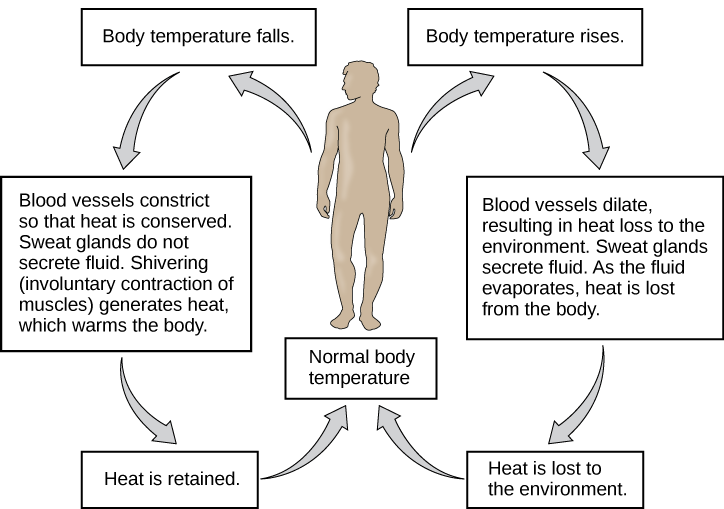
In human beings, the homeostatic regulation of body temperature involves such mechanisms as sweating when the internal temperature becomes excessive and shivering to produce heat, as well as the generation of heat through metabolic processes when the internal temperature falls too low.


          The Autonomic Nervous System (ANS)

These aspects of homeostasis are regulated through the autonomic nervous system.


The autonomic nervous system manages most of our bodily systems, including the cardiovascular system, gastrointestinal, urinary and bowel functions, temperature regulation, reproduction and our metabolic and endocrine systems. Additionally, this system is responsible for our reaction to stress - the flight or fight response.


          Sympathetic and Parasympathetic


The autonomic nervous system consists of two parts: the sympathetic system and the parasympathetic system. The sympathetic system can best be thought of as controlling the 'fight or flight' reactions of the body; producing the rapid heart rates, increased breathing and increased blood flow to the muscles that are necessary when an individual is in danger or under stress. The parasympathetic system controls the 'quiet' body functions, for instance the digestive system. In short, the sympathetic system gets the body ready for action, while the parasympathetic system gets the body ready for rest. And in most individuals the parasympathetic and sympathetic components of the autonomic nervous systems are in perfect balance, from moment to moment, depending on the body's instantaneous needs.


Dysautonomia

Brain disorders such as traumatic brain injury can affect the autonomic nerve system and result in Dysautonomia: The autonomic nervous system loses that balance and at various times the parasympathetic or sympathetic systems inappropriately predominate.


Symptoms

Symptoms can include frequent, vague but disturbing aches and pains, faintness (or even actual fainting spells), fatigue and inertia, severe anxiety attacks, tachycardia, hypotension, poor exercise tolerance, gastrointestinal symptoms such as irritable bowel syndrome, sweating, dizziness, blurred vision, numbness and tingling, anxiety and (quite understandably), depression.


A person suffering from Dysautonomia may exhibit all these symptoms and more or only one or two. It can be an acute, short lived problem or a chronic problem that will last a lifetime. There is no cure for Dysautonomia but some medications and strategies can help alleviate the symptoms.


          Management Strategies


The homeostatic regulation of body temperature may be severely impaired in a person suffering from dysautonomia and they may develop excessively high body temperatures and consequent irritability, confusion and disorientation. The treatment for a high temperature as a result of a damaged autonomic nervous system is entirely symptomatic and supportive. That is: the fever is treated but not the cause. Remember the cause is unfortunately incurable.
Essentially the treatment is to cool the person down
A wet towel across the neck can be of help as most of our body heat is lost through the head and the external carotid arteries carry large amounts of blood to the brain. Cooling this area will effectively cool the whole body from the inside out.


Drink plenty of fluids, preferably water. Other fluids, particularly alcohol or caffeine, can reduce the fluid levels in the body by increasing fluid loss through sweating or urination.


It is essential to seek medical assistance if any fever is severe or prolonged as the fever itself may damage organs including the brain, heart and kidneys.
A host of medications have been tried in patients with dysautonomia. Those most commonly felt to be useful include:
  • Tricyclic antidepressants
  • Anti-anxiety medications
  • Medications affecting high or low blood pressure and
  • Non steroidal anti-inflammatory medications.  The most effective medications will vary from person to person depending on the particular symptoms that Dysautonomia produce in them.

As with any long-term health condition, it is highly recommended that a relationship be maintained with a GP or other suitable medical professional.
References and further information
Biology Online: http://www.biology-online.org/4/1_physiological_homeostasis.htm•Dysautonomia Network: http://www.dinet.org/•The Children's Hospital at Westmead: http://www.dinet.org/"


Image Source: On Image


How and Why Does Temperature Affect Chronic Illness? 

I found some wonderful information on The Autoimmune Mom's website regarding temperature changes and chronic illnesses.  I did not realize how tough of a subject this would be to research.  It has been a real challenge. However, this website offers some wonderful information.

"Cold Weather’s Impact on Autoimmune Disease Flares + Tips For Being Outside in Fall and Winter
By: Gary Rothbard, MD, MS in Environment 


Changes in or extreme climates can often have an effect on disease conditions.  In some cases, there are certain types of weather that can be helpful in controlling or improving a condition; other times, climate can impact disorders negatively in terms of symptoms and disease progression.  Here we consider the effects of cold weather and temperatures on autoimmune disease.
Why does cold air (dry or wet) affect pain and flares in autoimmune disease?
The first thing to mention here is that autoimmune conditions come in all shapes and sizes, and as such are affected by many factors.  Some conditions, such as rheumatoid arthritis, are greatly impacted by the weather (especially cold and/or rainy), while others are minimally affected, if at all.  In contrast, other disorders show an improvement in symptoms with cooler weather and may flare on warmer days.  There is no hard and fast rule as to how weather will affect individual patients.  Having said this, the short answer is we’re not entirely sure why autoimmune flares tend to worsen in cold weather, but we do know a few things regarding this phenomenon. 
In general, weather extremes of any kind will place additional stress upon the body, which is usually not helpful for those suffering from a host of conditions, autoimmune and otherwise.  Thus, generalized stress can increase the incidence and severity of autoimmune conditions in a non-specific way, simply by adding to the heightened physiological demands of the body during such periods.  For instance, in very cold weather, bodily heat escapes quickly, leaving less energy and fewer resources available to deal with basic and enhanced requirements.  Other conditions such as cold agglutinin disease, which is a variant of autoimmune hemolytic anemia, only occur during periods of lowered body temperature.  
This emotional and/or physical stress can leave an autoimmune sufferer more susceptible to flares, which might be better controlled in more temperate weather (though sometimes the opposite is true; it is a very individualized presentation). 
More specifically, it seems that one likely cause of cold-induced pain in many cases is the fact that smaller blood vessels tend to spasm in low temperatures, which leads to a restriction of blood flow to the associated areas.  This is known as Raynaud’s phenomenon when it is secondary to an established autoimmune disease (or Raynaud’s disease when it appears on its own) and it is something that many autoimmune patients know all too well, as it often occurs in conjunction with various autoimmune conditions.  The spasms can cause extreme pain, swelling, numbness and discoloration, and they occur most prominently in the fingers, toes, ears and nose (because these are all areas with very small vessels and therefore less blood flow and adaptive ability).  It is possible, though not certain, that similar problems in larger joints (and therefore vessels) are related in terms of pathology.
Another potential but controversial explanation for joint inflammation during certain types of weather involves the postulation that lower barometric pressure leads to increased swelling in the joint spaces.
Are there any studies done on brief breaks from cold weather, e.g., beach vacation in winter, and helping to reduce joint pain and other symptoms from the cold? 
Unfortunately, the literature is fairly sparse in this area, and it appears that there hasn’t been a great deal of research or investigation into the causes of or remedies for such flares.  There is one unofficial site, written by a doctor, that does a decent job of collecting most of the available research on the topic and providing brief summaries. 
  Another brief response from a different physician (not a study, just clinical advice) advises that in most cases the best weather for autoimmune patients is warm and dry, such as in the Southwest.  But again, this will vary from patient to patient, and what works for one may be detrimental to another.  Otherwise, not much else was found upon literature review. 
What is the best way to combat cold weather effects on pain and inflammation?
There is unfortunately no secret weapon used to combat such effects in those diagnosed with autoimmune disease.  That is, there is really nothing special one can do in cases of autoimmune conditions, other than the normal measures anyone would take in extreme cold to prevent complications.  Still, there are several effective ways to prevent or at least mitigate the negative impact cold weather has on some autoimmune sufferers. 
Just as is the case in people without autoimmune conditions, extreme cold requires some contemplation and preparation.  On particularly cold days, one should dress in layers, being sure to wear gloves and a hat; this serves the dual purposes of keeping joints warm and more flexible, and reducing overall cold stress.  If it is absolutely necessary to remain outside for long periods, it is crucial that one plans to take breaks and go inside occasionally, preferably before symptoms can begin to flare. 
And while patients should consider exercising indoors during these temperature extremes, it is important, when doing so outdoors, to remain active for the duration, in order to keep joints and muscles warm and more flexible, making them less prone to pain and inflammation.  Finally, in extreme autoimmune cases, some people have found that changing climates (by moving) is quite helpful, though clinicians and researchers are divided on the issue, and it is, once again, very personalized as to the benefits. 
Questions for your doctor: 
  • What is the best climate, if there is one, for my condition(s)?  Is it worth considering moving?
  • What are the recommended protective/preventive measures I should take when out in extreme cold temperatures?
  • Can you provide me with any resources or information regarding the effects of cold weather on autoimmune disease, or disease in general?
  • What is your opinion of the barometric pressure theory of joint pain and swelling?
  • Are there other causes of cold weather complications in autoimmune disease, besides vessel spasms and those mentioned above?

About the Author
Dr. Rothbard is a professional medical writer and consultant based in New York City, specializing in medical education articles targeted at a variety of audiences, from children through clinicians.  After leaving medicine, he worked as a biology and medical science educator for several years, before deciding to pursue writing full-time.  He may be reached at grothbard@hotmail.com."


Image Source: HERE


Does Temperature Affect Your Digestion?

According to Everyday Health,


"Your Digestion Could Be A Matter of Degree

By  
Medically Reviewed by Last Updated:  8/7/2013 
Your tongue may crave the icy temperature of an ice pop on a steamy summer day, but your digestion may rebel. 
'Some people perspire after drinking cold liquids,' says Mark Mattar MD, a clinician and assistant professor of medicine at MedStar Georgetown University Hospital, Washington, D.C. 
The body likes to keep its core temperature steady at about 100° F., which is when the best digestion occurs. If cold temperatures — such as ice water or cold food in the diet — enter the stomach, the body works quickly to warm it.

          A Centuries-Old Science

Temperature — of the body, weather, or the foods you eat — and its effects on digestion has intrigued physicians and scientists for at least 100 years. A well-regarded professor of several New York hospitals at the turn of the last century, the late William Gilman Thompson MD, included a chapter on the topic in his 1905 book, Practical Dietetics With Special Reference to Diet in Disease.
In it, he writes: 'One may begin a dinner with iced raw oysters, then take hot soup, and later conclude the meal with ice cream, followed by hot coffee,' he said of a proposed diet. 'And yet throughout, the temperature of the stomach contents does not vary so much as half a degree.' 
Dr. Thompson came to his conclusions based on the outcomes of 'many experiments which I have made upon patients…to whom I have given fluids at different temperatures, which were immediately siphoned out of the stomach and tested for heat loss or gain.'

Warm Is Better 
Even on a hot day, warm liquids generally soothe the system, Mattar said. Colonoscopy patients find warm liquids infused in the colon help alleviate pain or spasms. And anecdotally, he said, the wisdom from our grandmothers was to drink warm liquids — the belief being that warmth caused the muscles to relax — even the minuscule muscles that support the blood vessels. 
It’s also likely that the body’s preference for warmth has to do with the latest frontier in biology, the microbiome — those trillions of microscopic bugs that live in the gut, he said.
In the lab, these microorganisms thrive in incubation. Although these bugs like a warm host, even they have their limit. While hot cocoa on a hot day probably would be fine, Mattar said, 'if it’s hotter than 100 degrees, your body will try to cool it down.'
Air Temperature 
In warm climates, the blood vessels open and more hormones circulate to aid in all systems, including digestion, Mattar said. In cold climates, everything slows down, but not too much. 
In fact, the change is so subtle, the effects of air temperature on digestion usually goes unnoticed — except in extreme cases when the core temperature drops and hypothermia sets in. Treatment generally includes blankets and possibly intravenous fluids that are a little warmer than room temperature. 'You don’t want to shock the system,' he said.

Illness and Diseases 
In the opposite extreme, when hotter becomes the new normal, there is no real consensus on treatment, Mattar said. Some people recommend blankets and warm drinks, despite the discomfort, while others report the body should be kept cool to let the fever take its course. 
Thompson added that while 'cooling drinks have long been used [to treat] fevers…to this day one occasionally meets with opposition from mothers to giving a child with high fever anything really cold.' 
Ice also can be effective in relieving nausea, and hot liquids aid in 'cleansing the mucous membrane,' Thompson said. Likewise 'hot-air baths…are of undoubted service' in treating kidney disease. 
And despite the body’s quick response to cold drinks, the cold still can irritate the bowel, possibly causing diarrhea, constipation or abdominal pain, Mattar said, but that’s not true for everyone. 
'I myself love freezing cold water,' he said. 'But if my wife drinks it, her stomach will hurt.'"


From what I have read, stomach acid plays an essential role in the immune system by killing harmful bacteria and parasites that are ingested with food, so temperature would play a part in that.  Stomach acid activates the enzyme pepsin needed for protein digestion. The stomach acid will send signals to the pancreas to produce digestive juices and enzymes to further break down food.   I put the link above so that you can read more about the enzyme pepsin, and what it does in the digestive system. 

According to Women's Health Magazine, the weather can affect the body in so many different ways, in addition to what has already been discussed in the sources I have found.  It can cause headaches and migraines, dry skin, low energy and changes in mood, vitamin D deficiencies, breathing problems, colds, joint pain, and weakened hair and nails.  The weather can even affect your blood pressure.  According to The Mayo Clinic, your blood pressure is higher in the winter and lower in the summer. 
Image Source: On Image


Tuesday, July 16, 2019

WEGO Health Awards

I've been nominated for 5 Wego Health awards for my work with Gastroparesis. I don't think I'm going to win but it's a nice self esteem boost. I've been nominated for "Best in Show: Facebook," "Best in Show: Blog," "Advocating for Another," and "The Lifetime Achievement Award."   EDIT: Now I am nominated for five WEGO Health Awards.  The polls in "endorse" people have ended, so that may judge all of the six thousand nominations they got this year. So many people are doing SO many wonderful things! It helps me to reestablish my goals and switch around priorities.


My nominations, can be found on the WEGO Health Awards:


https://awards.wegohealth.com/nominees/12466


I've been writing in my blog about Gastroparesis since I was diagnosed in 2012. Back then, the only information about Gastroparesis was only available on Mayo Clinic's website. When I was diagnosed, I was scared because I knew I had a chronic illness that there was not a lot of information about.  I took pictures of my testing, uploaded it, and started writing in my blog about it. I wanted to share information with others but also save people money on repetitive testing because I know what it's like not to have health insurance, and to choose between going to the doctor and paying the rent for the month.

I have also helped build up support groups and pages on Facebook to help those who have been newly diagnosed with Gastroparesis. I helped build up the GP Community on Facebook with a handful of wonderful women.


But I will be honest, the awards would be a nice boost to my self-esteem, but the fact that I was nominated for them and the fact that somebody did that, that means more to me than anything. 

I've always been about helping people and to me, that comes first. 

I know doctors give out my blog to new patients and I know that United Healthcare gives out my blog as well, but I didn't start my blog for that. 

That's a nice benefit, but I started my blog for those who suffer with GP to try and bring awareness to us and for better treatment options. That's always been my goal.
I'm proud that now there are so many ways to learn about GP and it's not just Mayo Clinic's website anymore, because there are so many sources out there to choose from. I feel like I had a small part in that. 

I just want treatments to help us because I'm tired of losing my friends to this illness. 

This is for them. I dedicate all these nominations to the people I've lost due to this terrible illness. I'm doing this for them and I'm doing this for the people that have been newly diagnosed who are terrified. I just want them to know they're not alone, and there is a support network in place for those who feel like they are.


I also am doing it for more awareness and education for doctors so that when we are sick enough to go to the Emergency Room, we are NOT treated as drug seekers. Doctors can't even see past that to help us. I've been in the ER, vomiting up blood in front of the doctor, and he thought I was just there for pain meds. He also told me that GP didn't hurt. So, I asked him if nerve pain in the back hurt. He replied yes. I asked him if nerve pain in the knee hurt, Again, he replied yes. So, I asked him, why wouldn't it hurt if your vagus nerve was damaged and the nerves in your stomach were damaged? He looked at me and told me he had never thought of it that way before. So, at least I was able to change one doctor's mind. I had a friend who was ill who went to the ER and was dismissed as a drug seeker as well. She died later that night in her home. I'm just tired of this and I want this to change.

If you want to endorse me the link is:

https://awards.wegohealth.com/nominees/12466
This has been some much needed good news.  I have felt terrible and had a hard time in the past week and a half because my Uncle passed away last week. Dealing with grief on top of Gastroparesis is awful, but I need to write a separate article about that. I know everyone deals with grief in their own way, but this was surprising and like I said, great news. I don't expect to win, but it's so nice to be nominated. I have dealt with so much adversity in the past few years...being cyberbullied, knocked down, and having to rise up and be the bigger person by staying silent is hard, REALLY hard.  But, I am human, and I make mistakes. 
I get sick and I cannot do a lot of the things I want to do because of my illness. I have a lot of ideas, it just takes me a while to act on them and get them out there because I vomit a lot, which makes me weak, and now my back and my oral health are deteriorating.
I just hope that maybe this blog might win an award, but I write for you, the person taking the time to read all of this right now. YOU matter. YOU are NOT alone.  I want to make sure you know that. Any questions that you have, any support you need, and anything you want researched, I'm happy to do that. I try to keep the Financial Assistance and Gastroparesis Support Resources articles up to date.  I remember having to choose between going to the doctor for the month or paying the rent because I did not have health insurance. When you have a chronic illness and no health insurance, things can get so rough. I am working on a new project that I should have out soon that I think will help a lot of you out there.  I'm planning on releasing it for Gastroparesis Awareness Month. I'm really excited about it and I hope you will be, too. 

Monday, July 15, 2019

Per Oral Endoscopic PyloromyotomyImag (POP) Surgery, GPOEM, and ERCP

I have had this subject saved to write about since March of this year. Life has just gotten in the way, so I've been unable to complete the article like I wanted to. However, I wanted to do some research today on the subject, now that I have had friends who have had it done.  I want to talk about the
Per oral endoscopic pyloromyotomy (hereto referred as the POP procedure and GPOEM) and ERCP.  I will discuss and share my research about the POP procedure first, but I have written about it in the past. You can find the article I have written on POP/GPOEM here: https://www.emilysstomach.com/2017/06/gpoem-what-is-it-and-how-does-it-help.html


Image Source: The Cleveland Clinic


I found an article that The Cleveland Clinic published in August,
"Innovative Endoscopy Procedure for Gastroparesis Is Safe and Feasible


Gastroparesis, delayed gastric emptying in the absence of mechanical obstruction, is a debilitating and chronic digestive disease affecting 5 million people in the U.S. Typically, medical therapies, intrapyloric injections of botulinum toxin, gastric electrical stimulation therapy and surgical open or laparoscopic pyloroplasty are utilized to manage the disease.

Still, it is a frustrating condition for patients and physicians alike, and until recently these medical and surgical procedures have been largely unsuccessful in resolving the disease’s symptoms or have been associated with complications. According to Cleveland Clinic general surgeon John H. Rodriguez, MD, however, a new, minimally invasive endoscopy therapy, per oral endoscopic pyloromyotomy (POP), has recently shown great promise as an alternative to surgical pyloroplasty for these patients.

Dr. Rodriguez explains that POP has been described in small case reports since 2013 and was first performed at Cleveland Clinic in January 2016. Since that time, he and his colleagues have conducted a prospective study of the technique, and recently published results in Surgical Endoscopy on the first 47 subjects (although to date they have performed almost 100 cases).
The POP study design

From January 2016 to January 2017, prospective patients who were suspected of having gastroparesis were evaluated by a multidisciplinary team comprised of a psychiatrist, dietitian, gastroenterologist and four surgeons specializing in minimally invasive techniques. Prior to having the procedure, a four-hour, non-extrapolated gastric-emptying scintigraphy study was performed on all subjects, who subjectively rated their symptoms on the Gastroparesis Cardinal Symptom Index (GCSI). Subjects repeated the GCSI at three months after POP.

Of the 47 patients, 27 (57.4 percent) were classified as having idiopathic gastroparesis, 12 (25.6 percent) as having diabetic gastroparesis and eight (17 percent) as having postsurgical gastroparesis. The majority of the patients (87.2 percent) had been treated with one or more previous interventions for their symptoms, such as placement of an enteral feeding tube or a gastric pacer or botulinum toxin injection.


image

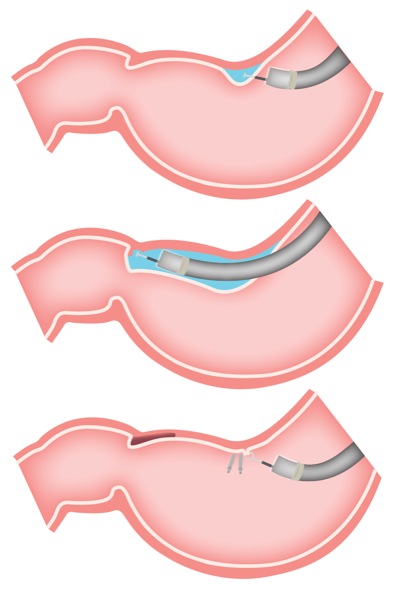
Image Source: HERE. Per-oral pyloromyotomy is a minimally invasive, lower-risk method of disrupting the pylorus that has been shown to improve gastroparesis symptoms.


The POP procedure was performed in the operating room under general anesthesia. Patients stayed in the hospital overnight after the POP procedure and an upper gastrointestinal (GI) series was performed to assess emptying through the pylorus and to check for unrecognized perforations. At discharge, patients were instructed to follow a liquid diet for two weeks and to take anti-acid therapies (sucralfate and a proton pump inhibitor) for four weeks. A repeat gastric-emptying study was performed at three months post-procedure.

The POP procedure produced statistically significant objective and subjective improvements in gastroparesis symptoms at 30 days and three months after treatment. Prior to the procedure, the average percentage of retained food at four hours was 37 percent and the average GCSI score was 4.6. After POP, the retained food percentage was reduced to 20 percent and the GCSI score to 3.3.

One patient died within 30 days of the POP procedure, but his death was unrelated to the surgery. “The procedure is very safe,” says Dr. Rodriguez, “and there were no procedure-related adverse events, including gastric or duodenal ulcer, intraluminal hemorrhage or gastric dumping syndrome.” There were also no repeat surgeries or hospitalizations related to the POP procedure.
A first-line treatment option

“This procedure has dramatically changed our practice at the Cleveland Clinic, and has become our first-line treatment option for medically refractive gastroparesis in well-selected patients,” Dr. Rodriguez says.

According to Matthew D. Kroh, MD, head of the research group and Chief of the Digestive Disease Institute at Cleveland Clinic Abu Dhabi, “POP is an attractive option for patients who in the past would have been offered surgical therapy because it is less invasive. This endoscopic procedure results that are similar to the best alternatives, without the morbidity associated with surgical access, and has a short recovery time.” Dr. Rodriguez adds that “because of its safety profile, we are able to apply POP more broadly than we could apply surgical interventions.”

Dr. Rodriguez reports that Cleveland Clinic has taken the lead in the U.S. with the POP procedure, but because GI motility is so complex and gastroparesis fairly common, he expects to see the technique become more widespread as more experience aggregates on its long-term safety and effectiveness."


According to Sages,

"Early human experience with Per-Oral Endoscopic Pyloromyotomy (POP)


Eran Shlomovitz, MD, Radu Pescarus, MD, Ahmed Sharata, MD, Kevin M Reavis, MD, Christy M Dunst, MD, Lee L Swanstrom, MD. Providence Portland Medical Center, The Oregon Clinic..


Introduction:
Gastroparesis, a condition characterized by delayed gastric emptying, and a constellation of symptoms including nausea, vomiting, early satiety and bloating, is a debilitating condition. A variety of surgical options are available including pyloroplasty and pyloromyotomy. Although these have been shown to be effective they are associated with surgical trauma. We hypothesize that an endoscopic submucosal myotomy technique can be applied to endoscopically divide the pyloric sphincter, provide the benefits of a natural orifice procedure and improve gastric emptying in gastroparetic patients.


Methods and procedures:
Endoscopic per-oral pyloromyotomy (POP) was performed in four female patients ages 65, 59, 33 and 32 years old. All patient underwent a complete pre-operative work-up including upper endoscopy, gastric emptying study as well as a pH study and esophageal manometry if a concomitant fundoplication was performed. Three procedures were performed under laparoscopic guidance as patients required other concurrent laparoscopic procedures (see table). In one patient the procedure was fully endoscopic. The myotomy was performed by a technique similar to the one utilized in the POEM procedure. After the creation of a mucosotomy, a submucosal tunnel is established up to the duodenal bulb followed by a myotomy of the circular fibers of the pylorus. The mucosotomy is subsequently closed with clips.


Results:
Endoscopic per-oral pyloromyotomy was technically successful in all four cases and patients were discharged home on post operative day 2 or 3. There were no immediate procedural complications. One patient presented to the hospital 2 weeks post procedure with an upper GI bleed necessitating transfusions. On endoscopy a 1cm ulcer was found in the pyloric channel and an exposed vessel was clipped. The patient was subsequently discharged home on high dose proton pump inhibitors. Three month follow-up nuclear medicine gastric emptying studies (GES) are available for 3 of the 4 patients. Normalization of gastric emptying studies was demonstrated in 2 patients. Patient 3 showed improved gastric emptying half life, but unchanged residual activity at 4hrs.


Concomitant procedureOperative timeBlood lossPre-op GESPost-op GES
Patient 1
65 F
Cholecystectomy102 minMinimalHalf life: 150min
Residual at 4hrs: 29%
Half life: 36min
Residual at 4hrs: 0%
Patient 2
59 F
Redo- PEH repair and Nissen295 min100 ccHalf life: 90min
Residual at 4hrs: 14%
Half life: 18min
Residual at 4hrs: 0%
Patient 3
33 F
Nissen231 minMinimalHalf life: 160-170min
Residual at 4hrs: 15%
Half life: 70-90min
Residual at 4hrs: 14%

Conclusion:
Endoscopic pyloromyotomy is a technically feasible and potentially much less morbid endoscopic surgical procedure. Early follow-up suggests objective improvement in gastric emptying. Further long-term follow-up and additional clinical experience is required to establish the role of this technique in the management of gastroparesis."


 Image Source: The Cleveland Clinic


ERCP


Now, I want to discuss ERCP.  I have had this procedure done to me, personally, and it helped me a great deal.  I had my ERCP done in 2012, when I was first diagnosed with Gastroparesis.  The doctors had to place a stent in my bile duct of my liver because it was not draining bile properly. You can read more about my personal experiences in my earlier blog articles:

https://www.emilysstomach.com/2012/08/surgery-today.html

https://www.emilysstomach.com/2012/08/post-surgery.html

https://www.emilysstomach.com/2012/08/day-6-day-after-surgery-oxygen-issues.html

I did develop pancreatitis after the procedure, which can be a side effect.  That was a very painful experience.   However, I want to research ERCP for those of you whose doctors may have suggested it, for those of you curious about it, and for those of you who might not know about the procedure itself.

There is a wonderful video with an explanation of the procedure made by Sages,


This talk was presented at the 2018 SAGES Meeting/16th World Congress of Endoscopic Surgery by Heidi J Miller during the When Bad Things Happen to Good People – Endoscopy: Being FLEXible on April 14 2018


"Endoscopic Retrograde Cholangiopancreatography (ERCP)


What is ERCP?


Endoscopic retrograde cholangiopancreatography (ERCP) is a procedure that combines upper gastrointestinal (GI) endoscopy and x-rays to treat problems of the bile and pancreatic ducts.


What are the bile and pancreatic ducts?

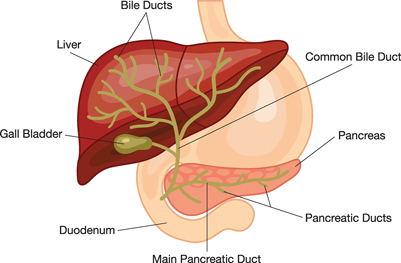
Your bile ducts are tubes that carry bile from your liver to your gallbladder and duodenum. Your pancreatic ducts are tubes that carry pancreatic juice from your pancreas to your duodenum. Small pancreatic ducts empty into the main pancreatic duct. Your common bile duct and main pancreatic duct join before emptying into your duodenum.

Illustration of the liver, pancreas, duodenum, gallbladder, and bile ducts, including the common bile duct, pancreatic ducts, and pain pancreatic duct.


 Why do doctors use ERCP?

Doctors use ERCP to treat problems of the bile and pancreatic ducts. Doctors also use ERCP to diagnose problems of the bile and pancreatic ducts if they expect to treat problems during the procedure. For diagnosis alone, doctors may use noninvasive tests—tests that do not physically enter the body—instead of ERCP. Noninvasive tests such as magnetic resonance cholangiopancreatography (MRCP)—a type of magnetic resonance imaging (MRI) —are safer and can also diagnose many problems of the bile and pancreatic ducts.
Doctors perform ERCP when your bile or pancreatic ducts have become narrowed or blocked because of

How do I prepare for ERCP?

To prepare for ERCP, talk with your doctor, arrange for a ride home, and follow your doctor’s instructions.


Talk with your doctor

You should talk with your doctor about any allergies and medical conditions you have and all prescribed and over-the-counter medicines, vitamins, and supplements you take, including
Your doctor may ask you to temporarily stop taking medicines that affect blood clotting or interact with sedatives. You typically receive sedatives during ERCP to help you relax and stay comfortable.
Tell your doctor if you are, or may be, pregnant. If you are pregnant and need ERCP to treat a problem, the doctor performing the procedure may make changes to protect the fetus from x-rays. Research has found that ERCP is generally safe during pregnancy.1


Arrange for a ride home

For safety reasons, you can’t drive for 24 hours after ERCP, as the sedatives or anesthesia used during the procedure needs time to wear off. You will need to make plans for getting a ride home after ERCP.


Don’t eat, drink, smoke, or chew gum

To see your upper GI tract clearly, you doctor will most likely ask you not to eat, drink, smoke, or chew gum during the 8 hours before ERCP.


How do doctors perform ERCP?

Doctors who have specialized training in ERCP perform this procedure at a hospital or an outpatient center. An intravenous (IV) needle will be placed in your arm to provide a sedative. Sedatives help you stay relaxed and comfortable during the procedure. A health care professional will give you a liquid anesthetic to gargle or will spray anesthetic on the back of your throat. The anesthetic numbs your throat and helps prevent gagging during the procedure. The health care staff will monitor your vital signs and keep you as comfortable as possible. In some cases, you may receive general anesthesia.
You’ll be asked to lie on an examination table. The doctor will carefully feed the endoscope down your esophagus, through your stomach, and into your duodenum. A small camera mounted on the endoscope will send a video image to a monitor. The endoscope pumps air into your stomach and duodenum, making them easier to see.
During ERCP, the doctor
  • locates the opening where the bile and pancreatic ducts empty into the duodenum
  • slides a thin, flexible tube called a catheter through the endoscope and into the ducts
  • injects a special dye, also called contrast medium, into the ducts through the catheter to make the ducts more visible on x-rays
  • uses a type of x-ray imaging, called fluoroscopy, to examine the ducts and look for narrowed areas or blockages
The doctor may pass tiny tools through the endoscope to
  • open blocked or narrowed ducts.
  • break up or remove stones.
  • perform a biopsy or remove tumors in the ducts.
  • insert stents—tiny tubes that a doctor leaves in narrowed ducts to hold them open. A doctor may also insert temporary stents to stop bile leaks that can occur after gallbladder surgery.
The procedure most often takes between 1 and 2 hours.


What should I expect after ERCP?

After ERCP, you can expect the following:
  • You will most often stay at the hospital or outpatient center for 1 to 2 hours after the procedure so the sedation or anesthesia can wear off. In some cases, you may need to stay overnight in the hospital after ERCP.
  • You may have bloating or nausea for a short time after the procedure.
  • You may have a sore throat for 1 to 2 days.
  • You can go back to a normal diet once your swallowing has returned to normal.
  • You should rest at home for the remainder of the day.
Following the procedure, you—or a friend or family member who is with you if you’re still groggy—will receive instructions on how to care for yourself after the procedure. You should follow all instructions.

A doctor talking with a patient.
You will receive instructions on how to care for yourself after ERCP. You should follow all instructions.
Some results from ERCP are available right away after the procedure. After the sedative has worn off, the doctor will share results with you or, if you choose, with your friend or family member.
If the doctor performed a biopsy, a pathologist will examine the biopsy tissue. Biopsy results take a few days or longer to come back.


What are the risks of ERCP?

The risks of ERCP include complications such as the following:
  • pancreatitis
  • infection of the bile ducts or gallbladder
  • excessive bleeding, called hemorrhage
  • an abnormal reaction to the sedative, including respiratory or cardiac problems
  • perforation in the bile or pancreatic ducts, or in the duodenum near the opening where the bile and pancreatic ducts empty into it
  • tissue damage from x-ray exposure
  • death, although this complication is rare
Research has found that these complications occur in about 5 to 10 percent of ERCP procedures.2 People with complications often need treatment at a hospital.


References


 Sages explains ERCP further with images below,


 Image Source: HERE


As always, please discuss these procedures with your doctors. This is just research I have compiled but it does not take the place of a doctor's expertise or advice. 
According to the American Gastroenterological Association,

  • "ERCP stands for:
    • Endoscopic — Refers to a tool called an endoscope, a long, thin (about the width of your little finger), flexible tube with a camera on the end. 
    • Retrograde — Refers to the direction (backward) in which the endoscope injects a liquid for X-rays of parts of the GI tract called the bile duct system and pancreas.
    • Cholangio — Refers to the bile duct system.
    • Pancreatography — Refers to the pancreas.
      • The process of taking these X-rays is known as cholangiopancreatography. 


  • ERCP can help find the cause of jaundice (when your skin and/or the whites of your eyes turn yellow) or pancreatitis, which is inflammation (swelling and redness) of the pancreas that is often caused by gallstones or alcohol abuse. ERCP can also treat some of those issues.
  • Using tools passed through the endoscopic tube, your doctor can inject dye to light up organs under X-rays. This provides a clear view of your pancreas, pancreatic duct, bile duct system, gallbladder and duodenum (the first portion of the small intestine).
ERCP is an endoscopic procedure used to inject dye into the bile and pancreas ducts. X-ray pictures are then taken.
  • ERCP can see if there is a blockage or narrowing in your biliary or pancreatic ducts caused by stones, tumors or scarring.
  • ERCP is frequently performed to find the cause of abnormal liver-chemistry tests and to follow up on an abnormal ultrasound, CT scan or MRI exam.
  • During an ERCP, if any blocks are found, tools can be passed through to relieve the block. Stones can be removed from the common bile duct or pancreatic duct and blocks can be dilated, biopsied and/or stented.
  • ERCP can relieve jaundice (when your skin and/or the whites of your eyes turn yellow) caused by blocked bile ducts.
  • ERCP can help find the cause of pancreatitis, inflammation (swelling and redness) of the pancreas, and prevent future attacks.
  • ERCP may help you avoid surgery in some cases."